 Admin
Admin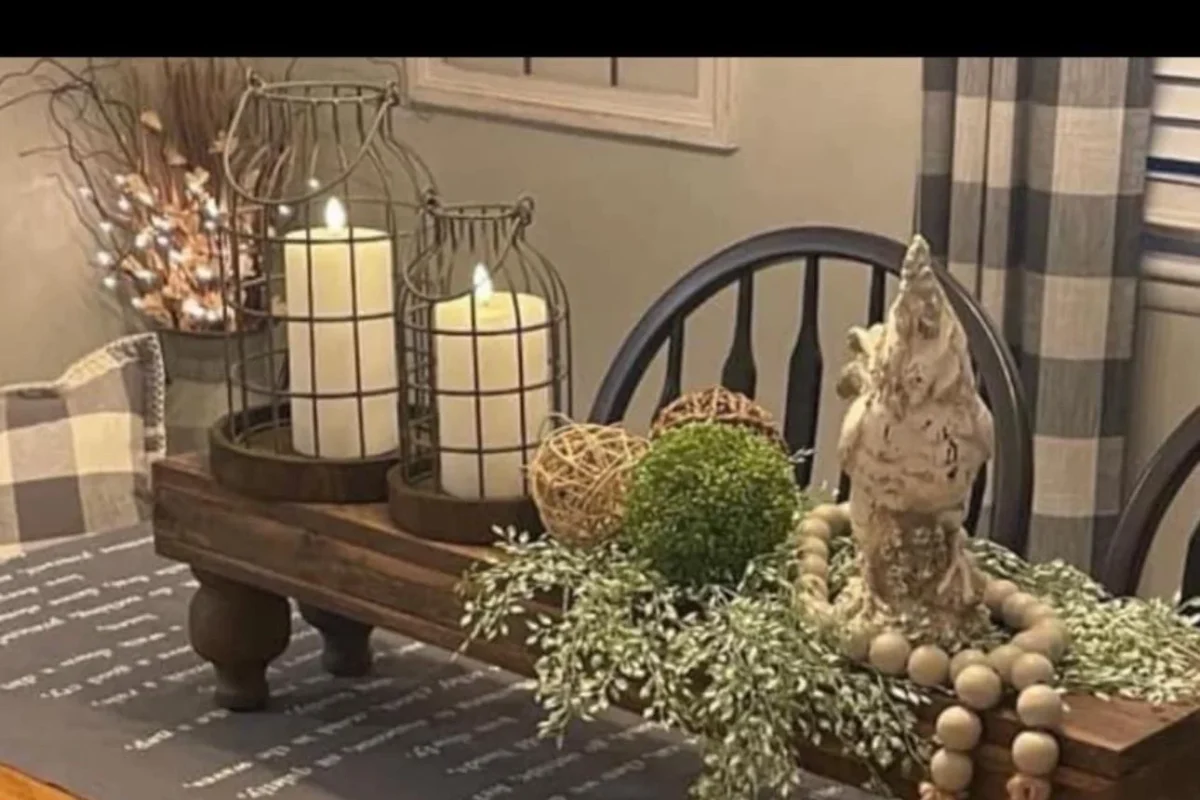
When it comes to rustic interiors, the dining table often becomes the heart of the home. A well‑chosen farmhouse table centerpiece can transform a simple gathering spot into a statement of warmth, hospitality, and personal style. Whether you are arranging a casual family dinner or hosting a holiday feast, the right centerpiece adds visual interest without overwhelming the natural simplicity that defines farmhouse aesthetics.
In this guide we explore the essential components of a farmhouse table centerpiece, from material selection to seasonal variations. You’ll learn how to blend vintage charm with modern practicality, ensuring your table always feels inviting and thoughtfully curated. Along the way, we’ll reference complementary ideas such as everyday table setting ideas and end table decor ideas to help you create a cohesive look throughout your home.
Farmhouse Table Centerpiece: Essential Elements
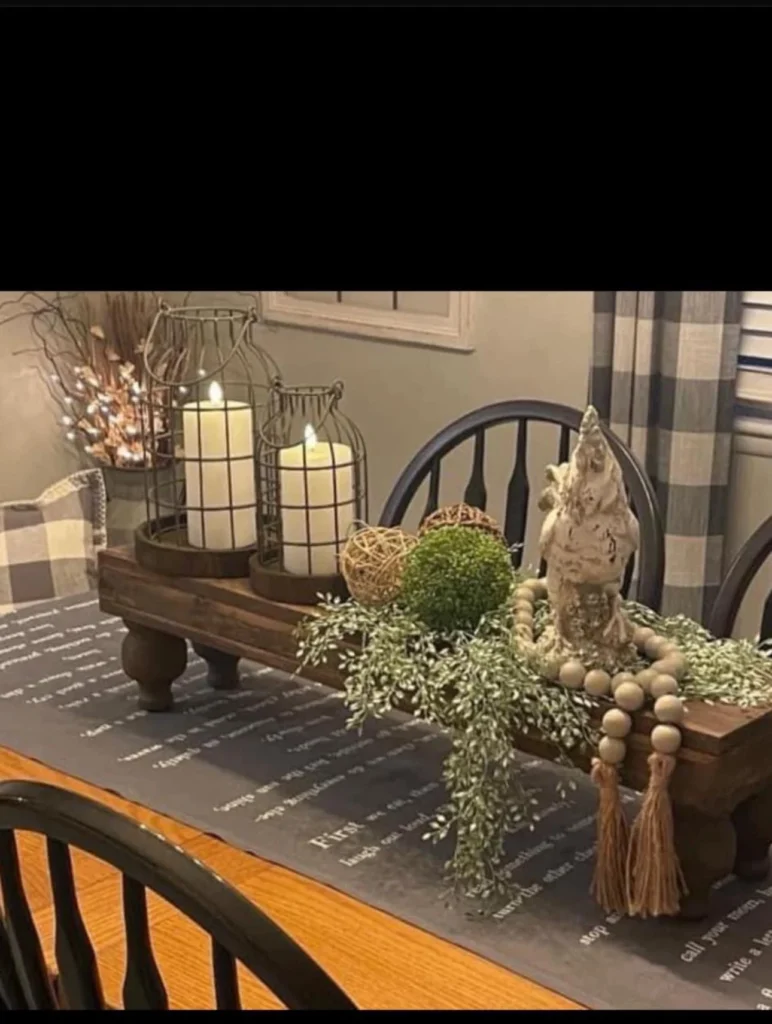
The cornerstone of any farmhouse table centerpiece is balance. A successful arrangement should feel anchored yet airy, using a mix of height, texture, and color that echoes the natural palette of the countryside. Start by choosing a focal object—a rustic wooden box, a ceramic pitcher, or a cluster of mason jars—that sets the tone. From there, layer complementary items such as dried wheat stalks, seasonal fruit, or hand‑crafted candles. The goal is to create depth without clutter, allowing each piece to breathe while contributing to an overall narrative of comfort.
When selecting pieces, consider the table’s size and shape. A long, narrow farmhouse table benefits from a linear arrangement—think a row of small vases or a single elongated runner of greenery. Conversely, a round or square table invites a more centralized display, like a low wooden crate filled with seasonal blooms. By matching the composition to the table’s geometry, you reinforce the farmhouse aesthetic of functional beauty.
Farmhouse Table Centerpiece Materials and Textures
Materials play a pivotal role in reinforcing the rustic vibe. Natural wood, reclaimed metal, and hand‑blown glass are staples that convey authenticity. A distressed pine bowl can hold pinecones, while a weathered wrought‑iron lantern offers an industrial edge without feeling out of place. Pairing smooth ceramic with rough burlap or linen adds tactile contrast, inviting guests to linger over the details.
- Wood: Look for reclaimed barn wood, pallet boards, or hand‑carved wooden bowls. The grain and patina add depth.
- Metal: A copper or matte black metal tray provides a sturdy base for smaller items and introduces subtle shine.
- Glass: Clear or amber glass jars showcase the contents, whether it’s dried herbs or fresh berries.
- Fabric: Natural linen napkins, burlap ribbons, or cotton twine soften hard surfaces and bring a touch of homeliness.
Mixing these textures creates a layered look that feels curated rather than assembled. For instance, place a rough wooden crate atop a smooth slate slab, then scatter delicate glass bottles across the top. The interplay of surfaces mimics the varied materials found on an actual farm, reinforcing the theme without needing overt decoration.
Farmhouse Table Centerpiece Seasonal Ideas
Seasonal rotation keeps a farmhouse table centerpiece fresh and relevant throughout the year. In spring, embrace pastel tones and fresh foliage—think sprigs of lilac, potted herbs, or a bowl of sliced lemons. Summer calls for brighter colors: sun‑kissed tomatoes, corn husks, and wildflowers harvested from a garden. Autumn shifts the palette to warm oranges, deep reds, and earthy neutrals—incorporate pumpkins, dried gourds, and cinnamon‑scented candles. Winter offers a chance to play with texture and sparkle; consider evergreen branches, frosted pinecones, and silver or gold accents.
Beyond visual changes, seasonal elements can also enhance aroma. A simmering pot of rosemary and orange zest in the kitchen can waft toward the dining area, adding an olfactory layer to the visual centerpiece. This multisensory approach deepens the farmhouse experience, making each gathering feel rooted in the time of year.
Farmhouse Table Centerpiece Styling Tips
Styling a farmhouse table centerpiece is part art, part practicality. Below are actionable tips to help you master the look:
- Start with a base: Use a low tray, wooden slab, or woven basket to contain all items and prevent them from rolling off the table.
- Vary heights: Combine tall candlesticks with low bowls to create visual movement. A single tall vase flanked by shorter jars adds dynamic balance.
- Play with color: Stick to a muted, natural palette—think creams, soft greens, and warm browns—while allowing one or two accent colors to pop.
- Incorporate greenery: Even a small sprig of eucalyptus or a handful of lavender can soften hard edges and add freshness.
- Keep functionality in mind: Ensure the centerpiece doesn’t impede conversation or plate placement. A centerpiece should enhance the table, not dominate it.
Another useful strategy is to rotate accessories from other areas of the home. A decorative bowl used on an entryway table can find a second life as a farmhouse table centerpiece, tying together different rooms through shared design elements. For inspiration on cross‑room styling, see the article on decorating entryway tables.
DIY Farmhouse Table Centerpiece Projects
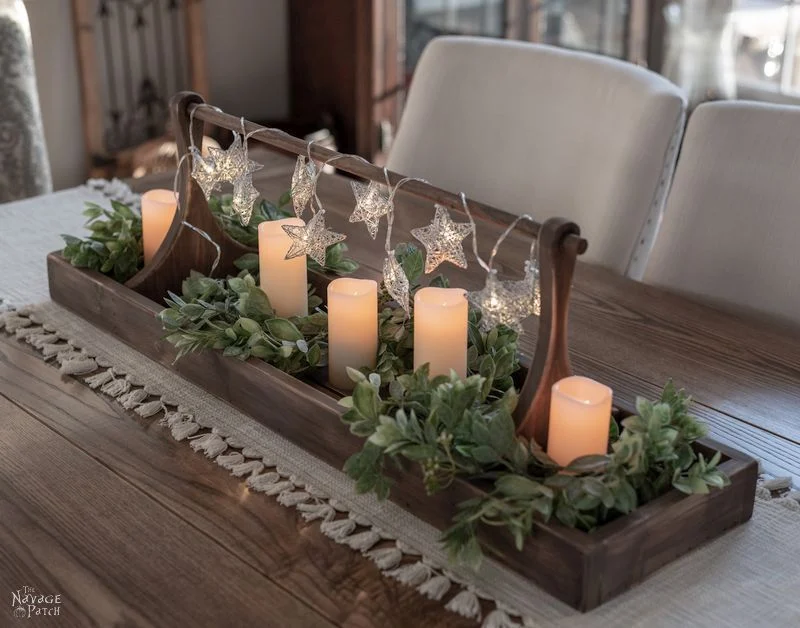
Creating a centerpiece from scratch adds a personal touch that mass‑produced items lack. Simple DIY projects require minimal tools and can be completed in an afternoon. Consider repurposing old wooden crates: sand them down, apply a light coat of chalk paint, and line the interior with burlap. Fill the crate with seasonal produce, such as apples in autumn or fresh berries in summer, and you have a functional, decorative piece.
Another easy project involves glass jars. Clean vintage mason jars, tie twine around the necks, and insert small bouquets of wildflowers. Arrange the jars in a staggered formation on a reclaimed wooden board for an eye‑catching centerpiece that feels both rustic and refined.
These DIY ideas not only save money but also allow you to tailor the centerpiece to your specific aesthetic preferences. By selecting materials that already exist in your home, you reinforce the farmhouse principle of resourcefulness and sustainability.
Integrating the Farmhouse Table Centerpiece Into Your Overall Décor
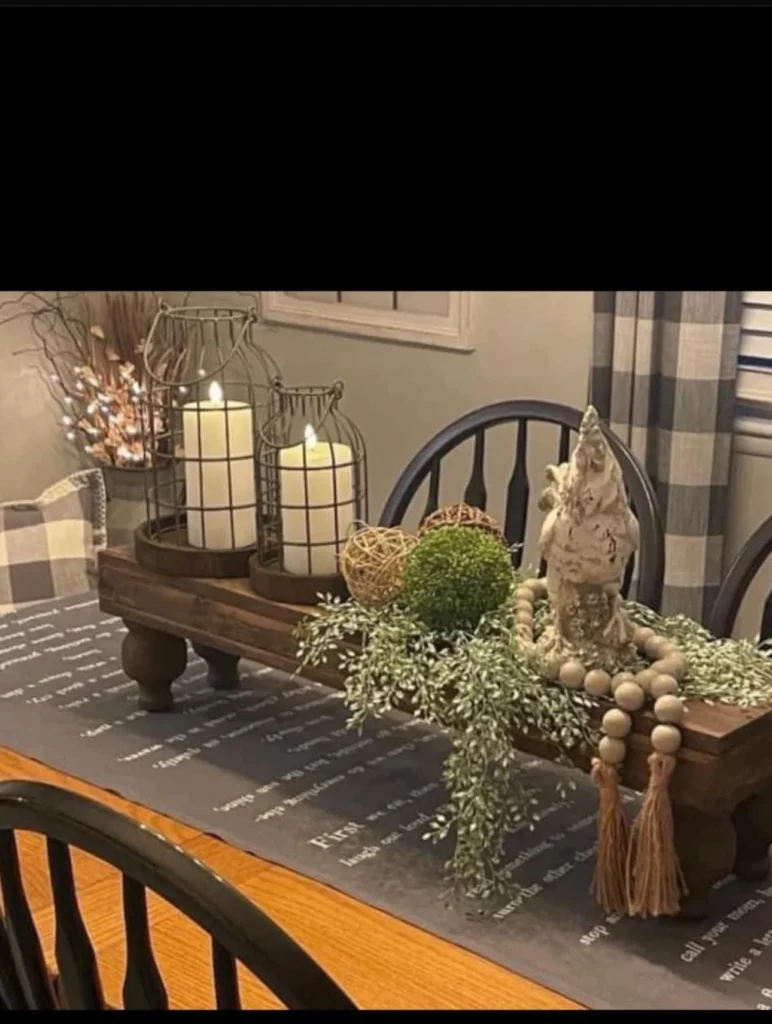
While the centerpiece is the focal point of the dining area, it should also harmonize with adjacent spaces. If your living room features a reclaimed wood coffee table, echo that material in your farmhouse table centerpiece to create visual continuity. Likewise, if your kitchen showcases open shelving with copper pots, incorporate a copper lantern into the centerpiece for a subtle nod to the adjoining room.
Lighting plays a crucial role, too. Soft, warm bulbs in vintage-inspired fixtures enhance the cozy atmosphere that a farmhouse table centerpiece aims to evoke. During evening meals, dim the overhead lights and let the centerpiece’s candles or lanterns provide a gentle glow, fostering an intimate setting.
Finally, remember that the farmhouse table centerpiece is not a static element—it evolves with your life. As families grow, holidays pass, and seasons shift, allow your centerpiece to adapt. The flexibility of rustic design means you can always introduce new textures, colors, or heirloom pieces without breaking the overall aesthetic.
By thoughtfully selecting materials, considering seasonal changes, and integrating the centerpiece with the broader design language of your home, you’ll achieve a timeless farmhouse look that feels both welcoming and expertly styled. Whether you prefer a minimalist arrangement or a richly layered display, the farmhouse table centerpiece remains a versatile canvas for expressing personal style while honoring the enduring charm of country living.
