 Admin
Admin
When it comes to the heart of any living room, the coffee table is more than just a functional surface; it’s a design anchor. Yet, the true impact of this piece often hinges on one understated component: the legs. Selecting the right Legs for Coffee Table can dramatically influence the aesthetic balance, comfort, and practicality of the space.
Homeowners frequently overlook this detail, focusing instead on tabletop materials or shape. However, the legs dictate the visual weight, height proportion, and even how the table interacts with surrounding furniture. Whether you favor a sleek modern silhouette or a rustic farmhouse vibe, understanding the options for Legs for Coffee Table will empower you to make a confident, style‑driven decision.
Legs for Coffee Table: Choosing the Right Style and Material
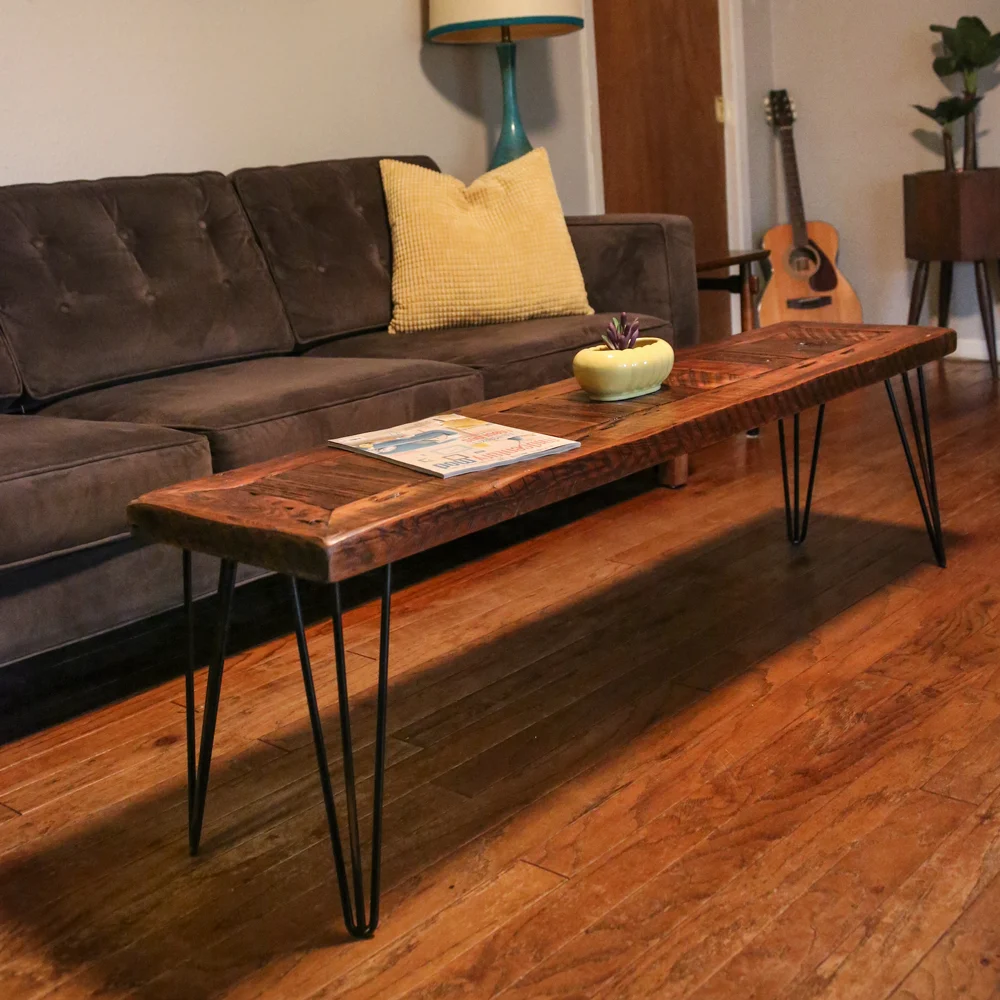
The first step in mastering the look of your coffee table is to assess the style language of your room. Contemporary interiors often benefit from slender metal or acrylic legs that create a floating effect, while traditional spaces may call for sturdy wooden or turned legs that echo classic craftsmanship. Below, we explore the most common material choices and their design implications.
Metal Legs for Coffee Table – Minimalist Elegance
Metal offers a sleek, industrial feel that complements modern décor. Stainless steel, brass, and black powder‑coated finishes each provide a distinct visual tone. Because metal legs can be engineered to be ultra‑thin, they lend an airy quality that makes the tabletop appear to hover, which can be especially advantageous in smaller living rooms where floor space feels limited.
- Stainless steel: polished, reflective, and resistant to rust.
- Brass: warm tones that add subtle luxury without overwhelming the space.
- Black powder coat: a matte finish that pairs well with dark wood tops.
When integrating metal Legs for Coffee Table, consider pairing them with a glass or marble top to heighten the sense of lightness. This combination also works well with everyday table setting ideas that favor uncluttered surfaces.
Wooden Legs for Coffee Table – Warmth and Tradition
Wood remains a timeless choice, offering warmth and tactile richness. From solid oak and walnut to reclaimed pine, wooden Legs for Coffee Table can be crafted in simple straight lines or intricate turned designs. The natural grain adds texture, making the table a focal point rather than a background piece.
- Solid oak: durable, with a prominent grain that ages gracefully.
- Walnut: dark, rich tones ideal for sophisticated settings.
- Reclaimed wood: eco‑friendly, each piece tells a story.
Wooden legs also provide a stable base for heavier tabletops, such as thick marble or stone. To complement this natural look, explore farmhouse table centerpiece ideas that echo the rustic charm of wooden furniture.
Acrylic and Plastic Legs for Coffee Table – Contemporary Playfulness
For those who love a touch of whimsy, acrylic or high‑quality polycarbonate legs can create an almost invisible support system. Transparent legs allow the tabletop to dominate the visual hierarchy, while still providing sturdy support. These options are especially popular in eclectic or mid‑century modern interiors.
- Acrylic: crystal‑clear, shatter‑resistant, and modern.
- Polycarbonate: slightly tinted options that add subtle color.
Because these legs are less visually dominant, they pair nicely with bold tabletop patterns or vibrant colors, letting the surface become the star of the room.
Height, Proportion, and Ergonomics: Getting the Measurements Right
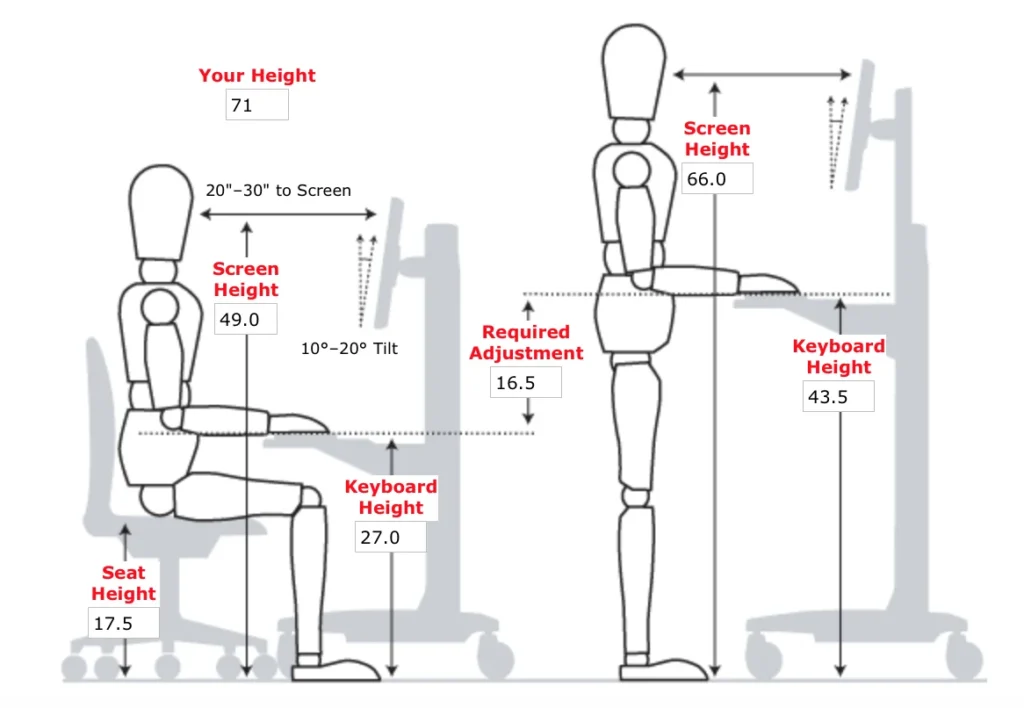
Even the most beautiful Legs for Coffee Table will fall short if the height is mismatched with surrounding seating. A well‑proportioned coffee table typically sits 1–2 inches below the seat height of your sofa or chairs. This range ensures easy reach for drinks and books while maintaining a comfortable visual flow.
Standard Height Guidelines for Legs for Coffee Table
- Standard sofa seat height: 18–20 inches.
- Recommended coffee table height: 16–18 inches.
- Leg length: subtract tabletop thickness from the total height.
For example, if your tabletop is 1.5 inches thick and you aim for an 18‑inch overall height, the legs should be roughly 16.5 inches long. Adjustments may be needed for low‑profile sofas or sectional seating.
Proportion Tips for Visual Harmony
Balance the leg width with the tabletop dimensions. Thin legs on a massive top can look unstable, while overly chunky legs on a petite table can dominate the room. Use the “golden ratio” as a quick reference: the leg width should be about 1/3 to 1/2 of the tabletop’s depth.
Design Integration: Styling Legs for Coffee Table Within the Living Room
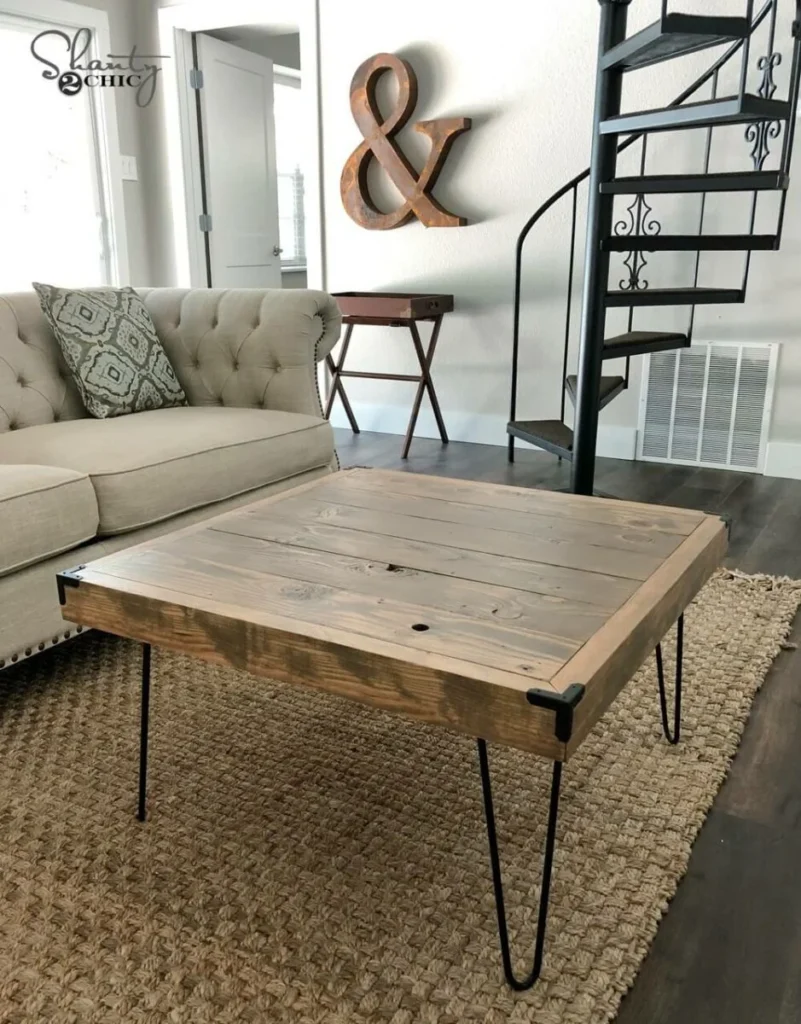
The final piece of the puzzle is how the selected Legs for Coffee Table integrate with other elements in the room. From flooring to accessories, each component contributes to a cohesive look.
Floor Considerations
Hardwood floors showcase the natural grain of wooden legs, while rug placement can protect delicate finishes. If you have a plush entry rug that extends into the living area, ensure the coffee table’s legs are fully supported to avoid wear.
Complementary Accessories
Coordinating decorative items on the coffee table can reinforce the material story. For metal Legs for Coffee Table, consider sleek metal trays or minimalist candle holders. With wooden legs, a woven basket or a rustic vase can enhance the organic feel. For inspiration, check out end table decor ideas that often translate well to coffee table styling.
Color Coordination
Match the leg finish to other metal accents in the room, such as lighting fixtures, hardware, or picture frames. If your space features a mix of brass and black, you can choose a coffee table with dual‑tone legs to create a bridge between the two.
Maintenance and Longevity of Legs for Coffee Table
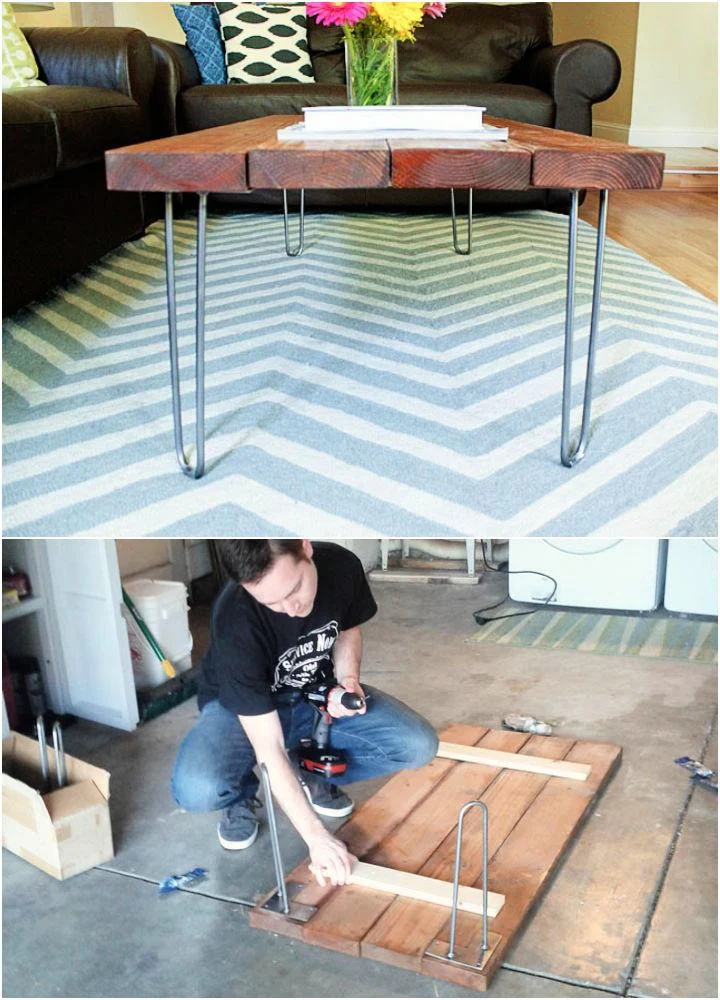
Regardless of the material, proper care extends the life of your coffee table’s legs. Here are practical tips for each common type.
Metal Leg Care
- Wipe with a soft, dry cloth to remove dust.
- Use a mild metal cleaner for stubborn stains; avoid abrasive pads.
- Apply a protective wax annually for brass or copper finishes.
Wooden Leg Care
- Regularly dust with a microfiber cloth.
- Apply a furniture polish or natural oil to preserve the finish.
- Avoid placing hot items directly on the legs to prevent discoloration.
Acrylic/Plastic Leg Care
- Clean with a solution of water and a few drops of dish soap.
- Use a soft sponge; avoid harsh chemicals that may cloud the surface.
- Inspect for scratches and polish with a plastic‑safe polish if needed.
Routine maintenance not only keeps the legs looking fresh but also maintains structural integrity, ensuring the coffee table remains a functional centerpiece for years to come.
Choosing the perfect Legs for Coffee Table is a nuanced process that blends aesthetics, ergonomics, and practicality. By evaluating material, height, proportion, and how the legs interact with surrounding décor, you can craft a living room environment that feels both cohesive and inviting. Remember, the legs are the silent supporters of style; when selected thoughtfully, they elevate the entire space from ordinary to extraordinary.
