 Admin
Admin
Side tables are often overlooked in interior design, yet they hold the potential to become focal points that tie a room together. Whether perched beside a sofa, tucked beside a bedside, or placed on a hallway console, the way you dress these compact pieces can dramatically influence the visual flow and functionality of a space. By treating a side table as a canvas, you unlock endless possibilities for creativity, practicality, and personal expression.
In this guide we’ll explore the fundamentals of side table decor, examine how different styles and materials can complement various interiors, and provide actionable tips that work for both minimalist and maximalist aesthetics. From selecting the right accessories to balancing proportion and scale, every element will be covered with an eye for detail and an authoritative voice that helps you make confident decisions.
Beyond the basics, we’ll also dive into specific scenarios—small apartments, cozy bedrooms, and open‑plan living rooms—so you can adapt the principles to your unique environment. Ready to turn those humble tables into standout statements? Let’s begin.
Side Table Decor Ideas for Every Room

When you think about side table decor, the first step is to consider the room’s overall design language. A side table should echo the existing palette, texture, and mood while adding its own touch of intrigue. Below are curated ideas that work across common living spaces.
Side Table Decor in the Living Room
- Layered Lighting: Pair a slim table lamp with a decorative candle or a small LED string. The interplay of ambient, task, and accent light creates depth and invites conversation.
- Statement Books: Stack a few large‑format coffee table books—art, travel, or design—vertically for height, then top with a sculptural object. This balances visual weight and offers a reading cue.
- Green Touch: A medium‑sized potted plant or a cluster of succulents adds life. Choose a pot that mirrors other hardware in the room, such as brushed brass or matte black.
For a cohesive look, reference the Modern Sofa Table: Design, Function, and Styling Tips article, which outlines how side tables can complement sofa arrangements without competing for attention.
Side Table Decor in the Bedroom
- Nighttime Essentials: Keep the top clear for a lamp, alarm clock, and a small tray for jewelry. A minimalist ceramic tray adds order while maintaining elegance.
- Texture Play: Incorporate a woven coaster, a soft linen napkin, or a small velvet pouch to introduce tactile variety.
- Personal Mementos: A framed photograph or a tiny sculpture can make the space feel intimate without cluttering.
Side Table Decor for Small Spaces
In compact apartments, every square inch counts. Here, side table decor should serve dual purposes—beauty and utility.
Side Table Decor Tips for Small Spaces
- Multi‑Functional Accessories: Use a decorative tray that doubles as a charging station. Look for trays with built‑in cable management to keep cords tidy.
- Vertical Emphasis: Choose tall, narrow vases or elongated candlesticks. They draw the eye upward, creating an illusion of height.
- Mirror Accents: A small mirrored tray or a reflective object bounces light, making the area feel larger.
When selecting a side table for tight quarters, consider materials like resin wood that offer durability without excessive weight. The guide Resin Wood Table – A Comprehensive Guide to Design, Durability, and Care explains why this option works well in modern interiors.
Choosing the Right Side Table for Effective Decor
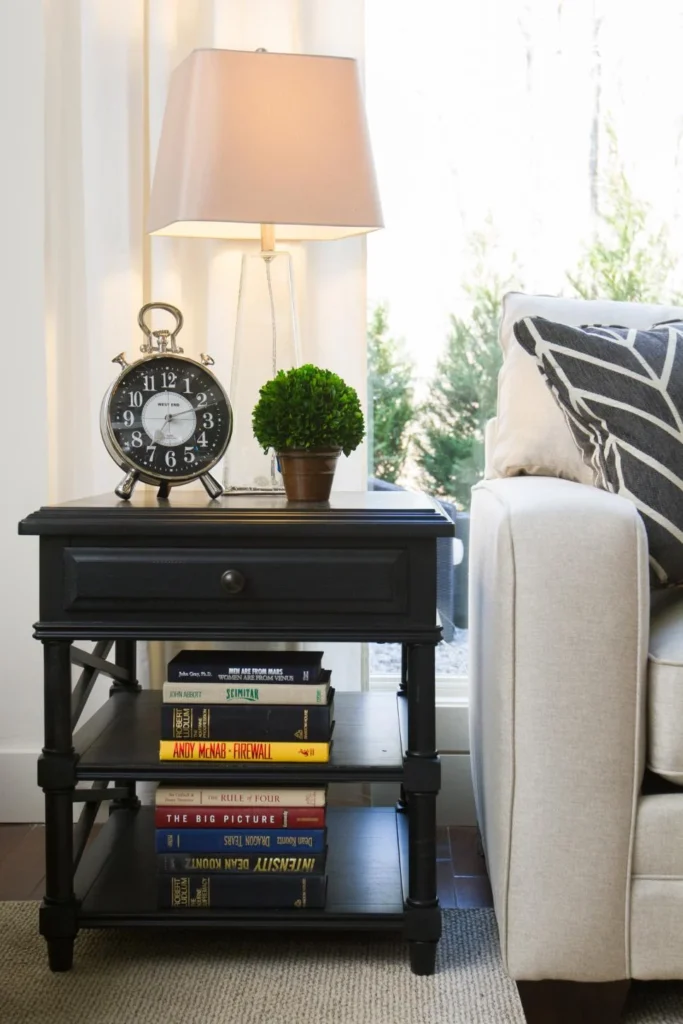
The foundation of successful side table decor is the table itself. Size, shape, and material all influence how accessories will sit and interact with surrounding furniture.
Proportion and Scale
Measure the height of the adjacent seating piece. Ideally, the side table should be within 2–4 inches of the seat height to allow easy reach. In a living room, a 20‑inch table pairs nicely with a standard sofa seat, while a 12‑inch nightstand works well beside a low‑profile platform bed.
Material Matters
Wood offers warmth, metal adds industrial edge, glass brings lightness, and acrylic provides a modern, invisible feel. Mixing materials can create a curated look—for example, a metal base with a marble top brings a luxe vibe without overwhelming the space.
Style Consistency
Align the table’s design with the room’s overarching style. A mid‑century modern side table with tapered legs fits a retro‑inspired lounge, whereas a chunky farmhouse table complements a rustic kitchen island.
Accessorizing Your Side Table: The Art of Curation
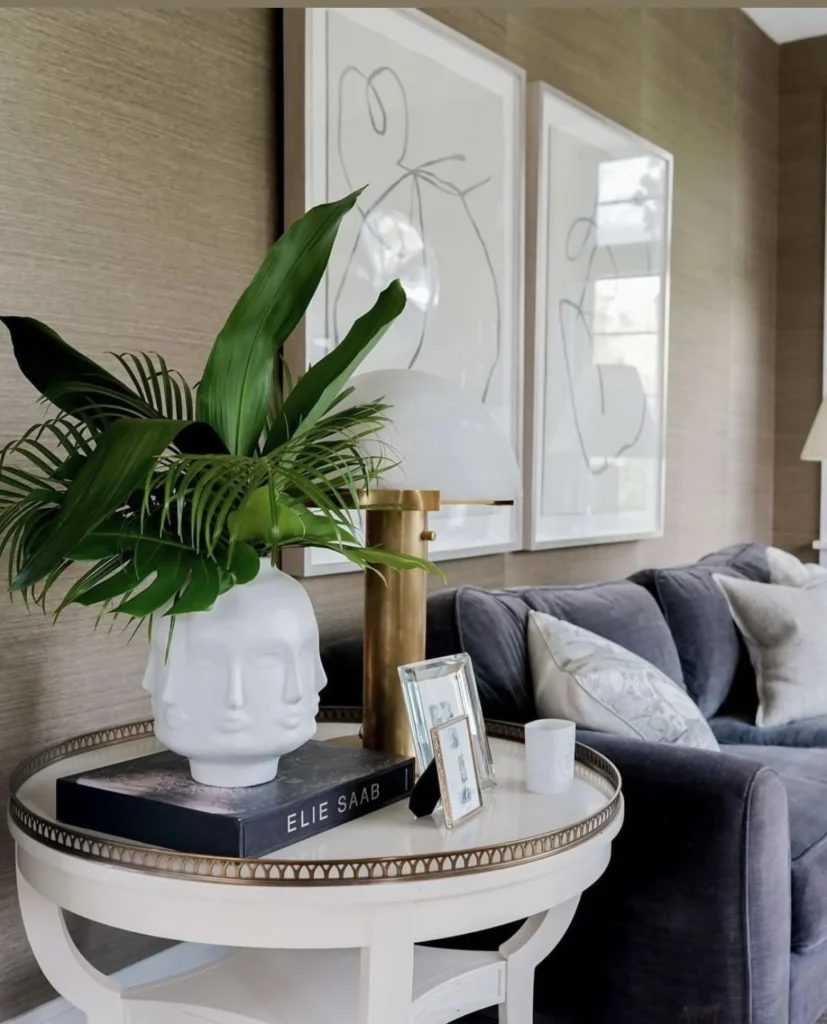
Once you have the perfect table, the next step is to curate its surface. The goal is to strike a balance between interest and restraint.
Color Coordination
Use a limited color palette—usually two to three hues—to maintain harmony. If the room’s primary colors are neutral, introduce a pop of color through a vase or a decorative bowl. Conversely, if the room already has bold accents, keep the side table decor muted.
Texture Layers
Combine smooth, glossy objects with rough, natural textures. A polished ceramic vase alongside a woven basket creates a tactile dialogue that invites the eye to linger.
Functional Décor
Items that serve a purpose—like a stylish tray for remote controls, a chic magazine holder, or a decorative bowl for keys—add practicality without sacrificing aesthetics.
Seasonal Swaps
Rotate accessories with the seasons for fresh energy. Spring might bring pastel flowers and a light linen runner; autumn could feature warm‑toned candles and a small pumpkin. This approach keeps the side table feeling dynamic year after year.
Integrating Side Table Decor with Larger Design Themes
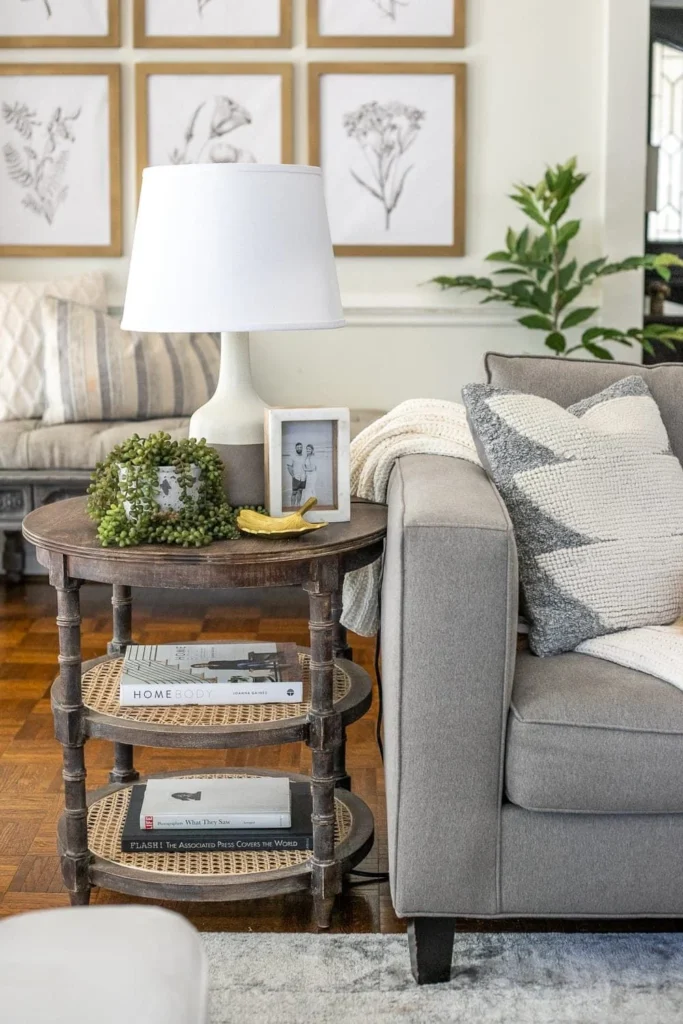
Side tables rarely exist in isolation; they interact with lighting, flooring, wall art, and other furniture. Understanding these relationships ensures a cohesive outcome.
Lighting Harmony
Coordinate lamp styles with ceiling fixtures. If you have a pendant with an industrial finish, a side table lamp with a matching metal base creates visual continuity.
Floor and Wall Echoes
Match the side table’s base material to floor finishes or wall treatments. A wooden side table beside a hardwood floor feels intentional, while a glass table against a textured stone wall adds contrast.
Complementary Furniture
Use side table decor to echo patterns found elsewhere—such as a geometric rug or patterned cushions. A decorative tray that mirrors a rug’s motif subtly ties the room together.
Practical Maintenance and Longevity
Styling a side table is rewarding, but maintaining its appearance ensures the decor remains fresh.
Cleaning Tips
- Dust surfaces weekly with a soft microfiber cloth.
- For wooden tables, use a wood‑specific cleaner and avoid excessive water.
- Glass tops benefit from a vinegar‑water solution to eliminate fingerprints.
Rotating Accessories
Every few months, reassess the items on your side table. Swap out worn pieces, replace broken items, and introduce new accents to prevent visual fatigue.
Protective Measures</h
Consider using coasters, placemats, or felt pads under heavy objects to avoid scratches and dents, especially on delicate surfaces like marble or glass.
By following these guidelines, your side table decor will not only look polished but also stand the test of time.
In conclusion, side tables are far more than functional footrests; they are miniature stages where design, utility, and personality converge. By thoughtfully selecting the table, curating accessories, and harmonizing with the broader interior, you create an environment that feels both purposeful and inviting. Whether you’re decorating a sprawling living room, a compact studio, or an intimate bedroom, the principles outlined here empower you to transform any side table into a captivating focal point that reflects your style.
