 Admin
Admin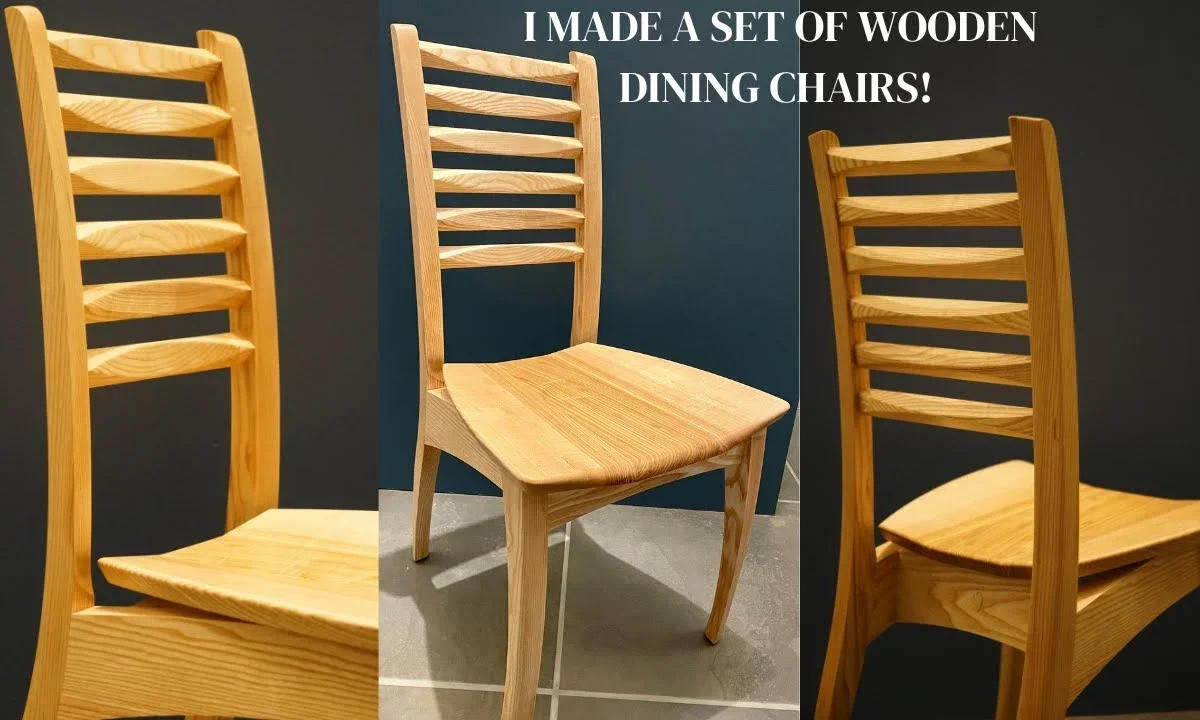
When it comes to creating a welcoming dining space, the synergy between the table and the seating is paramount. While a striking dining table can become the focal point of a room, the chairs that surround it are equally responsible for comfort, durability, and visual harmony. Choosing the right wood chairs for dining tables involves more than matching wood tones; it requires an understanding of ergonomics, finish, construction, and the overall aesthetic of the home.
In many households, the dining area serves as a multifunctional hub—hosting family meals, homework sessions, and occasional celebrations. This versatility puts a premium on furniture that can withstand frequent use without compromising style. Wood chairs for dining tables have long been celebrated for their timeless appeal, natural warmth, and structural robustness. Yet, the market offers a dizzying array of profiles, from minimalist Scandinavian frames to ornate Victorian sets, each bringing its own set of considerations.
This comprehensive guide delves into the essential factors you should evaluate before investing in wood chairs for dining tables. From selecting the appropriate wood species and finish to ensuring proper ergonomics and integrating the chairs with existing décor, the article equips you with the knowledge needed to make a confident, long‑lasting purchase.
Wood Chairs for Dining Table: Key Considerations

Before you set foot in a showroom or scroll through online catalogs, clarify the primary goals you have for your dining seating. Are you prioritizing comfort for long dinner conversations, or is a sleek silhouette that complements a modern interior more important? Below are the core criteria that should guide your decision‑making process.
- Ergonomic Design – Seat height, backrest angle, and lumbar support affect comfort. Standard dining chairs sit 18 inches from the floor, but adjustments may be necessary for taller tables.
- Wood Species – Different woods provide varying hardness, grain patterns, and cost. Hardwoods like oak, maple, and walnut are durable, while softer options such as pine are more budget‑friendly but may dent more easily.
- Finish & Maintenance – A high‑quality finish protects the wood from spills and wear. Consider whether you prefer a matte, satin, or glossy look, and be aware of the maintenance routine each finish demands.
- Construction Technique – Joinery methods such as mortise‑and‑tenon, dovetail, or dowel reinforce the chair’s structural integrity. Hand‑crafted pieces often feature superior joinery compared to mass‑produced items.
- Style Compatibility – Ensure the chairs harmonize with the table’s design language, whether it’s a rustic farmhouse bench or a sleek glass top.
Wood Chairs for Dining Table – Material Choices
The foundation of any wood chair lies in the type of timber used. Below is a quick reference for the most popular species and the environments where they excel.
- Oak – Known for its prominent grain and high durability. Ideal for households with children or heavy daily use.
- Maple – Features a subtle, fine grain that lends a clean, contemporary feel. Its hardness makes it resistant to dents.
- Walnut – Offers rich, dark tones and a sophisticated appearance, perfect for formal dining rooms.
- Cherry – Starts light and deepens to a warm reddish hue over time, creating a living patina.
- Pine – Lightweight and affordable, it works well in casual or rustic settings but may require protective finishes.
When pairing wood chairs for dining tables with other elements, think about the overall palette of the room. A contrast between a light‑finished table and darker chairs can add visual interest, whereas matching tones create a cohesive, streamlined look.
Design Styles That Complement Wood Chairs
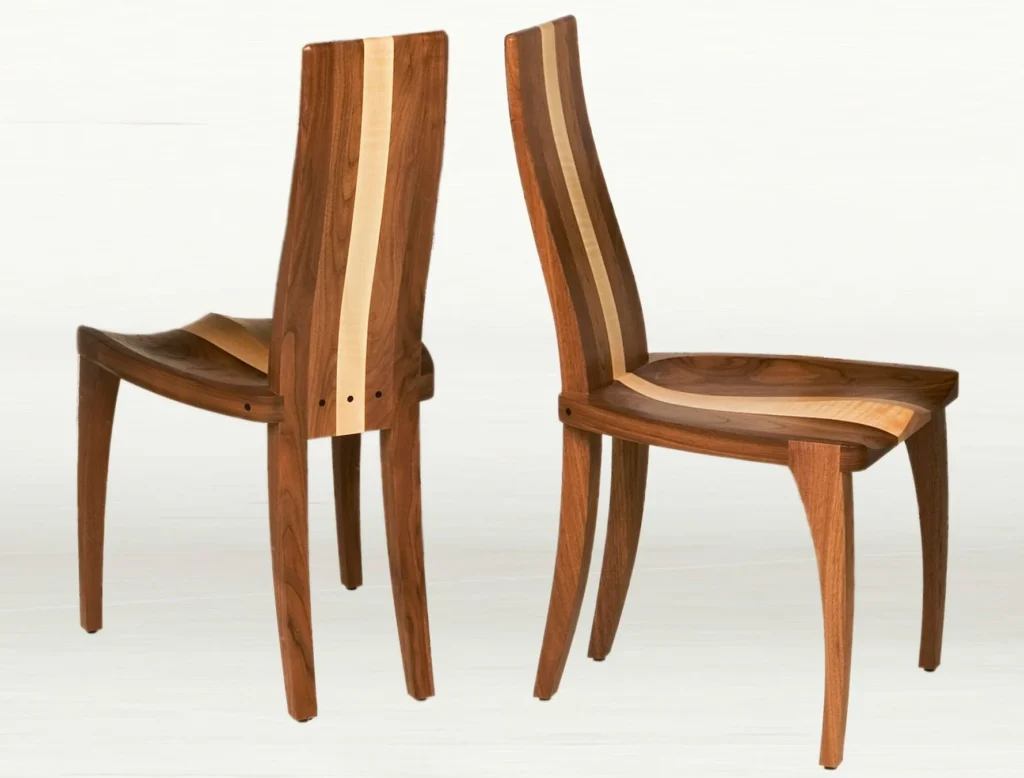
Wood chairs are incredibly adaptable, fitting seamlessly into a broad spectrum of interior design trends. Understanding these styles will help you select chairs that not only look good on their own but also enhance the ambiance of the dining area.
Scandinavian Minimalism
Clean lines, light woods, and a focus on functionality define Scandinavian interiors. For this aesthetic, choose chairs with slim, tapered legs and a simple, unembellished back. A natural oak finish or a pale walnut works beautifully with a white or pastel‑colored dining table.
Industrial Chic
Industrial spaces blend raw materials such as metal and reclaimed wood. Pair a reclaimed‑wood dining table with robust, steel‑reinforced wood chairs. Look for chairs that feature exposed mortise‑and‑tenon joints and a distressed finish to reinforce the rugged vibe.
Traditional Elegance
Classic interiors often showcase carved details, plush upholstery, and dark wood tones. Opt for walnut or mahogany chairs with carved legs or a high‑back silhouette. Adding a subtle cushion upholstered in linen or velvet can enhance comfort while retaining the traditional feel.
Mid‑Century Modern
Mid‑century designs emphasize organic shapes and a balance between form and function. A set of molded plywood chairs with a walnut veneer exemplifies this era. These chairs pair well with a sleek, low‑profile dining table featuring a simple metal or wooden base.
Practical Tips for Maintaining Wood Chairs for Dining Table
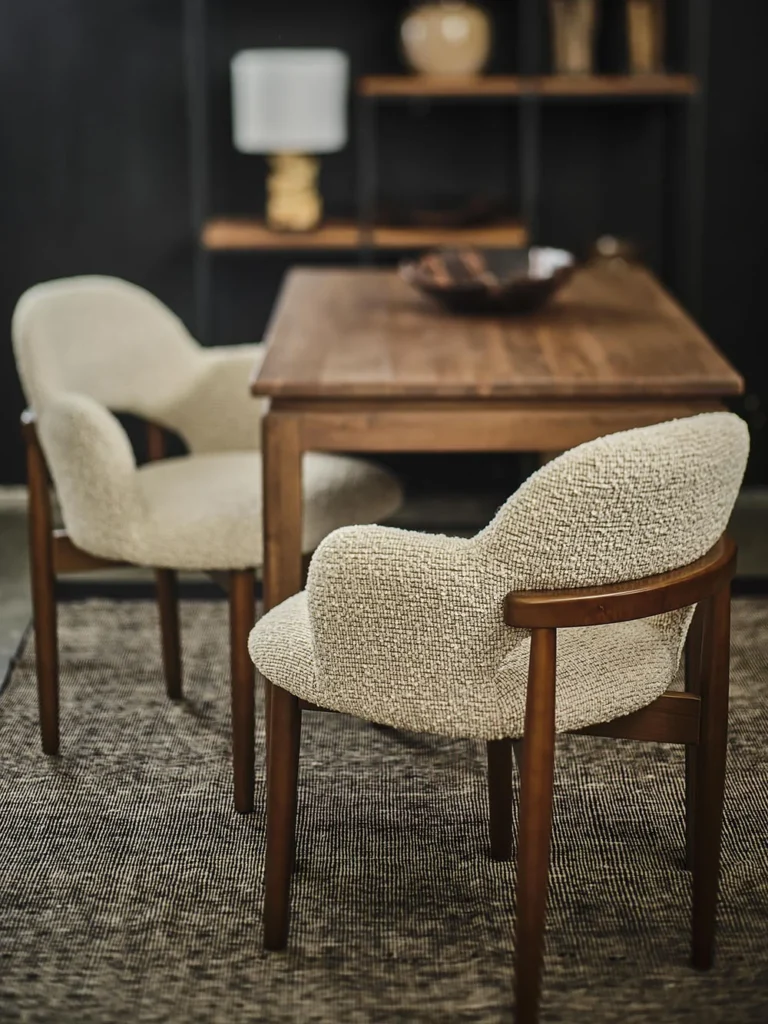
Investing in quality wood chairs is only the first step; proper care ensures they remain beautiful for years. Follow these maintenance guidelines to protect the finish and structural integrity.
Routine Cleaning
Dust chairs weekly with a soft cloth to prevent grit from scratching the surface. For spills, blot immediately with a dry towel—avoid wiping, which can spread the liquid and cause stains.
Periodic Refinishing
Even the toughest finishes wear over time. Lightly sand the surface with fine‑grit sandpaper and apply a fresh coat of polyurethane or Danish oil every 3‑5 years, depending on usage intensity.
Avoid Direct Sunlight
Prolonged exposure to UV rays can fade the wood and cause the finish to crack. Position the dining set away from large windows or use UV‑filtering window treatments.
Use Protective Pads
Place felt pads under heavy plates or trays to prevent scratches. If chairs are frequently moved, consider adding rubber glides to the legs for smoother relocation.
Integrating Wood Chairs with Table Settings and Décor
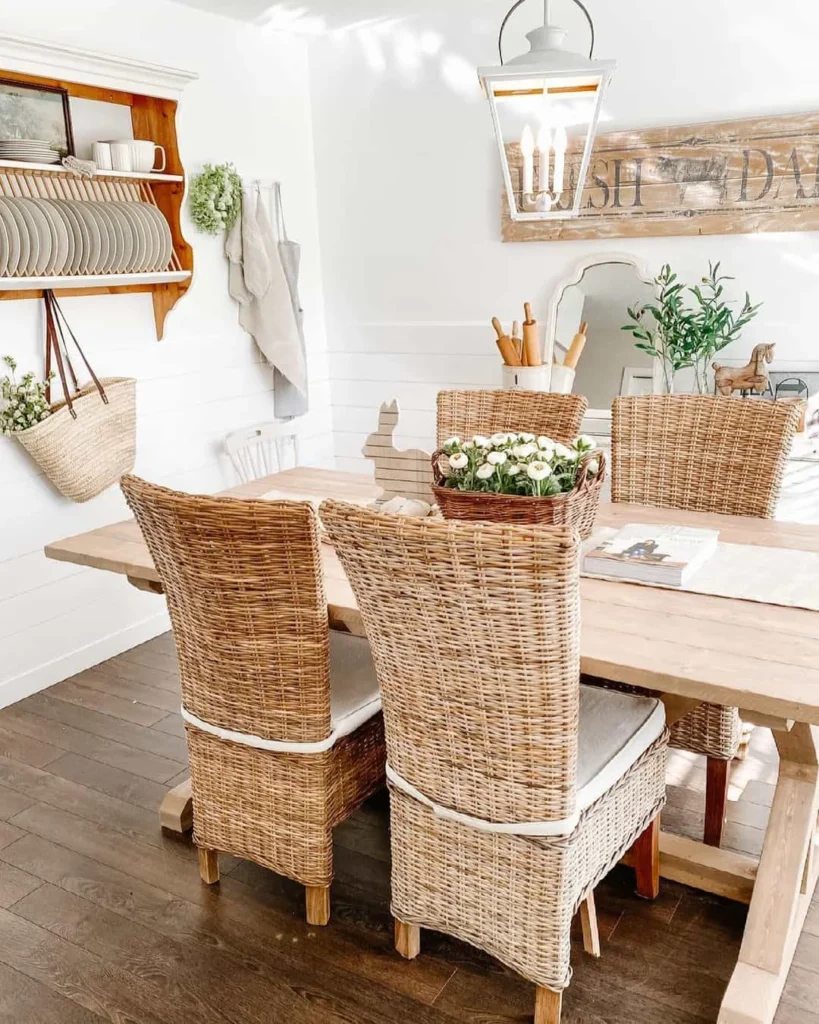
The visual harmony of a dining space extends beyond furniture. Thoughtful table settings, linens, and accessories can accentuate the natural beauty of wood chairs for dining tables.
Coordinating Table Linens
For a balanced look, select a table runner or placemats that echo the wood’s undertones. A muted, earth‑tone runner can highlight the grain without overwhelming the scene. For inspiration on patterns, explore Table Runner Patterns: A Complete Guide to Style & Design.
Centerpiece Choices
A well‑chosen centerpiece can draw the eye upward, emphasizing the chairs’ backs. Seasonal floral arrangements, sculptural candles, or a low‑profile vase work well. For event‑specific ideas, see Wedding Table Centrepieces Ideas – Inspiring Designs for Every Style, which offers adaptable concepts for everyday dining.
Lighting and Ambiance
Soft, warm lighting enhances the natural tones of wood. A pendant light directly above the table casts a gentle glow, while wall sconces add depth. Dimmer switches allow you to adjust the mood for casual meals or formal gatherings.
Buying Guide: What to Look for When Shopping
Armed with design knowledge and maintenance tips, you can now focus on the practicalities of purchase. Below is a checklist to streamline your shopping experience.
- Check the Joinery – Inspect the underside of the seat for solid joinery. Avoid chairs that rely heavily on screws or nails.
- Test the Comfort – Sit for a few minutes; the chair should feel supportive without being too rigid.
- Measure Accurately – Ensure the chair height matches your table’s clearance (typically 10‑12 inches between seat and tabletop).
- Assess the Finish – A consistent sheen without bubbles or drips indicates professional finishing.
- Consider the Warranty – Reputable manufacturers often provide a warranty covering structural defects.
Many retailers now offer virtual visualizers, allowing you to see how a set of wood chairs for dining tables will look in your space before committing. Take advantage of these tools, and don’t hesitate to request swatches of the finish to compare against your existing décor.
Custom vs. Ready‑Made: Which Path Suits You?
While mass‑produced chairs provide convenience and price advantages, custom‑made pieces deliver unparalleled personalization. If you have specific dimensions, a unique finish, or a particular wood grain in mind, commissioning a local craftsman can be a rewarding investment. Custom chairs also allow you to incorporate ergonomic features such as contoured seats or lumbar support, which are harder to find in off‑the‑shelf options.
Cost Considerations
Ready‑made wood chairs typically range from $80 to $250 per chair, depending on material and design. Custom pieces can start at $400 and rise substantially based on wood choice, labor, and finish complexity. Weigh the long‑term value of a bespoke chair against the upfront expense.
Environmental Impact and Sustainable Choices
Modern consumers are increasingly mindful of the environmental footprint of their furniture. When selecting wood chairs for dining tables, look for certifications such as FSC (Forest Stewardship Council) or PEFC (Programme for the Endorsement of Forest Certification). These labels guarantee that the wood originates from responsibly managed forests.
Additionally, reclaimed wood is an eco‑friendly option that adds character through visible nail holes, reclaimed hardware, and a story of renewal. Pairing reclaimed chairs with a new table can create a compelling juxtaposition of old and new.
Frequently Asked Questions
Can I mix different wood finishes for chairs and table?
Yes, mixing finishes can add depth and visual intrigue. For example, a light‑finished oak table paired with dark walnut chairs creates a balanced contrast that feels intentional rather than mismatched.
How many chairs should I purchase for a standard rectangular table?
A typical 6‑foot rectangular table comfortably seats six people—three on each side. If you often host larger gatherings, consider adding two extra chairs at the ends, but ensure there’s sufficient space for guests to move.
Are wood chairs suitable for outdoor dining?
While some hardwoods are more weather‑resistant, most indoor wood chairs are not designed for prolonged exposure to moisture and sunlight. For outdoor use, opt for teak, ipe, or treated wood specifically engineered for exterior conditions.
What’s the best way to protect chairs from pet scratches?
Using washable slipcovers or placing a decorative rug beneath the chairs can minimize direct contact. Regularly trimming pet nails also reduces the risk of accidental scratches.
Choosing the right wood chairs for dining tables is a nuanced process that blends aesthetics, functionality, and longevity. By understanding material properties, design compatibility, and proper care techniques, you can create a dining environment that invites conversation, comfort, and lasting memories. Whether you lean toward a minimalist Scandinavian set or a richly detailed traditional ensemble, the perfect chairs are out there—ready to elevate every meal you share.
