 Admin
Admin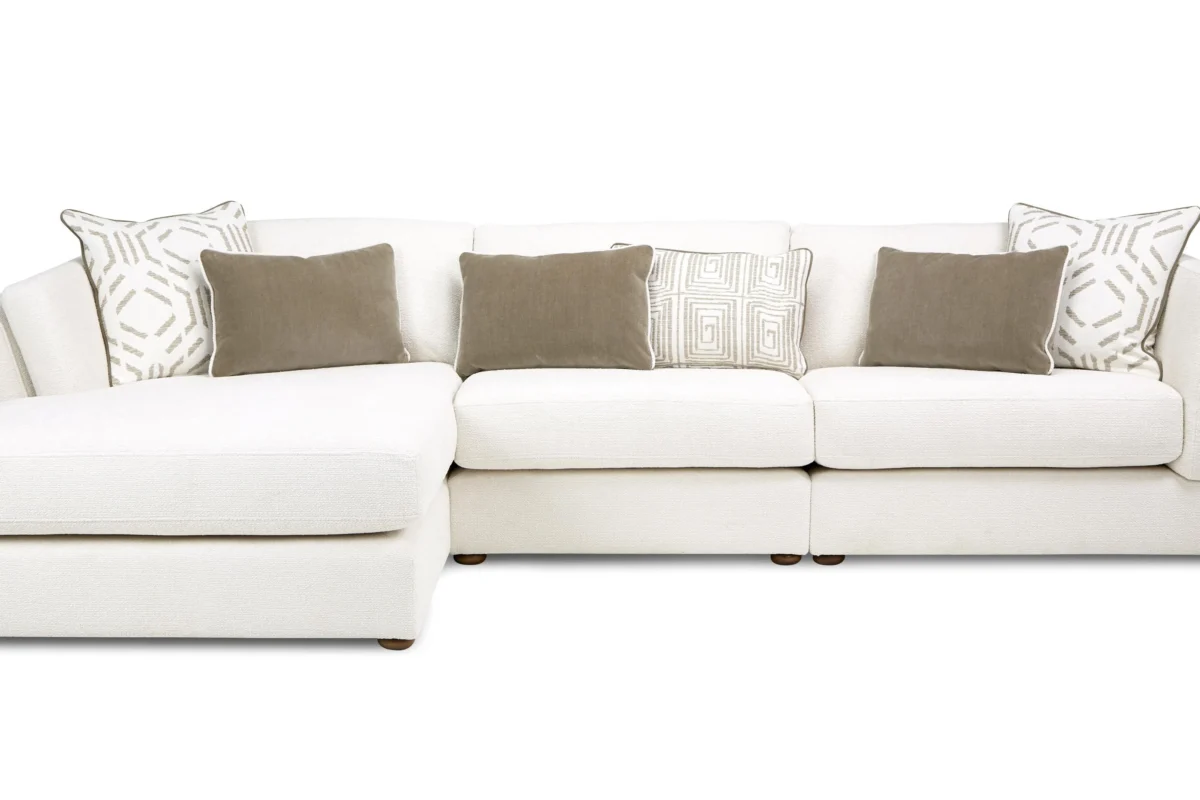
When it comes to creating a centerpiece that blends comfort with sophisticated design, the large chaise sofa stands unrivaled. Whether you’re furnishing a sprawling living room or a cozy apartment, this expansive piece offers a perfect balance of seating and lounging space, making it ideal for families, entertainers, and design enthusiasts alike. In this comprehensive guide, we’ll explore every facet of the large chaise sofa—from its defining characteristics to the nuanced decisions that ensure it fits seamlessly into your home.
Choosing the right chaise isn’t just about filling a void; it’s about shaping the flow of a room, setting a tone of elegance, and providing an inviting spot for relaxation or social interaction. By the end of this article, you’ll have the confidence to select, style, and maintain a large chaise sofa that elevates your interior design while meeting practical needs.
What Exactly Is a Large Chaise Sofa?
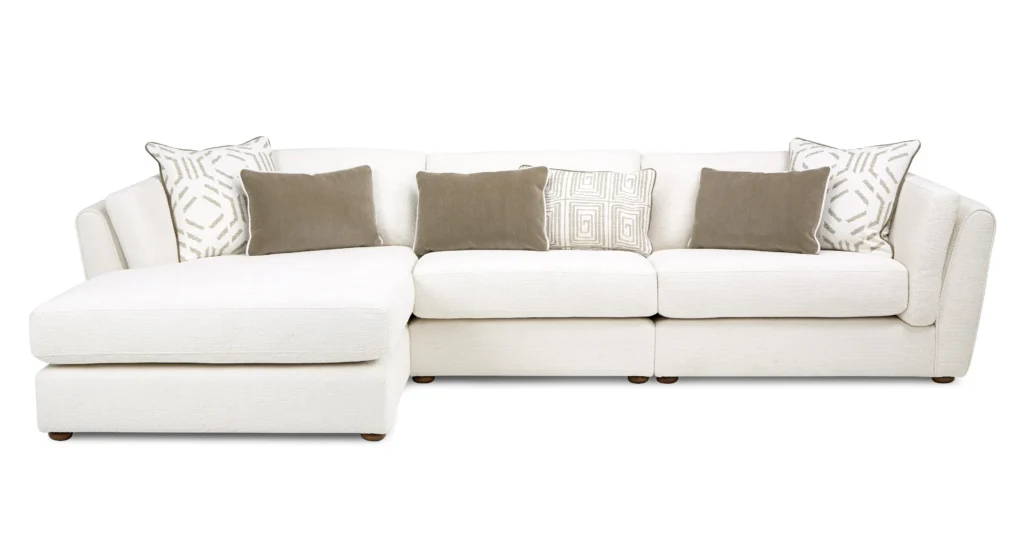
A large chaise sofa extends beyond the traditional two‑seat sofa by incorporating an elongated seat that allows users to stretch out fully. Unlike a standard loveseat or sectional, the chaise portion can range from a modest 5‑foot extension to a sweeping 9‑foot recline, offering ample space for lounging, reading, or even napping.
Designers often categorize large chaise sofas under three primary configurations:
- Freestanding Chaise: A single, standalone piece that can be positioned against a wall or floated in the center of a room.
- Chaise Sectional: Integrated into a larger sectional arrangement, providing a continuous flow of seating.
- Chaise with Built‑in Storage: Featuring hidden compartments for blankets, magazines, or remote controls.
Key Design Elements That Define Luxury
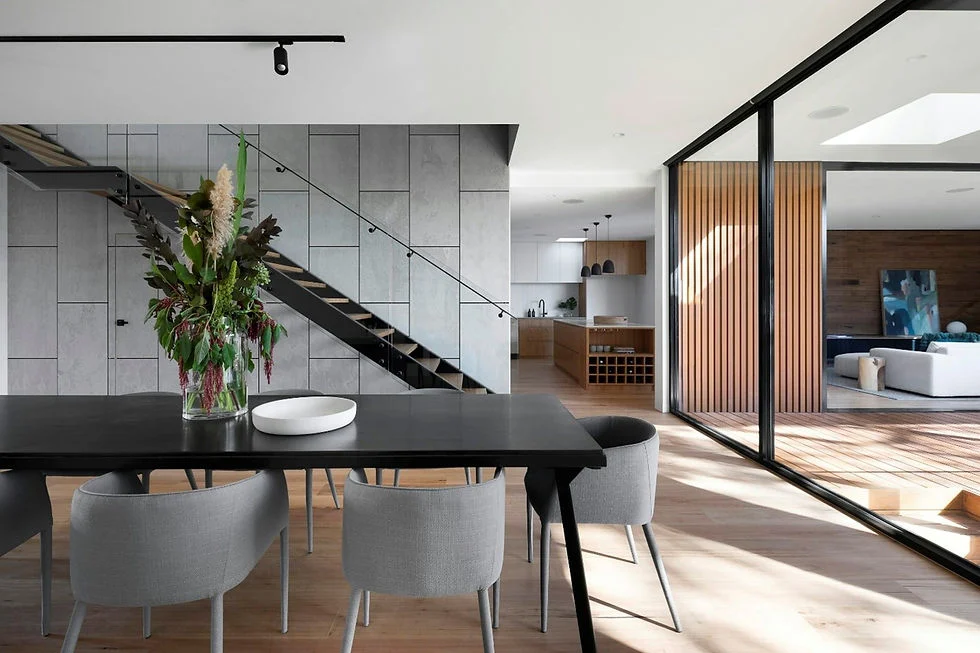
Luxury isn’t solely about size; it’s a combination of proportion, materials, and subtle details that together create an elevated aesthetic. Below are the critical elements to consider when evaluating a large chaise sofa.
Proportional Balance
The chaise should harmonize with the room’s scale. A 9‑foot chaise in a modest 12‑by‑14‑foot living room can overwhelm the space, while a 5‑foot chaise in a grand atrium may look underwhelming. Aim for a visual balance where the chaise occupies roughly 30‑40% of the room’s length.
Frame Construction
Premium frames are typically built from kiln‑dried hardwoods such as oak, maple, or beech. These woods resist warping and provide a sturdy foundation that supports heavier upholstery without sagging over time.
Upholstery Choices
High‑end fabrics like linen, velvet, and top‑grain leather not only feel luxurious but also offer durability. When selecting upholstery, consider the lifestyle of the household—pet‑friendly leathers or performance fabrics can be advantageous for busy families.
Support Systems
Look for eight‑way hand‑tied springs, sinuous steel coils, or high‑density foam cores. These support systems ensure consistent comfort across the chaise’s length, preventing “soft spots” where the cushion might compress more quickly.
Choosing the Right Size and Scale
Size selection is perhaps the most pivotal decision. Below are actionable steps to ensure the chaise fits your space perfectly.
Measure Your Room Accurately
Start by sketching a floor plan and marking the location of doors, windows, and other furniture. Allow at least 18‑inches of clearance around the chaise for easy movement. For larger rooms, consider a chaise that extends beyond the main seating area, creating a distinct lounge zone.
Consider Traffic Flow
The chaise should not obstruct natural pathways. In an open‑plan layout, position the chaise parallel to a wall or under a window to preserve sightlines and encourage fluid movement.
Match Existing Furniture
If you already own a sofa or sectional, choose a chaise that complements its depth and height. A mismatched height can disrupt the visual cohesion of the seating arrangement.
Material Choices and Their Impact on Longevity
The right material can dramatically affect both aesthetics and durability. Below is a quick guide to the most common upholstery options.
- Leather: Offers a timeless look and develops a patina over time. Full‑grain leather is the most durable but requires regular conditioning.
- Velvet: Provides a plush, soft touch with a rich sheen. Opt for polyester blends for easier maintenance.
- Linen: Breathable and casual, ideal for relaxed living rooms. Look for a high thread count to reduce wrinkling.
- Performance Fabrics: Engineered fibers (e.g., Sunbrella, Crypton) resist stains, moisture, and UV exposure—perfect for households with kids or pets.
Tip: Blend Style with Function
If you love the look of velvet but need durability, consider a performance velvet blend. This hybrid gives you the luxurious feel without the high maintenance.
Styling Tips for Different Interiors
A large chaise sofa can be the focal point or a subtle accent, depending on how you style it. Here are curated ideas for various décor themes.
Modern Minimalist
Choose a low‑profile chaise with clean lines, neutral upholstery (e.g., charcoal, taupe), and metal legs. Pair with a small‑space sectional guide that echoes the same sleek aesthetic for a cohesive look.
Mid‑Century Modern
Opt for a chaise with tapered wooden legs and a tufted back. Earthy tones like mustard or teal work beautifully with walnut frames. Add a vintage coffee table to complete the era‑specific vibe.
Coastal Retreat
Light, breezy fabrics such as linen or cotton in soft blues and whites evoke a beachy feel. Position the chaise near a large window to maximize natural light, and accessorize with woven poufs and nautical décor.
Luxurious Glam
Velvet upholstery in deep jewel tones, gold‑finished legs, and layered throw pillows create a dramatic effect. Pair with a mirrored side table and a statement chandelier for a high‑impact ensemble.
Practical Family Living
Performance fabrics in darker hues hide spills and stains. Incorporate a chaise with built‑in storage to keep blankets and toys out of sight. Durable wooden or metal legs ensure the piece withstands daily use.
Maintenance and Care: Keeping Your Chaise Looking Fresh
Regular upkeep extends the life of your large chaise sofa. Below are straightforward maintenance routines tailored to different upholstery types.
Leather
- Wipe down with a soft, damp cloth weekly.
- Apply a leather conditioner every 3–4 months to prevent drying.
- Address spills immediately with a pH‑balanced cleaner.
Velvet
- Brush the surface gently with a soft upholstery brush to lift fibers.
- Spot‑clean using a mild detergent solution; avoid saturating the fabric.
- Steam lightly to restore the plush pile, but test on an inconspicuous area first.
Performance Fabrics
- Use a handheld vacuum with an upholstery attachment for daily dust removal.
- For stains, apply a fabric‑specific cleaner and blot—do not rub.
- Rotate cushions periodically to ensure even wear.
Buying Guide: What to Look For Before You Commit

Investing in a large chaise sofa is a significant decision. Use this checklist to navigate the buying process with confidence.
- Dimensions: Verify length, depth, and height. Compare these measurements against your floor plan.
- Frame Quality: Inspect for solid hardwood or reinforced metal frames.
- Comfort Level: Sit on the chaise; ensure the cushion offers adequate support without being too firm.
- Upholstery Durability: Ask about fabric warranties and cleaning instructions.
- Warranty & Return Policy: A reputable manufacturer should offer at least a 5‑year frame warranty.
- Customization Options: Many brands allow you to choose leg finish, fabric, and cushion firmness.
For an in‑depth look at how a chaise integrates into larger sectional arrangements, explore the Ultimate Guide to Large Sectionals with Chaise. It provides valuable insights on pairing your chaise with complementary pieces for a unified living‑room masterpiece.
When you’re ready to see real‑world examples, the Cambri 2‑Piece Sectional with Chaise showcases a modern blend of style, comfort, and function that can inspire your own design choices.
Ultimately, the perfect large chaise sofa reflects both your aesthetic preferences and functional needs. By paying close attention to size, materials, design details, and care requirements, you’ll select a piece that not only enhances your living space today but also remains a timeless centerpiece for years to come.
