 Admin
Admin
When a living room is arranged around a single piece of furniture, that piece inevitably becomes the room’s visual anchor. A well‑executed Design Sofa does more than fill space; it defines the ambience, dictates traffic flow, and influences how occupants experience comfort. Understanding the interplay of form, function, and material science is essential for anyone seeking to elevate a lounge area from ordinary to iconic.
Modern households demand flexibility. A sofa must accommodate movie nights, work‑from‑home setups, and spontaneous gatherings, all while maintaining a cohesive aesthetic. This dual requirement—versatility paired with style—has propelled Design Sofa practices into a sophisticated discipline that merges ergonomic research with cutting‑edge trends. In the sections that follow, we dissect the essential considerations that shape a successful Design Sofa, from proportion and upholstery to sustainability and placement strategies.
Before diving into specifics, it’s worth noting that a sofa is never an isolated element. Its success is amplified when coordinated with complementary pieces such as coffee tables, lighting, and even outdoor seating. For instance, pairing a sleek Design Sofa with smart coffee table ideas for small spaces can maximize functionality without crowding the floor plan. Likewise, the right rug or accent chair can reinforce the visual narrative you aim to convey.
Fundamental Principles of Design Sofa
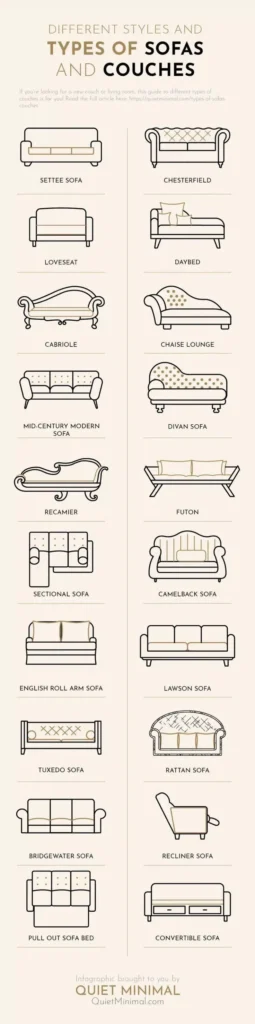
The first step in any Design Sofa project is to establish a clear set of design principles. These guidelines act as a roadmap, ensuring that every decision—whether about silhouette, cushion depth, or leg finish—aligns with the intended mood of the room.
Ergonomics in Design Sofa
- Seat Height: Ideal seat height ranges between 16 and 18 inches, allowing most users to sit and stand with minimal strain.
- Backrest Angle: A 100‑110° recline offers optimal lumbar support while still encouraging an upright posture for conversation.
- Cushion Density: Medium‑firm foam (30‑35 kg/m³) strikes a balance between plush comfort and long‑term resilience.
When ergonomics are baked into the Design Sofa, the piece transcends aesthetics and becomes a health‑conscious centerpiece. Studies show that proper seating can reduce lower‑back fatigue by up to 30 % during extended use.
Proportion and Scale in Design Sofa
- Room Size: In a modest 12‑by‑14‑foot space, a sofa width of 78‑84 inches typically leaves sufficient clearance for traffic.
- Visual Balance: Pair a bulky sectional with slender, tapered legs to prevent the room from feeling heavy.
- Height Harmony: Align the sofa’s top rail with adjacent armchairs or a console table to maintain a cohesive line.
Proportion is not merely a mathematical exercise; it’s an intuitive feel for how objects occupy visual space. A mis‑scaled Design Sofa can dominate a room, making it feel cramped, or conversely, disappear into the background, failing to make an impact.
Material Selection for Design Sofa
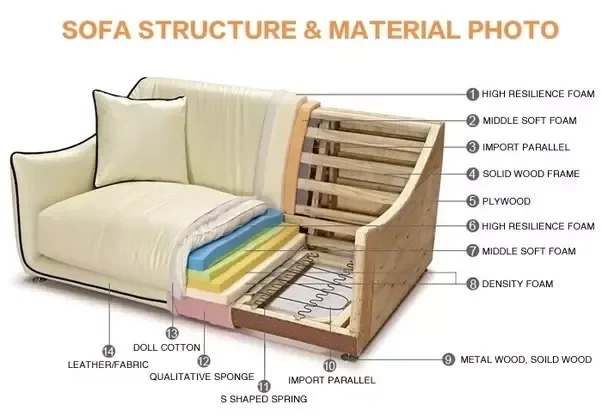
The choice of materials dictates durability, tactile experience, and environmental footprint. Modern consumers increasingly prioritize eco‑friendly options without compromising on luxury.
Upholstery Fabrics
- Natural Fibers: Linen and organic cotton offer breathability and a relaxed aesthetic, ideal for casual living rooms.
- Performance Textiles: Solutions like microfiber or solution‑dyed polyester resist stains and fading, making them perfect for households with children or pets.
- Leather Alternatives: Vegan leather, often derived from pineapple leaf fibers, delivers the sleek look of traditional leather with a reduced carbon footprint.
When selecting upholstery for a Design Sofa, consider the lifestyle of the occupants. High‑traffic areas benefit from fabrics with a high rub count rating (e.g., 10,000 + cycles), while a formal sitting room might favor sumptuous velvet for its visual depth.
Frame Construction
- Hardwood Frames: Kiln‑dried hardwoods such as oak, ash, or beech provide structural integrity and resist warping.
- Metal Reinforcement: Steel brackets and corner plates add extra rigidity, especially in modular designs.
- Joinery Techniques: Mortise‑and‑tenon or dowel joints enhance longevity compared to simple staples or nails.
A well‑engineered frame underpins the entire Design Sofa experience. Even the most sumptuous cushion will fail if the skeleton cannot bear daily loads.
Stylistic Trends Shaping Design Sofa
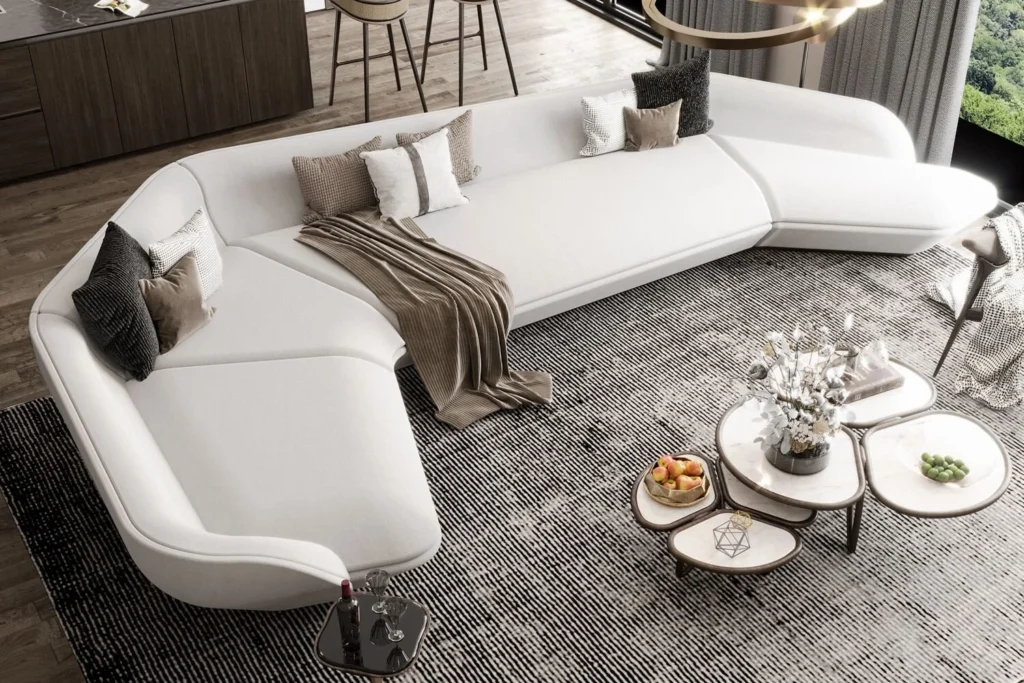
The landscape of Design Sofa evolves alongside broader cultural shifts. Keeping abreast of emerging trends ensures that your sofa remains contemporary for years to come.
Minimalist Profiles
Clean lines, low backs, and exposed legs characterize the minimalist approach. This style emphasizes negative space, allowing other décor elements—art, plants, lighting—to breathe. It’s a natural fit for open‑plan living areas where visual clutter must be minimized.
Modular Versatility
Modular sofas have exploded in popularity due to their adaptability. Sections can be rearranged to form L‑shapes, U‑shapes, or even isolated loungers, catering to evolving spatial needs. When planning a modular Design Sofa, consider the locking mechanism and the ease of reconfiguration.
Bold Accents
While neutrals dominate, designers are increasingly injecting bold colors or patterned fabrics as focal points. A deep navy or emerald green can anchor a palette, especially when paired with lighter accessories. For inspiration, explore the contemporary sofa design trends article that showcases daring yet refined color choices.
Integrating Design Sofa with Room Layout
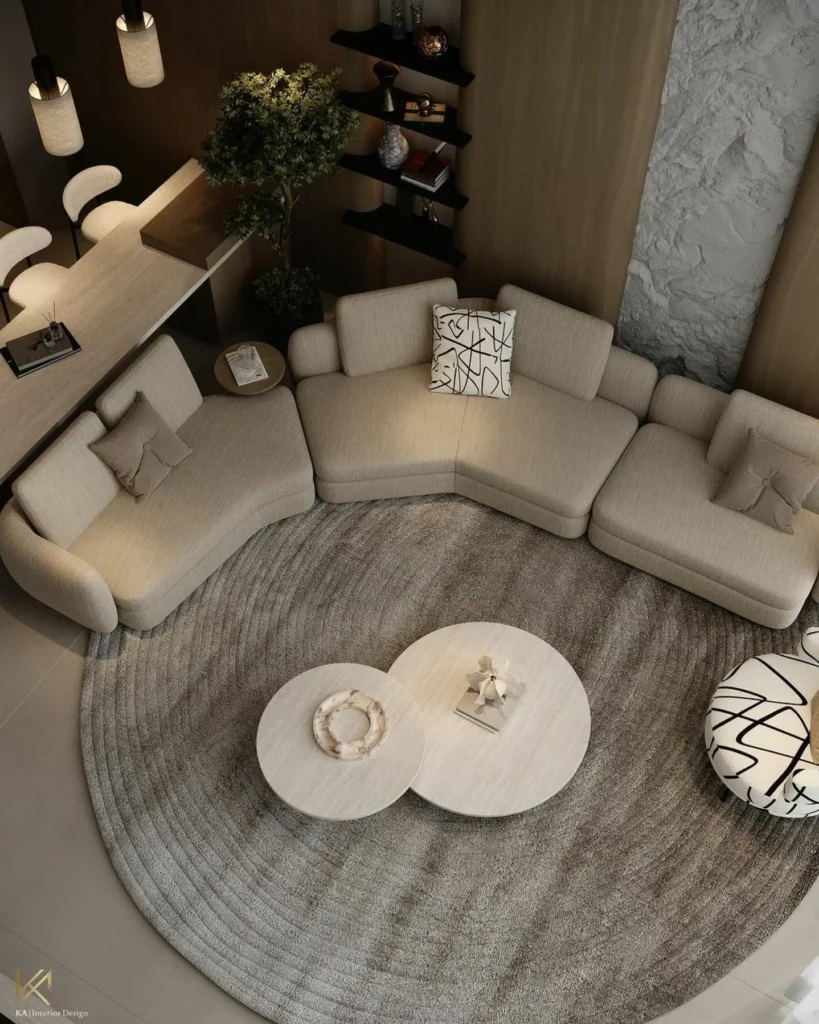
A sofa’s placement dictates the flow of a room. Effective layout enhances conversation zones, visual sightlines, and functional zones such as media viewing or reading nooks.
Facing the Focal Point
Most living rooms feature a focal point—often a fireplace, a large window, or a television. Position the Design Sofa to face this element, ensuring that seating is both comfortable and visually connected.
Creating a Conversation Triangle
Arrange two chairs and the sofa at roughly 120° angles to each other. This “conversation triangle” fosters natural eye contact while leaving ample space for movement. When space is limited, a chaise or ottoman can replace a third seat, preserving the triangular dynamic.
Zoning with Rugs and Lighting
Area rugs delineate seating groups. Choose a rug that extends at least 12‑18 inches beyond the sofa’s front legs to anchor the arrangement. Complement this with layered lighting—overhead fixtures for general illumination, floor lamps for reading, and accent lights to highlight artwork.
Sustainability Considerations in Design Sofa
Eco‑conscious consumers are demanding transparency in the supply chain. Sustainable Design Sofa practices encompass responsible sourcing, low‑impact manufacturing, and end‑of‑life recyclability.
Recycled Materials
- Reclaimed Wood: Using salvaged timber reduces demand for virgin lumber and adds a unique patina.
- Recycled Foam: Foam made from post‑consumer plastics can match the comfort of traditional foam while diverting waste.
- Metal Reuse: Recycled steel frames retain structural strength and cut carbon emissions.
Certifications to Look For
Seek out certifications such as FSC (Forest Stewardship Council) for wood, GREENGUARD for low VOC emissions, and OEKO‑Tex for textile safety. These labels provide assurance that the Design Sofa adheres to stringent environmental standards.
Maintenance and Longevity
A well‑cared sofa can outlive trends and remain a cherished family heirloom. Proper maintenance not only preserves aesthetics but also extends functional lifespan.
Upholstery Care
- Vacuum regularly with a soft brush attachment to remove dust and prevent fiber buildup.
- Rotate cushions every few months to ensure even wear.
- Address spills promptly using a blotting technique—press, don’t rub—to avoid setting stains.
Frame and Support Inspection
Check the frame annually for loose joints or worn springs. Tighten any loose screws and replace worn-out webbing or coil springs before they compromise comfort.
Professional Refresh
Every 5‑7 years, consider re‑upholstering the Design Sofa with new fabric or leather. This not only rejuvenates the look but can also incorporate upgraded foam cores for improved support.
Incorporating these maintenance habits ensures that your sofa remains both a functional seating solution and a design statement for decades. Whether you favor a timeless classic or a cutting‑edge contemporary piece, the principles outlined here provide a solid foundation for making informed, confident decisions.
Ultimately, the art of Design Sofa is a blend of science, craftsmanship, and personal expression. By respecting ergonomic fundamentals, choosing appropriate materials, staying attuned to evolving trends, and caring for the piece over time, you create a centerpiece that enriches daily living and reflects your unique style.