 Admin
Admin
In the ever‑shifting world of interior design, the sofa remains the cornerstone of any living room. Its shape, material, and placement can dictate the mood of an entire space, making the study of contemporary sofa design more than just an aesthetic exercise—it’s a functional necessity. Modern homeowners are no longer satisfied with generic, mass‑produced pieces; they seek sofas that reflect current trends, embrace innovative technologies, and adapt to diverse lifestyles.
Today’s contemporary sofa design blends clean lines with comfort, merging minimalist aesthetics with ergonomic engineering. Designers draw inspiration from architecture, technology, and even outdoor furniture, creating pieces that look at home in a high‑rise loft as well as in a suburban family room. Understanding the core principles behind these designs equips you to make informed decisions that enhance both form and function.
Below, we delve into the defining characteristics of contemporary sofa design, explore material choices, discuss spatial considerations, and provide practical tips for integrating the perfect sofa into your living area.
Key Principles of Contemporary Sofa Design
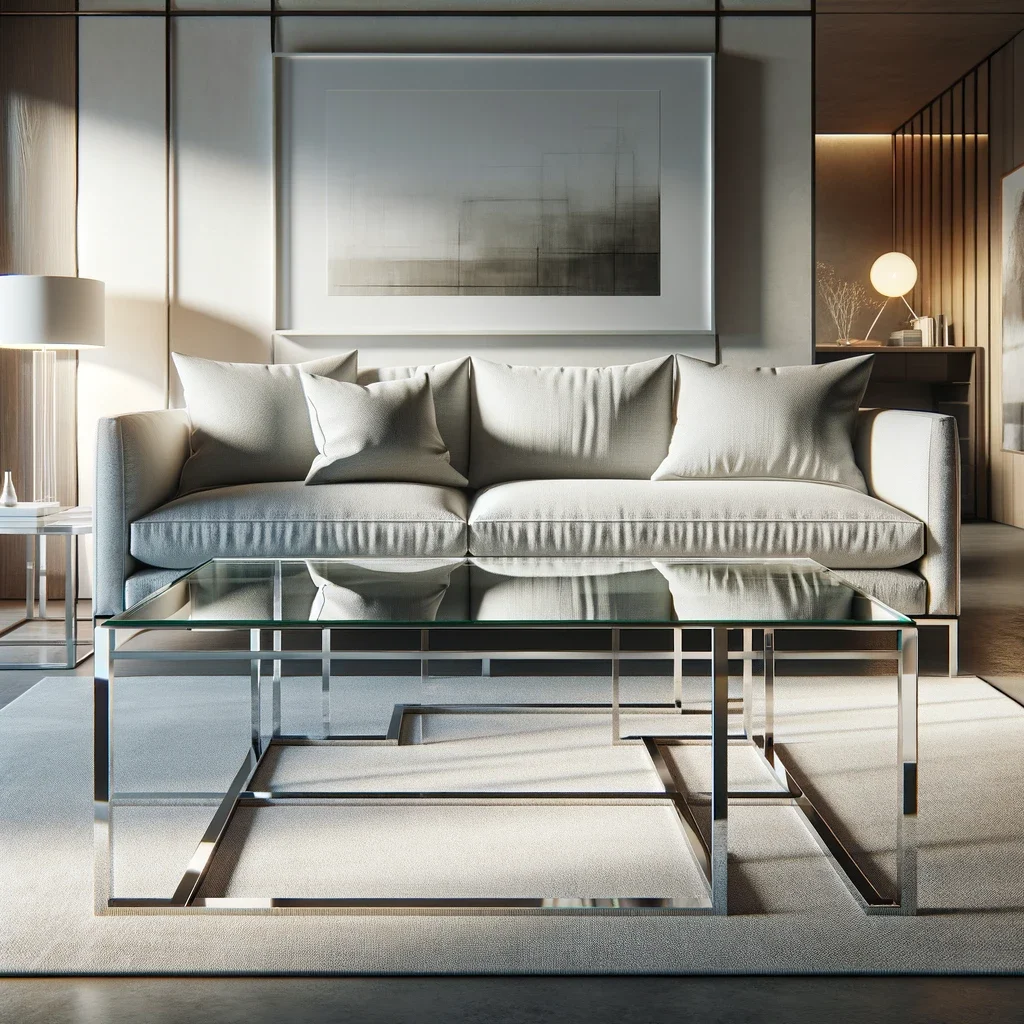
At its heart, contemporary sofa design adheres to a set of guiding principles that distinguish it from traditional or transitional styles. These principles influence everything from silhouette to upholstery and dictate how a sofa interacts with its surrounding environment.
Minimalist Silhouette
The hallmark of contemporary sofa design is a sleek, unadorned silhouette. Straight lines, low backs, and tapered legs create an airy feel that visually expands the room. This minimalism is not about stripping away comfort; instead, it emphasizes proportion and balance, ensuring the sofa feels light despite its substantial presence.
Function‑Driven Comfort
Ergonomics have taken center stage. Designers employ advanced foam cores, pocketed springs, and adjustable lumbar support to provide lasting comfort without compromising the visual simplicity. The result is a sofa that invites relaxation while maintaining its modern aesthetic.
Material Innovation
Contemporary sofa design pushes material boundaries. From sustainably harvested hardwood frames to high‑tech performance fabrics, the choice of materials reflects both environmental consciousness and a desire for durability. Look for recycled polyester blends, bio‑based leather alternatives, and modular components that can be reconfigured as needs evolve.
Integrated Technology
Some modern sofas incorporate built‑in charging ports, wireless speakers, and smart lighting. While not every piece needs these features, their inclusion signals the broader trend of furniture that adapts to a digitally connected lifestyle.
Choosing the Right Materials for Contemporary Sofa Design
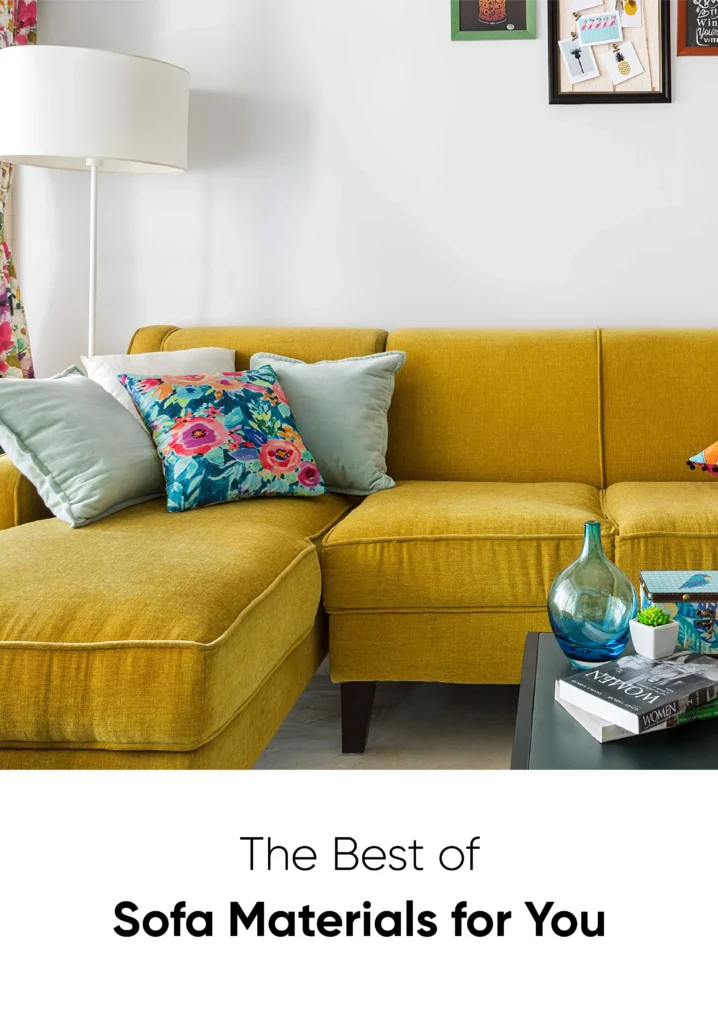
The tactile experience of a sofa is as important as its visual impact. Selecting the appropriate materials ensures longevity, comfort, and alignment with your design ethos.
Upholstery Fabrics
- Performance Textiles: Microfiber, polyester blends, and solution‑dyed fabrics resist stains, fading, and wear—ideal for high‑traffic households.
- Natural Fibers: Linen and cotton offer a relaxed, breathable feel, though they may require protective treatments in families with children or pets.
- Eco‑Friendly Options: Tencel, recycled polyester, and plant‑based leather provide sustainability without sacrificing style.
Frame Construction
A sturdy frame underpins any quality contemporary sofa. Kiln‑dried hardwoods such as ash, oak, or beech provide strength while minimizing warping. Some designers experiment with metal or engineered wood for a more industrial vibe, yet always reinforce joints with dowels, screws, or corner blocks for durability.
Cushion Fill
High‑resilience foam, memory foam, and down blends each bring distinct comfort levels. A layered approach—firm support core topped with a softer, plush layer—delivers the balanced feel characteristic of modern sofa design.
Spatial Planning and Layout Strategies
Integrating a contemporary sofa into a living area requires thoughtful planning. The sofa’s size, orientation, and relationship to other furnishings determine flow and visual harmony.
Scale and Proportion
Measure your space before selecting a sofa. In a compact apartment, a low‑profile sectional with a slim profile can anchor the room without overwhelming it. Conversely, a grand, deep‑seated sofa works well in expansive lofts, creating a focal point that balances open floor plans.
Modular Flexibility
Modular sofas epitomize the adaptability of contemporary sofa design. Individual pieces can be rearranged to form L‑shapes, U‑shapes, or separate seating islands, allowing you to reconfigure your layout for gatherings, movie nights, or quiet reading sessions.
Complementary Furniture
Pair your sofa with pieces that echo its clean lines. A glass‑top coffee table, for instance, maintains visual openness. For inspiration on complementary pieces, consider exploring coffee table ideas for small spaces to find smart, stylish solutions that harmonize with a contemporary sofa.
Color Palette and Finishing Touches

While neutral tones dominate contemporary sofa design, bold accents are increasingly popular. A monochrome gray or muted beige provides a versatile backdrop, allowing decorative pillows, throws, or artwork to inject personality.
Accent Strategies
- Pillow Mix‑And‑Match: Combine varying textures—velvet, woven, or faux fur—to add depth without disrupting the clean aesthetic.
- Throw Layers: A lightweight, draped throw in a contrasting hue can introduce warmth and visual interest.
- Metallic Accents: Brass or brushed steel legs subtly echo modern hardware trends.
Sustainability in Contemporary Sofa Design
Eco‑conscious consumers demand transparency in sourcing and production. Many manufacturers now publish carbon footprints, use reclaimed wood, and offer take‑back programs for end‑of‑life furniture.
Certifications to Look For
Seek out certifications such as FSC (Forest Stewardship Council) for wood, GOTS (Global Organic Textile Standard) for fabrics, and BIFMA for furniture safety and sustainability. These markers assure you that the sofa aligns with responsible manufacturing practices.
Maintenance and Longevity Tips
Even the most durable contemporary sofa benefits from regular care. Follow these guidelines to preserve appearance and function:
Routine Cleaning
Vacuum upholstery weekly to remove dust and debris. Spot‑clean spills promptly with a mild detergent and a soft cloth. For leather‑like finishes, a specialized cleaner maintains suppleness.
Seasonal Care
Rotate cushions every few months to prevent uneven wear. In humid climates, use a dehumidifier to protect wooden frames from moisture damage.
Professional Upkeep
Consider a professional upholstery service every few years for deep cleaning, re‑upholstering, or minor repairs. This investment extends the sofa’s lifespan and keeps it looking fresh.
Design Inspiration: Blending Indoor and Outdoor Aesthetics
Modern designers often borrow elements from outdoor furniture to create a seamless indoor‑outdoor flow. The clean lines of a contemporary Adirondack chair echo the low‑profile silhouette prized in contemporary sofa design, suggesting a unified aesthetic across your entire home environment.
By incorporating durable, weather‑resistant fabrics and sturdy frames, you can select a sofa that feels at home beside a patio door or within a sun‑filled conservatory, blurring the boundaries between inside and outside.
Ultimately, contemporary sofa design is a dialogue between form, function, and personal expression. Whether you opt for a sleek two‑seater, a modular sectional, or an eco‑friendly fabric option, the principles outlined above will guide you toward a choice that enriches your living space for years to come. Embrace the blend of minimalism and comfort, select materials that align with your values, and arrange your sofa thoughtfully to create a harmonious, inviting environment.
