 Admin
Admin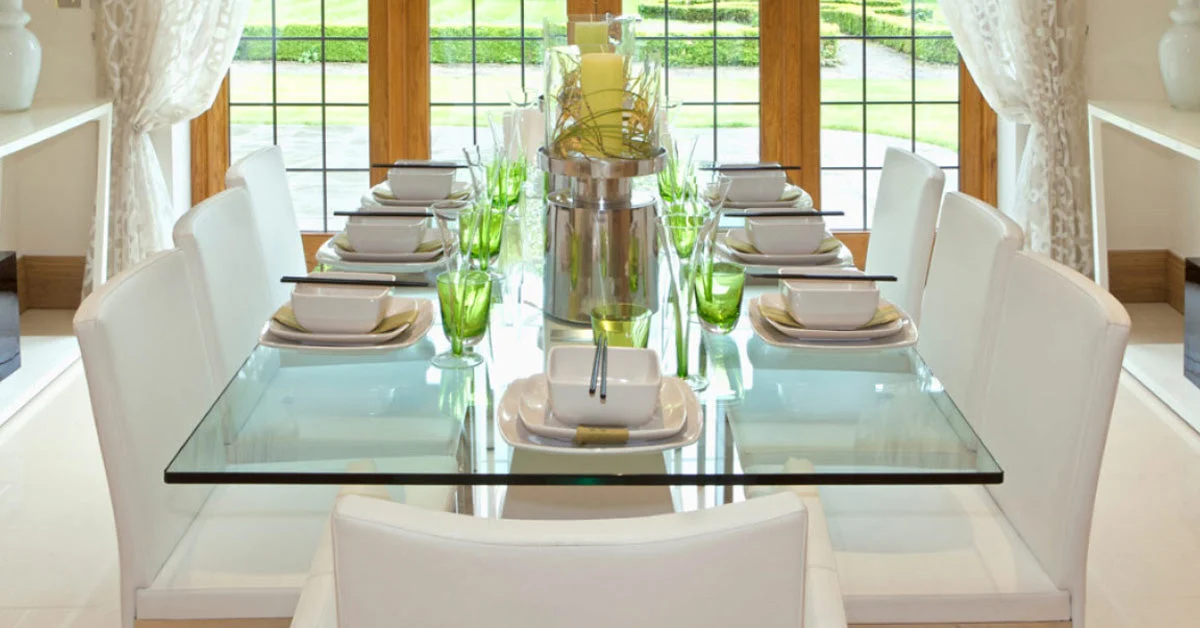
Glass-topped dining tables have become a staple in modern interiors, offering a sleek, airy look that can make even modest spaces feel expansive. Yet, the understated elegance of a clear glass surface depends heavily on the foundation that holds it up. The right Dining Room Table Bases for Glass Tops not only provide the necessary support but also enhance the overall aesthetic, contributing to the room’s visual balance and functional durability.
Choosing a base for a glass tabletop is more than a matter of style; it involves understanding load distribution, material compatibility, and the interplay between form and function. Whether you’re designing a new dining area or refurbishing an existing one, the base you select will influence everything from the table’s stability to the ease of cleaning and the harmony with surrounding décor.
Key Considerations When Selecting Dining Room Table Bases for Glass Tops
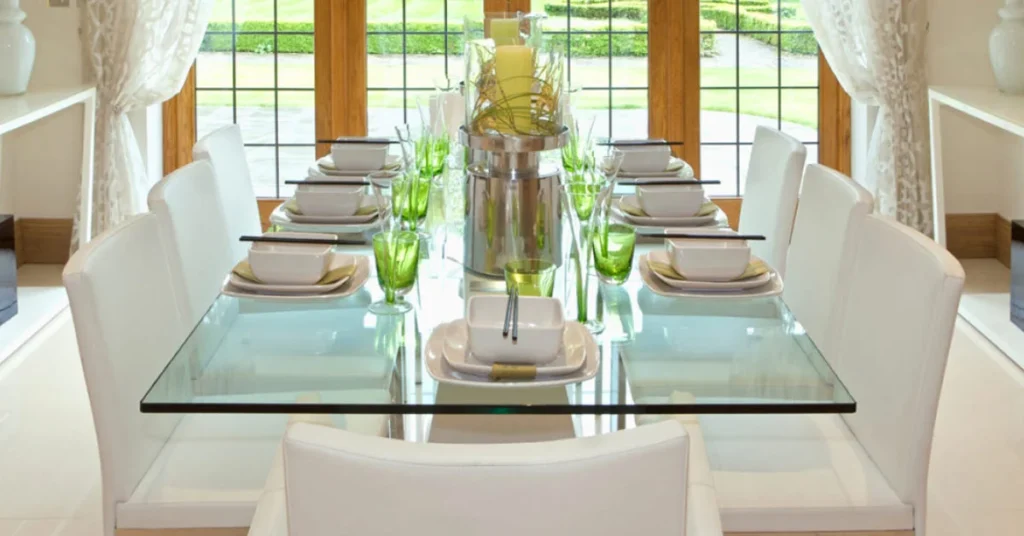
Before diving into specific designs, it helps to outline the fundamental criteria that make a base suitable for a glass top. These guidelines ensure that the finished piece is both beautiful and built to last.
Load Capacity and Structural Integrity
Glass tops, especially those made from tempered or laminated safety glass, can support a surprising amount of weight when properly supported. However, the base must distribute that weight evenly across the surface to prevent stress points that could lead to cracking. Look for bases rated for at least 150‑200 pounds, depending on the size of your tabletop.
Material Compatibility
The material of the base should complement the glass both visually and physically. Common options include:
- Solid wood – offers warmth and can be finished to match other wood elements in the room.
- Metal – provides a modern, industrial vibe; powder‑coated steel or brushed brass are popular choices.
- Stone or marble – adds a sense of permanence and pairs well with minimalist glass aesthetics.
- Mixed media – combining wood and metal can create a unique, layered look.
Stability and Footprint
A stable base reduces wobble, a frequent complaint with glass tables. Wider legs or a broader pedestal base tend to offer better balance. If your dining space is on a carpeted floor, consider bases with rubber pads or felt glides to prevent slipping and protect flooring.
Design Harmony
While the base must be functional, it should also resonate with the overall interior design theme. A sleek metal tripod works well in a contemporary setting, whereas a turned‑leg wooden base may be better suited to a traditional or rustic dining room.
Popular Styles of Dining Room Table Bases for Glass Tops
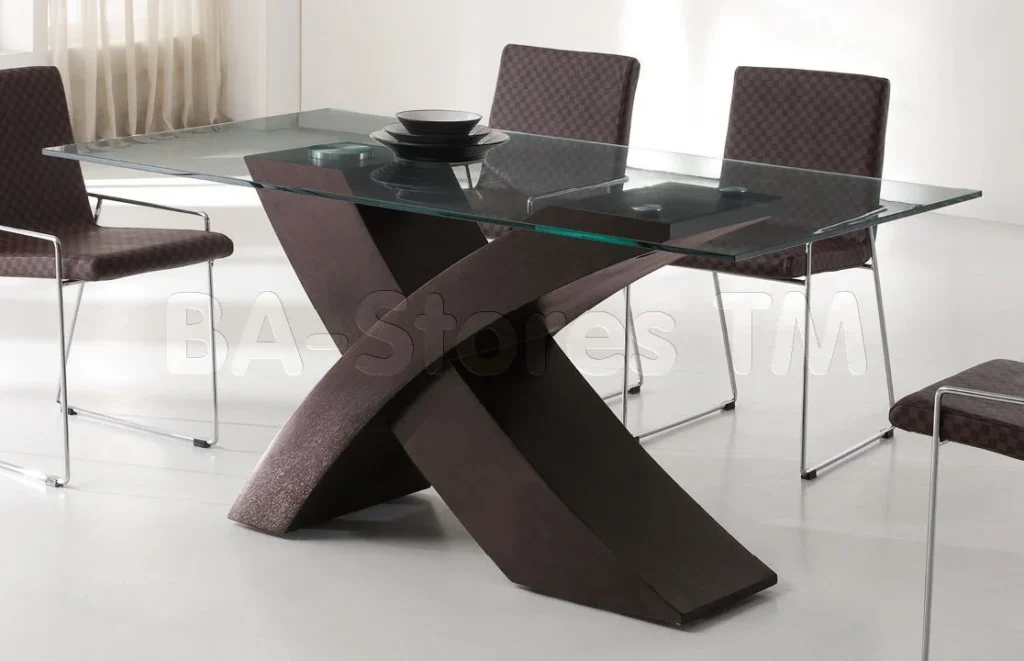
Understanding the range of available styles helps you match the base to your décor and personal taste. Below are some of the most sought‑after designs.
Pedestal Bases
Pedestal bases consist of a single central column that can be round, square, or sculptural. They free up legroom, making them ideal for smaller dining rooms where guests need to slide in and out comfortably. When paired with a glass top, a pedestal can create an elegant floating effect.
Four‑Leg Classic Bases
Traditional four‑leg bases remain a timeless choice. The legs can be straight, tapered, or carved, offering versatility across styles from mid‑century modern to farmhouse. For glass tops, ensure the leg spacing aligns with the glass’s support points to avoid uneven pressure.
Tri‑Leg and S‑Shaped Bases
Less common but striking, tri‑leg designs provide a unique silhouette while still offering stability. S‑shaped or serpentine legs add a fluid, artistic flair that can serve as a conversation piece, especially when the glass top reflects surrounding lighting.
Industrial Pipe Bases
Inspired by reclaimed factory elements, pipe bases combine metal tubing with a minimalist aesthetic. When combined with a clear glass surface, the industrial look becomes softened, creating a balanced contrast between raw and refined.
Finishing Touches: Enhancing the Look and Longevity of Glass‑Top Tables
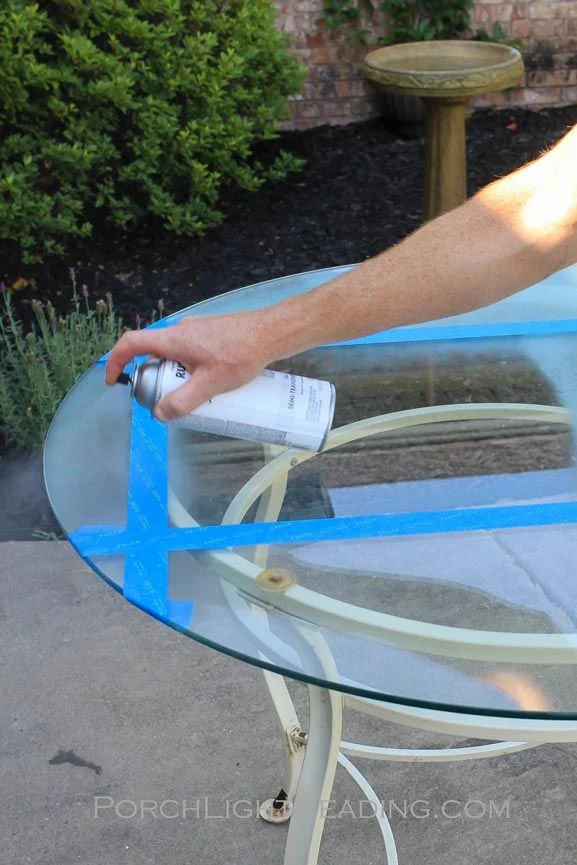
Once you have selected the perfect Dining Room Table Bases for Glass Tops, consider these finishing details to protect your investment and maintain its visual appeal.
Protective Pads and Glides
Rubber or felt pads on the base’s legs prevent scratches on hardwood floors and reduce noise. They also add a subtle layer of grip, minimizing the chance of the table shifting during meals.
Edge Polishing and Sealant
Even with tempered glass, the edges can become chipped over time. Regular polishing with a non‑abrasive glass polish will keep the edges smooth. For added protection, a thin sealant can be applied to the underside of the glass to reduce moisture absorption.
Coordinating Table Linens
Choosing the right tablecloth can enhance the glass top’s translucency while protecting it from spills. For design inspiration, see Design Table Cloth: Crafting Style, Function, and Elegance, which offers tips on selecting fabrics that complement glass surfaces without overwhelming them.
Lighting Considerations
Glass tops interact beautifully with lighting. Position pendant lights or chandeliers above the table to create dazzling reflections. If you prefer a softer ambiance, under‑cabinet LED strips can highlight the base’s material, especially with metal or stone finishes.
Maintenance Guide for Dining Room Table Bases Supporting Glass Tops
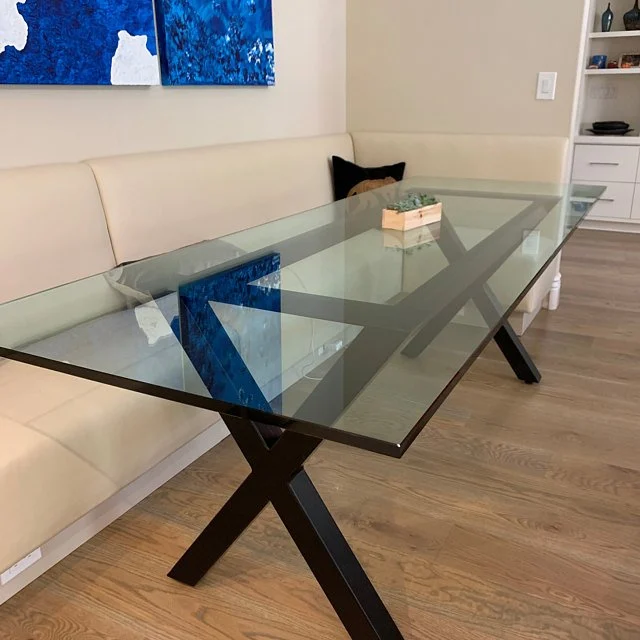
Regular upkeep ensures that both the base and the glass remain in pristine condition.
Cleaning the Base
Wipe down wooden bases with a slightly damp cloth and a wood‑safe cleaner. Metal bases benefit from a mild soap solution followed by drying with a soft cloth to prevent water spots. For stone or marble, use a pH‑neutral cleaner to avoid etching.
Cleaning the Glass Top
A mixture of distilled water and a few drops of dish soap works well for routine cleaning. For streak‑free shine, follow up with a glass‑specific cleaner or a solution of equal parts vinegar and water. Learn more about safe cleaning techniques in Cleaning Teak Furniture Vinegar – A Complete Guide.
Periodic Inspection
Check the attachment points where the glass meets the base every six months. Tighten any loose screws and ensure the glass sits evenly. If you notice any cracks or chips, replace the glass promptly to maintain safety.
Buying Guide: Where to Find Quality Dining Room Table Bases for Glass Tops
When shopping for a new base, consider the following sources:
- Specialty Furniture Showrooms – Offer a curated selection with knowledgeable staff who can advise on load capacity and design compatibility.
- Online Retailers – Provide a wider range of styles and price points. Look for detailed product specifications and customer reviews.
- Custom Millwork Shops – Ideal for bespoke designs, allowing you to match exact dimensions, finishes, and materials.
Don’t forget to request a sample or swatch of the finish to ensure it harmonizes with your existing décor. Many retailers also provide virtual design tools that let you visualize the base with your chosen glass top before purchasing.
In conclusion, the right Dining Room Table Bases for Glass Tops blend engineering precision with aesthetic nuance. By evaluating load capacity, material compatibility, stability, and design harmony, you can select a base that not only supports your glass surface securely but also elevates the overall ambience of your dining space. With proper maintenance and thoughtful coordination of lighting and textiles, your glass‑topped dining table will remain a striking centerpiece for years to come.
