 Admin
AdminFor many individuals with mobility challenges, the bathroom can feel like a maze of hazards. A simple task such as stepping into a shower often requires careful planning, extra time, and sometimes assistance from a caregiver. This is where a disabled shower chair becomes more than a convenience—it transforms the bathing experience into a safe, dignified, and independent routine. By providing a stable, supportive seat that can be used in wet environments, a disabled shower chair helps reduce the risk of slips, lowers the strain on joints, and encourages confidence for users of all ages.
Choosing the right chair is not a one‑size‑fits‑all decision. Factors such as material durability, weight capacity, adjustability, and anti‑slip features must align with the specific needs of the user and the layout of the bathroom. Moreover, the chair should integrate seamlessly with existing fixtures, whether the shower is a walk‑in, a bathtub with a shower head, or a tiled stall. Understanding these nuances is crucial for both the individual who will sit in the chair and the family members or caregivers responsible for installing it.
In this comprehensive guide, we will explore the essential aspects of disabled shower chairs, from design considerations and safety standards to maintenance tips and budgeting advice. By the end of the article, you will have the knowledge to select a chair that enhances safety, maximizes comfort, and fits within your home’s aesthetic.
Disabled Shower Chair: Key Features to Look For
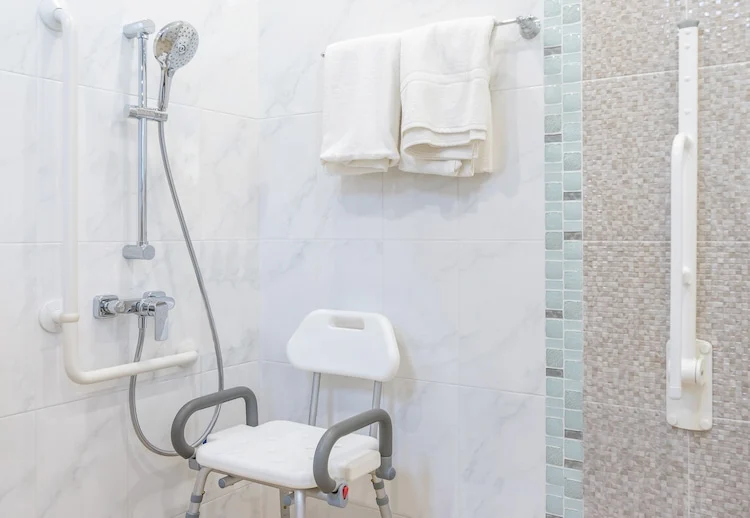
When evaluating a disabled shower chair, keep the following core features at the forefront of your decision‑making process. Each element addresses a specific safety or comfort concern, ensuring that the chair not only meets regulatory standards but also serves the daily needs of its user.
- Weight Capacity – Most chairs support between 250 lb and 500 lb. Verify the manufacturer’s rating and consider a margin of safety if the user’s weight is near the limit.
- Material Construction – Look for corrosion‑resistant aluminum or stainless‑steel frames combined with molded plastic or high‑density foam seats. These materials prevent rust and withstand constant exposure to water and cleaning agents.
- Anti‑Slip Surfaces – Textured footplates, rubberized legs, and non‑slip seat pads provide traction even on wet tile, reducing the risk of the chair sliding during use.
- Adjustable Height – Telescoping legs or pneumatic lifts allow the seat height to be customized, accommodating different shower thresholds and user leg lengths.
- Foldability and Storage – If bathroom space is limited, a fold‑away design can be stored when not in use without sacrificing structural integrity.
- Ease of Transfer – Features such as armrests, grab bars, or a low entry threshold make it easier for users to sit down and stand up safely.
Disabled Shower Chair Safety Standards
Compliance with safety standards is non‑negotiable. In the United States, many chairs adhere to the American National Standards Institute (ANSI) guidelines for bathroom safety equipment. Look for certifications that indicate the product has passed rigorous testing for load-bearing capacity, corrosion resistance, and stability on wet surfaces. International buyers should verify compliance with EN 14703 (European standard) or the equivalent local regulations.
Choosing the Right Disabled Shower Chair for Your Bathroom Layout

Every bathroom is unique, and the placement of a disabled shower chair must complement existing fixtures while preserving adequate clearance for movement. Below are common bathroom configurations and the recommended chair types for each.
- Walk‑In Showers – A sturdy, non‑folding chair with a wide base is ideal, as there is typically ample floor space. Ensure the chair’s legs are long enough to clear any built‑in shower benches.
- Bathtub Showers – A compact, foldable chair that fits within the tub’s interior is essential. Look for models with suction cup footpads to prevent sliding on the smooth tub surface.
- Tile‑Stall Showers – Anti‑slip rubber feet are critical. A chair with a smaller footprint can navigate the limited space without obstructing the shower curtain or door.
- Accessible Bathrooms with Grab Bars – Pair a disabled shower chair with existing grab bars for added support. Some chairs come with integrated side handles that can be secured to wall-mounted brackets.
Integrating a disabled shower chair into a cohesive bathroom design is also possible. For example, pairing the chair with cute bath rugs can enhance safety by providing a soft, non‑slippery landing surface when stepping out of the shower.
Disabled Shower Chair Installation Tips
Proper installation reduces the likelihood of accidents and extends the lifespan of the chair. Follow these practical steps:
- Measure the shower’s width, depth, and height to confirm the chair fits comfortably without obstructing the showerhead.
- Secure any suction cups or anchoring mechanisms according to the manufacturer’s instructions. Test the grip on a dry surface before using the chair in a wet environment.
- Place a non‑slip mat or bath rug beneath the chair if the floor is particularly smooth; this adds an extra layer of friction.
- Check for any protruding screws or sharp edges that could cause injury, and file them down if necessary.
- Conduct a “dry run” where the user practices sitting and standing without water to ensure the height and armrests feel comfortable.
Maintenance and Longevity of Your Disabled Shower Chair

Regular upkeep is essential for preserving both safety and appearance. Most chairs can be cleaned with mild soap and water; avoid abrasive cleaners that could damage anti‑slip coatings. After each use, wipe down the frame and seat to prevent mineral buildup, especially in hard‑water areas. Periodically inspect the chair for signs of wear, such as cracked plastic seats or loosened bolts, and replace parts promptly.
Disabled Shower Chair Buying Guide: Budget Considerations
Pricing varies widely, ranging from $80 for basic foldable models to $400 for premium chairs with hydraulic lifts and custom upholstery. When budgeting, consider the long‑term value of durability and safety features rather than focusing solely on the upfront cost. A higher‑priced chair that lasts longer and offers superior stability may ultimately be more economical.
Here are three price brackets to help you navigate options:
- Economy ($80‑$150) – Lightweight plastic frames, basic anti‑slip feet, limited height adjustment.
- Mid‑Range ($151‑$250) – Aluminum frames, molded foam seats, adjustable height, optional side arms.
- Premium ($251‑$400+) – Stainless‑steel construction, hydraulic lift, padded upholstery, integrated grab bars.
Enhancing Overall Bathroom Accessibility
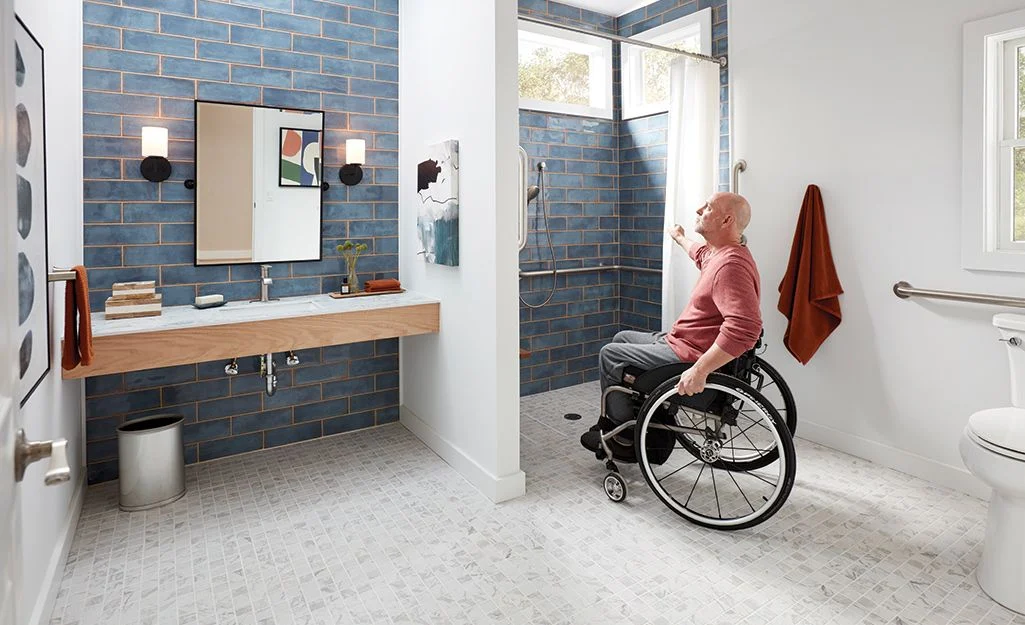
While a disabled shower chair is a cornerstone of safe bathing, it works best as part of a broader accessibility strategy. Consider adding the following accessories to create a fully supportive environment:
- Hand‑held shower heads with flexible hoses for easier reach.
- Non‑slip floor treatments such as textured tiles or anti‑slip coatings.
- Wall‑mounted grab bars positioned at both the entry and exit points of the shower.
- Adjustable shower benches for users who prefer a larger seating surface.
For inspiration on how to blend functionality with style, explore articles on bathroom décor and accessories. A cohesive design not only improves safety but also contributes to a pleasant, relaxing atmosphere.
Disabled Shower Chair Frequently Asked Questions
- Can a disabled shower chair be used on a bathtub ledge? – Yes, provided the chair’s legs are short enough to fit within the tub and the seat is designed for curved surfaces.
- Is it safe to use a disabled shower chair with a handheld shower head? – Absolutely. In fact, a handheld head offers greater flexibility, allowing the user to rinse without overreaching.
- How often should I replace my disabled shower chair? – Inspect the chair every six months. Replace it if you notice cracks, rust, or compromised anti‑slip components.
- Do I need professional installation? – Most chairs are designed for DIY setup, but if you’re attaching the chair to wall brackets or need custom modifications, consult a professional.
By addressing these common concerns, you can make an informed decision that aligns with the user’s comfort, safety, and independence.
In summary, selecting the right disabled shower chair involves evaluating weight capacity, material durability, anti‑slip features, and adjustability while ensuring the chair integrates smoothly with the existing bathroom layout. Regular maintenance and complementary safety accessories further enhance the overall bathing experience, allowing users to maintain dignity and autonomy. Whether you are a caregiver, a family member, or the individual seeking greater independence, the investment in a well‑chosen disabled shower chair pays dividends in safety, confidence, and quality of life.
