 Admin
AdminWhen it comes to creating a welcoming atmosphere at home, the dining surface often speaks louder than the menu itself. A well‑thought‑out everyday table setting can turn a routine family dinner into a moment of quiet elegance without demanding hours of preparation. It is not about elaborate ceremonies; it is about consistency, functionality, and a touch of personal style that reflects the rhythm of daily life.
Many homeowners underestimate the power of a cohesive arrangement of plates, glasses, and utensils. The result is often a cluttered surface that distracts from the food and conversation. By applying a few foundational principles, you can streamline the process, ensure each setting feels intentional, and still leave room for flexibility when guests arrive unexpectedly.
In this guide we will explore the essential components of an everyday table setting, discuss how to choose and place each element, and provide actionable tips that blend practicality with aesthetic appeal. Whether you dine at a compact kitchen island or a spacious rectangular table, the concepts outlined here will adapt to any layout.
Everyday Table Setting Basics: Foundation for Consistency

The first step toward a reliable daily arrangement is establishing a baseline that can be replicated with minimal effort. This baseline includes the core pieces that appear at every meal: a plate, a fork, a knife, a spoon, and a glass. By standardizing their positions, you eliminate guesswork and reduce the time spent setting the table each evening.
Everyday Table Setting Layout Guide
- Plate placement: Center the dinner plate 1–2 inches from the edge of the table. This creates a subtle border that frames the setting without feeling cramped.
- Flatware alignment: Position the fork to the left of the plate, the knife directly to the right with the blade facing inward, and the spoon to the right of the knife. This classic arrangement follows Western dining etiquette and reads naturally for most guests.
- Glass positioning: Set the water glass about 1 inch above the tip of the knife. If you regularly serve wine, place a wine glass to the right of the water glass, slightly lower.
- Napkin style: Fold the napkin into a simple rectangle and lay it either on the plate or to the left of the forks, depending on your aesthetic preference.
Adhering to these simple rules creates a clean, balanced look that feels both familiar and refined. Once the baseline is established, you can layer additional elements for seasonal flair or special occasions without disrupting the core structure.
Choosing Functional and Stylish Tableware
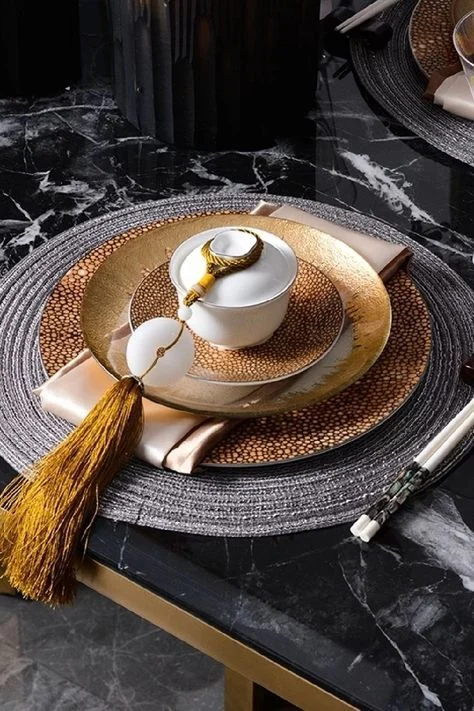
Tableware selection influences both the visual impact and the practicality of everyday dining. Durable materials such as stoneware or tempered glass can withstand frequent use, while still offering a polished appearance. When selecting a set, consider the following criteria:
- Material durability: Look for pieces that are dishwasher‑safe and resistant to chips. This reduces long‑term maintenance and ensures a consistent look over years.
- Size compatibility: Ensure plates, bowls, and glasses are proportionate to your table size. Oversized dinner plates can dominate a small surface, while undersized glasses may look lost on a larger table.
- Color palette: Neutral tones—white, ivory, or soft greys—provide a versatile backdrop for any cuisine and make it easy to incorporate seasonal accessories.
For those interested in adding a personalized touch, consider a subtle pattern or a textured rim. These details catch the eye without overwhelming the overall simplicity of the everyday table setting.
Integrating Accessories Without Clutter

Accessories such as placemats, chargers, and decorative elements can elevate the visual experience, but they must be used judiciously. Overloading the table with too many items defeats the purpose of a streamlined daily arrangement. Here are three guidelines to keep accessories purposeful:
Everyday Table Setting Accessories Checklist
- Placemat or charger: Use a low‑profile charger or a woven placemat to protect the tabletop and add a layer of texture. Choose a material that complements the table’s finish—linen for a rustic wood, or a sleek vinyl for a glass surface.
- Simple centerpiece: A single vase with fresh herbs, a small succulent, or a candle can provide visual interest. Keep the height under 6 inches to maintain sightlines across the table.
- Seasonal accents: Swap a patterned napkin or a set of coasters that reflect the season’s colors. This approach offers freshness without the need for a complete overhaul.
By limiting accessories to a maximum of three items per setting, you preserve an uncluttered aesthetic while still providing a touch of personality.
Adapting the Setting for Different Meals
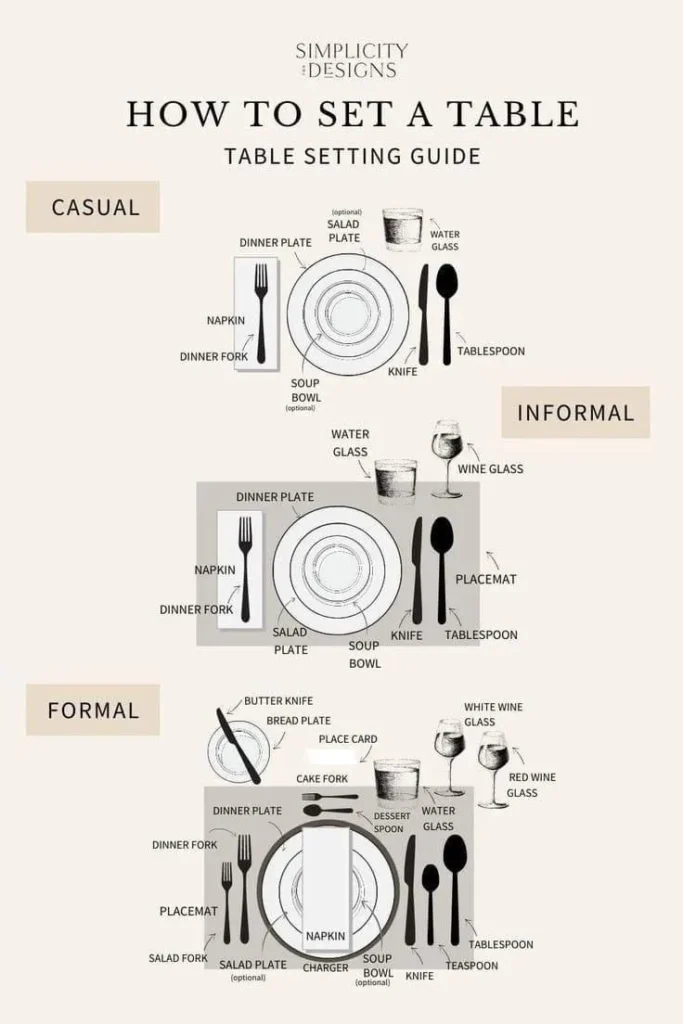
While the core layout remains constant, you may need to adjust for specific meal types. Breakfast, for instance, often requires a smaller plate and a coffee mug, whereas a formal dinner may call for multiple forks and glasses.
Consider creating a “menu‑based” cheat sheet that outlines the variations required for:
- Breakfast: Small breakfast plate, coffee mug, butter knife.
- Lunch: Standard dinner plate, knife, fork, water glass.
- Dinner: Charger, dinner plate, salad fork, dinner fork, knife, spoon, water and wine glasses.
This quick reference reduces decision fatigue and speeds up the set‑up process, especially on busy weekdays.
Maintenance and Refresh Strategies
Even the most thoughtfully arranged everyday table setting can lose its luster over time. Regular maintenance ensures that the table remains an inviting focal point. Follow these practices:
- Rotate accessories: Switch placemats and napkins every few weeks to prevent wear patterns.
- Inspect flatware: Look for tarnish or loose handles; polish stainless steel with a non‑abrasive cleaner as needed.
- Deep clean textiles: Launder cloth napkins and table runners on a gentle cycle to maintain softness and color vibrancy.
When it’s time for a refresh, consider subtle updates like a new set of glassware or a different charger material. Small changes keep the everyday table setting feeling current without a major investment.
Incorporating Personal Style Through DIY Projects
Personalizing your everyday table setting doesn’t have to mean purchasing new items. Simple DIY projects can add a unique flair that aligns with your interior design vision. For example, crafting custom coffee table legs or creating a bespoke table cloth can transform a plain surface into a conversation piece.
Even a modest effort like hand‑staining a set of wooden chargers or embroidering a set of napkins can make the everyday table setting feel curated. These projects also provide an opportunity to match the setting to other rooms, reinforcing a cohesive interior design narrative.
Balancing Functionality and Aesthetics for Small Spaces
Compact living areas often present challenges for table arrangement, yet the principles of an everyday table setting remain applicable. When space is limited, prioritize multi‑functional pieces:
- Stackable plates: Choose plates that nest neatly, freeing up storage while maintaining a uniform look.
- Foldable chairs: Keep chairs that can be tucked away when not in use, preserving floor space.
- Wall‑mounted storage: Install a slim rack for glasses and utensils to keep the tabletop clear.
These solutions allow you to uphold the same standards of presentation and order, even in a modest dining nook.
Final Thoughts on Crafting a Sustainable Everyday Table Setting
Creating a reliable everyday table setting is an exercise in balance—between habit and creativity, function and form. By establishing a clear baseline, selecting durable yet attractive tableware, and judiciously using accessories, you set the stage for meals that are both pleasant to look at and effortless to serve.
Remember that the goal is not perfection but consistency. A well‑executed setting should feel as natural as breathing, allowing the focus to shift back to the food and the conversation. As you experiment with seasonal accents, DIY touches, or small spatial adjustments, you’ll discover a rhythm that fits your lifestyle and reflects your personal aesthetic.
When the next dinner party arrives or the family gathers for a weekday supper, you’ll have a polished, welcoming environment ready in minutes—proof that thoughtful design can thrive in everyday moments.
