 Admin
Admin
When it comes to shaping the character of a living room, few pieces wield as much influence as a well‑crafted sofa. It is not merely a place to sit; it serves as the visual anchor, the conversation starter, and often the most used piece of furniture in a home. Understanding the nuances of sofa design can transform a generic seating area into a curated space that reflects personality, comfort, and timeless style.
Designers today balance aesthetic ambition with ergonomic science, sustainability, and evolving lifestyle needs. Whether you are redecorating a compact apartment or curating a sprawling family lounge, a deep dive into sofa design fundamentals equips you with the confidence to make decisions that will endure both visually and functionally for years to come.
Sofa Design: Trends and Fundamentals
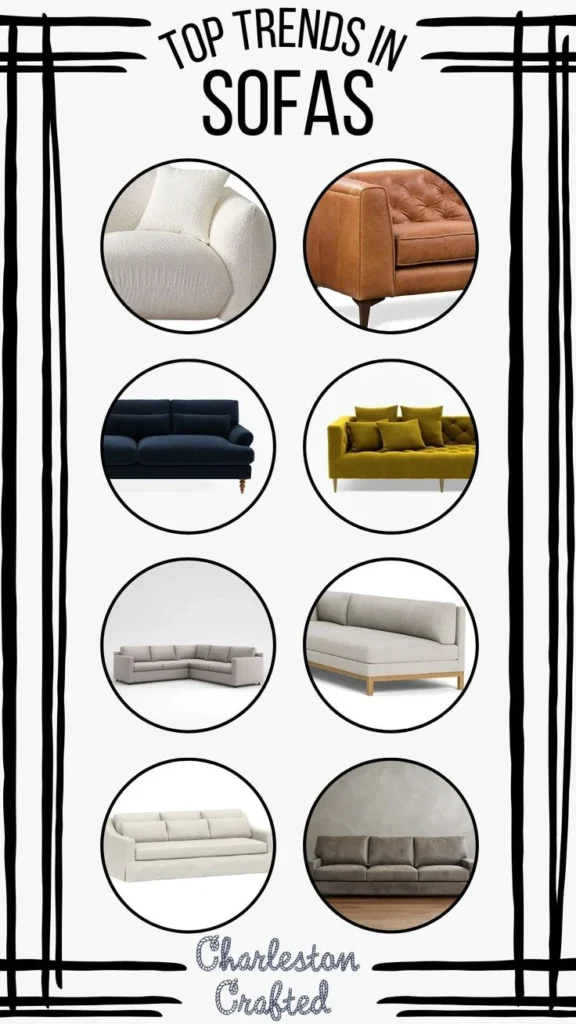
Modern sofa design is a dialogue between tradition and innovation. Classic silhouettes such as the Chesterfield or mid‑century teak frame continue to inspire, while contemporary interpretations push boundaries with modular configurations, sculptural forms, and bold material experiments. The current trend leans heavily toward versatility—pieces that can adapt to multipurpose living, remote work, and even indoor‑outdoor flow.
Materials play a pivotal role. Natural fibers like linen and cotton are celebrated for their breathability, whereas performance fabrics—microfiber, polyester blends, and treated leathers—offer stain resistance for households with children or pets. Meanwhile, sustainability drives a resurgence of responsibly sourced woods, recycled upholstery, and low‑VOC finishes that contribute to healthier indoor air quality.
Key Principles of Sofa Design
- Proportion and Scale: A sofa must complement the room’s dimensions. Oversized sectionals overwhelm small spaces, while a compact two‑seater can feel lost in a grand living area.
- Ergonomics: Seat depth, backrest angle, and cushion firmness directly impact comfort. The ideal seat depth typically ranges from 20‑22 inches for a relaxed lounge feel to 18‑20 inches for a more upright posture.
- Structural Integrity: High‑quality frames—often kiln‑dried hardwood—provide durability. Reinforced joints, such as mortise‑and‑tenon or dowel connections, resist wobble over time.
- Versatility: Modular modules, removable covers, and adjustable armrests allow the sofa to evolve with changing needs.
- Style Cohesion: The sofa’s design language should echo other elements in the room, from flooring to lighting, creating a harmonious visual flow.
Material Choices That Define Comfort and Longevity
Choosing the right upholstery involves more than color preference. Natural leather ages beautifully, developing a patina that adds character, yet it may require regular conditioning. Synthetic leathers, while more affordable and water‑resistant, can lack the tactile richness of genuine hide. For fabric lovers, consider side table decor ideas that complement the sofa’s texture—contrasting a plush velvet sofa with sleek metal side tables creates a balanced visual tension.
Beyond upholstery, the cushion fill dictates the sitting experience. High‑resilience foam offers firm support ideal for upright sitting, while down‑blend cushions provide a softer, sink‑in feel. Many premium sofas combine a foam core with a layer of down or fiberfill, delivering the best of both worlds.
Color and Pattern: Setting the Mood
Color psychology plays a subtle yet powerful role in sofa design. Neutral palettes—greys, beiges, and muted blues—offer flexibility, allowing you to swap accessories seasonally without a full redesign. Conversely, bold hues such as deep teal or burnt orange can become statement pieces, anchoring a room’s color story. When incorporating patterns, scale matters: large‑scale geometric prints suit spacious rooms, while small‑scale florals work well in cozier settings.
Integrating Sofa Design with Complementary Furniture
The relationship between a sofa and its accompanying pieces defines the room’s functionality. Pairing a sleek modern sofa table with a streamlined sofa creates a cohesive look, while a contrasting side table in reclaimed wood can inject warmth and texture. Similarly, selecting a modern sofa set that includes a coordinating armchair or ottoman extends seating options without sacrificing visual unity.
Modular vs. Traditional: Decision Factors
Modular sofas have surged in popularity due to their adaptability. They can be rearranged to form U‑shapes, L‑shapes, or even individual seating islands. This flexibility is perfect for open‑plan homes where the layout may shift for gatherings or daily routines. However, traditional sofas often provide a more defined silhouette and can be easier to position against walls or within alcoves. Consider your lifestyle, the room’s layout, and how often you anticipate reconfiguring the space before committing to a modular system.
Eco‑Friendly Sofa Design: Sustainability in Practice
Eco‑conscious consumers now demand transparency about the sourcing of materials. Look for certifications such as FSC (Forest Stewardship Council) for wood frames and GOTS (Global Organic Textile Standard) for fabrics. Recycled polyester fills and bio‑based foam alternatives further reduce environmental impact. Choosing a sofa that balances aesthetic appeal with responsible production contributes to a healthier planet and often results in higher-quality, longer‑lasting pieces.
Maintenance and Care: Preserving Your Investment
Regular maintenance extends a sofa’s lifespan. Vacuum fabric surfaces weekly to prevent dust buildup. For leather, use a pH‑balanced cleaner followed by a conditioning oil every six months. Removable cushion covers are a boon for households with kids; they can be laundered or spot‑cleaned as needed. Additionally, rotating cushions periodically ensures even wear, and placing protective pads under legs prevents floor scratches.
When you notice minor sagging, a professional re‑upholstery service can replace foam cores without discarding the entire piece. This approach aligns with sustainable practices, giving a beloved sofa a second life while maintaining its original design integrity.
In sum, mastering sofa design means appreciating the interplay of form, function, and feeling. By evaluating proportions, material performance, color dynamics, and environmental impact, you can select a sofa that not only meets today’s needs but also adapts gracefully to tomorrow’s trends. Whether you lean toward a timeless Chesterfield, a modular sectional, or a bold contemporary statement, the right sofa anchors your living space, inviting comfort, conversation, and lasting style.
