 Admin
Admin
When you’re designing or renovating a kitchen, the quest for instant hot water without sacrificing valuable square footage often leads homeowners to the point‑of‑use electric tankless water heater. Unlike traditional storage tanks, these compact units deliver hot water on demand right where you need it, making them an ideal solution for small apartments, busy families, and eco‑conscious cooks alike. In this comprehensive guide we’ll explore the technology, advantages, installation nuances, and maintenance practices that will help you decide whether a point‑of‑use electric tankless water heater is the right addition to your home.
Beyond the obvious space‑saving appeal, modern electric tankless units boast impressive energy‑efficiency ratings, rapid heating times, and a sleek design that can blend seamlessly with contemporary kitchen aesthetics. Whether you’re installing a single faucet under a sink or planning a multi‑point system for a sprawling kitchen island, understanding the fundamentals will ensure you get the most out of your investment.
How Point‑of‑Use Electric Tankless Water Heaters Work
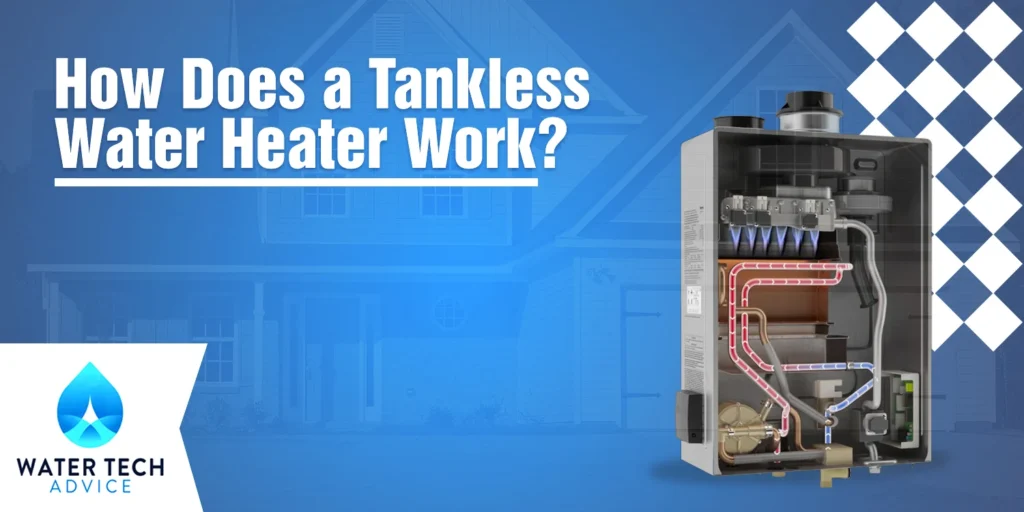
At the core of every point‑of‑use (POU) electric tankless water heater is a high‑wattage heating element that activates the moment cold water flows through the unit. The water passes over the element, which raises the temperature to a preset level before it reaches your faucet or appliance. Because there is no storage tank, the heater only consumes electricity when water is actually being used, eliminating standby losses associated with conventional tanks.
Instantaneous Heating
- On‑Demand Activation: Sensors detect water flow and instantly energize the heating element.
- Temperature Control: Most models feature digital thermostats that allow you to set precise outlet temperatures, typically ranging from 90°F to 140°F.
- No Lag Time: Hot water arrives within seconds, reducing the wasteful “cold water runoff” that plagues traditional systems.
Electrical Requirements
Because they rely on electricity rather than gas, POU tankless heaters demand a dedicated circuit with adequate amperage. A typical 5‑8 kW unit may require a 240‑V, 20‑30 A circuit, so it’s essential to verify your home’s electrical panel capacity before purchasing. In many cases, hiring a licensed electrician is the safest way to ensure compliance with local codes.
Flow Rate Limitations
Each unit has a maximum flow rate, usually expressed in gallons per minute (GPM). A 3‑GPM heater can comfortably serve a single kitchen faucet, while a larger 5‑GPM model might handle a dishwasher and a faucet simultaneously. Selecting a unit whose flow rating matches your peak demand prevents temperature drops during high‑use periods.
Benefits Over Traditional Water Heaters

Switching from a bulky storage tank to a point‑of‑use electric tankless system delivers tangible advantages that extend beyond the kitchen countertop.
Space Efficiency
- Compact Footprint: Most POU units measure less than 12 × 8 × 5 inches, allowing them to hide behind cabinets or under sinks.
- Versatile Placement: They can be installed in closets, utility rooms, or even inside a wall cavity, freeing up valuable floor space for countertops or appliances.
Energy Savings
- Zero Standby Loss: Energy is only used when hot water is required, often resulting in 20‑30 % lower utility bills compared to tank models.
- Reduced Heat Loss: Since water isn’t stored in a large insulated tank, there’s no heat loss through the tank walls over time.
Improved Water Quality
Because water spends less time in a tank, there’s a lower risk of bacterial growth, sediment buildup, and mineral scaling. This can translate to cleaner tasting water and a longer lifespan for your plumbing fixtures.
Key Features to Look For
Not all electric tankless heaters are created equal. When evaluating options, pay close attention to the following specifications to ensure you select a unit that meets your performance and durability expectations.
Power Rating (kW)
The kilowatt rating determines how quickly the unit can raise water temperature. Higher wattage equals faster heating but also higher electrical demand. Match the rating to your home’s circuit capacity and intended usage.
Temperature Range
Look for a heater offering a broad adjustable range, typically 90°F–140°F. Some models provide “boost” modes for occasional high‑temperature needs, such as sanitizing baby bottles.
Safety Mechanisms
- Over‑Temperature Protection: Automatically shuts off the element if the water exceeds safe limits.
- Leak Detection: Sensors can trigger an automatic shutdown if a leak is detected, preventing electrical hazards.
- Child‑Lock Controls: Prevents accidental temperature adjustments.
Warranty and Serviceability
A solid warranty—ideally five years or more—signals manufacturer confidence. Additionally, choose a model with easy‑access panels for cleaning and part replacement.
Installation Considerations
While point‑of‑use electric tankless water heaters are marketed as DIY‑friendly, several factors can make professional installation the wiser choice.
Electrical Capacity
Before you begin, confirm that your breaker panel can accommodate the unit’s amperage without overloading existing circuits. If upgrades are needed, a licensed electrician should handle the work to guarantee safety and code compliance.
Location and Clearance
The unit should be installed in a dry, well‑ventilated area with at least a few inches of clearance on all sides for airflow. Avoid placing it directly behind appliances that generate heat, such as a dishwasher, as this can affect performance.
Plumbing Connections
Most POU heaters use standard ½‑inch copper or flexible PEX fittings. Ensure the inlet and outlet pipes are securely tightened and consider installing a shut‑off valve for easy maintenance. If you’re integrating the heater into a kitchen island, coordinate with your countertop layout to hide the unit behind a decorative panel.
Integration with Kitchen Design
For those undertaking a larger kitchen remodel, a point‑of‑use electric tankless heater can be a subtle yet powerful addition. Pairing it with a stylish island can create a “hot‑water station” that serves a faucet, a built‑in coffee maker, and even a small dishwasher. For inspiration on how to make the most of your kitchen island, check out 10 Brilliant Kitchen Stove Island Ideas That Will Revolutionize Your Cooking Space and learn how to unlock the power of a kitchen island stove for a cohesive, functional layout.
Maintenance and Longevity

One of the biggest selling points of electric tankless water heaters is their low maintenance profile. However, a few simple steps can extend the unit’s life and keep performance at its peak.
Regular Descaling
If you live in an area with hard water, mineral buildup can impair the heating element. Descaling every 6‑12 months with a vinegar solution or a commercial descaling kit helps maintain efficiency. Follow the manufacturer’s instructions to avoid voiding the warranty.
Filter Cleaning
Many models include an inlet filter that traps debris. Remove and rinse this filter regularly—typically once a month—to prevent restricted flow and overheating.
Electrical Checks
Periodically inspect the power cord and connections for signs of wear or overheating. Tighten any loose terminals and replace frayed cords promptly.
Performance Monitoring
Modern units often feature LED indicators that display error codes. Keep the user manual handy to interpret these signals and address issues before they become major problems.
Choosing the Right Model for Your Kitchen

With a plethora of brands and specifications on the market, narrowing down the perfect point‑of‑use electric tankless water heater can feel overwhelming. Use the checklist below to guide your decision‑making process.
Assess Your Hot‑Water Demand
- Count the fixtures that will share the unit (e.g., kitchen faucet, dishwasher, coffee maker).
- Calculate the total flow rate needed during peak usage (GPM).
- Select a heater with a flow rating that meets or exceeds this demand.
Match the Power Rating to Your Electrical System
Review your home’s breaker panel and confirm that the amperage required by the heater won’t overload existing circuits. If in doubt, consult an electrician.
Consider Future Expansion
If you anticipate adding more fixtures or upgrading appliances, opting for a slightly higher capacity unit can future‑proof your setup.
Read Reviews and Verify Warranty
Customer feedback often reveals real‑world performance quirks. Look for models with strong ratings for reliability and responsive customer service. A robust warranty (5‑10 years) adds peace of mind.
Budget vs. Features
While budget‑friendly options exist, the cheapest unit may lack essential safety features or have a limited warranty. Weigh the long‑term savings from energy efficiency against the upfront cost.
By carefully evaluating these factors, you’ll be equipped to select a point‑of‑use electric tankless water heater that delivers consistent hot water, conserves space, and aligns with your kitchen’s design language.
In the end, the decision to install a point‑of‑use electric tankless water heater is as much about lifestyle as it is about technology. For homeowners who value immediate hot water, reduced energy consumption, and a clutter‑free kitchen, these compact units present a compelling solution that blends performance with aesthetic harmony.