 Admin
Admin
Apartment sized sectionals have become the go‑to solution for urban dwellers who crave the plush comfort of a full‑size sofa without sacrificing precious floor space. In cities where square footage is at a premium, choosing the right sectional can make the difference between a cramped, dysfunctional lounge and a welcoming, multifunctional living room. This guide dives deep into the nuances of selecting, arranging, and styling sectionals that are specifically engineered for smaller apartments.
Beyond simply fitting into tight corners, the right sectional can define the flow of a room, provide hidden storage, and even double as a guest bed. By understanding the core dimensions, modular options, and design principles, you’ll be equipped to create a living area that feels spacious, stylish, and uniquely yours. Let’s explore how to turn a modest footprint into a cozy sanctuary without compromising on comfort or aesthetics.
Why Apartment Sized Sectionals Outperform Traditional Sofas

Standard three‑piece sofas often dominate a room with bulky arms and deep seats, making it difficult to navigate around them in a compact layout. Apartment sized sectionals, on the other hand, are engineered with streamlined profiles, adjustable configurations, and space‑saving features that cater to the realities of modern city living.
- Modular Flexibility: Most sectionals can be re‑arranged into L‑shapes, U‑shapes, or even split into separate chairs, allowing you to adapt the layout as your needs change.
- Integrated Storage: Hidden compartments beneath the chaise or within the armrests provide discreet places for blankets, magazines, or remote controls.
- Low‑Profile Design: Slimmer backs and tighter seat depths free up vertical space, making the room feel taller.
- Multi‑Functional Elements: Many models feature pull‑out beds or reclining sections, perfect for unexpected guests.
Choosing the Right Size and Shape
Before you commit to a purchase, measure the available floor area carefully. A good rule of thumb is to leave at least 24–30 inches of clearance around the sectional for traffic flow. When evaluating dimensions, consider the following:
- Overall Length: In a typical studio (around 400–500 sq ft), an L‑shaped sectional of 85–95 inches works well without overwhelming the space.
- Depth of Seats: Opt for a seat depth of 20–22 inches if you prefer a more upright posture that conserves floor area.
- Height of the Back: A back height of 30–34 inches maintains a cozy feel without dominating the vertical plane.
Material Matters: Upholstery Choices for Small Spaces
The fabric you select influences both the visual weight and durability of your sectional. Light‑colored, low‑pile fabrics such as linen blends or performance microfiber can make a room appear larger, while darker hues add depth and hide stains. If you have pets or children, consider stain‑resistant, washable fabrics that maintain a fresh look over time.
Strategic Layouts for Maximum Efficiency
Effective placement is the cornerstone of making an apartment sized sectional work. Below are three proven layout strategies that enhance flow and functionality.
1. The Corner Anchor
Position the sectional in a corner to claim a defined zone while freeing up the center of the room for a coffee table, rug, or additional seating. This arrangement creates a natural “room within a room,” perfect for entertaining or binge‑watching your favorite series. Pair it with a low‑profile side table to keep the visual line clean.
2. The Floating L‑Shape
When your floor plan includes a large window or an open‑plan kitchen, floating the sectional away from the walls can balance the visual weight. Place the longer leg parallel to the window and the shorter leg facing the dining area, establishing a seamless transition between living and dining spaces. This layout also leaves ample room for a slim console table behind the sectional for décor or extra storage.
3. The Dual‑Seat Split
Some modern sectionals come as two separate sofas that can be spaced apart or pushed together. This flexibility allows you to create a conversational island in the middle of the room, flanked by a coffee table and floor lamp. When you need more open space, simply pull the pieces together to form a cohesive L‑shape.
Smart Styling Tips to Elevate Small Living Rooms
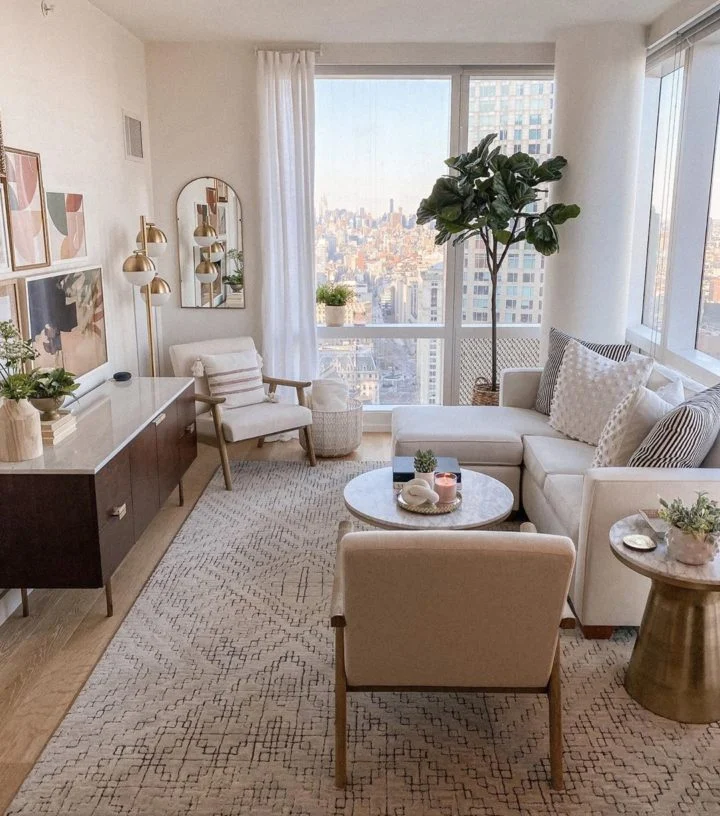
Beyond the sectional itself, thoughtful styling can amplify the sense of space and sophistication.
Use Rugs to Define Zones
A well‑chosen rug anchors the seating area and visually separates it from adjacent zones like a home office or dining nook. Choose a rug that is slightly larger than the sectional footprint—typically 5×8 feet for a modest living room—to create a balanced look. For inspiration on rug selection, check out our article on Key Features of the 6×9 Rug King Bed, which discusses how size and pattern affect room dynamics.
Layer with Throw Pillows and Blankets
Strategically placed pillows in varying textures and muted tones add depth without clutter. A lightweight, neutral blanket draped over the chaise can introduce a splash of color and provide extra comfort for chilly evenings.
Incorporate Vertical Elements
When floor space is limited, look upward. Tall floor lamps, slender bookcases, or a gallery wall of art draws the eye upward, creating an illusion of height. Choose lighting that offers both ambient and task illumination to keep the room functional and inviting.
Choosing the Right Sectional: A Buying Checklist
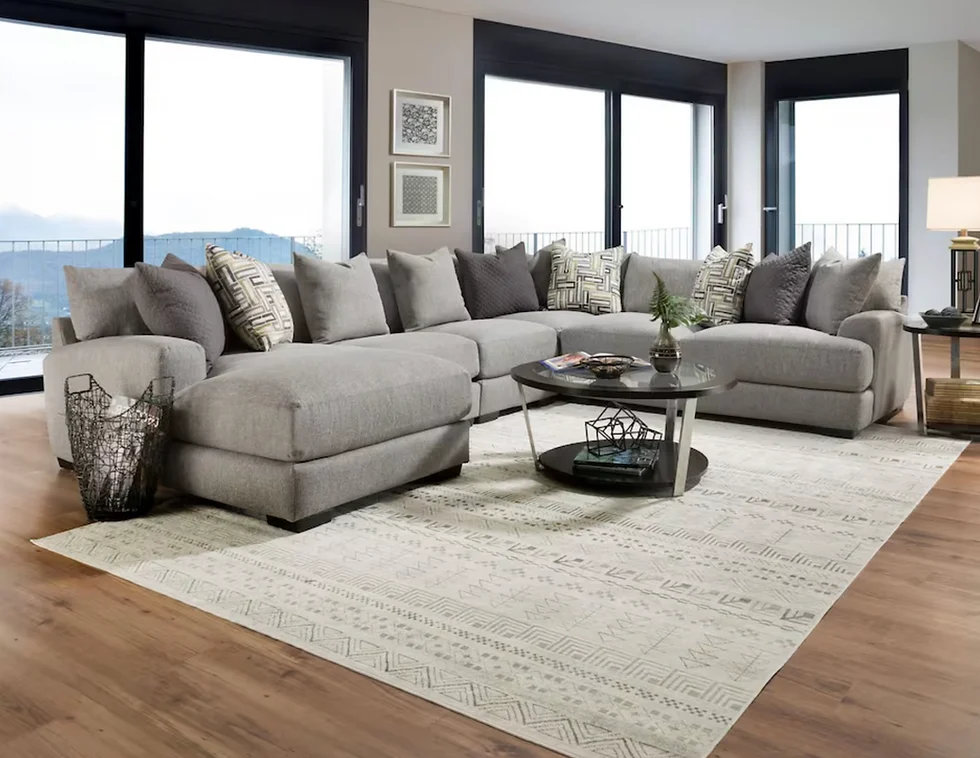
When you’re ready to purchase, keep the following checklist in mind to avoid buyer’s remorse.
- Measure Twice: Verify the sectional’s dimensions against your floor plan, accounting for doorways and elevator sizes.
- Test Comfort: Sit, recline, and lie down on the piece if possible. Check cushion firmness and back support.
- Assess Modularity: Ensure the sectional’s pieces can be rearranged to suit future layout changes.
- Check Warranty and Return Policies: A solid warranty protects your investment, especially for fabric durability and frame integrity.
- Read Reviews: Look for feedback on comfort, assembly ease, and long‑term wear.
For deeper insight into sectional selection, explore The Big Comfy Sectional Couch That Redefines Living‑Room Luxury, which evaluates high‑end options and their suitability for smaller spaces.
Maximizing Multifunctionality

Apartment sized sectionals can serve more than just a seating purpose. Consider these multifunctional upgrades to get the most out of your investment.
Hidden Storage Solutions
Many modern sectionals feature pull‑out drawers or lift‑top compartments. Use these to stash seasonal blankets, extra pillows, or even a compact bookshelf. This reduces the need for additional storage furniture, preserving floor space.
Integrated Sleeper Options
If you often host overnight guests, a sectional with a pull‑out bed or a fold‑out chaise can serve as a comfortable sleeping area without requiring a separate sofa bed. Look for models with a mattress thickness of at least 6 inches for adequate support.
Built‑In USB Ports and Power Outlets
Tech‑savvy renters appreciate built‑in charging stations. Some sectional designs incorporate USB ports or discreet power outlets in the armrests, allowing you to keep devices charged while keeping cables out of sight.
Maintenance and Longevity Tips

To keep your apartment sized sectional looking fresh for years, follow these simple care guidelines.
- Regular Vacuuming: Use a soft brush attachment to remove dust and debris from upholstery.
- Spot Cleaning: Attend to spills promptly with a mild detergent solution, testing on a hidden area first.
- Rotate Cushions: Flip and rotate seat cushions every few months to ensure even wear.
- Protect from Sunlight: Direct sunlight can fade fabrics; use window treatments or UV‑blocking curtains.
- Professional Cleaning: Schedule deep cleaning annually, especially for high‑traffic families.
For a broader perspective on how to protect furnishings in a compact home, you might enjoy reading Unlock the Power of a Sectional With Oversized Chaise, which offers insights on durability and style longevity.
Ultimately, the success of an apartment sized sectional hinges on thoughtful selection, strategic placement, and a cohesive design approach. By marrying form and function, you can transform a modest floor plan into a stylish, comfortable retreat that meets both aesthetic desires and practical demands. Whether you’re a first‑time renter, a seasoned city dweller, or simply looking to refresh your living area, the right sectional can be the cornerstone of a vibrant, livable home.
