 Admin
Admin
When it comes to creating a kitchen that feels both upscale and welcoming, countertops with oak cabinets form one of the most classic combinations. The warm, grain‑rich texture of oak provides a natural backdrop that can either highlight the sleek sheen of a stone surface or complement the rustic charm of a reclaimed wood countertop. Understanding how to balance these elements is essential for homeowners who want a cohesive aesthetic without sacrificing durability or functionality.
In this guide we will explore every facet of pairing countertops with oak cabinets—from selecting the ideal stone or engineered surface to mastering the installation process and keeping everything looking fresh for years. Whether you’re remodeling a traditional farmhouse kitchen or designing a modern loft, the principles outlined here will help you make informed decisions that reflect both style and practicality.
Before diving into specifics, it’s worth noting that oak cabinets themselves come in a range of finishes: light natural, medium‑stained, or deep espresso. Each finish interacts differently with various countertop materials, and the right pairing can either accentuate the natural grain or create a striking contrast that becomes the focal point of the room.
Choosing the Right Countertop Material
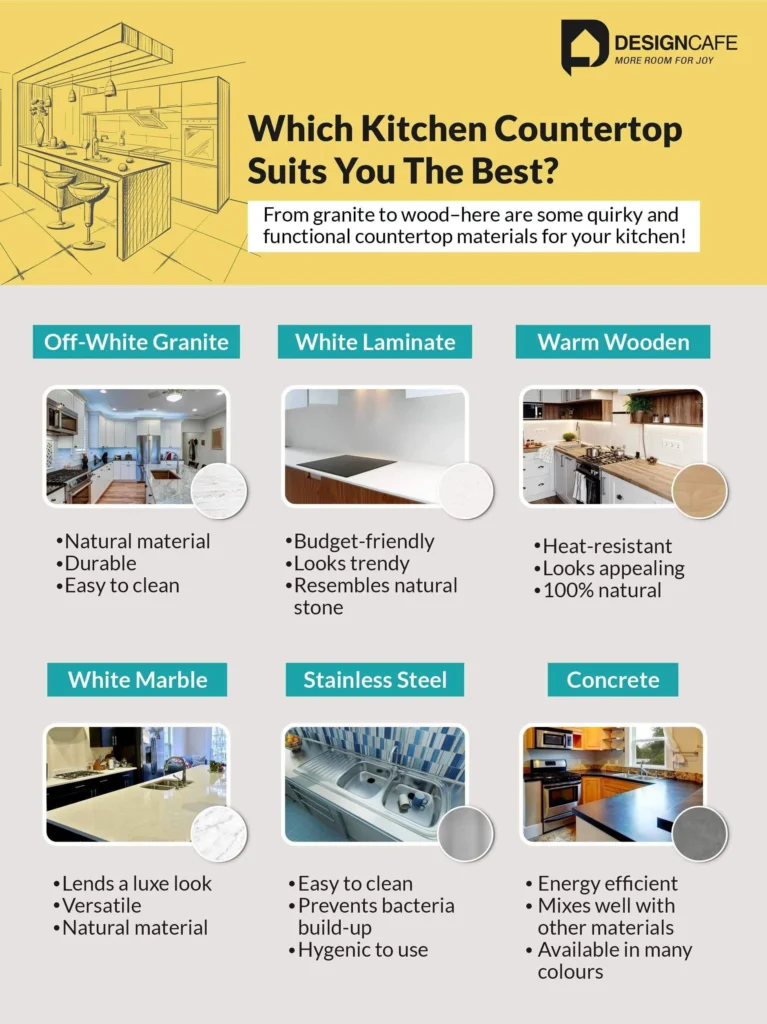
The first step in any successful kitchen design is selecting a countertop material that complements oak’s organic appeal. Below are the most popular options, along with their pros and cons.
Granite
- Durability: Extremely hard and resistant to scratches and heat.
- Visual Impact: Offers a natural speckled pattern that can echo the grain lines in oak.
- Maintenance: Requires periodic sealing to prevent stains.
Quartz (Engineered Stone)
- Consistency: Uniform color and pattern make it easy to match with any oak finish.
- Low Maintenance: Non‑porous surface means no sealing is needed.
- Design Flexibility: Available in matte, polished, and even concrete‑look finishes.
Soapstone
- Warm Tones: Naturally dark gray with subtle veining that pairs beautifully with medium‑stained oak.
- Age Patina: Develops a unique patina over time, adding character.
- Softness: Softer than granite, so it may scratch more easily, though scratches can be sanded out.
Butcher Block
- Continuity: Extends the oak theme across the countertop, creating a seamless look.
- Functionality: Ideal for food prep; can be sanded and resealed.
- Care: Requires regular oiling to prevent drying and cracking.
For a deeper dive into how material choices affect overall design, you might find the article Design Philosophy and Aesthetic Appeal especially insightful.
Harmonizing Oak Cabinets with Countertop Colors
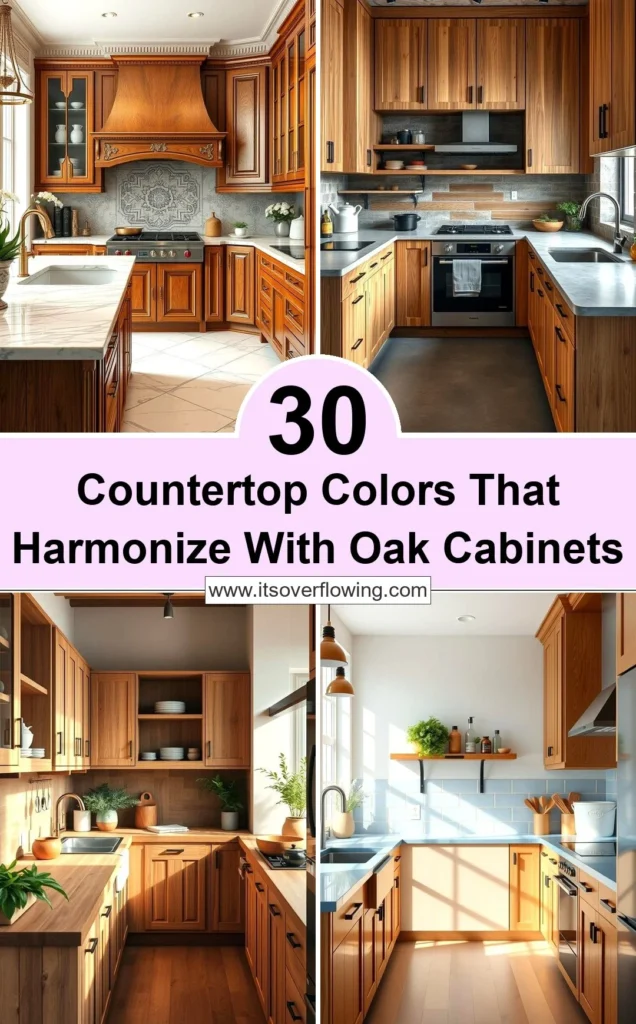
Color coordination is more than just picking shades that look good together; it’s about creating balance and flow. Here are three strategies to achieve visual harmony.
Contrast for Drama
Pair light‑finished oak cabinets with dark, dramatic countertops such as black granite or deep‑blue quartz. The contrast draws the eye and creates a modern, high‑end feel. Add brushed nickel hardware to keep the look cohesive.
Monochrome Harmony
Choose a countertop that mirrors the tone of your oak cabinets. For example, medium‑stained oak works well with warm beige quartz or honey‑colored marble. This approach yields a soothing, unified space that feels larger than it is.
Accent Through Edge Details
Even if the primary colors are neutral, you can introduce subtle accents through countertop edging—beveled, bullnose, or waterfall edges in a contrasting hue can add visual interest without overwhelming the natural beauty of oak.
If you’re curious about how oak cabinets can transform the entire kitchen aesthetic, see Discover How Medium Oak Cabinets Can Transform Your Kitchen Into a Stylish Haven for inspiration and real‑world examples.
Installation Considerations
Successful installation hinges on precise measurement, proper support, and an understanding of how oak cabinets and countertops interact during the build process.
Accurate Measurements
- Measure each cabinet opening twice—once from the front edge to the back wall, and again from the side wall to the opposite side wall.
- Allow a 1/8‑inch clearance on all sides to accommodate expansion.
Support and Reinforcement
Heavy stone countertops like granite require additional support beneath oak cabinets, especially over island sections. Use steel brackets or plywood gussets to prevent sagging over time.
Seam Placement
Strategically locate seams where they will be least visible. Aligning a seam with the edge of an island or a cabinet division can disguise it effectively.
Edge Matching with Cabinet Profiles
When the countertop edge meets a cabinet face, ensure the profile—whether it’s a simple straight edge or a decorative ogee—matches the cabinet’s style. This detail can elevate the overall sophistication of the space.
Maintenance and Longevity

Both oak cabinets and your chosen countertop will last decades if cared for properly. Below are maintenance routines tailored to common material pairings.
Cleaning Oak Cabinets
- Use a soft, damp cloth with a mild wood cleaner; avoid abrasive pads.
- Apply a food‑grade mineral oil or wax every 6–12 months to preserve the finish.
- Immediately wipe up spills to prevent water damage or staining.
Maintaining Stone Countertops
- Granite and marble: Seal every 12–18 months; use a pH‑neutral cleaner.
- Quartz: Clean with mild dish soap and water; no sealing required.
- Soapstone: Periodically oil with mineral oil to maintain its dark, rich tone.
Butcher Block Upkeep
Rotate cutting boards regularly to avoid uneven wear. Lightly sand any scratches and reapply a food‑safe oil to keep the surface sealed.
Design Trends and Inspiration

The kitchen design world is constantly evolving, but certain trends have solidified the partnership between oak cabinets and various countertop materials.
Mixed‑Material Surfaces
Combining two countertop materials—such as a quartz slab with a wooden butcher‑block extension—creates a functional work zone while preserving visual interest.
Eco‑Friendly Choices
Reclaimed oak paired with recycled glass countertops or sustainably sourced quartz offers a green alternative without compromising style.
Bold Backsplash Integration
Using a backsplash that mirrors the countertop’s color or pattern can tie the whole kitchen together, especially when the oak cabinets have a subtle finish.
For readers who love to blend function with bold aesthetics, the article Key Benefits of an Oversized Sectional With Chaise showcases how strategic design decisions can transform an entire living area—principles that translate well to kitchen spaces, too.
Finally, remember that the success of a kitchen remodel lies not just in the visual appeal but also in the practical execution. By carefully selecting a countertop that complements the hue and grain of your oak cabinets, planning the installation with precision, and committing to a consistent maintenance schedule, you set the stage for a space that feels both luxurious and lived‑in.
With the insights shared here, you are equipped to make confident choices that will enhance both the beauty and the functionality of your kitchen for years to come.
