 Admin
Admin
When it comes to furnishing a contemporary living area, the small sectional couch has emerged as the unsung hero of interior design. It combines the generous seating capacity of a traditional sectional with a footprint that respects the constraints of apartments, lofts, and small‑family homes. The result is a piece that delivers comfort, flexibility, and visual balance without overwhelming the room. In this guide we’ll explore the anatomy of a small sectional couch, examine why it outperforms standalone sofas, and provide practical advice on selecting, arranging, and caring for the perfect model.
Living‑room layouts have shifted dramatically in the past decade. Open‑plan concepts, multifunctional spaces, and the rise of remote work have forced homeowners to rethink how furniture can adapt to multiple uses. A small sectional couch answers that call by offering modular configurations, hidden storage, and a style language that can shift from sleek mid‑century modern to cozy farmhouse with ease. Below we dive deep into the factors that make this furniture piece a game changer for any interior.
Understanding the Core Benefits of a Small Sectional Couch

Before you start browsing catalogs, it helps to clarify the specific advantages a small sectional brings to a room. While a single sofa may appear simpler, the sectional’s design offers distinct functional and aesthetic benefits that can elevate an entire living space.
1. Efficient Use of Space
Because a sectional wraps around a corner or forms a “L” shape, it utilizes otherwise dead space that a traditional sofa would leave empty. This creates a natural conversation zone and frees up floor area for coffee tables, side tables, or even a compact home office setup.
2. Versatile Seating Arrangements
Many small sectionals are built with detachable or reversible modules. You can re‑configure a two‑piece sectional into a chaise lounge, a three‑piece into a U‑shaped family hub, or a single loveseat for a more intimate setting. This adaptability is especially valuable in homes where the layout may change seasonally.
3. Integrated Storage Solutions
Modern designs often incorporate hidden compartments beneath the seats or within the chaise. These spaces are perfect for storing blankets, magazines, or even board games, reducing clutter and keeping the living room tidy.
4. Cohesive Visual Flow
A sectional creates a continuous line of upholstery, which can make a room feel larger and more harmonious. When paired with a coordinated rug and coffee table, the effect is a seamless, gallery‑like composition that guides the eye around the space.
Key Design Elements to Look For

Selecting the right small sectional couch involves more than just picking a color you like. The construction, upholstery, and dimensions all play a role in how the piece will perform over time.
Frame Construction
- Solid wood vs. engineered wood: Solid hardwood frames (such as oak or maple) provide durability and resist sagging, while engineered wood offers a lighter, more budget‑friendly alternative.
- Joint reinforcement: Look for mortise‑and‑tenon or dowel joints, which indicate a higher‑quality build compared to simple stapled corners.
- Weight capacity: A good sectional should support at least 300 lb per seat without compromising comfort.
Spring System
- Eight‑way hand‑tied coils: This premium option offers superior resilience and even weight distribution.
- Sinusoidal springs: Common in mid‑range models, they provide a balanced feel while remaining affordable.
- Foam core: High‑density foam cores are lightweight and work well for occasional seating, but may lose shape quicker under heavy daily use.
Upholstery Choices
- Performance fabrics: Materials like Crypton, Sunbrella, or polyester blends resist stains, fade, and pet wear, ideal for families.
- Leather: Offers a sleek aesthetic and ages beautifully, though it can feel warm in hot climates.
- Velvet: Brings a touch of luxury and depth of color, perfect for a statement piece in a minimalist room.
Dimensions and Scale
Measure your room carefully. A small sectional typically ranges from 70 to 100 inches in total length, with a depth of 30 to 40 inches. Ensure there is at least 24 inches of clearance around the piece for traffic flow. If your space includes a dining area, consider a sectional that can double as a bench for extra seating during meals.
Styling Your Small Sectional Couch for Maximum Impact
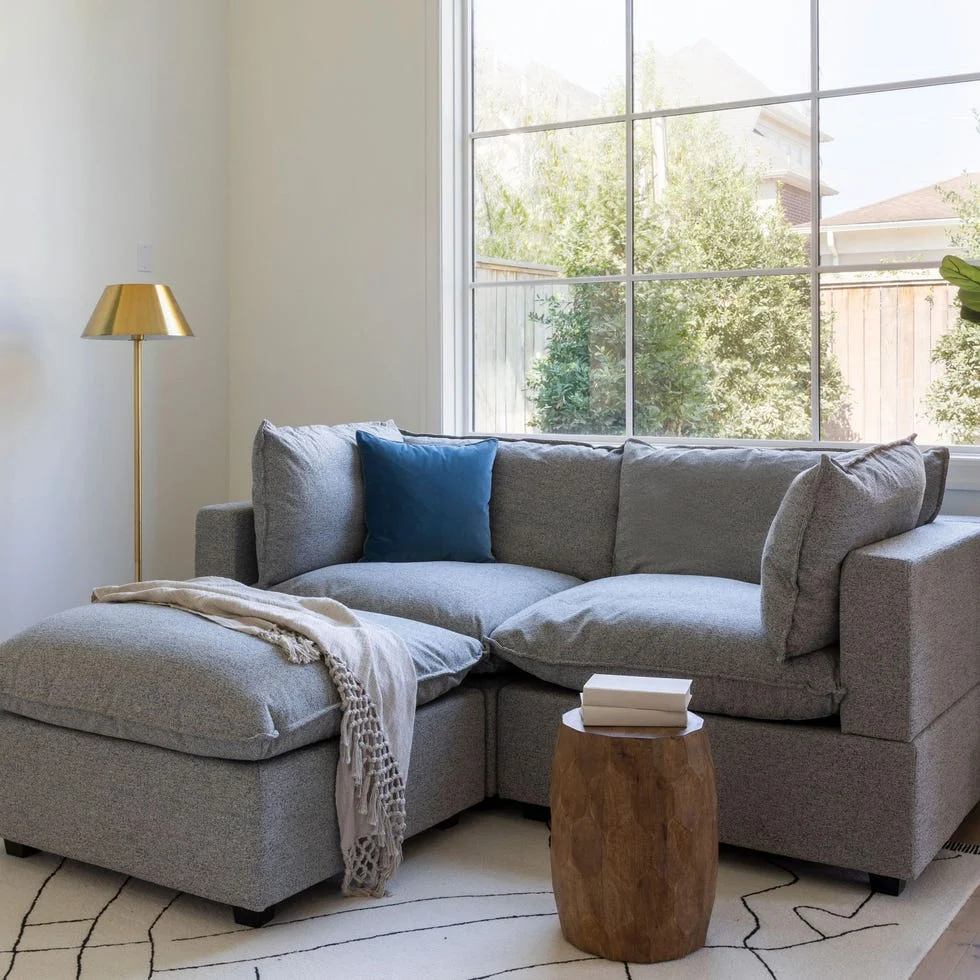
Once you’ve selected a model that meets your functional needs, the next step is to integrate it into your design narrative. Below are proven styling strategies that turn a simple couch into the centerpiece of your living room.
Creating a Balanced Layout
- Anchor with a rug: Choose a rug that extends at least 18‑24 inches beyond the sectional’s edges. This defines the seating zone and adds warmth.
- Layered coffee tables: Pair a low‑profile wood coffee table with a smaller metal side table for visual interest and practical surfaces.
- Symmetrical accessories: Place matching floor lamps or decorative trays on either side of the sectional to achieve a harmonious composition.
Incorporating Accent Pieces
Throw pillows and blankets are the easiest way to refresh a sectional’s look seasonally. Mix textures—think a chunky knit throw with silk‑finish pillows—to add depth. For a pop of color, reference an accent wall or artwork in the same hue.
Integrating Technology
Modern living rooms often double as media hubs. If you plan to watch TV or stream content from the sectional, consider a low‑profile media console that aligns with the couch’s height. Cable management solutions, such as cord covers or built‑in USB ports, keep the area tidy.
Multi‑Purpose Configurations
Because many small sectionals include a chaise or a modular ottoman, you can create a relaxed reading nook by tucking a floor lamp and a side table at the end. Alternatively, flip the chaise to face the kitchen and use the couch as a casual dining bench for quick meals.
Choosing the Right Small Sectional for Your Lifestyle
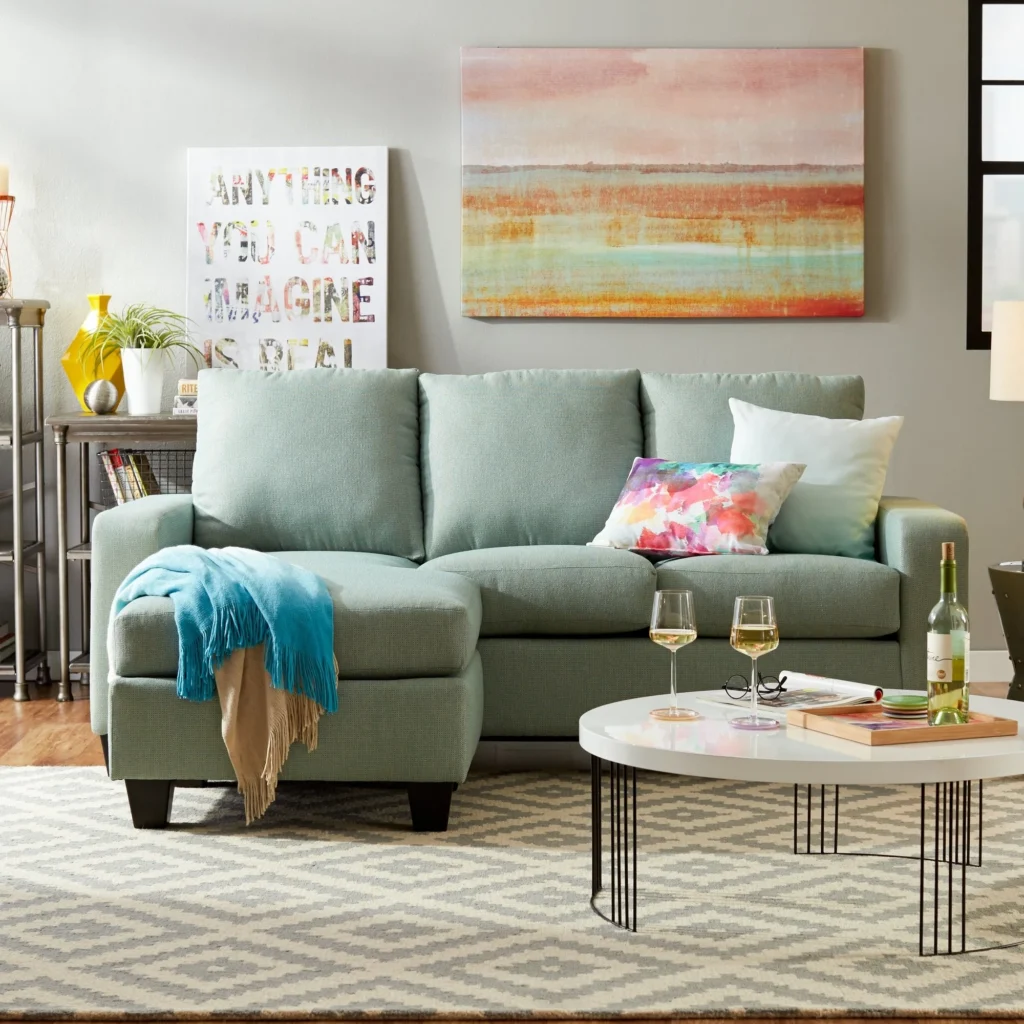
Every household has unique demands, and the best small sectional will reflect those needs. Below we match common lifestyle scenarios with specific sectional features.
Entertaining Frequently
If you host gatherings often, prioritize a sectional with a wide seating depth (35‑40 in) and plush cushions. Look for washable, stain‑resistant fabrics and consider models with built‑in cup holders or USB charging ports.
Pet‑Friendly Homes
Pets can be hard on upholstery. Opt for performance fabrics that repel fur and are easy to clean. A removable, machine‑washable slipcover is a practical addition.
Small Apartment Living
Space is at a premium, so choose a sectional with a sleek profile and hidden storage. A chaise that folds flat against the wall can double as a daybed, saving an entire bedroom’s worth of floor space.
Home Office Integration
With remote work on the rise, a sectional that includes a built‑in desk or a convertible backrest can serve as an ergonomic workspace. Pair it with a supportive lumbar pillow for comfort during long hours.
Maintenance Tips to Extend the Life of Your Small Sectional Couch
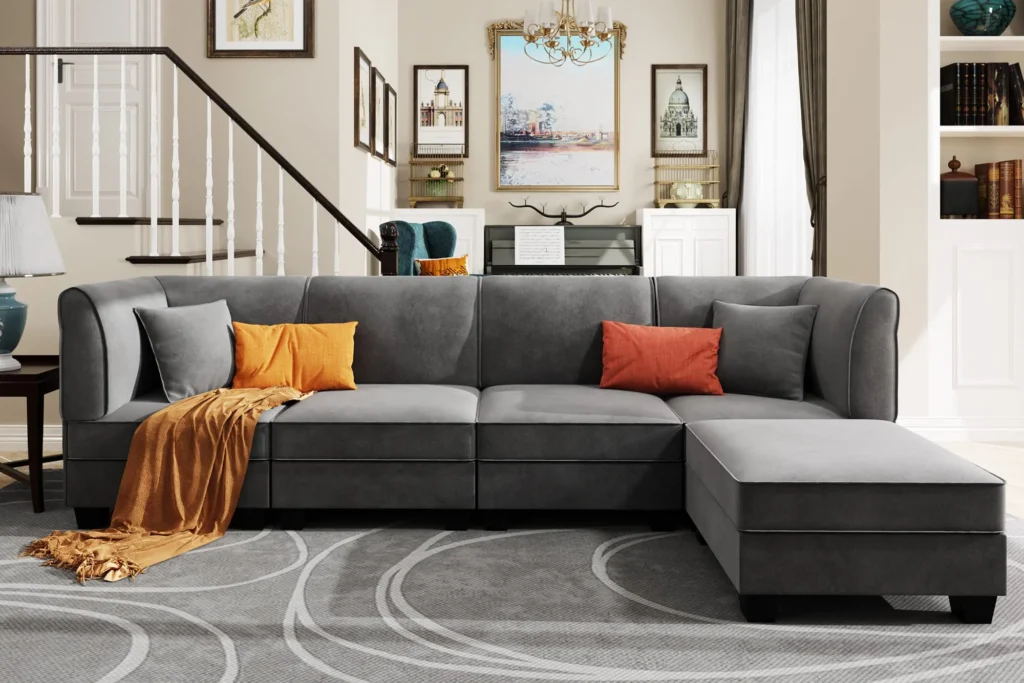
A well‑cared sectional can remain a centerpiece for years. Follow these simple yet effective maintenance practices to preserve its appearance and comfort.
Routine Cleaning
- Vacuum weekly: Use the upholstery attachment to remove dust, crumbs, and pet hair.
- Spot treat stains: Blot—don’t rub—using a mild detergent mixed with water. Test on a hidden area first.
- Rotate cushions: This ensures even wear and helps maintain shape.
Deep Cleaning
For fabric sectionals, a professional steam cleaning once a year can revive fibers and eliminate allergens. Leather finishes benefit from a dedicated leather conditioner applied quarterly.
Protecting Against Sun Damage
Direct sunlight can fade colors and weaken fabric fibers. Position the sectional away from large windows or use UV‑filtering window treatments to safeguard the upholstery.
Addressing Structural Issues
If you notice a sagging seat or loose springs, contact the manufacturer’s warranty service promptly. Early repairs prevent more extensive damage and preserve the couch’s comfort.
Where to Find the Best Small Sectional Couch
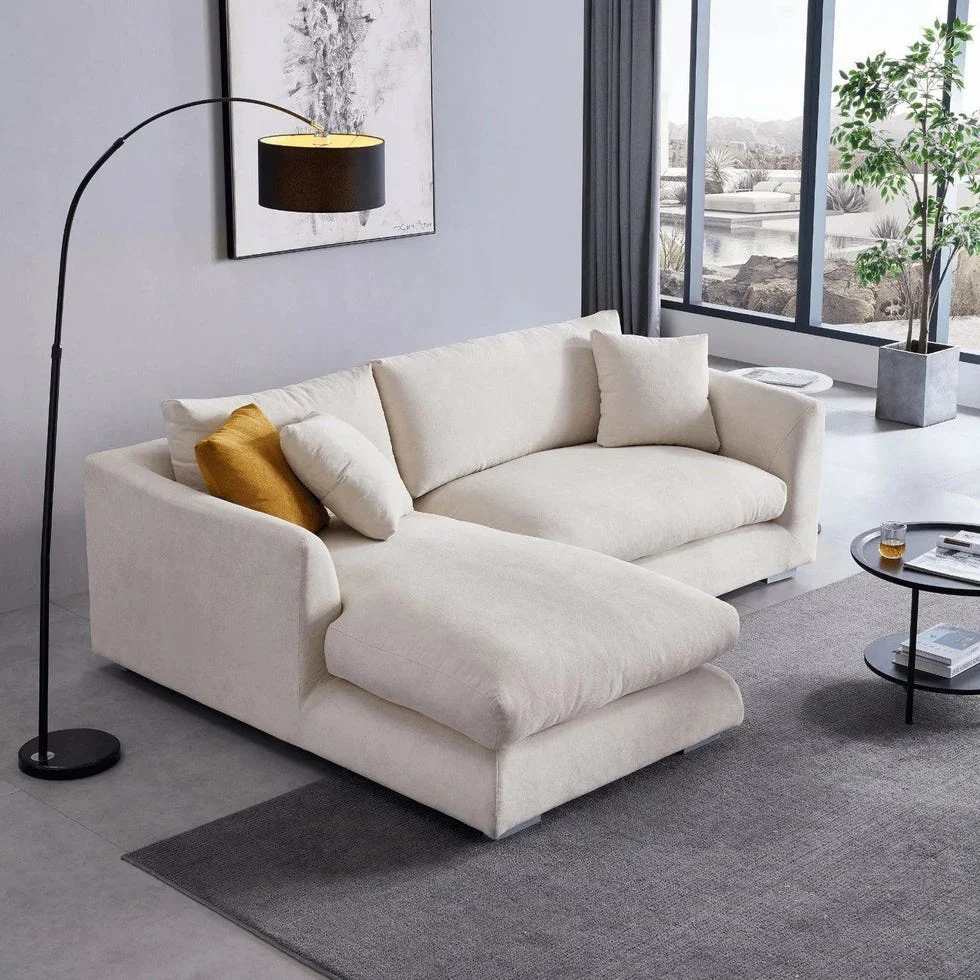
Whether you prefer shopping online or visiting brick‑and‑mortar stores, several reputable retailers specialize in high‑quality sectionals. Look for brands that offer detailed product specifications, customer reviews, and generous return policies. For inspiration, check out Unlock the Secret to Space‑Savvy Luxury with the Lazy Boy Small Sectional – Your Living Room’s New Star, which showcases a range of models that excel in both design and functionality.
If you’re still unsure which configuration suits your home, the article Why Small Space Sectional Sofas Are a Game Changer breaks down the decision‑making process with real‑world examples and expert tips.
When you finally settle on a piece, remember that a small sectional couch is more than a seat—it’s a flexible framework that adapts to your evolving lifestyle. By paying attention to construction, style, and maintenance, you can enjoy a furniture investment that feels fresh for years to come.
In the end, the small sectional couch proves that smart design doesn’t require massive footprints. It offers a blend of comfort, elegance, and practicality that makes any living room feel both spacious and inviting. So, whether you’re furnishing a first apartment, redesigning a family lounge, or seeking a versatile solution for a multi‑use space, the small sectional stands ready to become the cornerstone of your home’s aesthetic and functional success.
