 Admin
Admin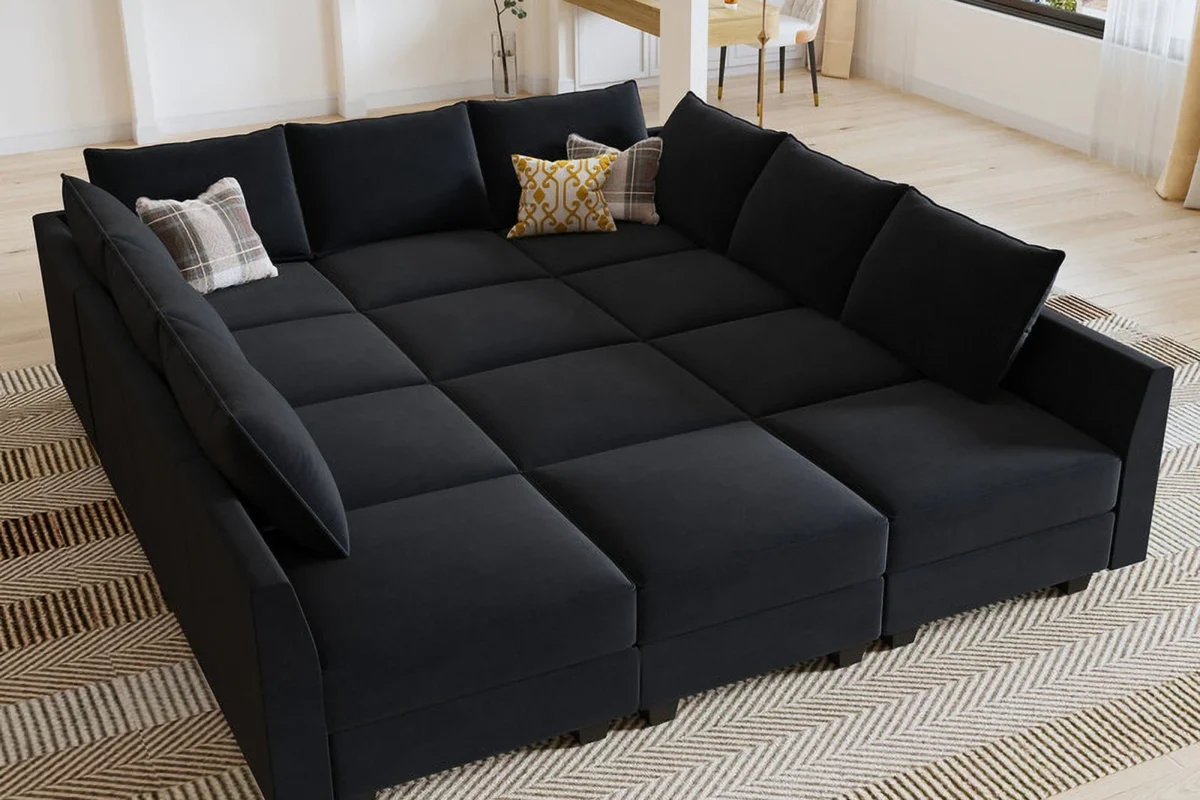
Extra large sofas have moved beyond mere furniture pieces; they are now central design statements that redefine comfort, functionality, and style in contemporary homes. As open‑plan layouts become the norm, the demand for seating that can accommodate families, entertain guests, and still look sleek has surged. This article delves deep into why extra large sofas deserve a prominent spot in your living space, what to consider before buying, and how to integrate them seamlessly with the rest of your décor.
While the term “extra large” might evoke images of bulky, cumbersome pieces, modern manufacturers combine ergonomic engineering with sophisticated aesthetics to create sofas that are both spacious and graceful. Whether you’re furnishing a sprawling family room or a high‑ceiling loft, an extra large sofa can serve as the anchor that ties the entire room together. Below we explore the practical and psychological advantages of choosing a bigger seat, and we’ll guide you through the decision‑making process with actionable tips.
Before diving into the specifics, it’s helpful to understand the broader context of living‑room design today. Open‑concept interiors prioritize flow, social interaction, and multi‑functional zones. In such environments, a single, well‑placed piece of furniture can dictate traffic patterns, create conversation hubs, and even influence lighting and acoustic quality. An extra large sofa, when selected thoughtfully, does exactly that – it becomes both a functional hub and a stylistic focal point.
Key Benefits of Choosing an Extra Large Sofa

Investing in a larger seating option isn’t just about fitting more people; it’s about enhancing the overall living experience. Below are the primary advantages that set extra large sofas apart from standard seating.
1. Superior Comfort for Families and Gatherings
- Ample seat depth and width allow users to stretch out, reducing the need for additional footstools or recliners.
- Many models feature adjustable lumbar support, memory‑foam cushions, and high‑resilience foam that conform to body shape.
- Extra wide armrests can double as armrests and side tables, providing convenient space for drinks or remote controls.
2. Enhanced Visual Presence
- The sheer size creates a dramatic focal point, anchoring the room’s layout and drawing the eye toward the seating area.
- Designers often pair extra large sofas with bold upholstery—think velvet, leather, or textured woven fabrics—to amplify their impact.
- Strategic placement against a feature wall or beneath a statement light fixture can elevate the entire ambiance.
3. Space‑Saving Versus Multiple Small Sofas
- A single oversized piece reduces the need for multiple smaller chairs, freeing up floor space for rugs, artwork, or additional décor.
- It simplifies cleaning and maintenance, as fewer seams and joints mean fewer dust‑collecting crevices.
- Modular designs often allow the sofa to be reconfigured into a sectional, chaise, or even a sleeper, providing versatile functionality without clutter.
4. Better Acoustics and Warmth
- Heavy upholstery and dense cushions absorb sound, creating a quieter, cozier environment—ideal for home theaters or reading nooks.
- In colder climates, the extra fabric and cushioning act as an insulating layer, making the seating area feel warmer.
Design Considerations Before Purchasing

Choosing the right extra large sofa involves more than picking the most eye‑catching design. You must evaluate several factors to ensure the piece fits your lifestyle, space, and aesthetic goals.
Size and Scale
Measure the room meticulously. Leave at least 30–36 inches of clearance around the sofa for traffic flow, and consider the sofa’s depth, height, and length relative to other furniture. If you have a high‑ceiling loft, a taller backrest can accentuate vertical space, whereas lower backs work better in rooms with modest ceiling heights.
Configuration Options
Many extra large sofas come in modular formats that can be rearranged into L‑shapes, U‑shapes, or even split into separate seating units. This flexibility is especially valuable for households that host varied activities—from movie nights to formal gatherings. For a deeper dive into modular benefits, read Oversized Sectional Sofas: The Ultimate Guide to Comfort, Style, and Space Mastery.
Material and Upholstery
The choice of fabric or leather impacts durability, maintenance, and comfort. Consider these points:
- Leather: Offers a sleek, timeless look and is easy to wipe clean, but can feel cold in winter.
- Performance Fabrics: Stain‑resistant and breathable, perfect for families with children or pets.
- Velvet & Chenille: Provide luxurious texture and depth of color, though they may require gentle cleaning.
Support System
Look for high‑density foam cores, pocketed springs, or a combination of both. A robust frame—typically hardwood like kiln‑dried oak or maple—ensures longevity. If you’re unsure about the internal construction, the article Key Considerations Before Buying a Large Sectional Sofa With Chaise Lounge offers an in‑depth breakdown of what to inspect.
Style Alignment
Match the sofa’s silhouette to the overall interior design language. Modern minimalists may opt for low‑profile, clean‑line sofas with neutral tones, while traditional interiors can accommodate tufted backs, rolled arms, and richer hues. Pairing the sofa with complementary accent chairs or ottomans can balance the visual weight.
Integrating an Extra Large Sofa into Your Living Room

After selecting the perfect piece, the next step is styling it within the room. Here are proven strategies to make your extra large sofa the centerpiece without overwhelming the space.
Balancing Proportions with Rugs
Choose a rug that extends at least 24 inches beyond the sofa’s front legs. This anchors the seating area and defines the conversation zone. For large rooms, a rug of 9 × 12 feet or larger works well, while smaller spaces benefit from a 5 × 8‑foot runner placed strategically.
Strategic Lighting
Layered lighting enhances the sofa’s presence. Use a combination of overhead fixtures, floor lamps, and table lamps to create ambiance. A tall floor lamp positioned behind the sofa can highlight its silhouette, while pendant lights above a coffee table add a touch of drama.
Accent Pillows and Throws
Introduce texture and color through pillows and throws. Mix sizes—large square cushions (24 × 24 in) with smaller lumbar pillows (12 × 20 in)—to add depth. Seasonal throws in natural fibers like linen or wool can bring warmth and a lived‑in feel.
Complementary Furniture Placement
Place a coffee table proportionate to the sofa’s length—ideally 2/3 the length of the sofa. Side tables should be within arm’s reach, typically 12–18 inches away. For an extra touch of luxury, consider a low-profile console behind the sofa to display artwork or books.
Color Coordination
Neutral sofas—gray, beige, or navy—provide a versatile backdrop for bold accent pieces. If you prefer a statement sofa, keep surrounding décor subdued to avoid visual competition. Use the 60‑30‑10 rule: 60% dominant color (walls), 30% secondary (sofa), and 10% accent (pillows, art).
Maintenance Tips to Preserve Longevity

Even the most durable sofas need proper care to stay looking fresh. Follow these maintenance guidelines to protect your investment.
Regular Cleaning Routine
- Vacuum upholstery weekly with a soft brush attachment to remove dust and crumbs.
- Spot‑clean spills promptly using a gentle cleaner appropriate for the fabric—test on a hidden area first.
- Rotate cushions every few months to ensure even wear.
Seasonal Deep Cleaning
Professional cleaning once a year can revitalize the fabric and address deep‑set stains. For leather sofas, apply a quality leather conditioner bi‑annually to prevent cracking.
Protective Measures
Use coasters and trays on coffee tables to prevent water rings, and place pet blankets or protective covers if you have animals that like to climb on furniture.
Cost Considerations and Budgeting
Extra large sofas represent a significant investment, often ranging from $1,500 to $6,000 or more, depending on brand, material, and customization. Here’s how to approach budgeting wisely.
Assessing Value Over Price
Prioritize durability, warranty length, and craftsmanship over the lowest price tag. A well‑constructed sofa may cost more upfront but will outlast cheaper alternatives, delivering better long‑term value.
Financing Options
Many retailers offer interest‑free financing or installment plans. Compare terms and ensure the total cost, including any fees, aligns with your budget.
Timing Your Purchase
Take advantage of seasonal sales—typically around holidays like Black Friday, Memorial Day, or year‑end clearance events. Signing up for retailer newsletters can also provide early access to exclusive discounts.
Real‑World Examples: How Homeowners Use Extra Large Sofas

Understanding how others have successfully integrated extra large sofas can inspire your own design. Below are three case studies illustrating diverse applications.
Family‑Friendly Living Room
In a suburban home with three children, the owners selected a modular sectional with a chaise. The configuration allows the family to lounge together while the chaise provides a perfect spot for movie‑night snacks. The sofa’s durable performance fabric resists spills, and interchangeable modules enable occasional re‑layout for parties.
Modern Loft Apartment
A young professional in a downtown loft opted for a sleek, low‑profile leather sofa with a generous seat depth. Paired with a minimalist glass coffee table and a large abstract rug, the sofa anchors the open‑plan space while maintaining a light, airy feel. The leather’s cool touch complements the industrial aesthetic of exposed brick walls.
Entertainer’s Showcase
For a home designed around hosting, the homeowner installed an oversized velvet sofa with deep button tufting, set against a feature wall of reclaimed wood. A statement chandelier hangs above, and a built‑in media console sits opposite, creating a cinema‑like experience. The sofa’s plush cushions and generous seating capacity make it ideal for large gatherings.
Future Trends in Extra Large Sofa Design

The market for extra large sofas continues to evolve, driven by changing lifestyles and technological advancements. Anticipated trends include:
- Smart Integration: Built‑in USB ports, wireless charging pads, and Bluetooth speakers embedded in armrests.
- Eco‑Friendly Materials: Recycled fabrics, sustainably sourced wood frames, and low‑VOC finishes.
- Modular Automation: Motorized sections that can reconfigure at the push of a button.
- Hybrid Functions: Sofas that transform into sleeper beds with hidden storage for linens.
Staying informed about these developments can help you make a purchase that remains relevant and functional for years to come. For more insight into sectional versatility, explore Why a Large Sectional Sofa Deserves Your Attention, which highlights how evolving designs meet modern living demands.
Choosing an extra large sofa is a decision that blends practicality with style. By carefully assessing your space, selecting the right materials, and thoughtfully styling the piece, you can create a living room that feels spacious, welcoming, and undeniably chic. Whether you’re hosting gatherings, enjoying family movie nights, or simply seeking a comfortable spot to unwind, the right extra large sofa can transform your home into a sanctuary of comfort and elegance.