 Admin
AdminWhen it comes to providing reliable hot water for a small apartment, a guest house, or a compact bathroom, the 110 Volt Water Heaters have become a practical choice for many homeowners. Unlike their higher‑voltage counterparts, these units draw power from a standard 110‑volt circuit, eliminating the need for costly electrical upgrades while still delivering consistent performance. In this article we explore the technology behind these heaters, the benefits they bring, and the key considerations you should keep in mind before making a purchase.
Choosing the right water heating solution can feel overwhelming, especially when you factor in variables such as tank capacity, recovery rate, and energy efficiency. By focusing on the specific advantages of 110 Volt Water Heaters, you’ll be equipped to decide whether a low‑voltage system matches your lifestyle, budget, and space constraints. Below, we break down the essential topics that every buyer should understand.
Understanding 110 Volt Water Heaters
The core principle of a 110 Volt Water Heaters is simple: it uses a standard residential circuit (usually 15‑amp or 20‑amp) to heat water through an electric heating element. Because the voltage is lower than the typical 240‑volt units found in many homes, the heating element is smaller, and the overall power draw is reduced. This makes the system safe for locations that lack dedicated high‑voltage wiring, such as older homes, RVs, or small rental units.
Most 110‑volt models are tank‑type heaters, though point‑of‑use tankless versions are also available. Tank models store a limited amount of hot water—often between 2 to 6 gallons—making them ideal for single‑sink applications like a bathroom vanity or a kitchenette. Tankless variants heat water on demand, which can be advantageous where space is at a premium, but they typically have lower flow rates compared to larger, 240‑volt systems.
Installation Tips for 110 Volt Water Heaters
- Check the circuit rating: Verify that the existing circuit can handle the heater’s amperage. Most 110‑volt units require a dedicated 15‑amp circuit; some larger models may need 20 amps.
- Use proper wiring: Employ #14 AWG copper wire for a 15‑amp circuit and #12 AWG for a 20‑amp circuit. Avoid using extension cords or adapters.
- Secure mounting: Install the heater on a sturdy wall bracket or a stable floor stand, ensuring it is level to prevent stress on the tank.
- Follow local codes: Always adhere to your municipality’s electrical and plumbing codes. When in doubt, consult a licensed electrician.
- Consider a thermal cut‑off: Many 110‑volt models include a built‑in thermostat with a high‑limit safety switch to prevent overheating.
Proper installation not only maximizes performance but also reduces the risk of electrical hazards. If you’re unfamiliar with wiring practices, it’s wise to hire a professional to avoid costly mistakes.
Benefits of 110 Volt Water Heaters
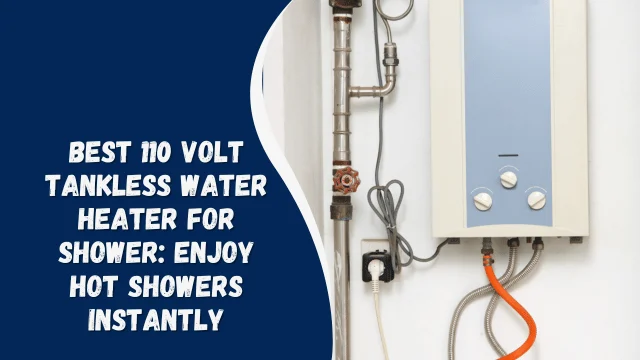
One of the most compelling reasons to choose a 110 Volt Water Heaters is the ease of integration into existing electrical infrastructure. Because most homes already have multiple 110‑volt outlets, you can often install the unit without pulling new wires or upgrading the main panel. This translates directly into lower installation costs.
Energy efficiency is another strong point. While the heating element is smaller, modern 110‑volt models frequently feature high‑efficiency insulation and advanced thermostat controls that minimize standby heat loss. When paired with a timer or smart plug, you can further reduce electricity consumption by only heating water during peak usage periods.
Space savings are especially valuable in compact bathrooms or tiny homes. A 2‑gallon tank can fit behind a vanity or under a countertop, freeing up floor area for other fixtures. For renters, the portable nature of many 110‑volt units means they can be removed and taken to a new location without leaving permanent alterations.
Choosing the Right Size and Features
When selecting a 110 Volt Water Heaters, size matters. A tank that is too small will run out of hot water quickly, while an oversized unit may waste energy maintaining water that isn’t used. As a rule of thumb, calculate your peak hot‑water demand (in gallons per minute) and match it to a heater that can meet that need without excessive cycling.
Key features to look for include:
- Adjustable thermostat: Allows you to set the water temperature to your preference, typically between 120°F and 140°F.
- Eco‑mode or low‑standby loss design: Reduces heat loss when the unit is idle.
- Built‑in safety valve: Prevents pressure buildup and accidental discharge.
- Warranty coverage: Look for at least a 2‑year parts warranty; premium models may offer up to 5 years.
For those interested in broader home design considerations, pairing a well‑chosen water heater with space‑saving furniture can create a harmonious environment. For example, a small sectional sofa can free up floor space in a living area adjacent to a bathroom, allowing you to allocate more room for storage or decorative elements.
Safety and Maintenance Best Practices
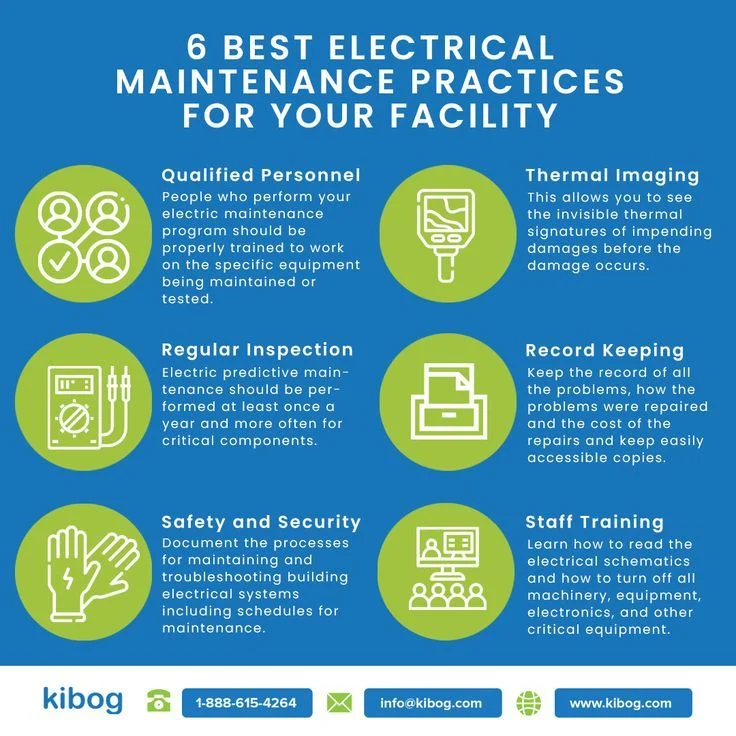
Safety should never be an afterthought. Even though 110‑volt units operate at a lower voltage, they still involve high temperatures and electrical components. Follow these maintenance steps to keep your 110 Volt Water Heaters running safely:
- Annual inspection: Check the heating element, thermostat, and wiring for signs of wear or corrosion.
- Flush the tank: Remove sediment buildup by draining a few gallons of water once a year. This improves efficiency and extends the tank’s lifespan.
- Test the pressure relief valve: Lift the lever briefly to ensure water flows freely; a stuck valve can cause dangerous pressure buildup.
- Monitor for leaks: Inspect connections and the tank base regularly. Early detection prevents water damage.
If you notice any irregularities—such as tripping breakers, unusual noises, or a loss of hot water—shut off power to the unit immediately and consult a qualified technician.
Cost Considerations and ROI

The upfront cost of a 110 Volt Water Heaters typically ranges from $150 to $500, depending on capacity and brand. Installation fees vary, but because most models connect to an existing circuit, labor costs are generally lower than those for 240‑volt systems. Over time, the energy savings from efficient operation can offset the initial investment, especially in households with modest hot‑water demands.
When calculating return on investment (ROI), factor in:
- Electricity rate per kilowatt‑hour (kWh) in your area.
- Estimated daily hot‑water usage (gallons).
- Efficiency rating of the specific model.
Many users find that a well‑chosen 110‑volt heater pays for itself within 2–3 years through reduced energy bills and avoided electrical upgrades.
Integrating 110 Volt Water Heaters into Modern Homes
Today’s interior design trends emphasize clean lines, minimal clutter, and multifunctional spaces. By selecting a compact 110 Volt Water Heaters, you can maintain a sleek aesthetic without sacrificing comfort. Pairing the heater with contemporary bathroom fixtures—such as wall‑mounted faucets and floating vanities—creates a visually light environment.
If your living area also needs efficient furniture solutions, consider reading the extra long sectional guide. Though focused on sofas, the principles of maximizing space and flow are directly applicable to bathroom layouts, especially when coordinating plumbing and electrical pathways.
Ultimately, the decision to install a 110‑volt water heater should align with both practical needs and design goals. Whether you’re retrofitting an older home, outfitting a tiny house, or simply looking for a cost‑effective upgrade, these units offer a blend of convenience, safety, and efficiency that can enhance everyday living.
In summary, the 110 Volt Water Heaters stand out as an adaptable solution for a range of residential scenarios. By understanding the technical specifications, installation requirements, and maintenance routines, you can make an informed choice that delivers reliable hot water while keeping energy consumption and costs in check. As you plan your next home improvement project, keep the benefits of low‑voltage heating in mind, and enjoy the peace of mind that comes with a well‑engineered, safely installed water heating system.
