 Admin
Admin
When it comes to modern home comfort, the 110 volt water heater is often the unsung hero that quietly delivers hot water without demanding a full‑size 240‑volt circuit. Whether you’re renovating a compact apartment, upgrading a tiny bathroom, or simply looking for an energy‑efficient solution, understanding how these low‑voltage units work can save you time, money, and potential headaches.
Unlike traditional high‑voltage models that require dedicated breakers and heavy wiring, a 110 volt water heater plugs into a standard household outlet, making it an attractive option for point‑of‑use installations. However, the convenience comes with its own set of considerations—thermal capacity, recovery rate, safety mechanisms, and long‑term durability—all of which we’ll explore in depth.
In the sections that follow, you’ll learn how to assess whether a 110 volt system meets your hot‑water needs, what installation practices ensure safety and compliance, and how to maximize energy savings without sacrificing performance. Let’s dive in.
Understanding the Basics of a 110 Volt Water Heater
A 110 volt water heater, sometimes labeled as a “120‑volt” unit in North America, operates on the same voltage as most household appliances such as lamps, televisions, and coffee makers. This low‑voltage design typically limits the heater’s power output to between 1,200 and 2,000 watts, which directly influences how quickly water is heated and how much hot water is available at any given time.
Key Technical Specifications
- Power Rating: 1,200–2,000 W (commonly 1,500 W)
- Voltage: 110–120 V AC (single‑phase)
- Element Material: Stainless steel or copper for corrosion resistance
- Tank Capacity: 2–6 gallons for point‑of‑use, up to 20 gallons for small whole‑home units
- Recovery Time: Typically 30–60 minutes for a 2‑gallon tank
- Safety Features: Thermostatic control, over‑temperature cut‑off, and ground‑fault circuit interrupter (GFCI) compatibility
The limited wattage means the heater’s recovery rate—the time required to raise the water temperature by a set amount—will be slower than a 240‑volt counterpart. For most single‑sink applications, however, this is more than adequate.
Why Choose a 110 Volt Model?
- Ease of Installation: No need for a dedicated circuit; can be plugged into a standard outlet.
- Cost‑Effective: Lower upfront cost and reduced electrical work.
- Space‑Saving: Compact designs fit under sinks or in tight closets.
- Energy Efficiency: Only heats water on demand, reducing standby losses.
Assessing Your Hot‑Water Demand
Before selecting a 110 volt water heater, you must quantify your hot‑water demand. This involves considering the number of fixtures, typical usage patterns, and the desired temperature rise (the difference between incoming cold water and your target hot‑water temperature, usually 120°F).
Calculating Required Capacity
Use this simple formula to estimate the needed tank size:
Tank Volume (gal) = (Flow Rate (GPM) × Desired Run Time (minutes)) / 0.5
For example, a single bathroom sink with a flow rate of 1.2 GPM used for 5 minutes would need:
(1.2 × 5) / 0.5 = 12 gallons of hot water capacity. Since a 110 V unit typically provides 2–6 gallons, a point‑of‑use tank combined with a small storage tank might be the optimal solution.
Understanding Recovery Rate Limitations
A 1,500‑watt element raises water temperature by roughly 6–7°F per minute. If your incoming water is 50°F and you need it at 120°F, you’re looking at a 70°F rise, which would take about 10–12 minutes to heat a full 5‑gallon tank from cold. This is why many homeowners pair a low‑capacity tank with a high‑flow mixer valve to balance temperature and flow.
Safety Considerations and Compliance
Electrical safety is paramount when dealing with water‑heating appliances. Even though a 110 V water heater draws less current than its high‑voltage peers, improper wiring or neglecting local codes can lead to hazards.
Ground‑Fault Protection
All bathroom‑adjacent appliances should be protected by a GFCI breaker or outlet. This device cuts power if it detects a leak current as low as 5 mA, greatly reducing the risk of electric shock.
Temperature Controls and Over‑heat Protection
Most modern units feature a thermostatic sensor that shuts off the heating element once the preset temperature (often 140°F) is reached. Some models also include a dual‑limit switch that cuts power if the water exceeds a safety threshold, preventing scalding and component damage.
Installation Standards
Compliance with the National Electrical Code (NEC) and local building regulations is non‑negotiable. Key points include:
- Use a dedicated 15‑amp circuit for continuous operation.
- Ensure the outlet is properly grounded and rated for the heater’s amperage.
- Secure the heater to a stable, non‑combustible surface to prevent vibration damage.
- Install a shut‑off valve upstream for maintenance access.
For a step‑by‑step guide on safe installation, refer to the Insider’s Secret to Instant Hot Water article, which outlines best practices for point‑of‑use heaters.
Energy Efficiency and Cost Savings
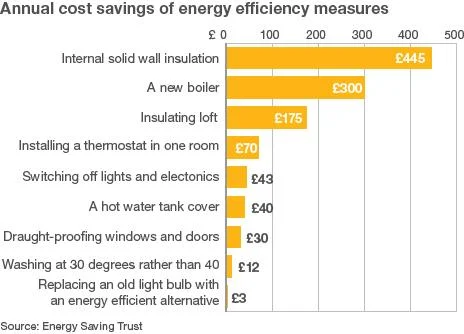
One of the most compelling arguments for a 110 V water heater is its potential to reduce energy consumption. By heating water only when needed, these units eliminate the “standby loss” associated with large, continuously heated tanks.
Comparing Operating Costs
Assume an average electricity rate of $0.13 per kWh. A 1,500‑watt heater running for 1 hour consumes 1.5 kWh, costing roughly $0.20. In contrast, a 4,500‑watt, 240‑volt model would consume 4.5 kWh in the same period, costing $0.58. Over a year, the savings can add up, especially in households with intermittent hot‑water usage.
Smart Controls and Timers
Many newer 110 V units incorporate digital thermostats, Wi‑Fi connectivity, or simple mechanical timers. Scheduling the heater to operate during off‑peak hours can further lower electricity bills, taking advantage of time‑of‑use rates where available.
Installation Tips for DIY Enthusiasts
While hiring a licensed electrician is always recommended for compliance, many homeowners with basic electrical knowledge can safely install a 110 V water heater under the right conditions.
Step‑by‑Step Overview
- Turn Off Power: Shut off the circuit at the breaker panel.
- Choose a Location: Install the unit under a sink or in a utility closet where a standard 110 V outlet is within 2 feet.
- Mount the Heater: Use the supplied brackets; ensure the unit is level to avoid water pooling.
- Connect Water Supply: Attach cold‑water inlet and hot‑water outlet using flexible braided hoses; install a shut‑off valve on the inlet.
- Electrical Hook‑up: Plug the heater into a GFCI‑protected outlet; if a dedicated outlet is not present, install one using a 15‑amp, 2‑pole breaker.
- Test for Leaks: Open the water supply slowly, checking all connections for drips.
- Power Up: Restore power and set the thermostat to the desired temperature (typically 120°F).
For a deeper dive into the installation nuances and troubleshooting tips, the article 110 Volt Electric Water Heater Exposed provides an exhaustive walkthrough.
Maintenance Practices to Extend Lifespan
Even the most robust 110 V water heater benefits from regular upkeep. Neglecting maintenance can lead to mineral buildup, reduced efficiency, and premature failure.
Annual Descaling
If you live in a hard‑water area, perform a descaling routine once a year. Drain the tank, fill it with a 1:1 mixture of white vinegar and water, let it sit for 2 hours, then flush with clean water.
Thermostat Calibration
Test the thermostat by measuring the outlet water temperature with a calibrated thermometer. Adjust the dial if the reading deviates more than 5°F from the set point.
Inspect Electrical Connections
Check the power cord and plug for signs of wear, fraying, or corrosion. Tighten any loose terminal screws and replace damaged components immediately.
Choosing the Right Model for Your Home

Not all 110 V water heaters are created equal. When shopping, consider the following criteria:
Tank Size vs. Flow Rate
Match the tank capacity to the highest simultaneous demand you expect. For a single bathroom sink, a 2‑gallon tank with a 2‑GPM flow rate is often sufficient. If you anticipate multiple fixtures, look for a larger tank or a dual‑tank system.
Energy Star Certification
Units bearing the Energy Star label meet stringent efficiency standards and typically incorporate better insulation and smarter controls.
Brand Reputation and Warranty
Opt for manufacturers that offer at least a 2‑year warranty on the heating element and a 5‑year warranty on the tank. Brands with strong customer service networks can save you time and money in the event of a failure.
Installation Flexibility
Some models come with built‑in mounting brackets, while others require external hardware. Choose a unit that aligns with your installation environment—whether it’s a wall‑mounted cabinet or a freestanding closet.
By weighing these factors, you’ll select a heater that not only meets your immediate needs but also provides reliable performance for years to come.
In summary, a 110 volt water heater offers a practical, energy‑efficient solution for households that value convenience and cost savings without the complexity of a full‑size 240‑volt system. By understanding power output, sizing the unit correctly, adhering to safety standards, and performing regular maintenance, you can enjoy instant hot water on demand while keeping electricity bills under control. Whether you’re upgrading an older bathroom, outfitting a tiny home, or simply seeking a point‑of‑use backup, the low‑voltage heater deserves a spot on your renovation checklist.