 Admin
Admin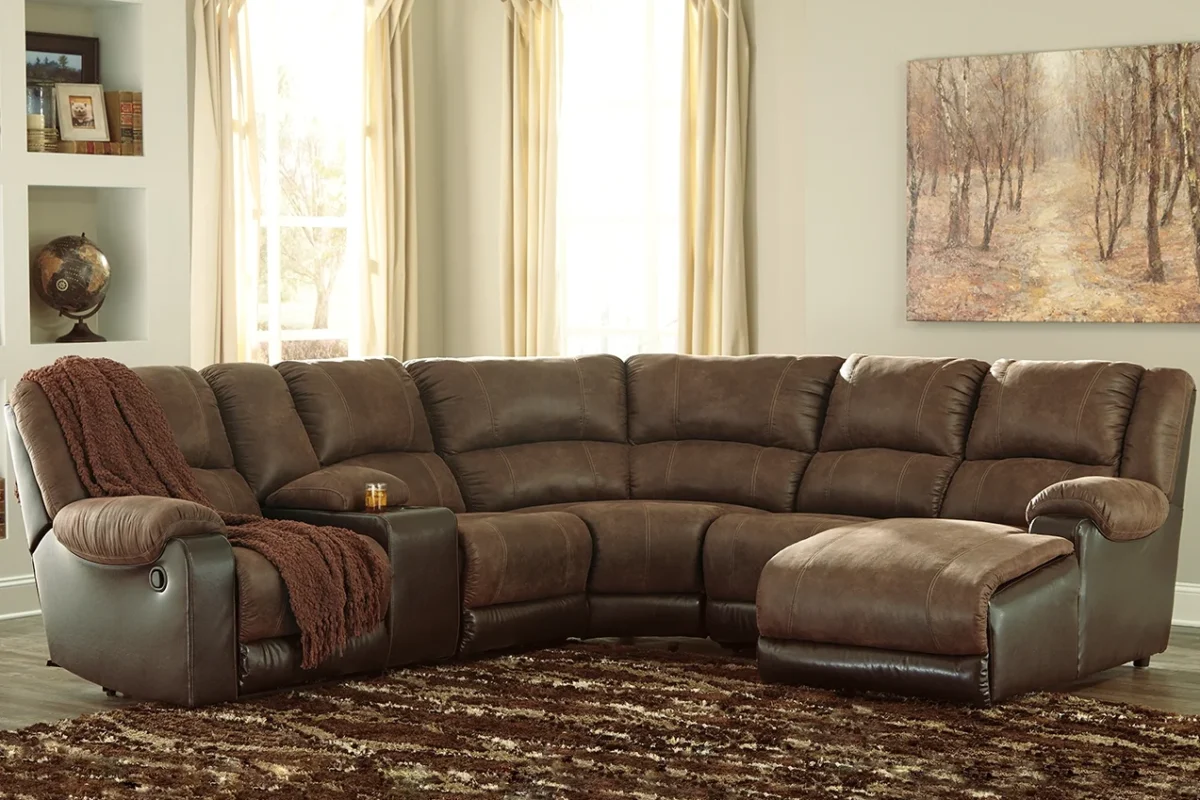
Sectionals with chaise have become the centerpiece of modern living rooms, offering a blend of flexibility, comfort, and visual appeal that traditional sofas simply cannot match. Whether you’re furnishing a compact studio or a sprawling family lounge, the chaise component adds a luxurious stretch for lounging, reading, or even casual work‑from‑home sessions. In this comprehensive guide we’ll explore the essential considerations for selecting, arranging, and styling a sectional with chaise, ensuring you make an informed investment that lasts for years.
Beyond the obvious comfort factor, a well‑chosen chaise sectional can define the flow of a room, anchor color schemes, and even influence the perception of space. By the end of this article you’ll understand how to assess size, material, configuration, and accessories so you can create a living area that feels both spacious and intimately inviting.
Why a Sectional With Chaise Is a Smart Choice for Modern Living
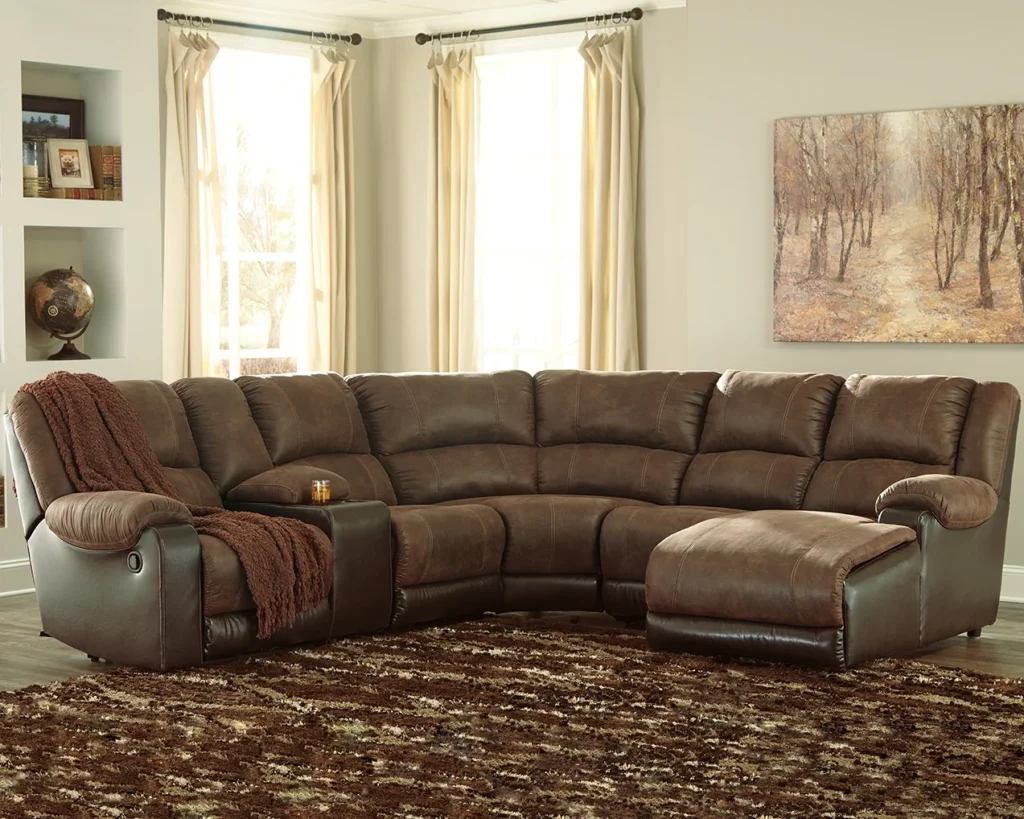
First and foremost, a sectional with chaise offers modularity. Unlike a fixed sofa, many sections can be rearranged to suit changing needs—perfect for households that evolve over time. The chaise itself serves multiple functions: a place to stretch out after a long day, an extra sleeping surface for guests, or even a makeshift desk when paired with a side table.
When you combine this versatility with the visual weight of a larger sofa, the result is a focal point that can anchor your interior design. This is especially valuable in open‑plan layouts where a clear delineation between living, dining, and kitchen zones is needed.
Key Benefits at a Glance
- Flexibility: Rearrangeable pieces adapt to different room configurations.
- Space Efficiency: The chaise doubles as a lounge, reading nook, or temporary bed.
- Design Impact: Creates a strong visual anchor that guides the room’s aesthetic.
- Comfort: Extended seating surface promotes relaxation and better posture.
Assessing Space: Measuring for the Perfect Fit

Before you fall in love with a particular style, take accurate measurements of your living area. Start by measuring the longest wall where the sectional will sit, then note any architectural features such as windows, doors, and built‑in shelving that could limit placement.
For small apartments, consider a “L‑shaped” configuration with the chaise positioned on the shorter leg, leaving a clear pathway behind. This layout is highlighted in Why Choose a Sectional for a Small Living Area?, which explains how a well‑placed chaise can actually open up a compact room rather than crowd it.
Pro Tip: Use Tape to Visualize
Lay painter’s tape on the floor in the shape of the sectional’s footprint. Step back and assess whether you have enough clearance for traffic flow (ideally 30‑36 inches) and for any coffee tables or side tables you intend to use.
Choosing the Right Configuration
Sectionals with chaise come in several configurations, each suited to different spatial dynamics and lifestyle needs:
- Left‑Facing Chaise: Ideal for rooms where the main seating area is against the right wall.
- Right‑Facing Chaise: Mirrors the left‑facing option, offering flexibility for opposite wall arrangements.
- Floating Chaise: Detached from the main sofa body, this style creates a relaxed, conversational layout—perfect for large living rooms.
- U‑Shaped Sectional: Includes two opposing chaises, framing a central coffee table; excellent for entertaining.
When selecting a configuration, think about the primary activities in your space. If you often host movie nights, a floating chaise opposite the TV screen can provide unobstructed sightlines. For a home office hybrid, a left‑facing chaise paired with a narrow side table creates a convenient spot for a laptop.
Material Matters: Upholstery Choices for Durability and Style
The fabric or leather you choose not only defines the aesthetic but also determines how the piece will hold up under daily use. Here are the most common options:
Performance Fabrics
Made from blended synthetics, performance fabrics resist stains, fading, and pet hair. They’re an excellent choice for families with children or pets. Brands often tout a “water‑repellent finish,” which simplifies cleaning.
Natural Fibers
Materials such as linen, cotton, or wool bring texture and a warm, organic feel. While they can be more prone to spills, many manufacturers now offer treated versions that improve resistance without sacrificing breathability.
Leather
Full‑grain or top‑grain leather ages beautifully, developing a patina that adds character. It’s easy to wipe clean but can feel cold in winter; a throw or cushion can mitigate this.
For budget‑conscious shoppers, the article Affordable Oversized Couches with Plush Cushions That Won’t Break the Bank showcases several cost‑effective upholstery options that still deliver on comfort.
Color & Pattern: Integrating the Chaise Into Your Palette
Choosing the right color is pivotal. If your living room already boasts bold accent walls or vibrant artwork, a neutral sectional—think charcoal, taupe, or deep navy—acts as a calming backdrop. Conversely, a muted room can benefit from a statement chaise in a rich hue like emerald or mustard.
Patterns add another layer of design intrigue. A subtle herringbone or chevron can hide minor wear while adding visual texture. When mixing patterns, follow the 60‑30‑10 rule: 60% dominant color, 30% secondary, and 10% accent pattern.
Case Study: Modern Grey Living Room
Take inspiration from Modern Grey Living Room Ideas for a Timeless and Elegant Space, where a charcoal sectional with a light‑grey chaise creates a sophisticated contrast while maintaining a cohesive grayscale palette.
Complementary Furniture and Accessories
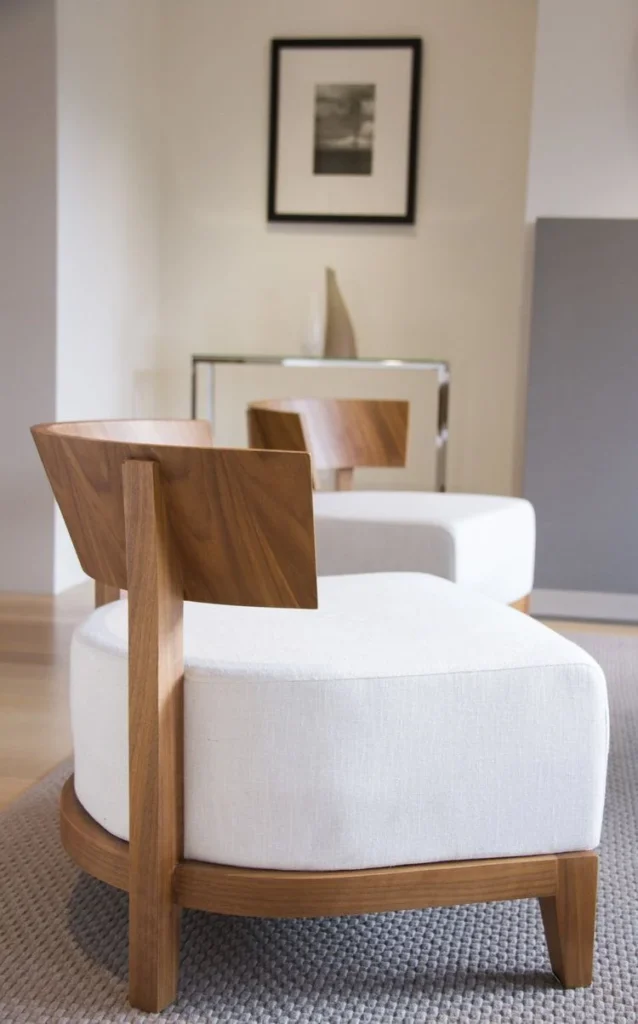
A sectional with chaise does not exist in isolation; surrounding pieces complete the living room narrative. Consider these pairings:
- Coffee Tables: Opt for a low‑profile wooden or glass coffee table that fits within the chaise’s reach without obstructing legroom.
- Side Tables: A narrow side table adjacent to the chaise provides a perfect spot for lamps, books, or a cup of tea.
- Lighting: Floor lamps or pendant lights positioned near the chaise enhance reading comfort. See Modern Light Fixtures for a Stunning Living Room for curated options.
- Rugs: A large area rug anchored under the entire sectional defines the seating zone and adds warmth.
When arranging, keep traffic flow in mind. The chaise should not block pathways; a 3‑foot clearance behind the chaise is a safe rule of thumb.
Special Considerations for Small Spaces

Living in a compact apartment does not preclude you from enjoying a chaise sectional. The secret lies in strategic placement and scale. Choose a low‑profile chaise with sleek lines, and avoid overly bulky armrests that consume floor space.
Pair the sectional with multi‑functional accessories—such as an ottoman that doubles as storage—to keep the room tidy. The guide The Ultimate Guide to Choosing the Right Size Oversized Sofa for Small Apartments offers valuable insights on how to balance size and comfort without overwhelming a modest floor plan.
Design Hack: The “Floating” Chaise
Position the chaise away from the main sofa, creating a separate lounging nook. This arrangement visually expands the room, especially when anchored by a rug and a small side table.
Investing Wisely: Budget, Quality, and Longevity

While it’s tempting to chase the lowest price tag, quality matters for a piece that will see daily use. Examine frame construction—hardwood frames with mortise‑and‑tenon joints outlast cheaper particleboard alternatives. Additionally, look for high‑density foam cushions that retain shape over years.
If budget is a concern, consider modular sofas where you can purchase the chaise separately and add it later. This staggered approach spreads the cost and lets you fine‑tune the layout as your needs evolve.
Maintenance Tips
- Rotate cushions every six months to ensure even wear.
- Vacuum fabric regularly with a soft brush attachment.
- Spot‑clean spills promptly using manufacturer‑recommended cleaners.
- Condition leather sections with a high‑quality leather conditioner twice a year.
Styling the Chaise: From Minimalist to Maximalist
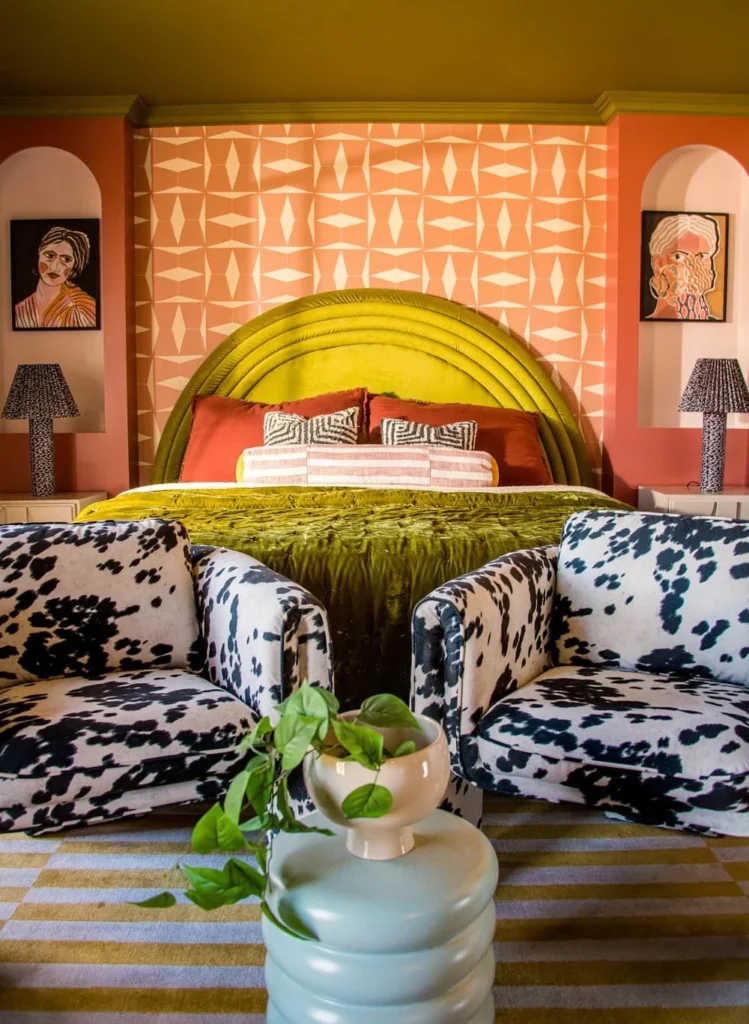
Styling the chaise can dramatically shift the room’s vibe. For a minimalist look, keep accessories to a minimum—think a single sculptural lamp and a muted rug. For a maximalist approach, layer textured throws, patterned cushions, and a gallery wall behind the chaise.
Don’t forget the power of greenery. A tall floor plant placed next to the chaise adds height, freshens the air, and creates a natural focal point.
Sample Arrangement for a Family Room
1. Position a left‑facing chaise against the longest wall.
2. Place a rectangular coffee table centered within the L‑shape.
3. Add two side tables on either end of the chaise for symmetry.
4. Lay a large, low‑pile rug under the entire seating area.
5. Finish with a floor lamp behind the chaise for reading light.
Future‑Proofing Your Investment
Trends come and go, but a well‑chosen sectional with chaise can remain timeless. Opt for classic silhouettes—clean lines, modest arm heights, and neutral upholstery—that can be refreshed with seasonal accessories. This approach ensures the piece remains relevant even as décor preferences shift.
Finally, think about resale value. High‑quality, neutral‑toned sectionals tend to retain value better than niche, overly bold designs. If you ever plan to move, a versatile chaise sectional can be a strong selling point.
In summary, a sectional with chaise is more than just a seat; it’s a multifunctional hub that can adapt to your lifestyle, enhance your interior aesthetic, and stand the test of time. By carefully assessing your space, choosing the right configuration, material, and accessories, you’ll create a living area that feels both luxurious and practical—ready for movie marathons, weekend naps, and everything in between.