 Admin
Admin
When it comes to furnishing a tight living area, the phrase sectional sofa small space often conjures images of cramped corners and awkward angles. Yet a well‑chosen sectional can become the centerpiece of a cozy, functional room, turning even the most modest square footage into a stylish oasis. The challenge lies in balancing proportion, functionality, and aesthetics without overwhelming the limited floor plan.
Unlike traditional two‑piece sofas, sectional sofas are modular by nature, offering flexibility that is especially valuable in apartments, studios, and tiny homes. By selecting the right size, configuration, and design details, you can create a seating solution that feels spacious, encourages flow, and still provides ample lounging comfort. In this comprehensive guide, we’ll explore the key considerations, design strategies, and practical tips for integrating a sectional sofa into a small space without sacrificing style.
From understanding the geometry of your room to choosing fabrics that enhance the perception of space, the following sections will equip you with the knowledge to make confident decisions. Whether you’re a first‑time renter looking for a budget‑friendly option or a design enthusiast aiming for a sleek, modern look, this article will help you navigate the world of compact sectional sofas with authority.
Why Choose a Sectional for a Small Living Area?
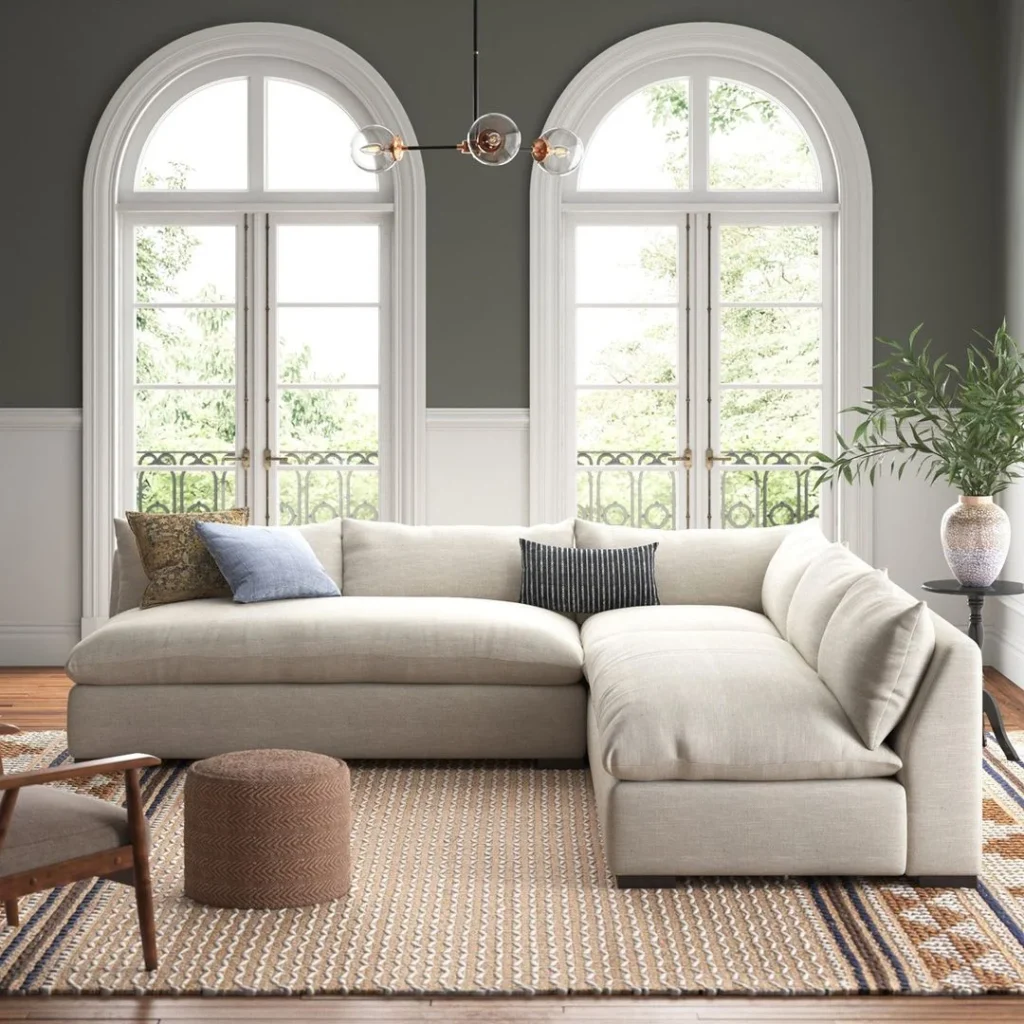
Sectional sofas bring several advantages that make them uniquely suited for compact interiors:
- Modular Flexibility: You can rearrange pieces to fit around doors, windows, or built‑in features.
- Efficient Footprint: A L‑shaped layout often utilizes corner space that would otherwise remain unused.
- Storage Integration: Many modern sectionals include hidden compartments for blankets, magazines, or gaming consoles.
- Visual Cohesion: A single, cohesive unit eliminates the visual break caused by multiple separate sofas.
Key Measurements to Keep in Mind
Measure Your Floor Space Accurately
Before you fall in love with any online listing, grab a tape measure and sketch a to‑scale floor plan. Record the length and width of the room, noting any protruding elements such as radiators, columns, or built‑in shelves. Leave at least 30‑40 cm (12‑16 in) of clearance around the sofa for easy traffic flow.
Determine the Ideal Sectional Size
For a room under 200 sq ft (≈ 18 m²), a sectional with a total length of 180‑210 cm (≈ 70‑82 in) and a depth of 80‑95 cm (≈ 31‑37 in) usually strikes the right balance. A chaise that folds or slides can add flexibility without permanently extending the footprint.
Height and Backrest Considerations
Lower backrests (around 55‑60 cm / 22‑24 in) create a more open feel, especially when paired with tall ceilings. Conversely, a higher back can provide a sense of enclosure and comfort, useful in studio apartments where the living area doubles as a sleeping zone.
Choosing the Right Configuration
L‑Shaped vs. U‑Shaped
An L‑shaped sectional hugs a corner, freeing up the center of the room for coffee tables, rugs, or additional seating. A U‑shaped layout, while offering more seating, demands a larger footprint and may dominate a small room unless the walls are long enough to accommodate the arms without blocking pathways.
Modular Pieces and Adaptability
Look for models that come in separate components—seat modules, corner units, and optional chaises. This modularity lets you start with a basic sofa and later add pieces as your space or needs evolve. It also simplifies moving, as each piece can be carried through tighter doorways.
Fabric, Color, and Texture Choices

Light Colors for an Expansive Feel
Neutral tones such as soft greys, beiges, or muted pastels reflect light, making the room appear larger. Pairing a light‑colored sectional with a contrasting rug or accent pillows can add depth without overwhelming the visual field.
Performance Fabrics for Durability
In small spaces, furniture tends to see more use. Opt for stain‑resistant, low‑pile fabrics like microfiber, performance velvet, or blended leathers that stand up to daily traffic. These materials also tend to maintain a sleek silhouette, preventing the sofa from looking bulky.
Strategic Use of Patterns
Subtle geometric patterns can add visual interest without shrinking the room. Avoid large, bold prints that compete with other décor elements. If you love patterns, consider using them on throw pillows or a slipcover rather than the entire sofa.
Integrating Storage Solutions
Many sectional sofas now feature built‑in storage compartments—ideal for small apartments where closet space is at a premium. Look for models with lift‑top seats, hidden drawers under chaise extensions, or side pockets for remote controls and magazines. These features keep clutter out of sight, preserving a clean, open aesthetic.
Complementary Furniture and Layout Tips
Choosing the Right Coffee Table
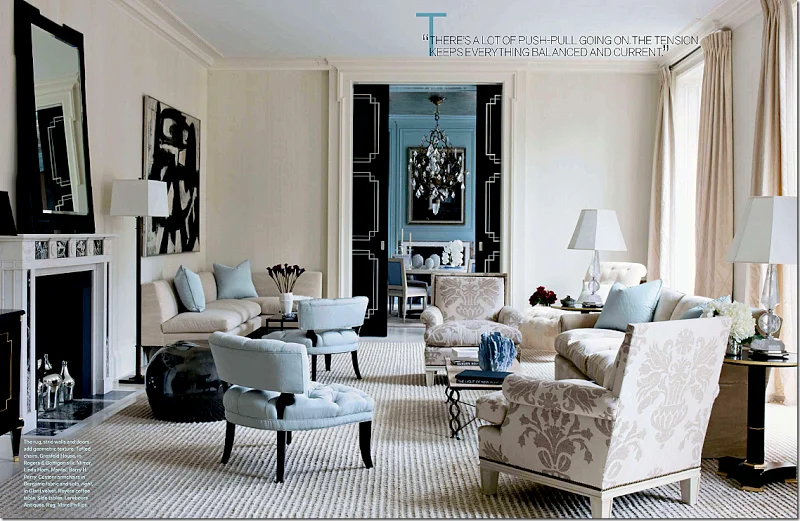
In a small room, a coffee table should be proportionate and preferably have a light visual weight. Glass tops, acrylic bases, or low‑profile wooden tables keep the vertical space open. Consider a nest of tables that can be spread out when needed and tucked away afterward.
Utilizing Multi‑Functional Pieces
A small lounge room can benefit from ottomans that double as extra seating or footrests, and side tables with built‑in charging stations. When space permits, a slim media console that aligns with the back of the sectional can define a media zone without adding bulk.
Lighting to Enhance Perception of Space
Strategic lighting can make a compact area feel larger. Wall sconces, floor lamps with upward‑facing shades, and layered lighting (ambient + task + accent) prevent the room from feeling cramped. For inspiration, see modern light fixtures for a stunning living room.
Placement Strategies for Maximum Flow

Anchor the Sectional to a Focal Point
Position the sectional so its back faces a focal point—whether a TV, a fireplace, or an art piece. This arrangement creates a natural gathering spot and reduces the need for additional seating.
Leave Clear Pathways
Even in a tiny layout, circulation is essential. Aim for a minimum of 60‑cm (24‑in) wide pathways between the sectional and other furniture pieces. This prevents the space from feeling congested and ensures safety, especially in homes with children or pets.
Use Rugs to Define Zones
A well‑chosen area rug can delineate the seating area, adding a layer of texture and warmth. Choose a rug size that allows at least 20‑cm (8‑in) of floor exposure around the edges, preserving a sense of openness.
Budget-Friendly Options Without Compromise
While sectional sofas can be a significant investment, many affordable models offer excellent value. Look for sales, outlet stores, or online retailers that provide high‑quality construction at lower price points. For an in‑depth look at cost‑effective choices, read affordable oversized couches with plush cushions that won’t break the bank.
Case Study: Small Apartment Makeover
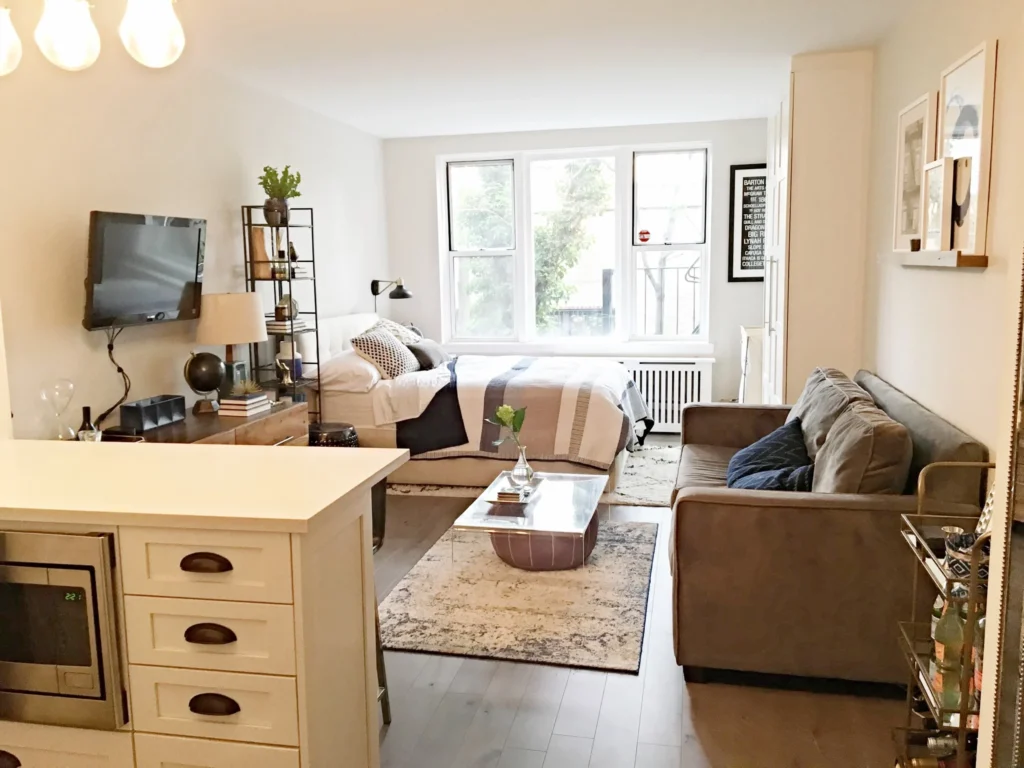
Consider a 45 sq m (≈ 480 sq ft) studio with a 2.5 m (≈ 8 ft) ceiling. The homeowner chose a compact L‑shaped sectional in a light grey performance fabric, paired with a glass coffee table and a narrow media console. By placing the sectional against the longest wall and leaving a clear 70‑cm (≈ 28 in) pathway to the kitchen, the space remained functional and airy. Hidden storage under the chaise housed linens and seasonal items, reducing clutter and enhancing the sleek aesthetic.
Maintenance and Longevity

Regular Cleaning Routines
Vacuum the upholstery weekly to remove dust and debris. Spot‑clean spills promptly using a gentle, fabric‑appropriate cleaner. For leather or faux‑leather finishes, apply a conditioning product quarterly to keep the material supple.
Protecting Against Wear
Use coasters and protective pads under drinks and décor items to prevent stains and dents. Rotate cushions periodically to ensure even wear, especially on high‑traffic sections of the sofa.
Future‑Proofing Your Investment

When selecting a sectional, consider the possibility of future moves or layout changes. Opt for pieces with neutral colors and classic silhouettes that will blend with various interior styles. Modular designs allow you to reconfigure the sofa to suit new spaces, extending its usefulness beyond your current residence.
By thoughtfully assessing dimensions, configurations, fabrics, and complementary furnishings, you can transform a modest room into a comfortable, stylish haven. A well‑chosen sectional sofa not only maximizes seating capacity but also contributes to the visual harmony of a small living area. Embrace the modular nature of these sofas, and let your creativity guide you toward a space that feels both expansive and inviting.
Ready to dive deeper into selecting the perfect size for your home? Explore the ultimate guide to choosing the right size oversized sofa for small apartments for additional insights and expert recommendations.
