 Admin
AdminFinding an oversized sofa that fits comfortably in a small apartment can feel like searching for a needle in a haystack. Yet, the right piece can become the centerpiece of your living room, offering plush seating while visually anchoring the space. The key is to balance the sofa’s generous dimensions with the constraints of a modest floor plan. This guide walks you through the essential steps—from measuring your room accurately to selecting a shape that maximizes both comfort and flow.
Before you start scrolling through endless catalogues, take a moment to envision how you actually use your living area. Do you host movie nights, work from home, or simply relax with a book? Your lifestyle will dictate the sofa’s size, depth, and configuration. In the following sections we’ll break down the math, the design principles, and the smart styling tricks that let an oversized sofa coexist peacefully with a compact apartment layout.
Understanding the True Footprint of an Oversized Sofa
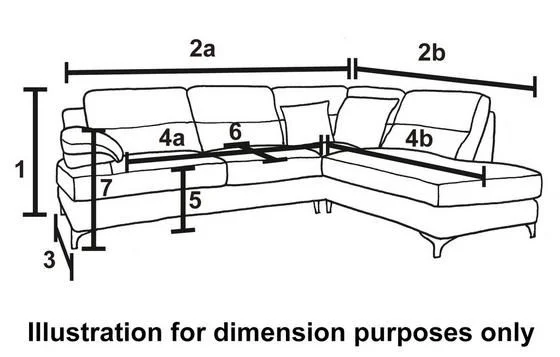
Oversized sofas are typically defined by three measurements: width (the horizontal span), depth (the distance from back to seat), and height (the backrest and arm height). While a 90‑inch wide, 40‑inch deep sectional looks majestic in a large loft, the same dimensions can overwhelm a 400‑square‑foot studio.
Measure Your Space Accurately
- Draw a scaled floor plan on graph paper or use a free online room planner.
- Mark doors, windows, and built‑in fixtures; leave at least 30‑inches of clearance for traffic flow.
- Consider the “clear zone” around the sofa: you’ll need space for coffee tables, side tables, and occasional foot traffic.
Calculate the Sofa-to‑Room Ratio
A comfortable ratio for a living area is roughly 30‑35% sofa coverage. For example, a 250‑square‑foot living room should accommodate a sofa that occupies about 75‑90 square feet. This rule helps you keep the room feeling open while still providing ample seating.
Choosing the Right Configuration for Tight Quarters
When square footage is limited, the shape of the sofa can be more important than its sheer size. Certain configurations naturally lend themselves to compact spaces.
Modular Sectionals
Modular pieces allow you to add or remove sections as needed. A three‑piece modular that can be arranged in an “L” shape often fits snugly against a wall while still delivering the oversized feel. For inspiration on larger layouts, see our article on the best oversized sectional sofas for large living rooms, which also highlights modular flexibility.
Chaise‑Integrated Sofas
A chaise lounge built into one end of the sofa can double as a lounging spot and a visual anchor, reducing the need for a separate accent chair. The chaise can be positioned against a wall to save floor space.
Low‑Profile, Deep‑Seat Designs
Choosing a sofa with a lower back but a deep seat gives the impression of size without towering over the room. This style also pairs well with floating coffee tables, preserving an airy feel.
Material and Color Choices That Enhance Perception of Space
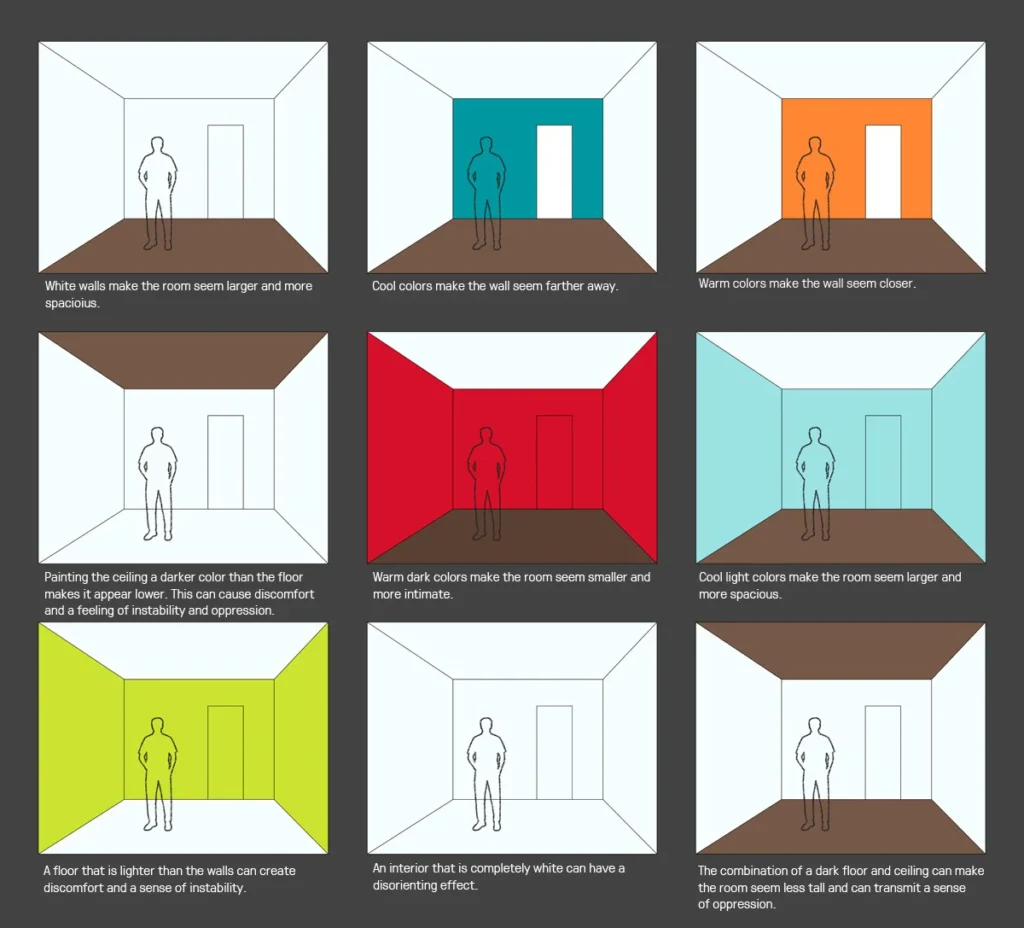
Beyond dimensions, the sofa’s fabric, color, and leg design dramatically influence how it interacts with a small room.
Light‑Colored Upholstery
Neutral or pastel shades reflect more light, making the sofa appear less bulky. A soft gray or ivory can blend seamlessly with other décor while still delivering the oversized comfort you crave.
Exposed Legs
Sofas with slender, raised legs create a sense of openness because you can see the floor beneath the seating area. This visual break reduces the “wall‑of‑fabric” effect that can make a room feel closed in.
Slipcovers and Removable Cushions
Choosing a sofa with removable cushions lets you rearrange seating for different occasions. A slipcover also offers an easy way to refresh the look without buying a new piece.
Strategic Placement: Making the Most of Every Inch

The placement of your oversized sofa can either amplify or alleviate the feeling of crowding. Below are proven layout tactics for small apartments.
Against a Long Wall
Placing the sofa flush against the longest uninterrupted wall maximizes floor space. If the wall includes a window, consider a low‑profile sofa that doesn’t obstruct natural light.
Floating Layout
Instead of anchoring the sofa to a wall, float it in the center of the room with a rug underneath. This creates distinct zones—a conversation area and a media zone—without sacrificing flow. Pair the floating sofa with a sleek, narrow coffee table to keep the center uncluttered.
Corner Placement with a Built‑In Chaise
Positioning a corner sofa in the room’s corner utilizes otherwise wasted space. The chaise component can serve as a reading nook or a place to stretch out after a long day.
Complementary Furniture and Décor to Balance the Scale
An oversized sofa should be balanced with other pieces that keep the room from feeling top‑heavy.
Slim, Tall Side Tables
Choose side tables that are tall and narrow—think metal or wood legs with a small glass top. These pieces provide surface area without eating up floor space.
Multi‑Functional Storage
Ottomans that double as storage bins or low cabinets placed behind the sofa can house blankets, magazines, or gaming controllers, reducing the need for separate storage units.
Vertical Accents
Tall bookshelves, floor lamps, or vertical artwork draw the eye upward, creating a sense of height that counteracts the sofa’s horizontal mass. For lighting ideas, check out modern light fixtures for a stunning living room.
Budget Considerations Without Compromising Quality

Oversized sofas often come with a premium price tag, but there are ways to achieve the look without breaking the bank.
Shop Sale Sections and Outlet Stores
Many retailers discount floor models or discontinued lines, offering substantial savings on high‑quality upholstery.
Consider Affordable Alternatives
For cost‑effective options that still deliver plush comfort, see our guide on affordable oversized couches with plush cushions that won’t break the bank. These pieces often feature durable synthetic fabrics that mimic the feel of higher‑end materials.
Invest in a Good Frame
A solid hardwood frame ensures longevity. Even if you opt for a budget-friendly fabric, a sturdy frame will keep the sofa stable for years.
Real‑World Examples: Small Apartments, Big Comfort
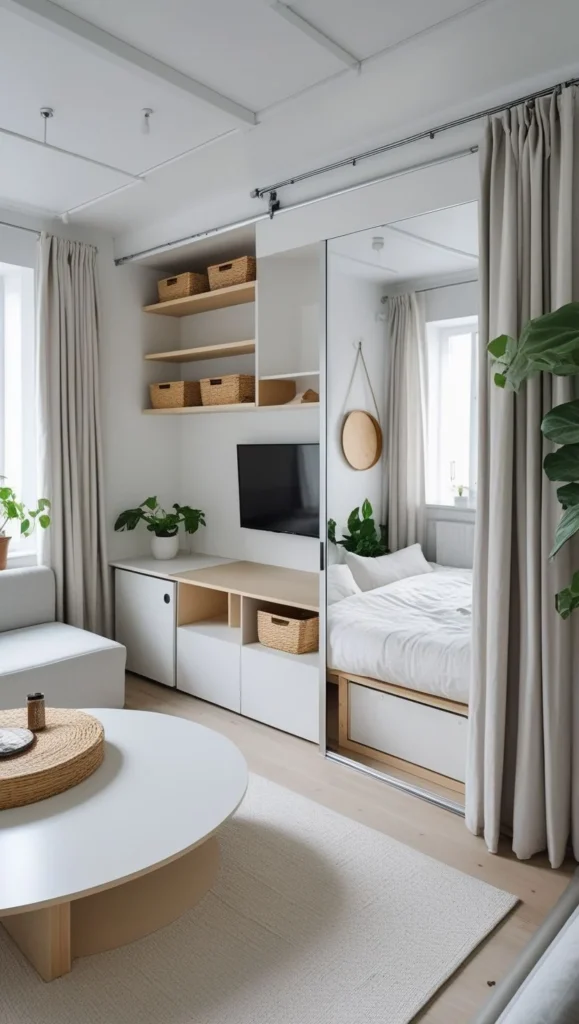
Below are three case studies that illustrate how designers successfully integrated oversized sofas into compact living spaces.
Studio Apartment in Manhattan
A 350‑square‑foot studio used a low‑profile, charcoal‑gray sectional with a built‑in chaise. The sofa floated on a light‑colored rug, while a sleek glass coffee table kept the floor visible. Vertical shelving on the opposite wall added storage without intruding on the seating area.
One‑Bedroom Loft in Portland
The homeowner chose a modular sectional in a soft linen fabric. Two modules formed an “L” against the living‑room wall, leaving a 36‑inch pathway to the kitchen. A reclaimed‑wood ottoman provided hidden storage for blankets, and a floor lamp with an arc head added ambient lighting.
Compact City Flat in Tokyo
A deep‑seat, low‑back sofa in a pastel teal hue was placed against the longest wall, directly opposite a wall‑mounted TV. A narrow side table on a single leg held a plant, adding a touch of greenery without cluttering the floor.
These examples prove that with thoughtful planning, an oversized sofa can be the hero of a small apartment rather than a space‑stealer.
In the end, the secret to choosing the right size oversized sofa for a small apartment lies in understanding the relationship between dimensions, layout, and visual balance. Measure carefully, opt for flexible configurations, select light colors and exposed legs, and place the sofa strategically to maintain flow. Complement the piece with slim side tables, vertical accents, and multifunctional storage to keep the room feeling airy and organized. By following these principles, you’ll enjoy the generous comfort of an oversized sofa while preserving the openness and functionality that small‑space living demands.
