 Admin
AdminWhen it comes to furnishing a compact living area, the Small Space Sectional emerges as a surprisingly versatile solution. Unlike traditional sofas that dominate floor space, a well‑chosen sectional can hug corners, create distinct zones, and still offer generous seating for family and guests. This introductory paragraph sets the stage for a deep dive into why sectional sofas are the secret weapon for apartment dwellers, city loft owners, and anyone looking to maximize every square foot without sacrificing style.
In the following sections we’ll explore the core benefits of selecting a sectional designed for limited footprints, dissect the key design elements that make a small sectional both functional and beautiful, and provide actionable tips for arranging your furniture so the room feels airy rather than crowded. Whether you’re redecorating a studio or adding a touch of elegance to a modest family room, the insights here will help you make an informed decision that pays off for years to come.
Why a Small Space Sectional Beats a Conventional Sofa
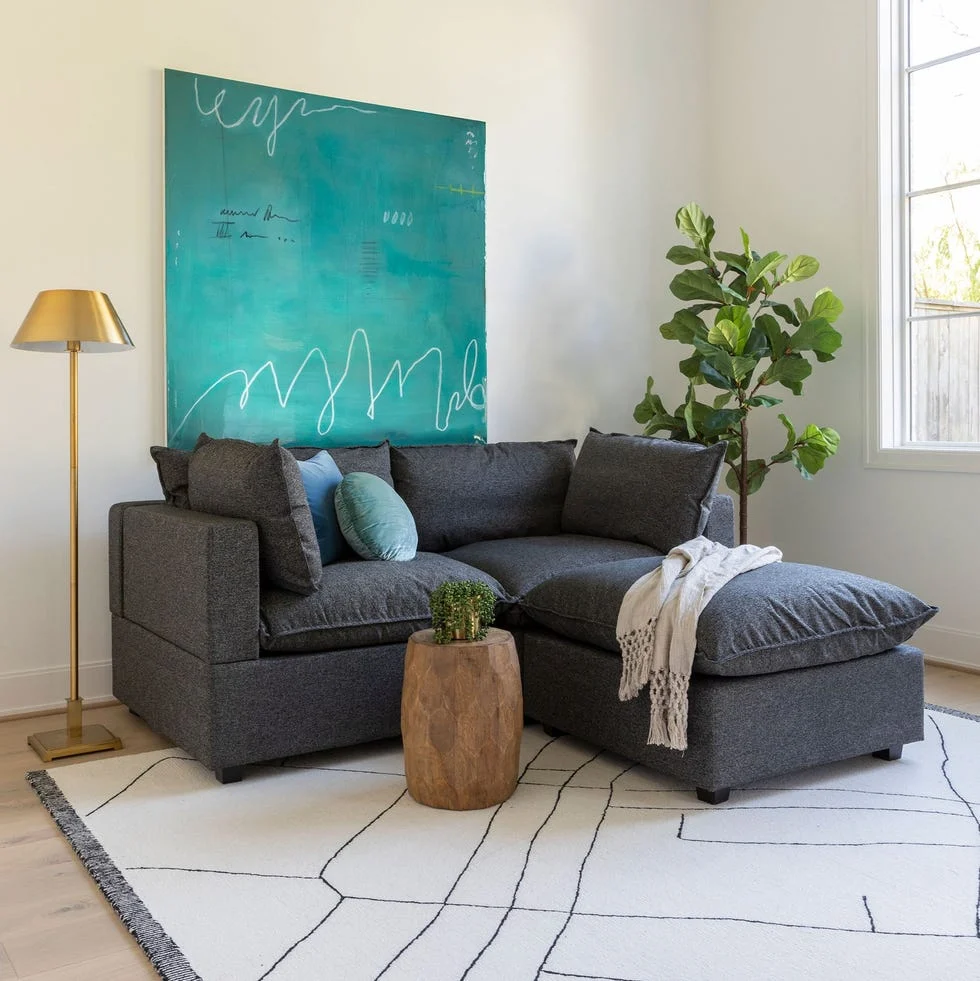
Traditional two‑seat sofas often leave awkward gaps in a room that’s already tight on space. A sectional, on the other hand, can be configured to fit the exact dimensions of your floor plan, eliminating dead zones and allowing for flexible seating arrangements. Here are the primary advantages:
- Optimized Footprint: Sectionals can wrap around corners or be split into separate pieces, making them adaptable to odd‑shaped rooms.
- Multi‑Functional Zones: By adding a chaise or an ottoman, you instantly create a lounging area, a reading nook, or even a makeshift workspace.
- Visual Cohesion: A single, cohesive piece reduces visual clutter compared to multiple individual chairs or sofas.
- Storage Opportunities: Many small sectionals come with hidden compartments, perfect for blankets, magazines, or remote controls.
For a concrete example of how a modern sectional can elevate a compact space, see The Secret to Maximizing Small Spaces with a Small Modern Sectional Couch. The article showcases real‑world layouts that illustrate the transformative power of a thoughtfully chosen piece.
Key Design Elements to Consider
1. Modular vs. Fixed Configurations
Modular sectionals consist of individual pieces that can be rearranged, added, or removed as your needs evolve. This flexibility is invaluable for renters who may need to move or reconfigure the layout later. Fixed configurations, while less adaptable, often provide a more streamlined aesthetic and can be slimmer, which is beneficial when wall space is at a premium.
2. Scale and Proportion
The most common mistake in small‑space design is purchasing furniture that overwhelms the room. Measure the area carefully, leaving at least 18‑24 inches of walking space around the sectional. A good rule of thumb is that the sectional’s depth should not exceed 30‑35 inches, and the overall length should be no more than 60‑70 percent of the room’s longest wall.
3. Fabric and Color Choices
Light‑colored upholstery (soft greys, muted blues, or warm beiges) reflects natural light, making the room feel larger. Meanwhile, performance fabrics such as polyester blends or microfiber resist stains and are ideal for high‑traffic households. If you prefer a bold statement, consider a sectional in a deep jewel tone paired with crisp white walls to create contrast without shrinking the visual space.
4. Integrated Features
Many contemporary small sectionals incorporate built‑in USB ports, power outlets, or even adjustable headrests. While these features add convenience, they should be balanced against the overall design language of your home. A sectional with a hidden storage compartment, for instance, can replace a separate side table, further decluttering the floor.
Strategic Layout Tips for Tiny Living Rooms
Corner‑Hugging Layout
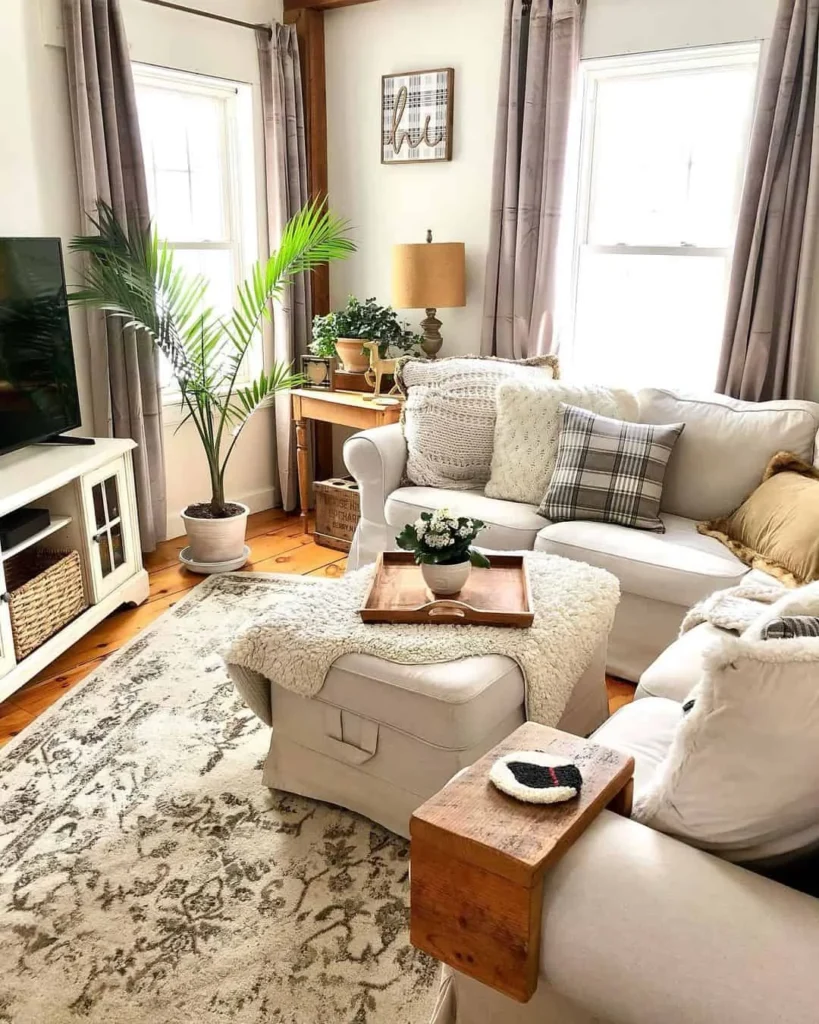
Place the sectional in the far corner of the room, allowing the chaise to extend along one wall. This arrangement frees up the central floor area for a coffee table or a compact sideboard. The corner placement also draws the eye upward, emphasizing ceiling height rather than floor space.
Floating Arrangement
If the room has a central focal point such as a fireplace or a large window, consider floating the sectional in the middle, angled slightly toward the feature. This creates a balanced composition and prevents the furniture from feeling anchored to the walls, which can make the space feel larger.
Split Configuration
Some small sectionals come as two separate pieces—a sofa and a chaise—that can be placed on opposite sides of a coffee table, forming a conversational U‑shape. This split setup works especially well in open‑plan apartments where the living area flows into the dining or kitchen space. It also allows you to reposition the pieces easily for entertaining or everyday use.
Use of Rugs and Lighting
A well‑chosen area rug can define the sectional’s zone while adding texture and warmth. Choose a rug that extends at least 12‑18 inches beyond the sectional’s edges to maintain visual balance. Complement the layout with floor lamps or wall sconces that provide layered lighting, ensuring the room feels open and inviting even after sunset.
Choosing the Right Small Space Sectional: A Buying Checklist
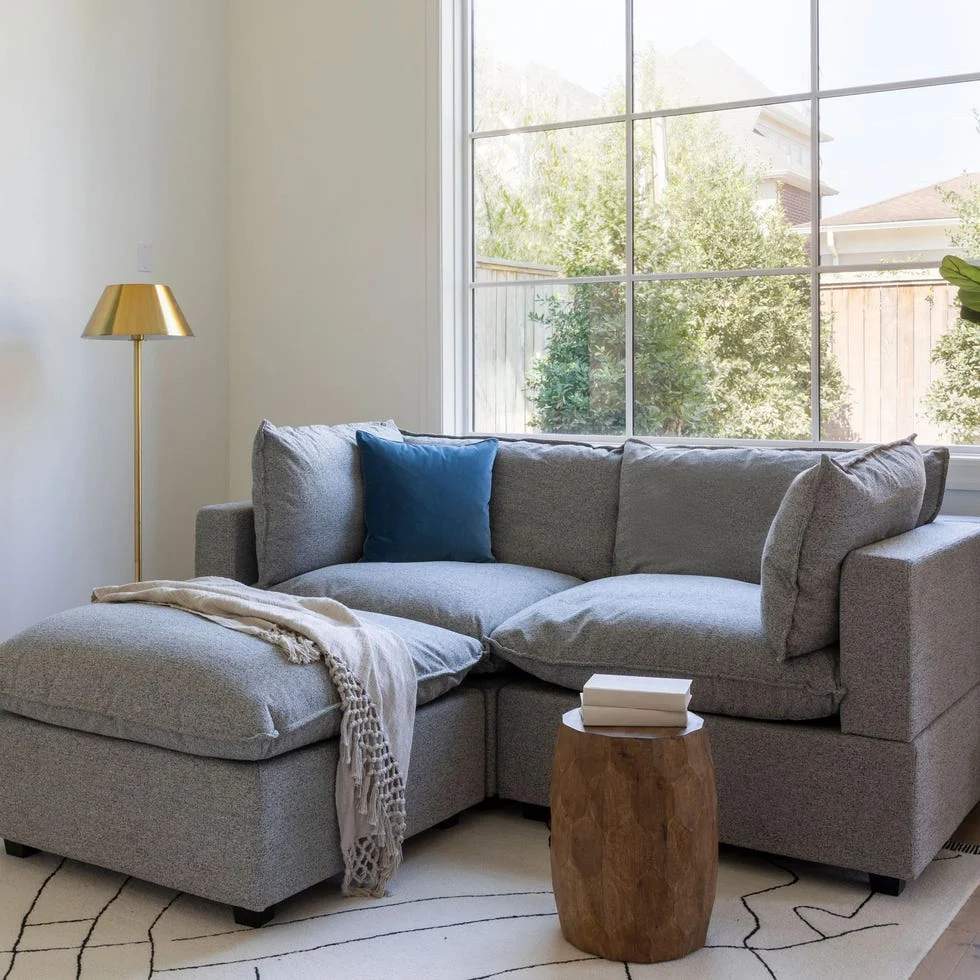
- Measure Accurately: Record the length, depth, and height of the intended space, including clearance for doors and windows.
- Check Modular Flexibility: Verify whether the pieces can be rearranged or expanded in the future.
- Assess Fabric Durability: Look for easy‑clean materials if you have kids or pets.
- Review Weight Capacity: Ensure the frame can support the number of users you anticipate.
- Confirm Delivery Logistics: Small sectionals often have tighter delivery constraints; make sure the entryway can accommodate the shipment.
For inspiration on how a larger sectional can dominate a room while still feeling cohesive, explore Unlock the Power of a Large Sectional With Chaise – The Ultimate Guide to Luxe Living. Although focused on larger models, the principles of scale and proportion translate directly to smaller options.
Styling Your Small Space Sectional for Maximum Impact
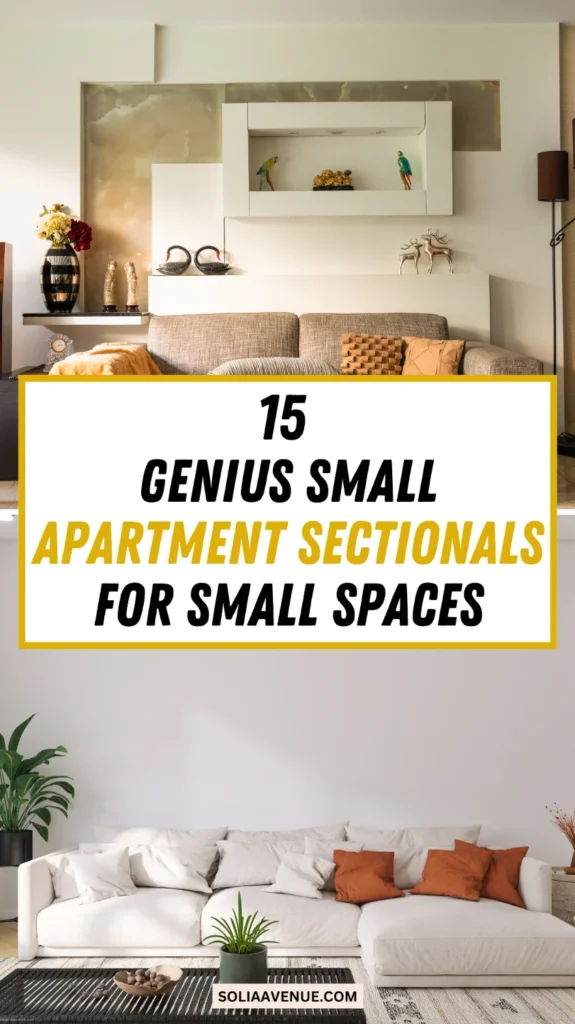
Complementary Accent Furniture
Pair the sectional with slender side tables or nesting tables that can be tucked underneath when not in use. A narrow console behind the sectional can serve as a display shelf without protruding into the walkways.
Vertical Decor Elements
When floor space is limited, think vertically. Tall floor lamps, wall art, or floating shelves draw the eye upward, giving the illusion of height. A gallery wall above the sectional can create a focal point and tie the seating area to the rest of the room’s décor.
Layered Textures
Mix cushions in varying fabrics—linen, velvet, knitted throws—to add depth and comfort. These accessories can be swapped seasonally, keeping the look fresh without investing in new furniture.
Color Cohesion
Maintain a limited color palette (two to three main hues) to avoid visual clutter. Use the sectional’s upholstery as the anchor color and introduce complementary tones through accessories, rugs, and artwork.
Maintenance and Longevity Tips

To keep your small space sectional looking new for years, follow these simple maintenance practices:
- Regular Vacuuming: Use a soft brush attachment to remove dust and debris from the fabric.
- Spot Cleaning: Treat spills immediately with a mild detergent solution; blot, don’t rub.
- Rotate Cushions: Flip and rotate cushions weekly to prevent uneven wear.
- Protect from Sunlight: Position the sectional away from direct sunlight or use UV‑filtering window treatments to prevent fading.
- Frame Inspection: Check the wooden or metal frame annually for loose joints and tighten as needed.
Real‑World Success Stories

Many homeowners have reported dramatic improvements in both aesthetics and functionality after swapping a traditional sofa for a small sectional. In a recent case study, a studio apartment in downtown Seattle reduced its visual clutter by 40 percent and gained an extra 15 square feet of usable floor space by installing a corner‑L‑shaped sectional with built‑in storage. The owners also noted increased comfort during movie nights, thanks to the added chaise.
Another example comes from a family of three living in a compact two‑bedroom condo. By choosing a modular small sectional that could be split into a sofa and a chaise, they created a dedicated homework area for their children without sacrificing the living room’s open feel. The hidden storage under the chaise housed school supplies and toys, keeping the space tidy.
These stories illustrate that the right sectional can be more than just a seat—it can serve as a multi‑purpose hub that adapts to a family’s evolving lifestyle.
In sum, a Small Space Sectional offers a rare combination of space efficiency, comfort, and design flexibility that makes it an essential piece for modern living environments. By paying attention to scale, modularity, fabric choice, and thoughtful arrangement, you can turn even the most modest living room into a welcoming, functional oasis. The strategic use of accessories, lighting, and vertical décor further amplifies the sense of space, ensuring that every square inch works for you. With proper care and maintenance, your sectional will remain a centerpiece of style and utility for years to come.