 Admin
Admin
When you live in a compact apartment or a cozy studio, every square foot counts. That’s why the small modern sectional couch has become a staple for urban dwellers seeking comfort without sacrificing style. Unlike traditional sofas that dominate a room, a well‑chosen sectional can hug corners, define zones, and even create the illusion of extra space. In this article we’ll explore how to select, arrange, and accessorize a small modern sectional couch so it becomes the centerpiece of your living area rather than a cramped obstacle.
Beyond aesthetics, a small modern sectional delivers practical benefits: flexible seating configurations, built‑in storage, and modular pieces that adapt as your needs evolve. Whether you’re furnishing a first‑time rental, a downsized home, or a stylish loft, the right sectional can make a modest floor plan feel surprisingly expansive. Below we break down the essential factors—size, shape, material, and layout—while offering actionable tips that blend design theory with real‑world practicality.
Understanding the Core Dimensions
The first step in mastering a small modern sectional couch is to grasp the measurements that make it “small” without compromising comfort. Typically, a small sectional measures between 80‑120 inches in length and 40‑60 inches in depth, with seat heights ranging from 16‑18 inches. These dimensions allow the piece to fit comfortably in apartments under 800 square feet while still providing ample seating for two to three people.
Measure Your Space Accurately
- Start by drawing a floor plan to scale, marking doors, windows, and radiators.
- Leave at least 24‑30 inches of clearance around the sectional for traffic flow.
- Consider the “L‑shape” footprint; the longer leg should align with the longest wall, while the shorter leg can nestle into a corner.
Choosing the Right Configuration
There are three primary configurations for small modern sectional couches:
- L‑shaped: Ideal for creating a natural conversation zone; the corner can serve as a built‑in chaise.
- U‑shaped (compact): Works well in open‑plan spaces where the sectional acts as a room divider.
- Modular pieces: Individual seats, ottomans, and armless chairs that can be rearranged as needed.
Material and Finish: Balancing Durability with Style

In a small living area, the upholstery you select can either open up the room or make it feel closed in. Light‑colored fabrics such as muted greys, soft beiges, or pastel blues reflect natural light, amplifying the sense of space. Conversely, darker tones can create a cozy, intimate atmosphere but should be balanced with lighter accessories to avoid a cramped feel.
Fabric vs. Leather
- Fabric: Offers a wide palette of textures and patterns; breathable and often more forgiving for everyday use.
- Leather: Adds a sleek, modern vibe; easier to wipe clean but can feel colder in winter months.
- Hybrid options, like leather‑accented fabric, provide the best of both worlds.
Durability Considerations
For high‑traffic areas, look for performance fabrics with a low‑pilling rating and stain‑resistance. Brands often label these as “solution‑dye” or “microfiber.” If you have pets or children, a tightly woven weave or a removable slipcover can extend the couch’s lifespan.
Design Strategies to Enhance Small Spaces
Even the most perfectly sized sectional can fall flat without thoughtful design integration. Here are proven strategies that make a small modern sectional couch work harmoniously with the rest of your interior.
Use the Sectional as a Room Divider
In studio apartments, an L‑shaped sectional placed back‑to‑back with a bookshelf or a low console can delineate a sleeping area from a living zone without erecting permanent walls. This visual separation maintains openness while providing functional zones.
Incorporate Multi‑Functional Pieces
- Choose a sectional with built‑in storage compartments beneath the seat to hide blankets, magazines, or board games.
- Opt for an armless chaise that doubles as a daybed; add a fold‑away tray for a portable workspace.
- Integrate a coffee table with nesting side tables that slide under the couch when not in use.
Leverage Vertical Space
When floor space is limited, draw the eye upward. Install floating shelves or a narrow bookcase behind the back of the sectional. This not only adds storage but also creates a backdrop that makes the couch appear anchored and purposeful.
Color Coordination and Accents
Pair the sectional with a complementary rug that defines the seating area. A rug slightly larger than the sectional footprint pulls the arrangement together and adds texture. Accent pillows in contrasting colors or subtle patterns introduce visual interest without overwhelming the space.
Buying Guide: What to Look For

Investing in a small modern sectional couch is a decision that blends aesthetics, ergonomics, and budget. Below is a concise checklist that streamlines the buying process.
Comfort Metrics
- Seat depth: 20‑22 inches is ideal for most users; deeper seats may feel too engulfing in tight spaces.
- Backrest angle: A slight recline (110‑115 degrees) supports relaxation without taking up extra room.
- Cushion fill: High‑density foam offers firm support; a blend with down feathers adds plushness.
Construction Quality
- Frame: Kiln‑dried hardwood frames resist warping.
- Joinery: Look for dowel, glue, and screw joints rather than cheap staples.
- Suspension: Eight‑way hand‑tied springs provide consistent support across the seat.
Modularity and Expandability
If you anticipate future changes—like a new roommate or a larger living area—select a sectional that offers additional modules such as a matching ottoman or an extra chaise. This flexibility protects your investment and reduces the need for a complete replacement later.
Warranty and After‑Sales Service
Reputable manufacturers typically provide a 5‑year warranty on frames, 2‑year on cushions, and a limited lifetime warranty on upholstery. Verify the warranty terms and read customer reviews for real‑world insights.
Styling Your Small Modern Sectional: Real‑World Examples
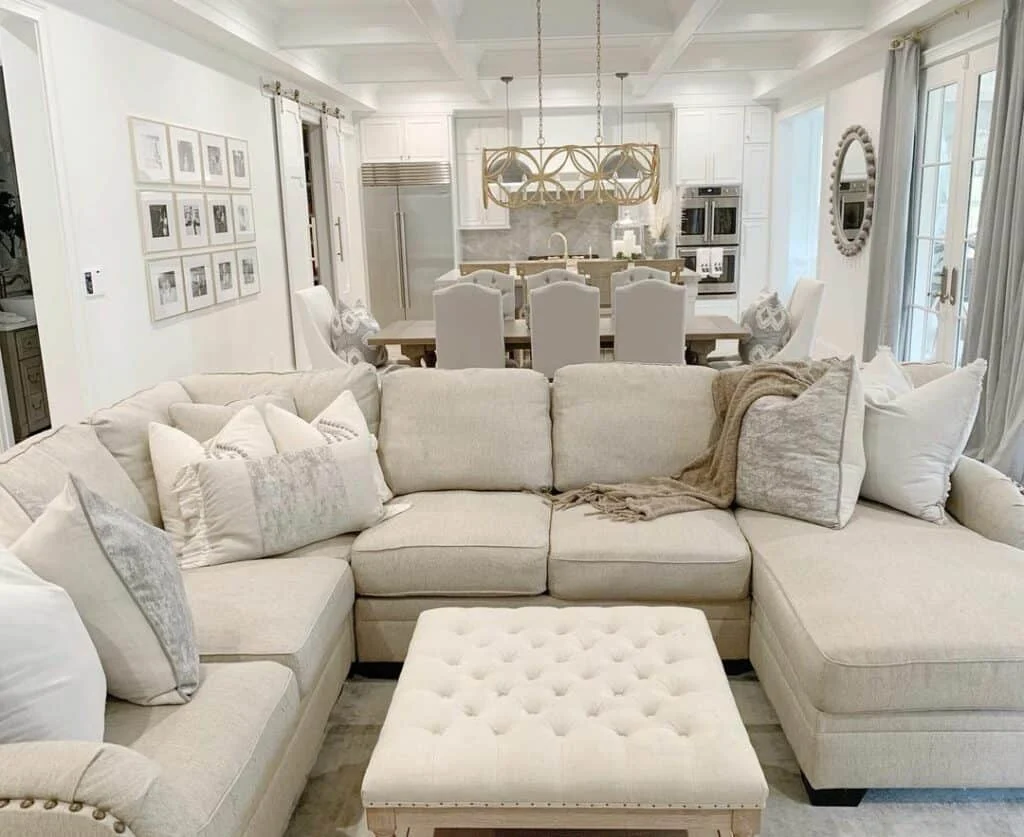
Seeing concepts in action helps translate theory into practice. Below are three curated room setups that demonstrate how a small modern sectional couch can transform diverse interior styles.
Scandinavian Minimalism
Pair a light‑gray fabric sectional with a natural‑wood coffee table and a simple white rug. Add a few pastel cushions and a hanging plant to introduce a touch of greenery. The clean lines and neutral palette amplify natural light, making the room feel airy.
Industrial Loft
Choose a charcoal‑leather sectional with metal legs. Complement it with a reclaimed‑wood side table, exposed‑brick wall, and a large abstract canvas. The contrast between soft upholstery and rugged finishes creates a balanced, masculine vibe.
Mid‑Century Modern
A teal velvet sectional paired with a walnut teak coffee table and a geometric rug evokes the iconic 1950s aesthetic. Add a floor lamp with a brass finish and a few vintage accessories for authenticity.
For deeper insight into sectional selections, you might explore Small Sofa Sectional Mastery: How to Choose, Style, and Live Larger in Small Spaces, which offers additional case studies and layout diagrams.
Maintenance Tips to Keep Your Sectional Looking Fresh

Regular care prolongs the lifespan of your small modern sectional couch and maintains its aesthetic appeal.
Routine Cleaning
- Vacuum weekly with a soft brush attachment to remove dust and debris.
- Spot‑clean spills immediately using a mild detergent mixed with water; avoid harsh chemicals that can damage fabric fibers.
- Rotate cushions every few months to ensure even wear.
Seasonal Upkeep
During winter, use a humidifier to prevent leather from drying out. In summer, protect fabric from UV fading by applying a fabric protector spray and using window treatments that filter harsh sunlight.
Professional Services
Consider a professional deep‑cleaning service once a year, especially for high‑traffic homes or households with pets. This helps eradicate allergens and refresh the upholstery’s look.
If you’re also interested in optimizing other home systems, the article Why Choose an Oversized Sectional Sofa with Chaise? surprisingly highlights how strategic furniture placement can affect heating efficiency—something to ponder when arranging a sectional near a thermostat.
In summary, a small modern sectional couch is more than a piece of furniture; it’s a versatile design tool that can reshape the perception of space, improve functionality, and elevate the overall aesthetic of a compact living area. By paying close attention to dimensions, material choices, layout strategies, and maintenance routines, you can select a sectional that not only fits your space but also enhances your lifestyle. Whether you favor the sleekness of leather, the softness of fabric, or the adaptability of modular components, the right small modern sectional couch can make even the tiniest apartment feel spacious, welcoming, and unmistakably yours.
