 Admin
Admin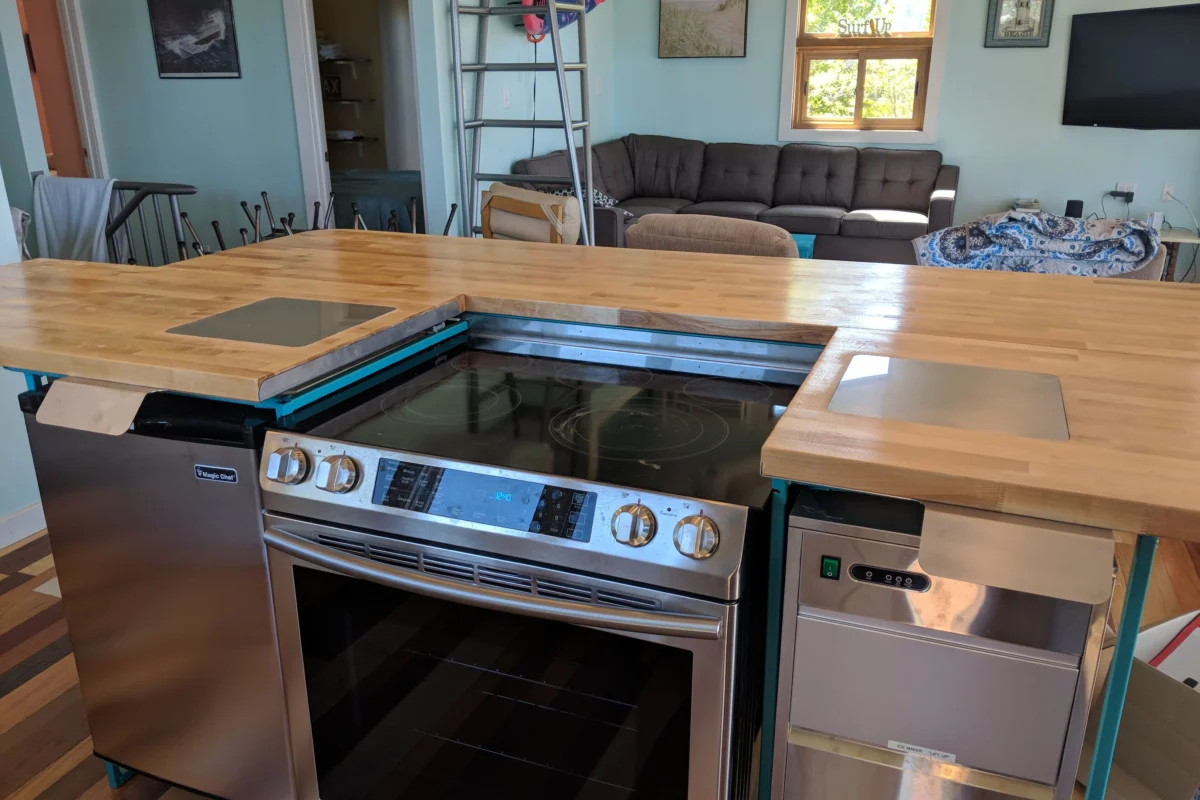
Stove Top in Island designs are rapidly becoming the centerpiece of modern kitchens, offering a blend of social interaction and culinary efficiency that traditional ranges simply can’t match. Homeowners are drawn to the open‑plan feel, the ability to face guests while cooking, and the sleek aesthetic that an island‑mounted cooktop provides. Yet, the shift from a wall‑mounted range to an island stove top isn’t just about swapping appliances; it involves careful planning, precise installation, and a solid understanding of ergonomics, ventilation, and safety.
In this comprehensive guide we’ll walk you through every critical decision point, from choosing the right type of stove top—gas, electric, or induction—to configuring countertop depth, ensuring proper venting, and integrating seating for a truly multifunctional hub. By the end of the article you’ll be equipped to design a kitchen island that not only looks spectacular but also performs flawlessly day after day.
Whether you’re renovating a compact urban loft or crafting a sprawling gourmet kitchen, the principles outlined here will help you avoid common pitfalls, maximize space, and create a focal point that elevates both cooking and entertaining.
Understanding the Core Benefits of a Stove Top in Island
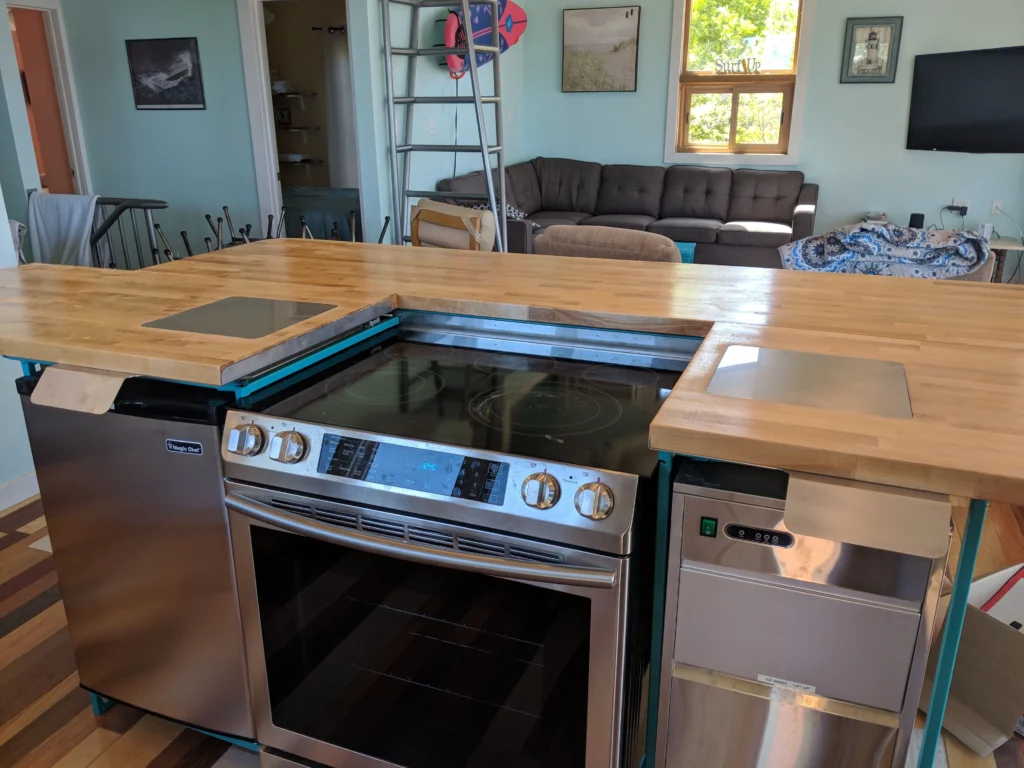
Before diving into the technicalities, it’s worth clarifying why an island‑mounted stove top is more than a trendy feature. The advantages can be grouped into three broad categories: social dynamics, workflow efficiency, and visual impact.
Social Dynamics: Cook and Converse Simultaneously
- Guests can gather around the island, watching food preparation in real time.
- Parents can keep an eye on children while stirring a pot, fostering a family‑friendly environment.
- Open‑concept layouts encourage spontaneous conversation, making the kitchen the heart of the home.
Workflow Efficiency: The Kitchen Work Triangle Redefined
- Placing the stove top centrally reduces the distance between the sink, refrigerator, and prep area.
- Integrated storage drawers beneath the island keep utensils, pots, and pans within arm’s reach.
- Seating on one side of the island creates a natural “command center” where the cook can manage multiple tasks.
Visual Impact: A Modern Focal Point
- A sleek stainless‑steel or black glass cooktop adds a professional‑grade look.
- Contrasting countertop materials—such as quartz versus butcher block—highlight the appliance.
- Strategic lighting, like pendant fixtures, accentuates the island and draws the eye.
Choosing the Right Stove Top Type for Your Island

The three primary stove top technologies each bring unique strengths and installation considerations. Your choice should reflect cooking style, budget, and the existing infrastructure of your home.
Gas Cooktops: Precision and Immediate Heat Control
Gas remains the favorite of professional chefs due to the instant flame and adjustable heat levels. When installing a gas stove top in an island, ensure a dedicated gas line runs safely beneath the countertop. You’ll also need a high‑quality vent hood—either a downdraft system integrated into the island or a ceiling‑mounted hood—to capture steam and odors.
Electric Coil or Smooth‑Top: Consistent Heat Distribution
Electric models are easier to install because they only require a 240‑volt circuit. Smooth‑top ceramic or glass surfaces offer a sleek, easy‑to‑clean surface but may lack the rapid response of gas. If you choose electric, consider a built‑in induction module for faster heating and better energy efficiency.
Induction Cooktops: Speed, Safety, and Energy Efficiency
Induction technology heats the pan directly through magnetic fields, resulting in faster cooking and cooler surrounding surfaces. This makes induction especially suitable for island installations where safety is paramount—especially in homes with children. However, you’ll need compatible cookware (magnetic‑friendly) and a robust electrical supply.
Designing the Island Layout: Size, Shape, and Function

Designing an island that houses a stove top involves more than just cutting a hole in the countertop. The island must accommodate cooking, prep, storage, and seating while maintaining comfortable clearances.
Standard Dimensions and Clearances
- Island Width: Aim for at least 42–48 inches to allow ample countertop on both sides of the stove.
- Depth: A minimum of 36 inches provides enough space for a standard 30‑inch cooktop and a 6‑inch backsplash.
- Legroom: Keep at least 42 inches of clearance between the island and surrounding cabinets or walls.
- Seating: Allocate 24–30 inches of overhang for comfortable bar‑height seating.
Integrating Storage Solutions
Below the cooktop, recessed drawers can hold pots, pans, and spatulas, while a pull‑out trash bin keeps waste out of sight. Some designers incorporate a warming drawer or a built‑in spice rack directly under the island to keep essentials within reach.
Ventilation Options
Two main strategies exist for island ventilation:
- Downdraft Ventilation: A retractable vent pulls smoke and steam downward, then out through a duct hidden in the cabinetry. Ideal for minimalist aesthetics, but it may be less powerful than a traditional hood.
- Ceiling‑Mounted Hood: A custom hood suspended from the ceiling provides strong suction and can become a statement piece. This option requires careful coordination with structural supports and possibly a raised ceiling.
For a deeper dive into venting considerations, see our comprehensive guide to kitchen islands with stove tops and seating, which outlines the pros and cons of each system in detail.
Electrical and Gas Safety: What Every Homeowner Must Know
Safety is non‑negotiable when placing a high‑heat appliance at the center of your living space. Below are essential checks before any installation begins.
Electrical Requirements
- Ensure a dedicated 240‑volt, 50‑amp circuit for a 48‑inch electric or induction cooktop.
- All wiring must be installed in conduit and meet local building codes.
- Install a GFCI breaker to protect against electrical faults.
Gas Line Installation
- Hire a licensed plumber to run a new gas line to the island, complete with a shut‑off valve.
- Use stainless‑steel or copper tubing rated for the intended pressure.
- Test for leaks with a soap‑solution before finalizing the connection.
Fire Suppression and Heat Protection
- Consider a fire‑suppression blanket under the cooktop, especially for gas models.
- Install heat‑resistant backing material (e.g., cement board) beneath the countertop cutout.
- Maintain a minimum of 6 inches of clearance between the flame and any combustible material.
Material Choices: Countertops, Backsplashes, and Finishes

The visual harmony of your island depends on the interplay of materials. Here are popular choices and their practical implications.
Quartz
Engineered quartz offers durability, low maintenance, and a wide array of colors. It resists stains and scratches—perfect for the high‑traffic area surrounding a stove top.
Butcher Block
Wood adds warmth and a rustic charm, but it requires regular sealing and is more susceptible to heat damage. Use a heat‑resistant trivet or a built‑in metal plate beneath the cooktop to protect the surface.
Granite
Natural stone brings a timeless elegance, yet it needs periodic sealing to prevent staining. Granite’s heat resistance makes it a solid choice for island applications.
Beyond the countertop, the backsplash can become a design statement. For example, a full‑height glass tile backsplash not only protects the wall from splatters but also reflects light, enhancing the kitchen’s overall brightness. For further inspiration on visual cohesion, explore our article on design and aesthetic appeal of kitchen islands.
Lighting the Island: Function Meets Ambiance

Proper illumination is essential for safe cooking and creating a welcoming atmosphere. Combine task lighting with ambient fixtures for a layered effect.
Task Lighting
- Install LED strip lights under the overhang to illuminate the countertop without glare.
- Consider recessed downlights positioned at a 45‑degree angle to reduce shadows.
Ambient Lighting
- Pendant lights with dimmable bulbs provide both style and flexibility.
- Choosing fixtures that echo the material of the island—such as brushed nickel or matte black—creates visual unity.
Practical Tips for Seamless Installation and Long‑Term Use

Plan for Future Upgrades
Leave extra conduit space for potential future appliances, such as a built‑in steam oven or a wine cooler, to avoid costly renovations later.
Maintain Adequate Vent Clearance
Even with a downdraft system, periodic cleaning of the vent filters ensures consistent suction and prevents grease buildup.
Test All Connections Before Use
After installation, run the stove on low heat for several minutes while checking for gas leaks, electrical stability, and proper ventilation flow. This step can catch issues before they become hazardous.
Protect the Island Edge
Use silicone or metal edge trims to shield the cutout around the stove top, reducing the risk of chipping and providing a clean finish.
Cost Considerations: Budgeting for a High‑Impact Feature
Investing in a stove top island can vary widely based on materials, appliance type, and labor. Below is a rough breakdown to help you set realistic expectations.
- Appliance Cost: Gas cooktops range from $800–$2,500; induction models can reach $3,000–$5,000.
- Countertop Materials: Quartz ($70–$150 per sq ft), granite ($50–$120 per sq ft), butcher block ($30–$80 per sq ft).
- Ventilation System: Downdraft kits ($600–$2,000); ceiling‑mounted hoods ($500–$3,500).
- Labor: Professional installation (electrical, gas, cabinetry) typically $1,000–$3,000 depending on regional rates.
While the upfront cost can be significant, the added resale value and daily enjoyment often justify the investment. A well‑designed island can become the selling point in a home’s listing, appealing to buyers who value both form and function.
Maintenance Routine: Keeping Your Island Pristine

Regular upkeep ensures longevity and safety. Adopt the following schedule:
- Weekly: Wipe down the countertop with a mild cleaner; clean the vent filter.
- Monthly: Inspect gas connections for signs of wear; test the downdraft or hood for proper suction.
- Annually: Seal granite or quartz surfaces if recommended by the manufacturer; deep‑clean the vent duct.
Real‑World Inspiration: Case Studies

To illustrate how the principles above translate into stunning spaces, consider these two recent projects.
Urban Loft with Minimalist Aesthetic
A 1,200‑square‑foot loft featured a 36‑inch induction cooktop set into a white quartz island, paired with a sleek glass downdraft vent. The island’s overhang accommodated three bar stools, creating a seamless transition between cooking and entertaining. The designer chose recessed LED lighting under the countertop, giving the work surface a subtle glow that highlighted the clean lines.
Family‑Oriented Suburban Kitchen
In a 2,500‑square‑foot home, a 48‑inch gas stove top was installed on a granite island with built‑in spice drawers and a warming compartment. A powerful ceiling‑mounted hood with a decorative copper finish served as both a functional vent and a focal point. The island’s generous width allowed for a 6‑foot prep area on one side and a breakfast bar on the other, accommodating both daily meals and weekend brunches.
Final Thoughts on Creating a Functional Island Masterpiece

Integrating a stove top into your kitchen island is a bold move that can dramatically reshape how you cook, interact, and experience your home. By carefully selecting the appropriate cooktop technology, planning clearances, addressing ventilation, and choosing complementary materials, you set the stage for a kitchen that feels both luxurious and highly functional. Remember that safety and precision during installation are just as important as the aesthetic decisions you make. With thoughtful design, the island becomes more than a workstation—it transforms into a gathering hub where culinary creativity meets everyday life.