 Admin
AdminWood-burning stoves have enjoyed a resurgence in modern homes, offering both sustainable heat and a touch of rustic charm. While their warm glow can transform a kitchen into a cozy gathering place, the open flame also introduces a hidden risk: the potential for stray embers or sparks to ignite surrounding surfaces. This is where fireproof mats for wood stoves become indispensable. Not only do they protect flooring and cabinetry, they also give homeowners peace of mind, allowing them to enjoy the stove’s benefits without constant worry.
Choosing the right fireproof mat involves more than simply picking the cheapest option. Material composition, size, durability, and aesthetic compatibility with your décor all play a role in a successful installation. In this comprehensive guide we will explore the science behind fire‑resistant fabrics, outline practical selection criteria, and share maintenance tips that keep your mat performing year after year. By the end, you’ll understand why a well‑chosen fireproof mat is as essential as the stove itself.
Fireproof Mats for Wood Stoves: Key Benefits and Safety Fundamentals
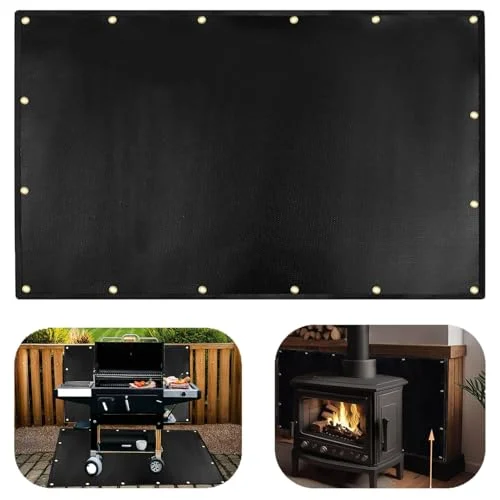
When a wood stove operates, it releases heat, ash, and occasional sparks that can reach temperatures well above 1,000°F (540°C). A fireproof mat acts as a barrier, preventing these hot particles from contacting combustible surfaces such as hardwood floors, carpet, or painted walls. The primary safety benefits include:
- Reduced risk of floor‑level fires caused by stray embers.
- Protection of expensive flooring materials from heat stains and ash damage.
- Enhanced compliance with local building codes that often require a non‑combustible surface beneath any solid‑fuel appliance.
- Added stability for the stove, minimizing the chance of tipping due to uneven flooring.
Beyond safety, fireproof mats contribute to the overall aesthetic of a kitchen. Many manufacturers offer mats in neutral tones, subtle patterns, or even custom prints that complement rustic interiors. Pairing a well‑chosen mat with a thoughtfully decorated hearth can elevate the visual impact of the stove, turning it into a focal point rather than a functional afterthought.
Fireproof Mats for Wood Stoves – Selecting the Ideal Material
The effectiveness of a fireproof mat largely depends on its material composition. The most common options are:
- Silica‑based tiles: These are dense, heavy, and provide excellent heat resistance. They are ideal for high‑traffic areas but can be cumbersome to move.
- Fiberglass‑reinforced fabrics: Lightweight yet durable, these mats often feature a silicone backing for added slip resistance. They are easier to cut to size and can be rolled for storage.
- Metallic fire‑resistant plates: Typically made from stainless steel or aluminum with a fire‑retardant coating. They offer a sleek, industrial look and can be custom‑cut to fit any stove footprint.
When evaluating options, consider the following criteria:
- Heat rating: Look for a mat rated for at least 1,200°F (650°C) to ensure it can handle peak stove temperatures.
- Thickness: Thicker mats provide better insulation but may require a slightly larger stove footprint.
- Slip resistance: A non‑slip backing prevents the stove from shifting during use, especially on polished wood or tile floors.
- Ease of cleaning: Mats that can be vacuumed or wiped down with a damp cloth simplify routine maintenance.
For those who love a cohesive rustic aesthetic, integrating a fireproof mat with other farmhouse décor elements can create a harmonious look. For example, pairing a neutral‑tone mat with farmhouse table decor ideas – elevate your rustic space can reinforce a warm, inviting atmosphere throughout the kitchen.
Installation Best Practices for Fireproof Mats

Proper installation is critical to ensure the mat functions as intended. Follow these steps for a seamless setup:
- Measure the stove base: Record the length and width of the stove’s bottom plate, then add a 2–3‑inch margin on each side to accommodate heat dispersion.
- Prepare the floor surface: Clean the area thoroughly, removing dust, debris, and any loose flooring material that could compromise adhesion.
- Lay the mat flat: Position the mat centered under the stove, ensuring there are no wrinkles or air pockets.
- Secure if necessary: For heavy tiles, a thin layer of fire‑resistant adhesive can help keep the mat in place. For lighter fabrics, a double‑sided heat‑resistant tape may be sufficient.
- Check clearance: Verify that the stove’s legs or casters make firm contact with the mat without rocking.
After installation, conduct a brief safety check by lighting a small fire and observing the mat’s response. The surface should remain cool to the touch after the fire is extinguished, indicating effective heat dispersion.
Maintenance and Longevity Tips

A fireproof mat is an investment that can last for many years with proper care. Here are practical maintenance guidelines:
- Regular vacuuming: Remove ash, dust, and tiny embers after each use to prevent buildup that could degrade the mat’s surface.
- Spot cleaning: Use a mild detergent and warm water for stains. Avoid harsh chemicals that may weaken fire‑retardant coatings.
- Periodic inspection: Look for signs of wear such as thinning, cracks, or discoloration. Replace the mat if any damage is evident.
- Seasonal rotation: If you store the stove during milder months, roll the mat and keep it in a dry location to avoid moisture damage.
For homeowners who enjoy seasonal décor changes, a fireproof mat can be swapped out for a decorative runner that still meets safety standards, allowing you to refresh the kitchen’s look without sacrificing protection.
Choosing the Right Size and Shape

Stove dimensions vary widely, from compact inserts to large freestanding models. Selecting a mat that matches the specific footprint of your wood stove is essential for both safety and aesthetics. Consider the following sizing guidelines:
- Standard rectangular stoves: Opt for a mat that extends at least 6 inches beyond each side of the stove’s base.
- Round or oval stoves: Choose a circular or oval mat that mirrors the stove’s shape, providing uniform heat protection around the entire perimeter.
- Custom cuts: Some manufacturers offer laser‑cut mats that can be trimmed to precise dimensions, ideal for unique stove designs.
When integrating a fireproof mat into a broader interior design plan, think about how the mat’s edges align with surrounding floor tiles or rugs. A cohesive layout can reinforce the sense of order and safety in the space.
Environmental Considerations and Certifications
Eco‑conscious buyers may wonder about the environmental impact of fireproof mats. Look for products that carry reputable certifications such as:
- UL 94: A standard for flammability of plastic materials, indicating a high level of fire resistance.
- Greenguard Gold: Confirms low chemical emissions, making the mat safer for indoor air quality.
- Recycled content: Some fiberglass fabrics incorporate reclaimed glass, reducing waste.
Choosing a certified mat not only enhances safety but also aligns with sustainable living practices—a growing priority for many wood‑stove owners.
Frequently Asked Questions About Fireproof Mats for Wood Stoves
Can a fireproof mat replace a heat shield?
No. A fireproof mat protects the floor, while a heat shield is installed directly behind the stove to protect walls. Both components serve distinct safety functions and should be used together when required by local codes.
Are fireproof mats fire‑resistant or fire‑proof?
Most mats are fire‑resistant, meaning they can withstand high temperatures without igniting. True fire‑proof materials are rare and typically more expensive. The term “fireproof” in product naming generally indicates a high level of resistance rather than absolute immunity to fire.
Do I need a mat if my stove sits on a tile floor?
Even on non‑combustible tiles, a mat provides an additional safety layer, absorbs heat, and protects grout from ash and soot. Many insurance policies also require a non‑combustible barrier regardless of the underlying floor material.
How often should I replace my fireproof mat?
Replacement intervals depend on usage frequency and material durability. As a rule of thumb, inspect the mat annually and replace it after 5–7 years of regular use, or sooner if any wear is detected.
Integrating Fireproof Mats with Rustic Kitchen Design
The visual impact of a wood stove can be amplified when paired with thoughtful décor. A well‑chosen fireproof mat can serve as a neutral canvas that highlights other rustic elements, such as reclaimed wood tables or vintage accessories. For inspiration, explore farm table decor: a complete guide to rustic elegance, which showcases how simple accessories can transform a functional space into a stylistic statement.
Similarly, a fireproof mat in a muted earth tone can complement farm table centerpiece ideas for rustic elegance, allowing the stove’s natural glow to mingle with candlelight and seasonal foliage. This synergy creates a warm, inviting environment perfect for family gatherings.
In summary, fireproof mats for wood stoves are not merely a safety requirement; they are a versatile design element that protects your home while enhancing its visual appeal. By selecting the appropriate material, installing it correctly, and maintaining it diligently, you safeguard your living space and enjoy the timeless comfort of a wood‑burning hearth for many seasons to come.
