 Admin
Admin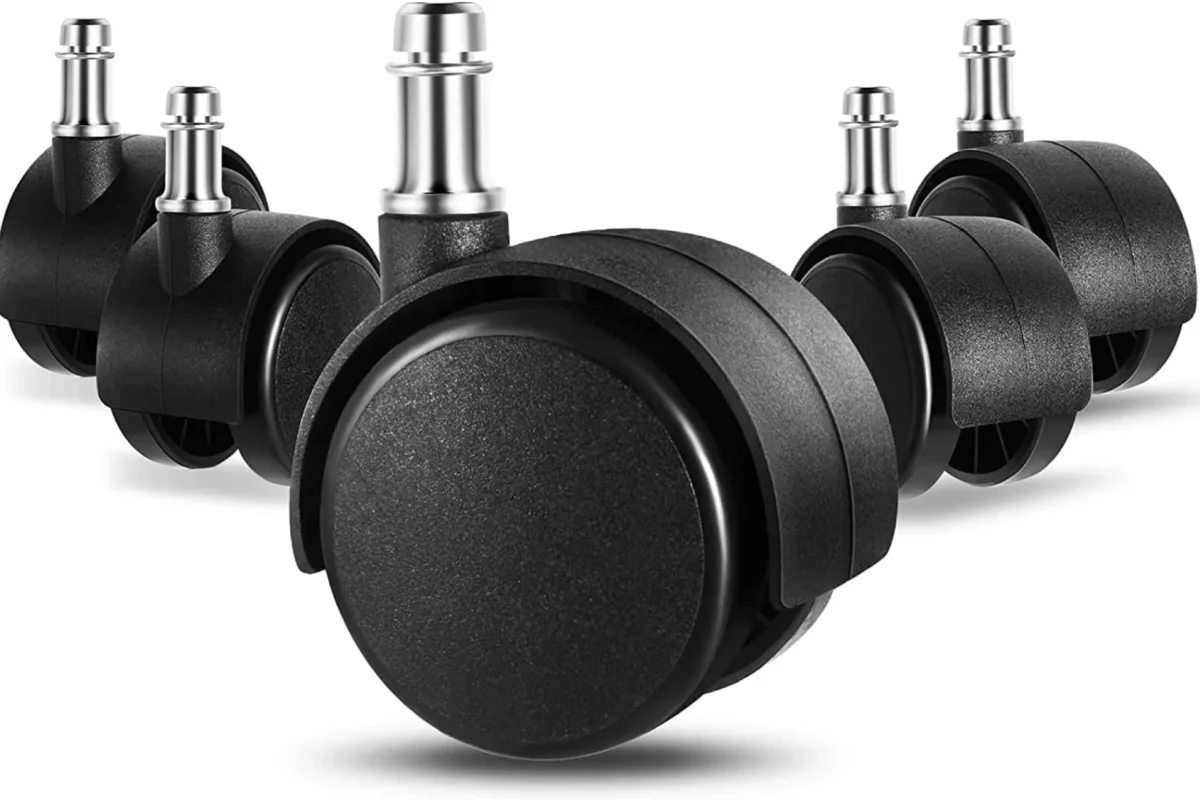
Hardwood flooring brings warmth, elegance, and a timeless appeal to any interior. Yet, the very qualities that make it desirable—its smooth surface and natural finish—can also make it vulnerable to everyday wear, especially from rolling furniture. Chairs equipped with wheels are convenient, but the wrong casters can leave unsightly scratches, dents, or even cause structural damage over time. Understanding how to choose and use chair casters for hardwood floors is essential for preserving the beauty of your space while enjoying mobility.
This guide delves into the science behind caster materials, the mechanics of weight distribution, and practical installation tips that protect your floor. Whether you’re outfitting a home office, a dining room, or a craft studio, the right set of wheels can make a noticeable difference in both functionality and longevity. Below, we explore the key factors that influence performance, common mistakes to avoid, and maintenance routines that keep your floors looking pristine.
Before you head to the hardware aisle, consider the daily traffic your chairs will endure, the load they must bear, and the aesthetic harmony you wish to maintain. By aligning these considerations with the appropriate caster technology, you can enjoy smooth movement without compromising the integrity of your hardwood surface.
Chair Casters for Hardwood Floors: Essential Features to Look For

When selecting casters, the most important attribute is the interaction between the wheel material and the floor finish. Hard rubber, soft polyurethane, and specialized silicone compounds each offer distinct advantages. Hard rubber provides durability but can be too abrasive for delicate finishes. Soft polyurethane, on the other hand, offers a balance of resilience and gentleness, making it a popular choice for residential hardwood.
In addition to material, the wheel diameter plays a crucial role. Larger wheels distribute weight over a broader area, reducing pressure points that could otherwise cause indentations. A diameter of 2‑3 inches is generally recommended for office chairs, while smaller, 1‑inch wheels may be sufficient for occasional‑use stools, provided they are made of a soft, floor‑friendly compound.
Another critical factor is the bearing type. Ball bearings deliver smooth, effortless rolling but can sometimes transmit more vibration to the floor. Sealed bearings, especially those with a nylon or polymer cage, help minimize noise and protect against dust ingress, which is beneficial for maintaining a clean floor surface.
How Chair Casters for Hardwood Floors Prevent Scratches
- Soft tread compounds: Materials like polyurethane compress slightly under load, creating a cushioning effect that reduces direct contact pressure.
- Wide contact patches: Larger wheel widths spread the chair’s weight, lowering the force per square inch on the wood.
- Non‑metallic hubs: Casters that use plastic or composite hubs avoid the hard edges associated with metal, further protecting the floor.
By combining these design elements, manufacturers engineer casters that glide across hardwood without leaving marks. It’s also advisable to test a single caster on an inconspicuous area before outfitting an entire chair set.
Choosing the Right Caster Type for Your Specific Needs

Not all chairs demand the same level of mobility. Understanding the intended use case helps narrow down the optimal caster configuration.
Office Chairs and Home Desks
For chairs that you move multiple times a day, opt for swivel casters with a dual‑wheel design. Dual wheels reduce the load on each point of contact, making it easier to push the chair while preserving the floor’s sheen. Look for “soft‑durometer” ratings—typically 70A to 80A—which indicate a softer tread suitable for hardwood.
Dining and Kitchen Chairs
These chairs are often heavier due to solid wood frames, so you’ll want casters with higher load capacities (usually 250‑300 lb per caster). Heavy‑duty polyurethane wheels with reinforced spokes provide the necessary strength without sacrificing floor protection. If you prefer a more traditional look, consider “decorative” casters that conceal the wheel while still offering a floor‑friendly tread.
Rolling Stools and Craft Tables
Stools used in workshops or craft rooms may encounter occasional spills or debris. In such environments, sealed bearings are a must to prevent grit from grinding the floor. Additionally, consider “lockable” casters that can be engaged when the stool is stationary, preventing unintended movement that could scrape the surface.
Installation Best Practices to Safeguard Hardwood
Even the best casters can cause damage if installed incorrectly. Follow these steps to ensure a secure and floor‑safe fit:
- Remove the old caster: Use a screwdriver or wrench to detach the existing wheel. Clean any residual adhesive or debris from the mounting plate.
- Check the mounting hole size: Most casters use a 7/8‑inch (22 mm) stem, but verify the exact dimensions to avoid overtightening.
- Apply a protective pad: Place a thin felt or rubber pad between the caster’s base plate and the hardwood. This extra layer distributes pressure and adds a cushion.
- Tighten the bolt evenly: Use a torque wrench set to the manufacturer’s recommended value (usually 4‑6 Nm). Overtightening can compress the pad and increase the risk of scratches.
- Test the movement: Gently roll the chair back and forth. Listen for any squeaking or grinding—if present, re‑inspect the bearing and pad alignment.
Regularly inspect the casters for wear, especially after moving heavy furniture across the floor. Replacing a worn wheel early prevents the harder core from contacting the wood directly.
Maintenance Tips for Longevity and Floor Care

Proper upkeep extends the life of both the casters and your hardwood floors. Here are practical habits to adopt:
- Dust removal: Use a microfiber cloth to wipe the wheels after each use. Dust particles can act as abrasives.
- Periodic lubrication: Apply a few drops of silicone‑based lubricant to the bearing once every six months. Avoid oil‑based products that can stain the floor.
- Rotate the casters: Turn each wheel 180 degrees periodically to promote even wear.
- Replace worn pads: If you’ve added felt pads, swap them out when they become thin or compressed.
These simple routines keep the rolling experience smooth and safeguard the finish that makes hardwood so desirable.
Design Considerations: Matching Casters to Your Décor
Functionality does not have to compromise aesthetics. Modern casters come in a variety of finishes—brushed nickel, matte black, chrome, and even wood‑grain caps—that can complement your interior design scheme. Pairing the right visual style with floor‑friendly performance enhances the overall harmony of the space.
For example, if you’re setting up a buffet table for a party, choosing sleek, low‑profile casters can keep the focus on the food presentation while allowing effortless repositioning of the table. Check out our buffet table ideas at home for inspiration on how mobility can improve event flow without sacrificing style.
Similarly, when planning a graduation celebration with a candy table, portable chairs equipped with soft‑tread casters let guests move comfortably around the venue. Browse candy table ideas for graduation to see how thoughtful furniture choices can elevate the experience.
By aligning the functional attributes of chair casters for hardwood floors with your decorative vision, you achieve both practicality and elegance.
In summary, selecting the right chair casters for hardwood floors involves a careful assessment of material, wheel size, bearing type, and load capacity. Proper installation and ongoing maintenance further ensure that the beautiful grain of your floor remains unmarred, even with frequent chair movement. Armed with these insights, you can confidently choose casters that deliver smooth mobility, protect your investment, and complement your interior aesthetic.
