 Admin
AdminChalk paint has become a staple in the DIY community because of its versatility, low‑odor formula, and ability to adhere to almost any surface without extensive preparation. When it comes to giving old or plain tables a fresh personality, chalk paint offers a canvas that welcomes creativity and experimentation. Whether you own a farmhouse dining table, a sleek coffee table, or a repurposed pallet side table, the right chalk paint technique can completely alter its aesthetic.
This article dives deep into a wide range of chalk paint table ideas that cater to different design sensibilities—from rustic charm to modern minimalism. You’ll learn how to choose the right color palette, apply finishes that protect your work, and incorporate accessories that elevate the final look. Along the way, we’ll sprinkle practical tips and link to related resources that can help you solve common challenges, such as protecting hardwood floors while moving furniture.
Before you begin, gather a few essential tools: a high‑quality brush or foam roller, sandpaper (fine‑grain), painter’s tape, a clear sealant (wax or polyurethane), and, of course, your chosen chalk paint. With these basics in hand, let’s explore the possibilities.
Chalk Paint Table Ideas
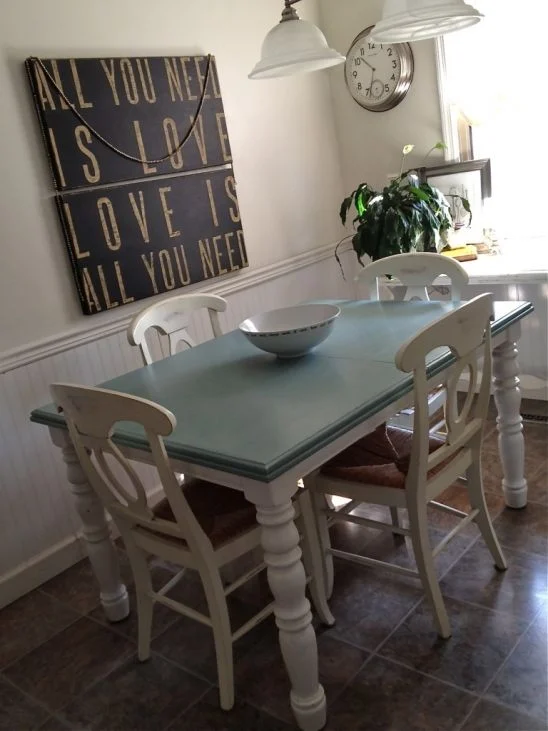
Chalk paint table ideas are as limitless as the imagination. Below are several curated concepts that demonstrate how a simple coat of paint can transform a table from ordinary to extraordinary.
Chalk Paint Table Ideas for a Vintage Farmhouse Look
A weathered wood table instantly gains a cozy, lived‑in feel when you apply a soft, muted shade—think sage green, creamy ivory, or muted teal. After a light sanding, coat the surface with two thin layers of chalk paint, allowing each coat to dry thoroughly. Once dry, rub a thin layer of wax using a clean cloth; this not only protects the finish but also adds a subtle sheen that mimics the patina of an heirloom piece.
To enhance the vintage vibe, consider adding distressed edges. Use fine‑grade sandpaper to gently scuff the corners and edges, revealing a hint of the underlying wood. Finally, attach iron or reclaimed wood legs for added authenticity. This approach works beautifully for kitchen islands, dining tables, or even a rustic coffee table.
Chalk Paint Table Ideas for a Modern Minimalist Palette
For those who prefer clean lines and understated elegance, a monochromatic chalk paint table idea can serve as a striking centerpiece. Opt for bold, solid colors such as matte black, crisp white, or deep charcoal. Apply the paint with a foam roller to achieve an ultra‑smooth finish, then seal with a water‑based polyurethane for a durable, low‑luster surface.
Pair the table with sleek metal or acrylic legs to keep the visual weight light. A black chalk‑painted coffee table paired with glass or chrome accents can become a focal point in a contemporary living room. When you need to protect hardwood floors from potential scratches, consider installing chair wheels designed for hardwood floors under the table’s legs, allowing easy repositioning without damage.
Chalk Paint Table Ideas with Patterned Accents
Patterns add personality without overwhelming the space. One popular technique involves painting the entire table a solid base color, then using masking tape to create geometric shapes or stripes. After the base coat dries, lay the tape in the desired configuration, apply a contrasting chalk paint shade, and remove the tape once the second coat is dry.
Another option is the “chalk‑board” finish: paint the tabletop with matte black chalk paint, seal it with a clear, non‑toxic sealant, and use it as a functional writing surface. This is especially appealing in kitchens for jotting down recipes, or in home offices for quick notes. Combine the chalk‑board surface with a light wood frame for a balanced look.
Chalk Paint Table Ideas Using Stencils and Decals
Stenciling allows you to incorporate intricate motifs without hand‑painting each detail. Choose a stencil that reflects your style—floral, nautical, or abstract—and position it on a pre‑painted surface. Apply chalk paint over the stencil using a stencil brush, then gently lift the stencil to reveal crisp designs.
For a more whimsical touch, consider using removable decals that can be swapped out seasonally. This approach works well on side tables and nightstands where you might want to change the aesthetic from spring to fall without re‑painting the entire piece.
Chalk Paint Table Ideas with Mixed Materials
Combining materials can add depth and intrigue. One compelling idea is to paint the tabletop in a solid color while leaving the legs in their natural metal or wood finish. Alternatively, you can upholster a portion of the table—such as the lower shelf of a console table—with a fabric that complements the chalk paint hue.
When dealing with a table that will see frequent use, especially in dining areas, consider a protective finish that resists water and heat. A blend of wax and a clear matte polyurethane offers both durability and the soft tactile feel characteristic of chalk paint.
Chalk Paint Table Ideas for Outdoor Use
Outdoor tables demand extra resilience. Select a chalk paint formulated for exterior applications or pair standard chalk paint with a high‑quality exterior sealant. After painting, add a layer of marine‑grade polyurethane to shield against rain and UV exposure.
Pair the painted table with weather‑resistant accessories—such as woven rope legs or reclaimed metal frames—to maintain cohesion with an outdoor patio’s natural textures. A teal‑blue painted bistro table surrounded by rattan chairs creates a relaxed, seaside ambience.
Practical Tips for Perfect Chalk Paint Application
- Preparation is key: Lightly sand the surface to remove any glossy finish and ensure better adhesion.
- Use thin coats: Thick layers can lead to drips and uneven drying; two to three thin coats yield a smoother result.
- Ventilation matters: Although low‑odor, chalk paint still benefits from good airflow during drying.
- Test colors first: Apply a small swatch on the underside of the table to see how the hue interacts with the wood grain.
- Seal promptly: Wax or seal within 24‑48 hours of the final coat to lock in color and protect the surface.
Integrating Chalk Paint Tables into Your Existing Décor
After completing your project, think about how the newly painted table fits within the broader room design. If you’ve chosen a bold color, balance it with neutral textiles and accessories. For more subdued palettes, introduce accent pieces—such as a patterned runner or decorative trays—to add visual interest. For inspiration on complementary décor, explore chair decorating ideas that can guide you in selecting coordinated elements.
Remember that furniture is not static; you can always refresh it as trends evolve. Chalk paint’s forgiving nature makes it easy to re‑coat or adjust colors without stripping the original finish, providing long‑term flexibility for your interior design journey.
In summary, chalk paint table ideas open up a world of possibilities for both seasoned DIY enthusiasts and beginners alike. By selecting the right color scheme, applying thoughtful finishes, and pairing the table with complementary accessories, you can create a piece that not only serves a functional purpose but also tells a story within your home. The beauty of chalk paint lies in its ability to adapt—whether you’re aiming for rustic charm, modern sleekness, or a playful pattern, the process remains approachable and rewarding.
So grab your brushes, pick a palette that resonates with your style, and start transforming those plain tables into conversation‑worthy centerpieces. With a little patience and creativity, your furniture will reflect the personality of your space for years to come.