 Admin
Admin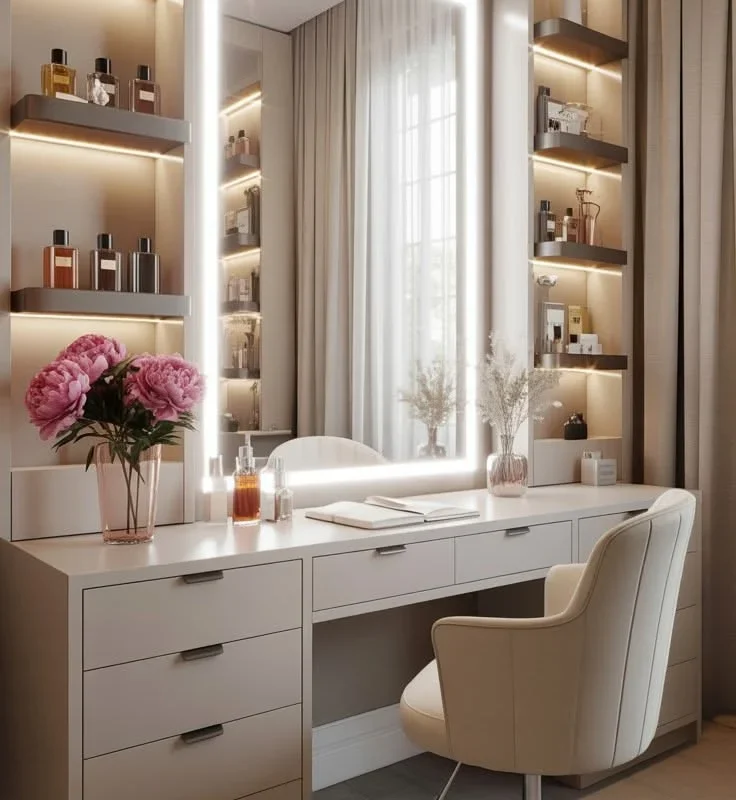
Choosing the right dressing table is more than a matter of aesthetics; it directly influences daily routines, personal organization, and the overall ambiance of a bedroom. A well‑designed vanity can become a focal point, a quiet sanctuary for self‑care, and a functional storage solution all at once. This article delves deep into the world of dressing table designs, examining historical influences, modern trends, material choices, and practical considerations that help you select or create the perfect piece for your space.
Historically, dressing tables have evolved from ornate aristocratic boudoirs to sleek, minimalist fixtures that cater to contemporary lifestyles. Whether you favor a vintage French lacquer finish, a mid‑century modern wooden frame, or an industrial metal aesthetic, the underlying principles of ergonomics and storage remain constant. Understanding these principles empowers you to make informed decisions that balance beauty with practicality.
In the sections that follow, you will discover how to assess your room’s dimensions, match dressing table designs with existing décor, and incorporate clever features such as integrated lighting and adjustable mirrors. Additionally, we’ll explore DIY possibilities, including how to adapt ideas from related projects like DIY Chair Sash Ideas – Creative Ways to Transform Your Seating for a custom vanity finish.
Dressing Table Designs: Core Styles to Inspire Your Bedroom
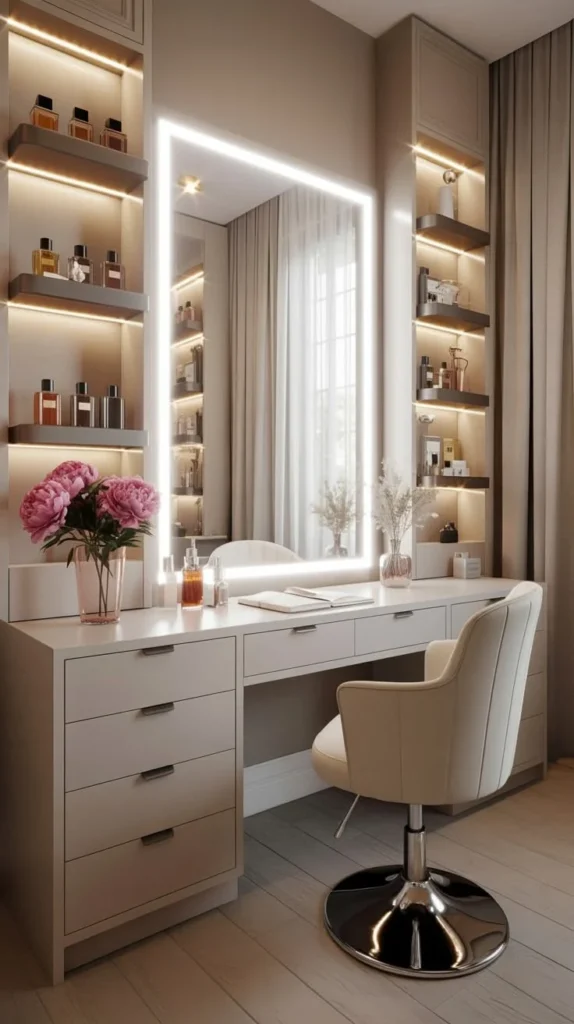
When evaluating dressing table designs, start by identifying the overarching style that resonates with you. Below are the most popular categories, each offering distinct visual language and functional attributes.
Classic Dressing Table Designs
- French Provincial: Features carved legs, gilt accents, and a delicate curved silhouette. Ideal for rooms with pastel walls or rich fabrics.
- Victorian: Heavy, ornate woodwork with intricate fretwork and often a built‑in drawer system for jewelry and accessories.
- Edwardian: Simpler than Victorian, emphasizing clean lines, subtle inlays, and a refined elegance.
These timeless designs often incorporate a mirror with a decorative frame, adding a sense of grandeur while providing practical functionality. When paired with soft lighting, classic dressing tables become a statement of personal luxury.
Modern Dressing Table Designs
- Mid‑Century Modern: Tapered legs, walnut or teak finishes, and minimal ornamentation. The design emphasizes function with a touch of retro charm.
- Scandinavian: Light wood tones, sleek hardware, and a focus on uncluttered surfaces. Often includes built‑in LED strips for a clean illumination.
- Industrial: Exposed metal frames, reclaimed wood tops, and utilitarian hardware. This style works well in loft‑style apartments or mixed‑material interiors.
Modern dressing table designs prioritize clean lines, integrated storage, and often feature multipurpose elements such as fold‑out trays or hidden compartments. Their simplicity allows them to blend seamlessly with a variety of décor schemes.
Hybrid and Custom Dressing Table Designs
For those who cannot choose between classic elegance and contemporary simplicity, hybrid designs merge elements from multiple styles. A popular approach is to pair a vintage-inspired marble top with a minimalist metal frame, creating a juxtaposition that feels both luxurious and current. Custom projects can also incorporate reclaimed materials, hand‑painted finishes, or bespoke hardware to reflect personal taste.
When planning a custom piece, consider reviewing tutorials like DIY Coffee Table Legs – A Complete Guide to Crafting Stylish Supports for insights on building sturdy, aesthetically pleasing supports that can be adapted for a vanity.
Functional Features in Dressing Table Designs

Beyond visual appeal, the functional aspects of dressing table designs dictate daily usability. Below we outline critical features that elevate a vanity from decorative to indispensable.
Integrated Lighting
Proper lighting is essential for makeup application, grooming, and overall comfort. Contemporary designs often embed LED strips along the mirror’s perimeter, delivering even, glare‑free illumination. For a softer ambiance, consider a vanity with a dimmable backlight that can transition from bright task lighting to a warm, relaxing glow.
Adjustable Mirrors
Fixed mirrors are elegant, but an adjustable mirror adds versatility. A tilt‑mechanism allows you to set the angle for different tasks—whether you’re applying eyeliner or brushing hair. Some high‑end models incorporate magnification panels for detailed work.
Smart Storage Solutions
Clutter can quickly diminish the appeal of a dressing table. Look for designs that incorporate:
- Drawer dividers for jewelry, cosmetics, and grooming tools.
- Pull‑out trays that slide out of the main surface, providing a hidden workspace.
- Open shelving for quick‑access items like perfume bottles or hairdryers.
These solutions keep essential items within reach while maintaining a tidy surface—crucial for maintaining the visual integrity of a well‑styled bedroom.
Multi‑Purpose Extensions
In smaller apartments, a dressing table that doubles as a workstation can be a game‑changer. Some modern designs include a fold‑down laptop tray, enabling a seamless transition from beauty routine to remote work without sacrificing space. If you’re a DIY enthusiast, adapting ideas from DIY Chair Sashes – Transform Your Seating with Simple Techniques can inspire creative ways to add a removable desk surface.
Material Choices for Durable and Stylish Dressing Table Designs

The material you select influences both the durability and the visual tone of the vanity. Below is a breakdown of popular options, along with their pros and cons.
Wood
Solid wood—such as oak, walnut, or maple—offers timeless appeal and robust strength. It can be stained, painted, or left natural to showcase grain patterns. However, wood may be susceptible to moisture damage, so a high‑quality finish or protective coating is advisable, especially in humid climates.
Metal
Metal frames, especially those made from powder‑coated steel or brass, provide a sleek, industrial feel and excellent load‑bearing capacity. They are resistant to warping and can be paired with glass or wood tops for visual contrast. The main drawback is potential coldness to the touch, which can be mitigated with a wooden or upholstered surface.
Glass
Tempered glass tops give a contemporary, airy look and are easy to clean. Pairing glass with a sturdy base prevents wobbling. While glass is resistant to stains, it can show fingerprints and may be prone to scratches if not handled carefully.
Marble and Stone
Marble adds an upscale, luxurious dimension. It stays cool—ideal for applying makeup—but is heavy and can be expensive. Sealing the stone prevents staining from cosmetics or water.
Composite Materials
Engineered wood, MDF, and high‑pressure laminates provide cost‑effective alternatives while offering a smooth surface for painted finishes. They are less durable than solid wood but are lighter and easier to move.
Space Planning: Selecting the Right Size and Placement

Before purchasing or building a dressing table, assess the bedroom layout. Measure the available floor space, taking into account clearance for opening drawers and chair movement. A general rule of thumb is to allow at least 30‑40 cm (12‑16 inches) of clearance behind the chair for comfortable seating.
Corner Dressing Tables
If the room is narrow, a corner vanity maximizes usable area without dominating the floor plan. Look for designs with a triangular footprint or L‑shaped configurations that can fit snugly into a corner while still providing ample surface area.
Wall‑Mounted Vanities
In ultra‑compact spaces, wall‑mounted dressing tables eliminate the need for a floor‑standing base. These floating designs often incorporate shelves or hidden compartments within the wall cavity, creating an illusion of more floor space.
Height Considerations
Standard vanity height ranges from 70‑80 cm (28‑31 inches). However, ergonomic recommendations suggest the surface should be at elbow height when standing, typically around 75 cm (30 inches). Adjustable‑height models or custom‑built units allow for personalized comfort.
Styling Tips: Accessorizing Your Dressing Table
Once you have selected a dressing table design that meets functional and aesthetic criteria, the finishing touches bring the piece to life. Below are curated ideas for accessorizing without cluttering the surface.
Mirror Frames and Decorative Trays
A statement mirror frame can echo the vanity’s style—think ornate gold leaf for classic pieces or brushed metal for modern designs. Complement the frame with a decorative tray to corral jewelry, perfumes, and small accessories.
Lighting Fixtures
Wall‑mounted sconces on either side of the mirror provide balanced illumination. For a softer, diffused glow, place a small table lamp with a fabric shade on the vanity’s surface, ensuring the bulb is low‑wattage to avoid glare.
Plants and Textiles
A small succulent or a vase of fresh flowers adds a touch of nature, while a plush rug or a soft cushion on the chair enhances comfort and visual warmth. Choose colors that complement the bedroom’s palette for a cohesive look.
Personalized Storage
Custom drawer inserts, acrylic organizers, and velvet-lined boxes protect delicate items while adding a sense of order. Labeling systems—whether magnetic or printed—help you locate accessories quickly, turning the vanity into an efficient workstation.
Budgeting and Purchasing Considerations
Investing in a quality dressing table can vary widely in cost. Here are guidelines to help you stay within budget while achieving your desired look.
- Set a realistic budget: Determine a range based on material, size, and brand reputation. Expect basic wooden models to start around $150, while bespoke marble pieces may exceed $2000.
- Shop secondhand or vintage: Thrift stores, estate sales, and online marketplaces often feature well‑crafted vintage pieces at a fraction of the price.
- Consider DIY options: Building your own vanity using plans from related projects—like adapting a coffee‑table leg tutorial—can save money and result in a unique piece.
- Check warranty and return policies: Especially for higher‑end purchases, a solid warranty protects against defects.
Environmental and Sustainable Choices
Eco‑friendly dressing table designs are gaining traction as consumers become more conscious of their carbon footprint. Look for furniture made from reclaimed wood, FSC‑certified timber, or recycled metal. Low‑VOC finishes and water‑based paints further reduce environmental impact.
Upcycling Opportunities
Old dressers, nightstands, or even industrial carts can be repurposed into stylish vanities. By sanding, refinishing, and adding a mirror, you create a custom piece that tells a story while diverting waste from landfills.
Longevity Over Trend
Choosing timeless designs—such as a simple wooden frame with a clean silhouette—ensures the dressing table remains relevant for years, reducing the need for replacement and contributing to sustainable consumption.
In summary, dressing table designs encompass a rich spectrum of styles, materials, and functional innovations. By evaluating your space, personal taste, and practical needs, you can select a vanity that not only enhances the visual appeal of your bedroom but also streamlines daily routines. Whether you opt for a classic French provincial piece, a sleek Scandinavian model, or a hybrid custom creation, the right dressing table becomes a cherished centerpiece that reflects both form and function.
