 Admin
Admin
End tables are often overlooked, yet they hold the potential to become the centerpiece of a room’s visual narrative. Whether positioned beside a sofa, tucked beside a reading chair, or flanking a bed, the way you dress an end table can subtly influence the overall ambiance. The challenge lies in balancing functionality with aesthetic appeal, ensuring the surface remains useful without feeling cluttered.
In recent years, interior designers have shifted from treating end tables as merely utilitarian storage to viewing them as curated canvases. A thoughtfully styled end table can echo the room’s color scheme, showcase personal artifacts, and even serve as a storytelling device. By mastering the art of end table decor, you gain a versatile tool to inject personality into any space.
Below, we explore a systematic approach to end table decor, offering practical recommendations, seasonal inspiration, and common pitfalls to avoid. Whether you’re decorating a compact apartment or a spacious living room, these guidelines will help you create a polished, cohesive look that feels both intentional and lived‑in.
End Table Decor: Foundations and Function

The first step in any successful end table decor strategy is to define the table’s purpose. While the surface may serve as a display platform, it also often functions as a spot for lighting, beverages, books, or remote controls. Clarifying the primary use will guide the selection of decorative elements and prevent the dreaded “tabletop chaos.”
Assessing the Space and Scale
- Measure the height of the surrounding furniture. A lamp or decorative object should sit at eye level when seated.
- Consider the table’s dimensions. A narrow table benefits from vertical items like candlesticks, while a larger surface can accommodate a small tray or a stack of books.
- Observe traffic patterns. Ensure that items placed on the table do not become obstacles.
Choosing a Cohesive Color Palette
Consistency is key. Align the end table’s accessories with the room’s existing palette—whether you prefer monochromatic elegance, warm earth tones, or bold accent colors. Using a limited color scheme prevents visual noise and creates a harmonious look.
Choosing the Right Elements for End Table Decor
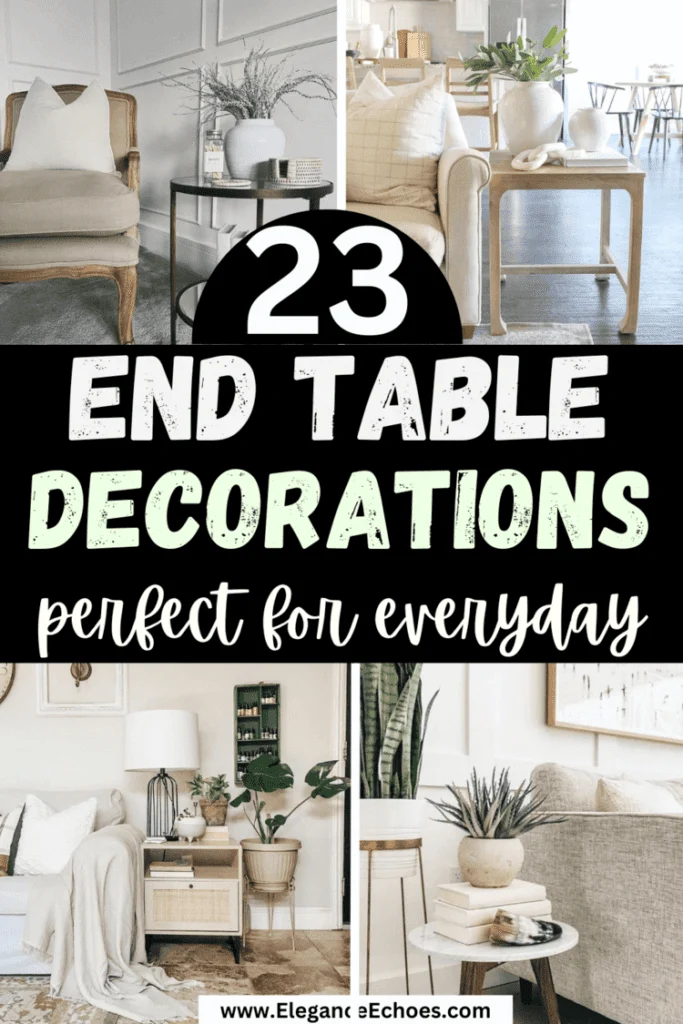
With a clear purpose and color direction, the next phase involves selecting individual pieces that enhance both form and function. Below are essential categories of accessories that can elevate your end table decor.
Lighting: The Heartbeat of End Table Decor
A well‑chosen lamp not only illuminates the space but also adds height and texture. Opt for a lamp base that complements the table’s material—metal for a modern look, ceramic for a softer feel, or wood for rustic charm. If you’re working with limited surface area, consider a wall‑mounted sconce that directs light onto the table without occupying precious space.
Greenery and Natural Elements
Plants bring life and a touch of nature indoors. A small succulent in a sleek pot, a trailing pothos, or a miniature fern can soften hard surfaces and introduce organic texture. For a low‑maintenance option, choose a faux plant that mimics real foliage without the upkeep.
Functional Accents: Trays, Books, and Decorative Boxes
Trays are a designer’s secret weapon. They corral smaller items—remotes, coasters, jewelry—while adding a layer of visual interest. Select a tray that matches the room’s material palette; for example, a marble tray pairs beautifully with a contemporary sofa, while a woven rattan tray suits a coastal vibe.
Books are another versatile element. Stacked horizontally, they provide a stable base for a candle or small sculpture. Vertically aligned, they create a sleek, linear visual that can be topped with a decorative object.
Personal Touches: Artifacts and Sentimental Items
Incorporating a cherished object—such as a vintage camera, a travel souvenir, or a handcrafted bowl—adds personality. These items tell a story and make the space feel uniquely yours. Just be mindful to keep the arrangement balanced; a single statement piece often works better than a cluttered collection.
Seasonal Swaps and Styling Tricks for End Table Decor
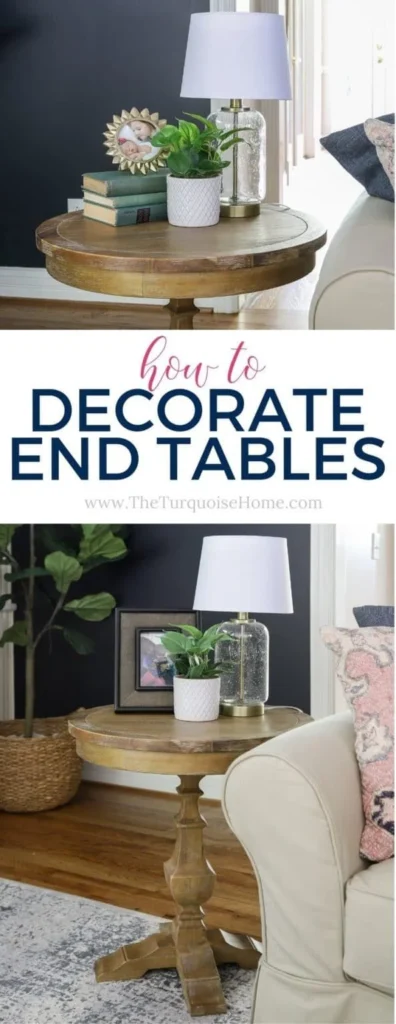
One of the most rewarding aspects of end table decor is its flexibility. By rotating accessories seasonally, you keep the space fresh without a major overhaul. Below are ideas for each season, designed to be simple yet impactful.
Spring Refresh
- Introduce pastel-colored ceramics or glass vases.
- Swap out heavy candles for lighter, floral‑scented tealights.
- Place a small bouquet of fresh tulips or daffodils in a clear vase.
Summer Vibes
- Use bright, tropical prints on trays or coasters.
- Incorporate seashells or driftwood pieces for a beachy feel.
- Replace dark lampshades with lighter linen shades to enhance natural light.
Autumn Warmth
- Swap pastel hues for deep oranges, rusts, and browns.
- Add a small pumpkin or gourds as decorative accents.
- Introduce a scented candle with notes of cinnamon or amber.
Winter Elegance
- Opt for metallic or glass accessories in silver or gold.
- Use a faux fur or woolen small rug under the table for texture.
- Place a crystal or glass snowflake ornament for a subtle festive touch.
These seasonal switches are quick to execute and can be combined with the timeless entryway table ideas that often share similar decorative principles, allowing you to maintain a cohesive aesthetic throughout your home.
End Table Decor Mistakes to Avoid
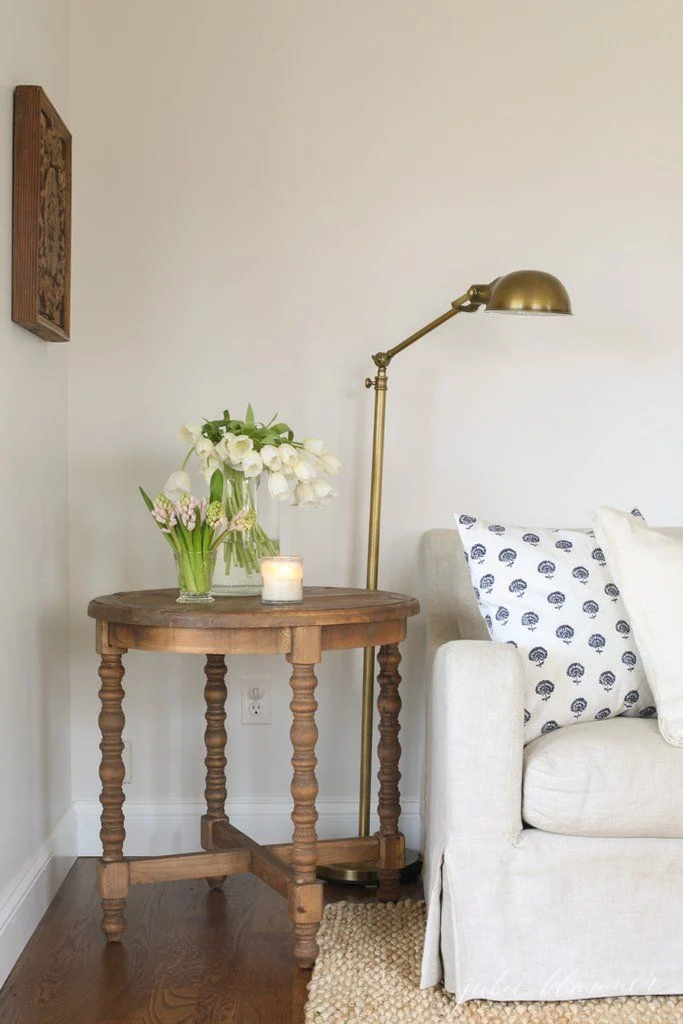
Even seasoned decorators can fall into common traps that diminish the impact of an end table. Recognizing these pitfalls helps you refine your approach.
Overcrowding the Surface
While it’s tempting to showcase many objects, a cluttered table defeats its purpose. Aim for a “less is more” philosophy—choose three to five items that vary in height, texture, and function.
Ignoring Proportion
Large vases or oversized books can overwhelm a petite table, while tiny accessories may look lost on a substantial surface. Balance is achieved by scaling items relative to the table’s dimensions.
Neglecting Cohesion with Adjacent Furniture
An end table that clashes with the surrounding sofa or chair creates visual discord. Ensure material finishes, color tones, and style cues complement rather than compete.
Forgetting Practical Needs
Prioritizing aesthetics at the expense of usability can be frustrating. If you regularly place drinks on the table, incorporate a coaster or a small tray to protect the surface.
Advanced Styling: Layering and Curating a Narrative
Once you’ve mastered the basics, consider taking your end table decor to the next level by curating a narrative. This involves thoughtful layering, where each object contributes to an overarching theme.
Layering Techniques
- Base Layer: Begin with a stable platform such as a tray or a stack of books.
- Mid Layer: Add a medium‑height item like a candle, small plant, or decorative bowl.
- Top Layer: Finish with a focal piece—perhaps a unique sculpture or a vintage artifact.
Storytelling Through Objects
Imagine you’ve just returned from a coastal vacation. Incorporate a sea‑glass vase, a small coral piece, and a photo frame with a beach photo. The end table becomes a miniature gallery that reminds you of the trip while tying into a beach‑themed living room.
Similarly, if you love literature, arrange a stack of your favorite novels, a brass reading lamp, and a literary quote card. This creates a personalized vignette that speaks to your interests.
For inspiration on creating thematic displays, explore the Candy Table Ideas article, where designers demonstrate how to build cohesive tablescapes around a central concept.
Integrating End Table Decor with Larger Design Schemes
End table decor should never exist in isolation. It must complement the room’s broader design language. Here are ways to ensure seamless integration.
Matching Materials and Finishes
If your living room features a lot of wood, select end tables with wooden legs or accents. Pair metal accessories like a sleek lamp or geometric sculpture to echo metallic elements in the room’s hardware.
Echoing Patterns
Introduce pattern through textiles—such as a patterned coaster or a small woven mat—mirroring larger patterns in the sofa upholstery or rug.
Color Accents
Use the end table as a subtle spot for accent colors. For instance, if your sofa has teal cushions, a teal vase on the table ties the color thread throughout the space.
Balancing Symmetry and Asymmetry
In a symmetrical setting, duplicate the decor on each side of a pair of end tables for visual harmony. In a more eclectic room, embrace asymmetry by giving each table a distinct but related arrangement—perhaps one with a plant and another with a stack of books.
By aligning the end table decor with the larger scheme, you reinforce a unified aesthetic, making the entire room feel intentionally designed.
In conclusion, end table decor offers a microcosm of interior design—an opportunity to blend practicality with artistry on a modest scale. By defining the table’s function, curating a balanced palette, selecting purposeful accessories, and integrating seasonal updates, you can transform any end table from a mere surface into a dynamic focal point. Remember to avoid common missteps such as overcrowding and mismatched proportions, and feel free to experiment with layering and storytelling to reflect your personal style. With these expert tips, your end tables will not only serve their intended purpose but also elevate the visual narrative of your living space.
