 Admin
Admin
When it comes to creating an inviting dining atmosphere, the centerpiece often sets the tone for the entire experience. A well‑thought‑out farm table centerpiece can turn a simple wooden table into a storytelling platform that evokes the warmth of a countryside kitchen. By blending natural elements, seasonal produce, and handcrafted details, hosts can craft a visual anchor that draws guests in and sparks conversation.
Unlike the glossy, minimalist arrangements you might see in contemporary settings, a farm table centerpiece embraces imperfection and texture. Think weathered baskets, hand‑picked herbs, and reclaimed wood accents that together whisper of fields, barns, and family meals. Whether you’re planning an intimate brunch or a bustling holiday feast, mastering this rustic focal point adds authenticity and charm to any occasion.
In the sections that follow, we’ll explore material choices, seasonal inspirations, and hands‑on projects that empower you to design a farm table centerpiece that feels both personal and timeless. The guidance is grounded in practical design principles while leaving ample room for creativity, ensuring that each arrangement reflects the unique personality of your home.
Farm Table Centerpiece: Defining the Rustic Focal Point

The term “farm table centerpiece” refers to more than just a decorative object placed in the middle of a table. It is a curated collection of elements that together convey a narrative of rural life. The centerpiece should complement the table’s shape, the room’s color palette, and the menu you intend to serve. By considering scale, balance, and texture, you can avoid a cluttered look while still achieving visual impact.
A successful farm table centerpiece often incorporates three core components: a base, a focal element, and supporting accents. The base might be a wooden slab, a woven basket, or a simple tray that anchors the arrangement. The focal element—perhaps a vase of wildflowers, a cluster of antique mason jars, or a rustic lantern—draws the eye. Supporting accents such as sprigs of rosemary, seasonal fruits, or small handmade ornaments add depth and keep the composition dynamic.
Choosing Materials for a Farm Table Centerpiece
Material selection is the first step toward a cohesive farm table centerpiece. Natural, reclaimed, or sustainably sourced items reinforce the farmhouse aesthetic and often age beautifully over time.
- Wood: Reclaimed barn wood, weathered pallet boards, or a solid oak slab provide a sturdy and authentic base.
- Metal: A brushed copper pitcher or wrought‑iron lantern introduces subtle industrial contrast without breaking the rustic vibe.
- Ceramic & Glass: Hand‑thrown pottery, vintage mason jars, or clear glass bottles can hold fresh herbs, candles, or small bouquets.
- Natural Fiber: Woven baskets, burlap runners, or linen napkins add texture and softness.
When combining these materials, keep the color palette muted—think earth tones, soft whites, and muted greens. This restraint ensures that the centerpiece enhances, rather than overwhelms, the overall table setting.
Seasonal Themes for Farm Table Centerpiece
One of the most rewarding aspects of a farm table centerpiece is its adaptability to the seasons. By aligning your arrangement with the time of year, you celebrate the natural rhythm of the farm and keep your décor fresh.
- Spring: Fresh tulips, daffodils, and sprigs of hyacinth paired with young greens like baby kale or mint.
- Summer: Sun‑ripened tomatoes, corn husks, and wild berries alongside a basket of freshly picked basil.
- Autumn: Mini pumpkins, dried wheat stalks, and deep‑colored foliage such as sage or burgundy maple leaves.
- Winter: Evergreen sprigs, pine cones, and candles in frosted glass to add warmth and a soft glow.
Seasonal produce not only looks beautiful but also offers a subtle aromatic cue that can enhance the dining experience. Incorporating edible items—like sliced apples in fall or citrus wedges in winter—creates an interactive element that guests can enjoy.
Design Strategies to Elevate Your Farm Table Centerpiece
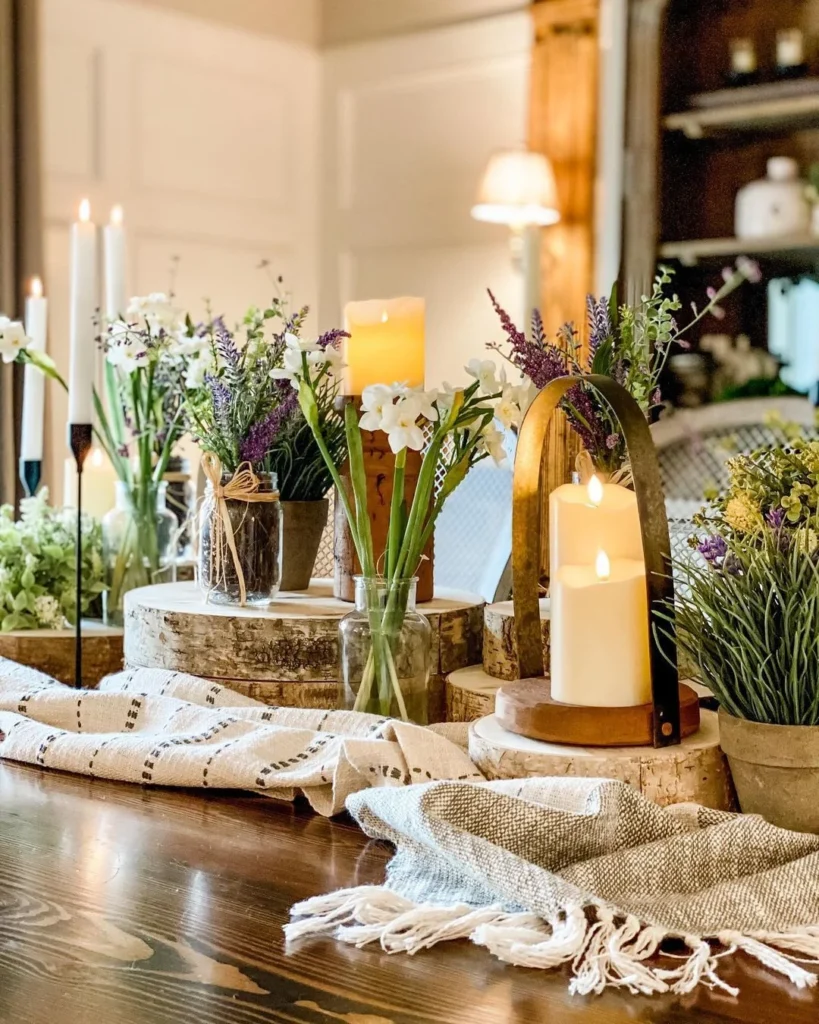
Beyond material and seasonal considerations, thoughtful design strategies can transform an ordinary arrangement into a statement piece. Below are several approaches that help you refine proportion, rhythm, and storytelling within your farm table centerpiece.
Incorporating Fresh Produce into a Farm Table Centerpiece
Using fresh produce is a hallmark of the farm table aesthetic. A cluster of heirloom carrots, a bowl of glossy apples, or a rustic loaf of sourdough placed beside a small butter dish can serve both decorative and functional purposes. To keep the look cohesive, choose produce that matches the color scheme of your overall décor. For example, a palette of deep reds and golds works well with autumn apples and rosemary sprigs.
When arranging produce, vary heights and textures. Place taller items—like a bunch of kale or a small ear of corn—at the back, while positioning shorter, rounded objects—such as cherries or baby carrots—toward the front. This creates visual depth and invites the eye to travel across the entire arrangement.
DIY Projects for a Personalized Farm Table Centerpiece
Hand‑crafted elements add a personal touch that mass‑produced décor often lacks. Consider these approachable DIY ideas that integrate seamlessly with a farm table centerpiece:
- Rustic Candle Holders: Repurpose old tin cans by sanding them down, painting the edges with a distressed white, and inserting tea lights or small pillar candles.
- Herb Wreaths: Use a grapevine wreath base, attach fresh herbs with floral wire, and spray lightly with a food‑safe mist to preserve scent.
- Reclaimed Wood Boxes: Assemble a shallow box from reclaimed pallet wood to hold seasonal fruits, creating a tidy yet natural container.
These projects not only save money but also align with the sustainable ethos often celebrated in farmhouse design. For more detailed guidance on table styling, see our everyday table setting article, which outlines complementary techniques for polished yet relaxed presentations.
Balancing Height and Visual Weight
A common pitfall is allowing a farm table centerpiece to dominate the table, making conversation difficult. Aim for a maximum height of 12–14 inches, which allows guests to see each other while still appreciating the focal point. Use a combination of low, medium, and high elements—such as a low wooden tray, a medium‑height mason jar, and a tall candle—to achieve a balanced silhouette.
Lighting plays a crucial role, too. Soft, ambient illumination from candles or warm LED fairy lights adds a cozy glow without overwhelming the arrangement. In larger spaces, consider placing a single, striking lantern at the center, surrounded by lower accents to maintain proportional harmony.
Integrating Textiles for Added Warmth
Textiles—like burlap runners, linen napkins, or crocheted placemats—can soften the rigidity of a wooden table while reinforcing the farm aesthetic. Choose fabrics in natural fibers that complement your centerpiece’s color palette. For instance, a muted ivory linen runner beneath a wooden slab base creates a subtle contrast that draws attention to the centerpiece without competing for focus.
When selecting textiles, keep patterns simple. Stripes, gingham, or subtle checks echo traditional farmhouse motifs and blend seamlessly with the organic elements of the arrangement.
Finally, remember that the farm table centerpiece is an evolving element. As seasons change, as new heirloom recipes emerge, and as your personal style develops, feel free to tweak, replace, or completely redesign the centerpiece. The flexibility of this décor piece makes it a lifelong companion for countless gatherings.
By paying attention to material authenticity, seasonal relevance, and thoughtful design principles, you can craft a farm table centerpiece that not only beautifies your dining space but also tells a story of heritage, sustainability, and hospitality. Whether you opt for a minimalist approach or a lavishly layered arrangement, the key is to let the natural charm of the countryside guide your creative decisions.
