 Admin
Admin
In recent years, the humble Adirondack chair has undergone a remarkable transformation. Originally conceived in the early 1900s as a rugged, handcrafted piece for the rustic cabins of upstate New York, the classic design has been reinterpreted by designers worldwide to meet the demands of modern aesthetics and sustainable living. This shift reflects a broader trend in outdoor furniture: a desire for pieces that are both timeless in comfort and cutting‑edge in style.
Today’s homeowners are looking for seating that can serve as a focal point in a landscaped garden, a cozy reading nook on a patio, or a sleek accent beside a fire pit. Modern Adirondack Chairs answer that call by marrying the iconic sloped back and wide armrests with refined materials, minimalist lines, and a palette that complements contemporary architecture. Whether you are furnishing a sprawling estate or a modest balcony, understanding the nuances of these chairs will help you select a piece that enhances both function and visual appeal.
Modern Adirondack Chairs: Design Evolution and Current Trends

The journey from the original hand‑shaped pine frames to today’s polymer‑coated, sustainably sourced options illustrates how the design language has adapted without losing its core identity. Early models emphasized raw, natural wood, often left untreated to weather into a silver‑gray patina. Modern reinterpretations, however, frequently incorporate powder‑coated aluminum, recycled plastics, or composite lumber that resists rot, UV damage, and the need for regular maintenance.
One noticeable trend is the introduction of slimmer profiles. While the classic Adirondack chair features a broad, over‑stuffed seat that can dominate a space, contemporary versions trim the silhouette to create a more airy presence. This refinement is especially popular in urban garden settings where space is at a premium. Designers also experiment with angular backrests, geometric armrests, and integrated storage solutions, all while preserving the signature recline that makes the chair so inviting.
Key Features of Modern Adirondack Chairs
- Material Innovation: From sustainably harvested cedar to reclaimed wood and high‑density polyethylene (HDPE), the choice of material influences durability, environmental impact, and visual texture.
- Finish Options: Powder coating offers an extensive color range—from muted earth tones to bold blues—while still providing a protective barrier against the elements.
- Ergonomic Enhancements: Adjustable lumbar support, contoured seats, and padded cushions improve comfort without sacrificing the chair’s iconic shape.
- Eco‑Friendly Production: Many manufacturers now employ low‑VOC finishes and carbon‑neutral shipping practices, aligning the product with green building standards.
When evaluating a set of Modern Adirondack Chairs, consider the climate where they will reside. In humid coastal regions, a composite material with built‑in UV inhibitors will outlast a traditional wood frame. Conversely, in cooler inland areas, sustainably sourced hardwood can provide a warm, natural aesthetic that ages gracefully.
Choosing the Right Material for Your Space

Material selection is perhaps the most decisive factor in ensuring longevity and aesthetic harmony. Below are the most common options and the scenarios where they excel.
Wood: Classic Meets Contemporary
Modern wood‑based Adirondack chairs typically use cedar, teak, or responsibly harvested pine. These woods are naturally resistant to insects and decay, especially when treated with eco‑friendly sealants. The advantage of wood lies in its ability to blend seamlessly with garden flora, creating a cohesive natural environment.
However, wood requires periodic maintenance—re‑oiling or resealing every few years—to preserve its color and structural integrity. For owners who enjoy hands‑on care, this can be a rewarding ritual that deepens the connection to the outdoor space.
Composite and Recycled Plastics
Composite lumber, often a blend of wood fibers and recycled plastic, offers the look of wood without the upkeep. These chairs are dense, rot‑resistant, and can be molded into sleek, curvilinear forms that push the boundaries of traditional Adirondack design. Because they are made from post‑consumer waste, they also appeal to environmentally conscious consumers.
One drawback is that composites can be heavier than pure wood, making relocation a bit more challenging. Yet, the trade‑off in durability frequently justifies the extra effort.
Metal Frames with Wooden Slats
Another emerging style pairs a powder‑coated aluminum or steel frame with wooden slats for the seat and back. This hybrid approach delivers a modern industrial vibe while retaining the warmth of wood. The metal skeleton provides superior structural stability, especially for larger chairs designed to accommodate multiple users.
When selecting metal, ensure the coating is weather‑resistant to avoid rust. Stainless steel options, though pricier, guarantee a rust‑free finish even in salty coastal air.
Styling Modern Adirondack Chairs in Different Settings
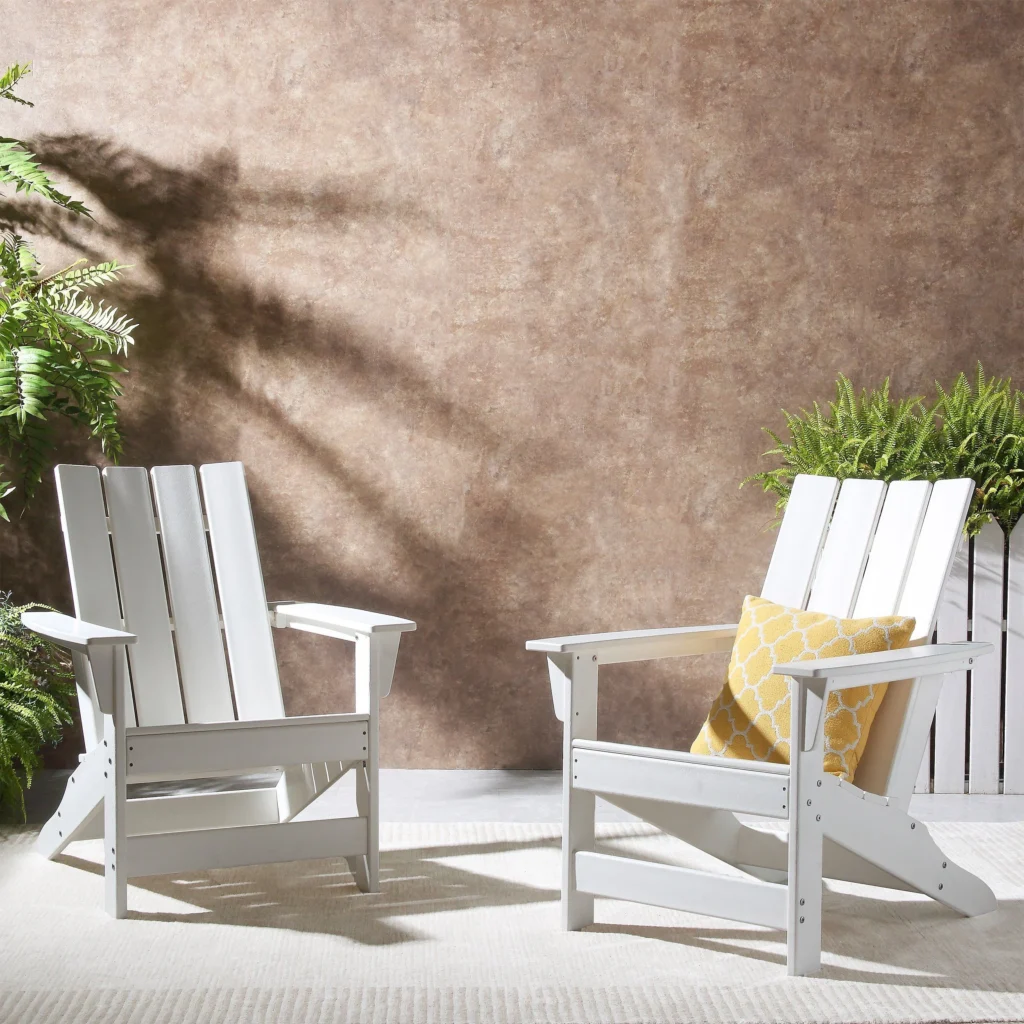
Beyond material and form, the placement of Modern Adirondack Chairs can dramatically influence the atmosphere of an outdoor area. Below are several design scenarios with practical suggestions.
Garden Oasis
For a lush, cottage‑garden feel, choose chairs in earthy greens or muted browns that echo surrounding foliage. Pair them with a low‑profile coffee table—perhaps one featuring stylish legs for a coffee table—and drape a weather‑resistant rug to define the seating zone.
Modern Minimalist Patio
In a sleek, minimalist setting, opt for monochromatic chairs in charcoal, slate, or crisp white. The clean lines of these pieces complement concrete decking or large‑format pavers. Adding a single sculptural plant or a minimalist fire pit can create a focal point without clutter.
Coastal Retreat
Soft blues, sea‑foam greens, and weather‑worn whites evoke the oceanic vibe of a seaside retreat. Materials like composite that resist salt spray are ideal here. Consider accessorizing with rope‑woven side tables or a set of rocking chairs for a relaxed, breezy feel.
Multi‑Functional Outdoor Rooms
When space serves multiple purposes—dining, lounging, and work—choose chairs with interchangeable cushions and removable backrests. This flexibility allows the same piece to transition from a dinner setting to a reading nook with ease. Incorporate built‑in storage compartments beneath the seat for blankets or gardening tools.
Maintenance Tips to Preserve Longevity

Even the most durable Modern Adirondack Chairs benefit from routine care. Follow these guidelines to keep them looking fresh year after year.
Cleaning Routine
- Wipe down surfaces with a mild soap solution and a soft brush at least once a month to remove dust and pollen.
- For composite chairs, a hose-down in the early morning (when the sun is low) prevents water spots.
- Wooden chairs should be lightly sanded with fine‑grain sandpaper if the finish appears dull, followed by a fresh coat of sealant.
Seasonal Protection
In regions with harsh winters, consider storing chairs in a shed or covering them with breathable fabric covers. For year‑round outdoor use, select chairs with built‑in UV inhibitors; these help prevent color fading and material brittleness.
Repair Strategies
Minor scratches on wood can be repaired with a wood filler matched to the grain. For composite chairs, most manufacturers offer replacement parts—such as armrest caps or seat slats—that can be swapped without replacing the entire chair.
Investing Wisely: Cost vs. Value
Modern Adirondack Chairs range from budget-friendly kits under $150 to premium designer pieces exceeding $800. While price is a consideration, evaluating long‑term value is essential. Higher‑priced chairs often feature superior material blends, longer warranties, and design exclusivity that can elevate your outdoor space and increase property appeal.
When budgeting, factor in additional costs such as cushions, protective covers, and any required accessories like side tables or lighting. Purchasing a coordinated set can sometimes yield discounts and ensure visual harmony across the patio.
Future Directions: What to Expect in the Next Decade
The future of Modern Adirondack Chairs is likely to be shaped by advances in sustainable manufacturing, smart technology integration, and adaptive design. Imagine chairs embedded with solar‑powered USB ports for charging devices, or fabrics that change color in response to sunlight, providing dynamic aesthetic options. As climate concerns intensify, recycled and bio‑based materials will become the norm rather than the exception.
Designers are also exploring modular concepts, allowing users to reconfigure backrests, armrests, and even add built‑in storage or planters. These innovations aim to keep the classic comfort of the Adirondack chair while meeting the evolving lifestyle needs of modern homeowners.
Whether you are drawn to the nostalgic charm of a traditional wooden seat or the sleek appeal of a composite masterpiece, Modern Adirondack Chairs represent a versatile, enduring choice for outdoor living. Their ability to adapt—through material, form, and function—ensures they will remain a staple of garden design for generations to come. As you select your next set, consider the interplay of aesthetics, sustainability, and comfort to create an outdoor sanctuary that truly reflects your personal style.
