 Admin
Admin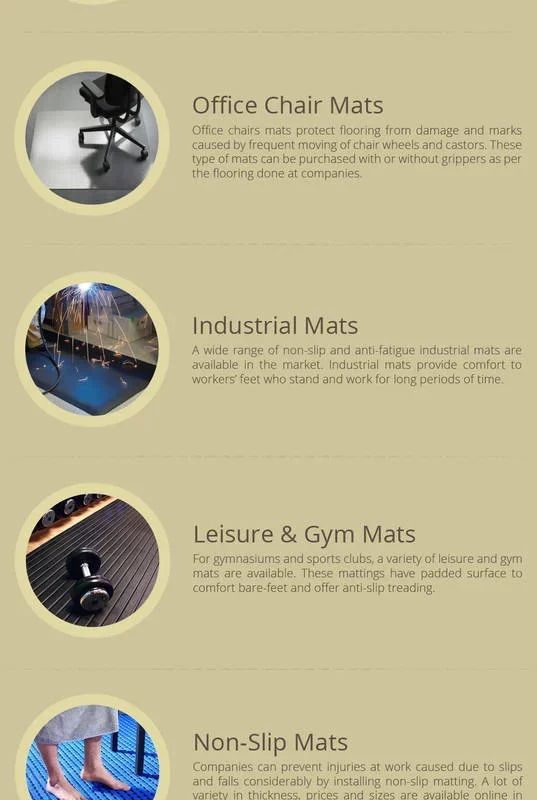
In modern workplaces, the floor is more than just a surface to walk on—it influences ergonomics, acoustics, and overall employee well‑being. Selecting the right office floor mats can dramatically reduce fatigue, protect expensive carpet or hardwood, and even improve a company’s professional image. With countless options ranging from rubber to woven fiber, understanding the key factors behind a good choice is essential for any facility manager or business owner.
Beyond aesthetics, office floor mats serve practical purposes: they trap dirt and moisture, dampen noise, and create a defined transition zone between entryways and work areas. When implemented thoughtfully, these mats become silent contributors to a healthier, safer, and more productive environment. This guide walks you through the most important considerations, from material science to maintenance routines, so you can make an informed decision that aligns with both budget constraints and design goals.
Whether you are outfitting a startup loft, a corporate high‑rise, or a co‑working space, the principles outlined here will help you choose office floor mats that stand up to heavy foot traffic, meet safety regulations, and complement your interior design strategy.
Office Floor Mats: Types and Materials
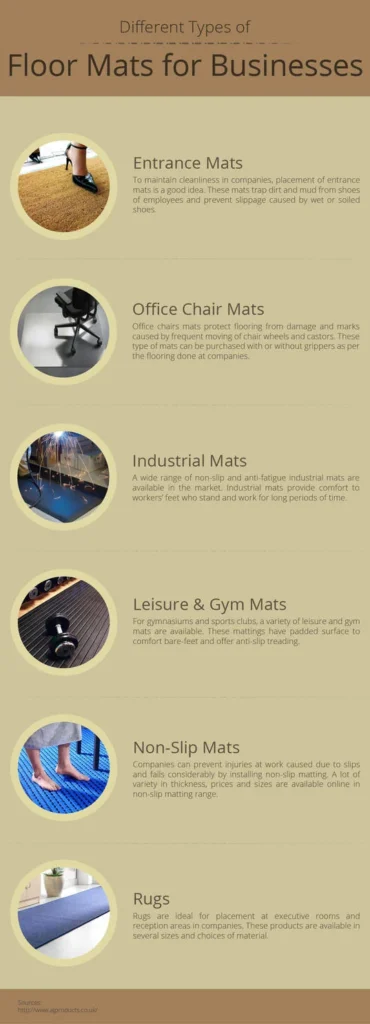
Not all office floor mats are created equal. The material you select determines durability, comfort, and suitability for specific zones within your office.
Rubber and Vinyl Mats
- Durability: Ideal for high‑traffic areas such as reception desks, conference rooms, and kitchenettes.
- Slip Resistance: Textured surfaces provide excellent traction, reducing the risk of slips.
- Maintenance: Easy to clean with a damp mop; resistant to stains and spills.
Woven Carpet Mats
- Comfort: Soft underfoot, making them perfect for standing desks or areas where employees stand for prolonged periods.
- Acoustic Benefits: Help absorb sound, creating a quieter workspace.
- Design Flexibility: Available in myriad colors and patterns to match corporate branding.
Eco‑Friendly Options
- Recycled Materials: Made from reclaimed rubber or PET bottles, these mats reduce environmental impact.
- Biodegradable Fibers: Natural jute or sisal mats decompose more easily at end‑of‑life.
- Health Considerations: Low‑VOC (volatile organic compounds) formulations improve indoor air quality.
Choosing the Right Office Floor Mats for Specific Zones
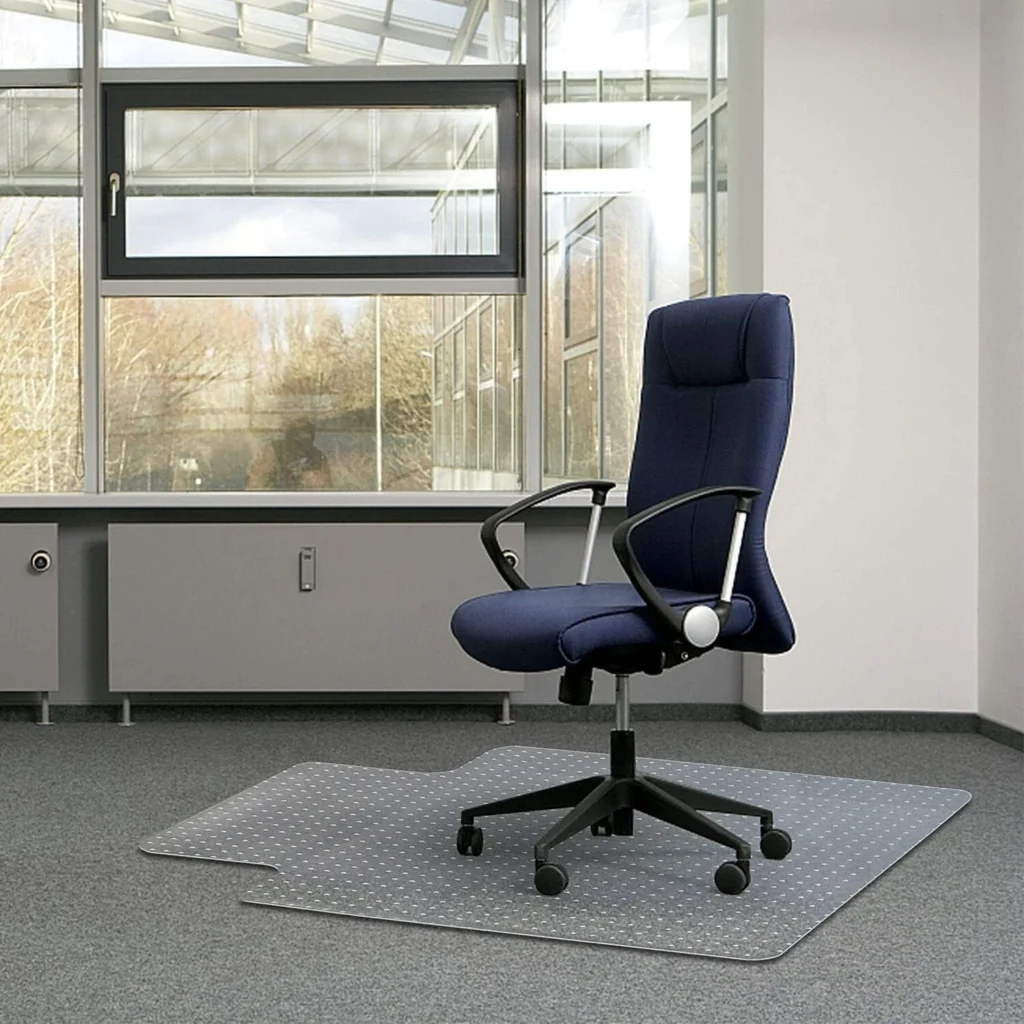
Different parts of an office demand distinct performance characteristics. Below is a quick reference guide to help you match mat type with location.
Entryways and Reception Areas
These high‑traffic zones benefit from heavy‑duty rubber mats that trap grit and moisture from shoes. A well‑chosen entry mat also creates a welcoming first impression; for inspiration on transitional flooring, see our entry rug ideas article.
Workstations and Open‑Plan Areas
For employees who spend long hours at standing desks, woven carpet mats provide cushioning while reducing fatigue. Look for a low‑pile density that balances comfort with easy cleaning.
Kitchenettes and Break Rooms
Spills are inevitable in these zones, making vinyl or slip‑resistant rubber mats the best choice. They can be wiped down quickly and resist water damage.
Conference Rooms
Acoustic performance matters here. Thick, dense carpet mats can dampen echoes, making conversations clearer and video calls more professional.
Office Floor Mats – Maintenance Best Practices
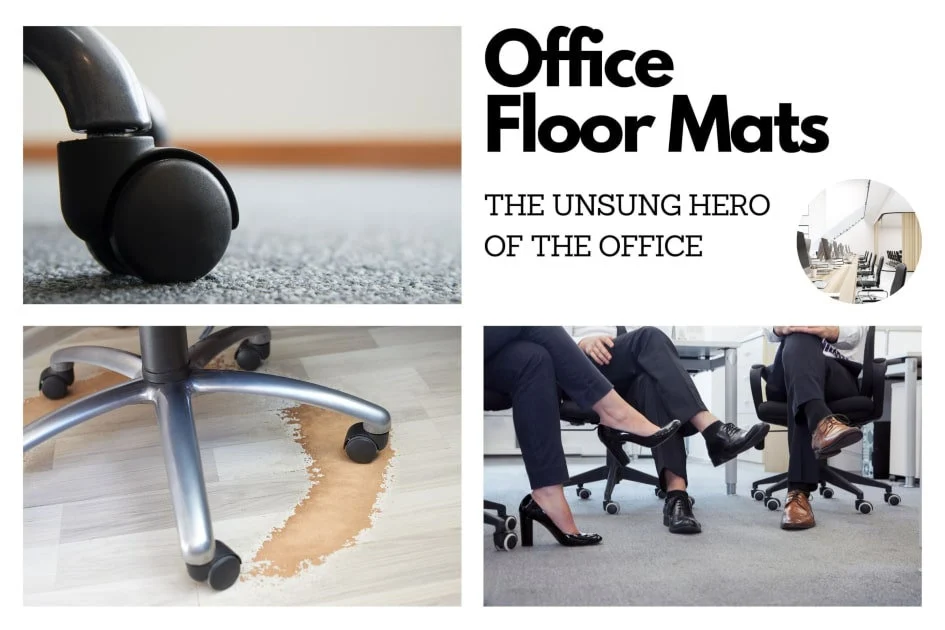
Even the highest‑quality mats lose effectiveness if they aren’t cared for properly. A regular maintenance schedule extends lifespan and preserves safety standards.
Daily Cleaning Routine
- Vacuum or sweep to remove loose debris.
- Spot‑clean spills immediately with a mild detergent.
- For rubber mats, a quick rinse with a hose (if outdoors) helps prevent buildup.
Monthly Deep‑Cleaning
Depending on foot traffic, schedule a thorough wash every 30‑45 days. Use a carpet shampoo for woven mats and a neutral‑pH cleaner for vinyl or rubber surfaces. Allow the mat to dry completely before repositioning it to avoid moisture‑related slip hazards.
Inspection and Replacement
Inspect edges for fraying, check backing for delamination, and assess surface wear. Replace mats that show significant damage to maintain safety and aesthetic standards.
Health and Safety Benefits of Office Floor Mats
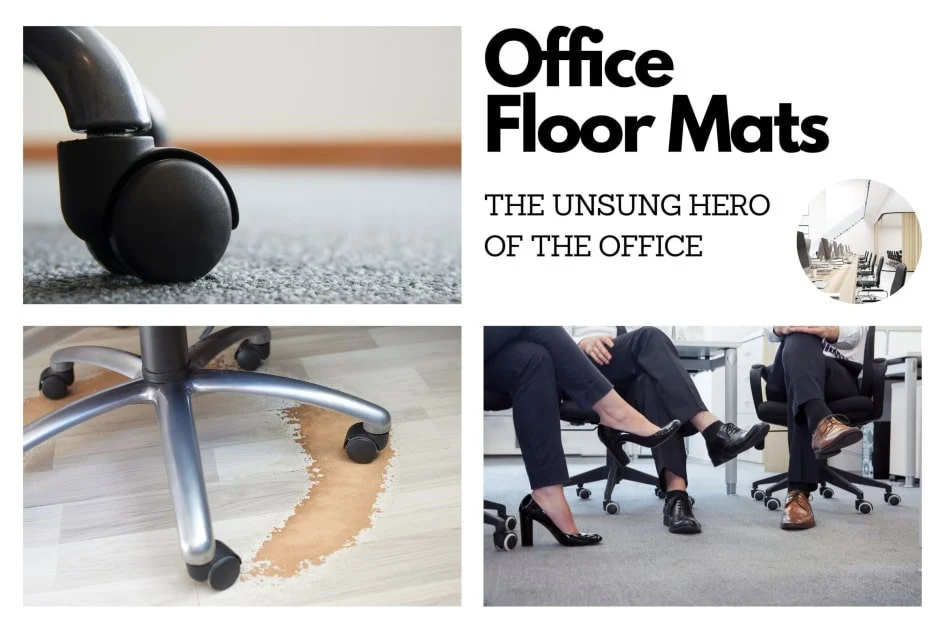
Beyond the obvious protective role, office floor mats contribute to employee health in measurable ways.
Ergonomic Support
Standing on a hard floor for hours can lead to joint strain and lower‑back pain. Mats with appropriate cushioning distribute pressure evenly, reducing musculoskeletal discomfort.
Slip and Fall Prevention
According to OSHA, slip‑related injuries are a leading cause of workplace accidents. Properly selected office floor mats with anti‑slip backing dramatically lower this risk, especially in areas prone to moisture.
Indoor Air Quality
Dust and allergens often settle on flooring. Mats that trap particulates prevent them from re‑entering the air when employees walk, contributing to a cleaner breathing environment.
Design Integration: Matching Office Floor Mats to Interior Style
Office floor mats need not be purely functional; they can also enhance the visual narrative of a space. When coordinated with furniture and color schemes, they become an integral part of interior design.
Color Coordination
Choose mat colors that echo your brand palette or complement wall paint. For a modern aesthetic, neutral tones like charcoal, slate, or muted teal work well, while a vibrant hue can serve as a focal point in an otherwise minimalist office.
Pattern and Texture
Geometric patterns add visual interest without overwhelming the space. Textured surfaces not only improve grip but also create subtle depth. If you’re looking for cohesive design ideas, check out our guide on Modern Sofa Table: Design, Function, and Styling Tips for inspiration on blending furniture and flooring elements.
Custom Branding
Many manufacturers offer custom‑printed mats featuring company logos or mission statements. This turns a functional object into a branding opportunity, reinforcing corporate identity at the very first step inside the office.
Cost Considerations and ROI
Investing in quality office floor mats may seem like an added expense, but the return on investment becomes evident over time.
Initial Purchase vs. Longevity
While premium mats carry a higher upfront cost, their durability reduces the frequency of replacement. Over a five‑year period, a well‑chosen mat can save up to 30% compared to repeatedly buying lower‑grade alternatives.
Reduced Maintenance Expenses
Durable mats resist staining and wear, cutting down on cleaning labor and chemical costs. In high‑traffic areas, this can translate to significant savings for facilities teams.
Employee Productivity Gains
Comfortable flooring reduces fatigue, which can improve focus and output. Studies show that ergonomically optimized work environments can boost productivity by 5‑12%, a figure that outweighs the modest investment in proper office floor mats.
Installation Tips for Optimal Performance
Even the best mat will underperform if installed incorrectly. Follow these guidelines to ensure a seamless fit.
Proper Alignment
- Measure the space accurately; allow a small overhang (1‑2 inches) to prevent gaps where dirt can collect.
- Use a non‑slip backing or double‑sided tape for added security on smooth surfaces.
Seam Management
When covering large areas, opt for mats with interlocking edges to avoid tripping hazards. If seams are unavoidable, use a low‑profile seam tape that does not interfere with foot traffic.
Regular Re‑positioning
Shift mats slightly each month to distribute wear evenly. This simple habit extends the lifespan of both the mat and the underlying floor.
Incorporating office floor mats into your workspace is a strategic decision that blends safety, comfort, and design. By evaluating material properties, aligning mat selection with specific office zones, and committing to a consistent maintenance routine, you create an environment where employees thrive and assets are protected. The right mat is more than a protective layer—it’s a silent partner in productivity and brand storytelling.
