 Admin
AdminWhen it comes to creating a welcoming outdoor retreat, the choice of seating can make or break the experience. Among the myriad options, outdoor wooden lounge chairs stand out for their timeless elegance, natural warmth, and adaptability to various design aesthetics. Whether you’re furnishing a sprawling garden, a compact balcony, or a resort‑style poolside area, these chairs provide a blend of comfort and sophistication that metal or plastic alternatives often lack.
Beyond mere aesthetics, outdoor wooden lounge chairs offer practical advantages that appeal to both casual loungers and design enthusiasts. Their inherent durability, when properly treated, can withstand the elements for years, while the tactile feel of wood adds a sensory dimension to outdoor living. Moreover, advancements in sustainable forestry and eco‑friendly finishes make them a responsible choice for environmentally conscious homeowners.
In this comprehensive guide, we will explore the essential factors to consider when selecting, caring for, and styling outdoor wooden lounge chairs. From material selection and ergonomic design to placement strategies and seasonal maintenance, you’ll find actionable insights that help you transform any exterior space into a relaxing haven.
Outdoor Wooden Lounge Chairs: Key Features and Benefits

Understanding the core attributes of outdoor wooden lounge chairs is the first step toward making an informed purchase. Below are the primary qualities that set these pieces apart from other outdoor seating options.
Material Choices for Outdoor Wooden Lounge Chairs
Not all wood is created equal, especially when it will be exposed to sun, rain, and humidity. The most popular species used for outdoor lounge chairs include:
- Teak – Renowned for its high oil content, teak naturally resists water and insects, making it a top choice for longevity.
- Eucalyptus – A cost‑effective alternative to teak, eucalyptus offers similar durability when treated with a proper sealant.
- Acacia – With a warm, honey‑colored grain, acacia is strong and relatively affordable, though it benefits from regular maintenance.
- Cedar – Light and aromatic, cedar resists rot but may require more frequent refinishing to maintain its appearance.
Choosing the right wood depends on budget, climate, and the desired visual impact. For high‑traffic areas or coastal environments, teak or a well‑sealed eucalyptus often delivers the best performance.
Ergonomic Design Elements in Outdoor Wooden Lounge Chairs
Comfort is a non‑negotiable factor for any lounge chair, and modern designs incorporate several ergonomic considerations:
- Contour‑shaped backrests that follow the natural curvature of the spine.
- Adjustable recline angles allowing users to shift from a reading position to a full‑lay.
- Integrated footrests or detachable ottomans that support the legs.
- Strategic slat spacing to provide airflow while still offering a supportive seat.
When testing a chair, sit for a few minutes to gauge how well the design supports your posture. The most comfortable outdoor wooden lounge chairs often combine a generous seat depth with a slightly forward‑tilted back.
Styling Versatility of Outdoor Wooden Lounge Chairs
One of the strongest arguments for choosing wooden lounge chairs lies in their ability to complement a wide range of outdoor décor styles. From rustic farmhouse patios to sleek contemporary terraces, the natural grain of wood adds an organic touch that can be either highlighted or softened with accessories.
For instance, pairing a set of teak lounge chairs with a modern Adirondack chair arrangement creates a layered look that balances classic comfort with modern lines. Adding weather‑resistant cushions in muted earth tones further integrates the seating into a cohesive palette.
Choosing the Right Outdoor Wooden Lounge Chairs for Your Space
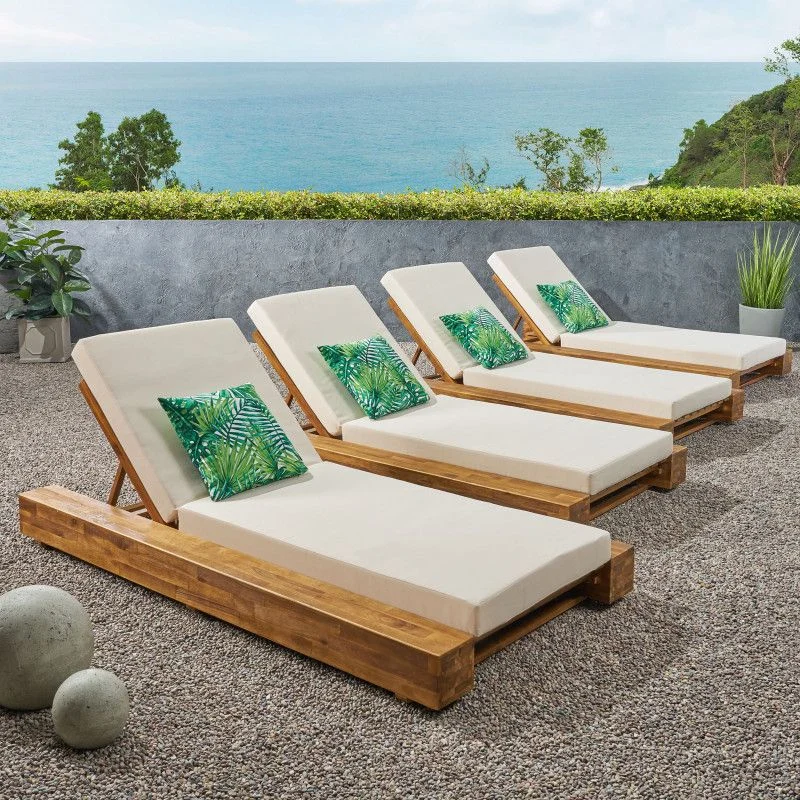
Selecting the perfect chair involves more than just picking a favorite wood species. Consider the following variables to ensure the piece fits both functionally and aesthetically within your outdoor environment.
Assessing Scale and Proportion
Measure the area where the chairs will sit. A small balcony may only accommodate a single lounge chair with a slim profile, whereas a spacious garden can host multiple chairs arranged around a coffee table or fire pit. Remember to leave enough clearance for movement—generally at least 24 inches between pieces.
Climate Considerations
If you live in a region with harsh winters, opt for wood that can tolerate freeze‑thaw cycles without cracking. Teak’s natural oils offer excellent resistance, while hardwoods like acacia may require a protective oil coat before winter storage.
Maintenance Commitment
All outdoor wooden lounge chairs need periodic care. Decide how much time you’re willing to invest:
- Low‑maintenance: Pre‑finished teak with a built‑in sealant can be simply wiped down.
- Medium‑maintenance: Eucalyptus or acacia benefits from an annual oil treatment.
- High‑maintenance: Cedar may need semi‑annual sanding and resealing for optimal durability.
Choosing a finish that matches your upkeep routine will keep the chairs looking fresh for years.
Matching Existing Outdoor Furniture
Harmonizing your lounge chairs with other pieces—such as a patio table or a modern sofa set—creates visual balance. If your patio already features metal frames, consider wooden chairs with metal accents to bridge the two styles.
Design Ideas and Placement Strategies for Outdoor Wooden Lounge Chairs
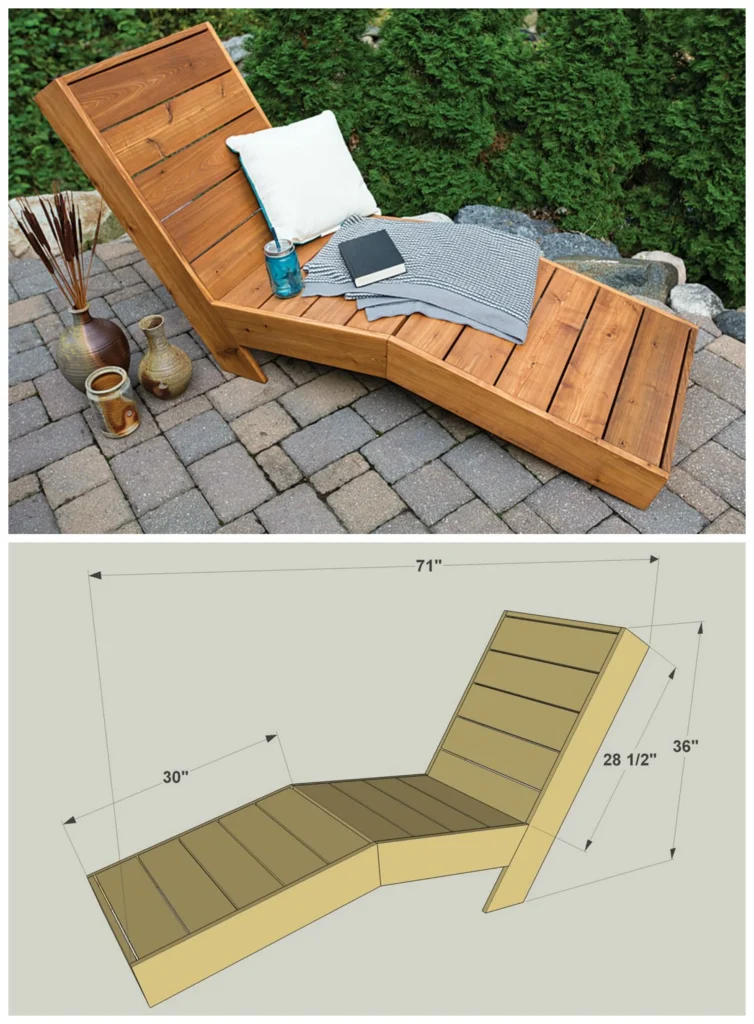
The placement of outdoor wooden lounge chairs can transform a simple yard into a curated oasis. Below are several layout concepts to inspire you.
Poolside Retreat
Position lounge chairs at a slight angle from the water’s edge, allowing easy access while providing shade with a cantilevered umbrella. Pairing a teak lounge chair with a matching side table creates a convenient spot for drinks and sunscreen.
Garden Nook
In a flower‑filled garden, tuck a pair of curved wooden lounge chairs into a secluded corner. Add a low, reclaimed‑wood coffee table and surround the area with lanterns for evening ambiance.
Terrace Sun Deck
On a rooftop or raised deck, line up several reclinable outdoor wooden lounge chairs in a row, oriented toward a city view. Incorporate a sleek metal rail for safety and a few potted succulents for a pop of greenery.
Outdoor Living Room
Combine lounge chairs with a robust wooden sofa to form an outdoor living room. A large, weather‑proof rug underfoot adds comfort and defines the space. This layout works especially well when paired with a fire pit or a built‑in grill station.
Maintenance Guide: Keeping Outdoor Wooden Lounge Chairs Pristine
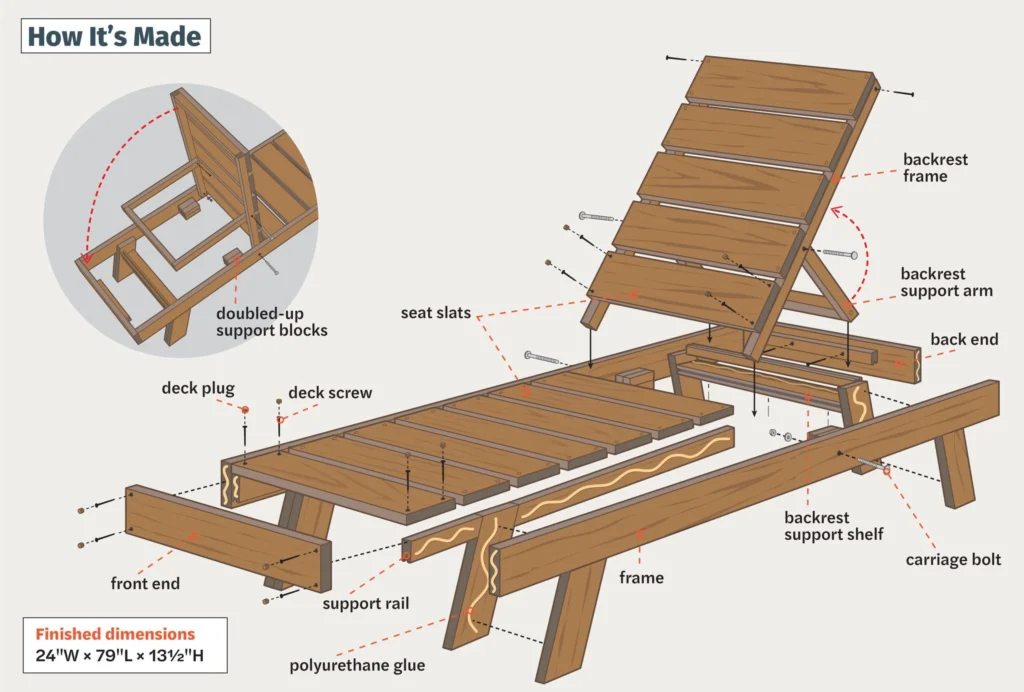
Proper care extends the lifespan of outdoor wooden lounge chairs and preserves their natural beauty. Follow these step‑by‑step recommendations throughout the seasons.
Regular Cleaning Routine
1. Sweep off debris with a soft brush or broom.
2. Wash the surface using a mild soap solution and a sponge.
3. Rinse thoroughly with a garden hose, avoiding high‑pressure streams that could force water into joints.
4. Allow the chairs to dry completely before applying any protective treatment.
Seasonal Protective Treatments
• Spring: Apply a penetrating oil or marine varnish to replenish the wood’s moisture barrier.
• Summer: Spot‑clean any stains promptly; use a UV‑resistant finish to guard against sun fading.
• Fall: Lightly sand rough areas before re‑oiling to ensure even absorption.
• Winter: In colder climates, store the chairs in a sheltered area or cover them with breathable fabric. If storage isn’t possible, apply a thicker coat of oil to prevent moisture ingress.
Addressing Common Issues
– Cracks: Small surface cracks can be filled with a wood filler tinted to match the surrounding grain.
– Splintering: Sand the affected area gently, then re‑seal.
– Discoloration: Use a wood brightener to restore original tone before re‑applying finish.
Eco‑Friendly Considerations for Outdoor Wooden Lounge Chairs
Choosing responsibly sourced wood contributes to forest conservation and reduces environmental impact. Look for certifications such as FSC (Forest Stewardship Council) or PEFC (Programme for the Endorsement of Forest Certification) when purchasing.
Additionally, opting for natural oil finishes over synthetic varnishes minimizes volatile organic compound (VOC) emissions. Some manufacturers also offer reclaimed wood options, turning salvaged timber into stylish lounge chairs with a unique history.
Purchasing Tips: What to Look for When Shopping
Before clicking “add to cart,” keep these practical pointers in mind:
- Weight capacity: Ensure the chair supports the intended users; most outdoor wooden lounge chairs carry a rating of 250–300 pounds.
- Joint construction: Look for stainless‑steel or brass fasteners that resist corrosion.
- Warranty: Reputable brands often provide 3‑5 year warranties on wood and finishes.
- Customization: Some retailers offer interchangeable cushions, adjustable recline mechanisms, or optional shade sails.
Reading customer reviews can also reveal real‑world performance, especially regarding how the wood holds up after several seasons.
Integrating Outdoor Wooden Lounge Chairs with Complementary Elements
A well‑designed outdoor space feels cohesive, with each element playing a supportive role. Consider these accessories to enhance the functionality and visual appeal of your lounge chairs.
Cushions and Textiles
Select weather‑resistant fabrics that complement the wood’s tone. Neutral colors such as slate, olive, or muted terracotta blend seamlessly with natural surroundings. Adding a removable cushion cover allows for easy cleaning and seasonal updates.
Lighting Solutions
String lights, solar lanterns, or low‑voltage LED sconces create a warm ambience after dusk. Position lights to highlight the grain of the wood without causing glare on the seating surface.
Side Tables and Storage
A compact side table provides a spot for drinks, books, or a small plant. Look for designs that match the chair’s wood type or opt for a contrasting metal or stone table for visual interest.
Shade Structures
Umbrellas, pergolas, or sail shades protect lounge chairs from harsh UV rays, extending the lifespan of both the wood and any cushions. Ensure the shade structure is securely anchored to withstand wind.
By thoughtfully combining these elements, outdoor wooden lounge chairs become more than just a seat—they evolve into a central feature of your outdoor living narrative.
In summary, outdoor wooden lounge chairs deliver an unmatched combination of durability, comfort, and aesthetic versatility. From selecting the appropriate wood species and ergonomic features to implementing smart placement and diligent maintenance, each decision contributes to a lasting outdoor sanctuary. Whether you favor the classic richness of teak or the budget‑friendly charm of eucalyptus, the right lounge chair can anchor your garden design, invite relaxation, and reflect a commitment to sustainable living.
