 Admin
Admin
When space is at a premium and energy costs continue to rise, homeowners are turning to smarter solutions for everyday comfort. One such innovation— the Point of Use Tankless Water Heater—delivers hot water exactly where it’s needed without the bulk of a traditional storage tank. By heating water only on demand, this compact unit not only reduces standby heat loss but also frees up valuable square footage in closets, under sinks, and even beneath countertops.
Unlike whole‑house tankless systems that require extensive venting and high‑capacity gas lines, a point‑of‑use model is designed for single fixtures such as a kitchen sink, bathroom vanity, or a dedicated shower. This focused approach translates into lower upfront costs, quicker installation, and a measurable boost in energy efficiency. Whether you’re renovating a cramped apartment bathroom or upgrading a sprawling kitchen island, the Point of Use Tankless Water Heater can be the quiet workhorse that keeps water hot without compromising design.
In the sections that follow, we’ll explore how these devices work, what to consider before purchasing, and practical tips for installation and maintenance. By the end of this guide, you’ll have a clear roadmap to decide if a point‑of‑use solution fits your lifestyle and how to make the most of its performance.
Understanding the Point of Use Tankless Water Heater
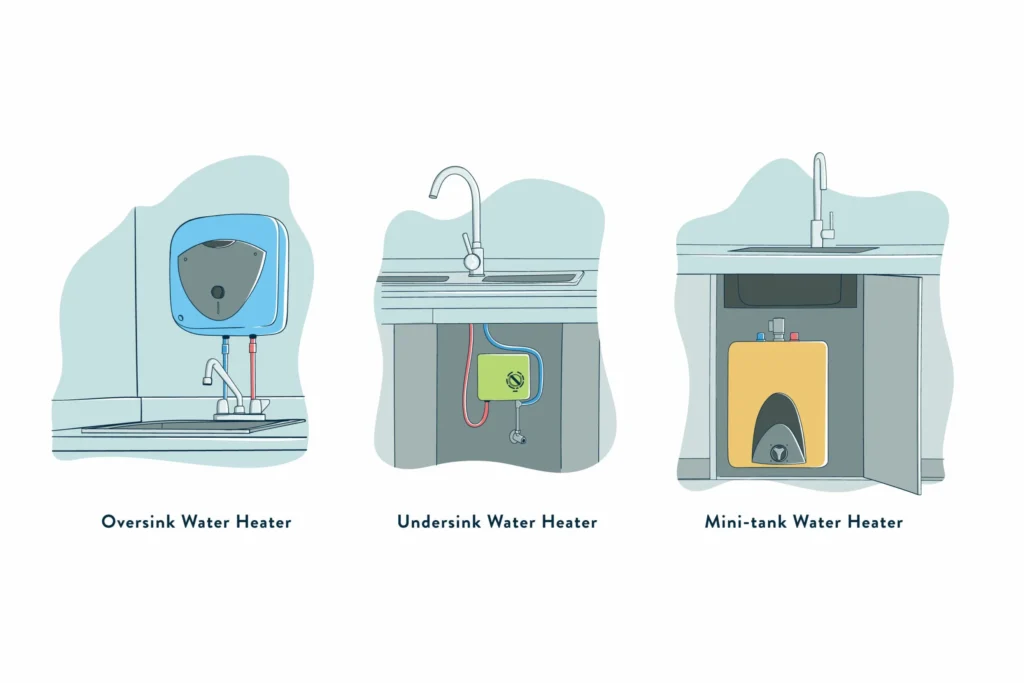
The core principle behind a Point of Use Tankless Water Heater is simple: water flows through a heat exchanger, a heating element (electric or gas) raises its temperature, and the hot water exits the unit almost instantly. Because there is no reservoir to keep water warm, the system eliminates the energy waste associated with keeping a tank at a constant temperature.
These heaters come in a variety of capacities, typically measured in gallons per minute (GPM). A 2‑GPM unit can comfortably supply a single bathroom sink, while a 4‑GPM model might handle a kitchen faucet and a dishwasher simultaneously. Choosing the right flow rate ensures you never experience a sudden dip in temperature when multiple fixtures are used at once.
Key Benefits of a Point of Use Tankless Water Heater
- Space Savings: Compact dimensions often fit inside cabinets or behind walls, freeing up storage space.
- Energy Efficiency: Only heats water when needed, reducing electricity or gas consumption by up to 30% compared to traditional tanks.
- Unlimited Hot Water: Since the system heats water on demand, you won’t run out of hot water mid‑shower.
- Longer Lifespan: Fewer moving parts and no corrosion‑prone tank mean a longer operational life.
- Improved Water Quality: Less stagnation means fewer opportunities for bacterial growth.
Choosing the Right Point of Use Tankless Water Heater for Your Home
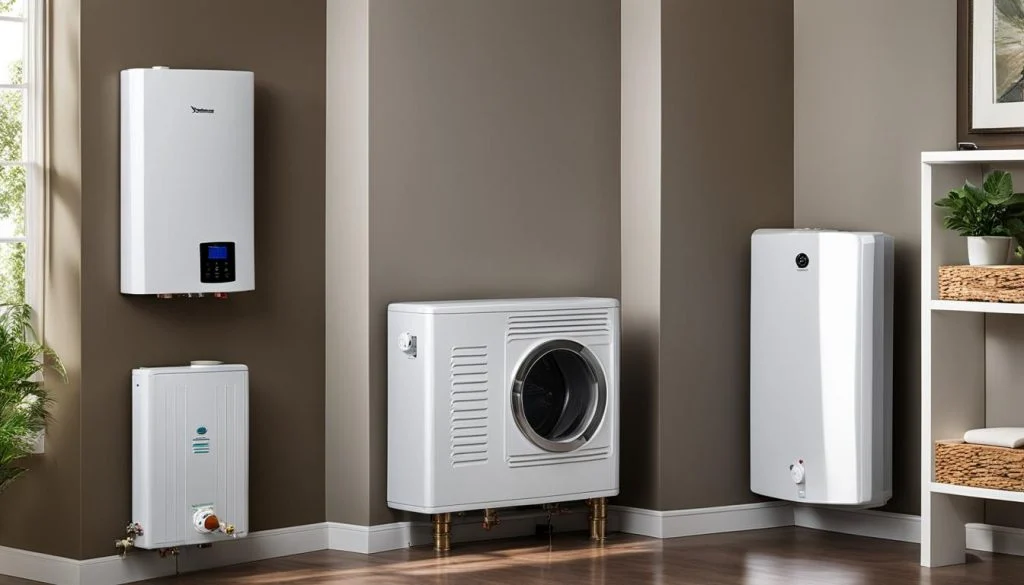
Before you purchase, assess the fixture(s) you intend to serve. Calculate the combined flow rate of all appliances that will draw from the heater. For instance, a kitchen faucet typically requires 1.5 GPM, while a dishwasher may need another 1.0 GPM. Adding a safety margin of 20% helps avoid temperature fluctuations during peak use.
Next, consider the fuel source. Electric units are easier to install in most homes because they only need a dedicated circuit, whereas gas models demand proper venting and a gas line. If you already have a gas line near the installation spot, a gas‑powered Point of Use Tankless Water Heater can deliver higher temperature rises with lower electricity usage.
Finally, examine the unit’s energy factor (EF) or Uniform Energy Factor (UEF). Higher numbers indicate better efficiency. Look for models that carry ENERGY STAR® certification; they meet stringent performance criteria and often qualify for rebates.
Installation: What to Expect

Installing a Point of Use Tankless Water Heater is generally less invasive than a whole‑house system, but it still requires a basic understanding of plumbing and electrical or gas codes. Most manufacturers provide detailed installation manuals, but here are the typical steps:
- Location Selection: Choose a spot close to the fixture to minimize pipe length and heat loss.
- Power or Gas Supply: Ensure the circuit can handle the unit’s amperage (often 30‑50 A for electric models) or verify that the gas line pressure meets the manufacturer’s specifications.
- Ventilation (for gas units): Install a vent kit according to local building codes—most modern units use direct‑vent kits that draw air from outside.
- Plumbing Connections: Use flexible copper or stainless‑steel braided hoses to connect the inlet and outlet. Install shut‑off valves for future maintenance.
- Testing: Turn on water, check for leaks, and verify temperature output at the fixture.
If you’re uncomfortable handling gas lines or high‑amp electrical work, it’s wise to hire a licensed plumber or electrician. The initial investment in professional installation can prevent costly re‑work later.
Maintenance Tips to Extend the Life of Your Point of Use Tankless Water Heater
While these units require far less upkeep than traditional tanks, periodic maintenance ensures optimal performance and longevity. Follow these simple practices:
- Descale Annually: Hard water can build mineral deposits inside the heat exchanger. Use a commercial descaling solution or a 50/50 white‑vinegar mixture, running it through the system while the unit is off.
- Inspect Filters: Many models feature inlet filters that trap debris. Clean them quarterly to maintain flow rate.
- Check Electrical Connections: Verify that the circuit breaker isn’t tripping and that all wire connections remain tight.
- Monitor Temperature Settings: Keep the temperature set between 120°F and 130°F for safety and energy efficiency.
Regular maintenance not only preserves efficiency but also helps you spot potential issues before they become expensive repairs.
Integrating Point of Use Tankless Water Heaters into Modern Design
Beyond functionality, the aesthetic impact of a Point of Use Tankless Water Heater can be surprisingly positive. Because the unit is small enough to hide behind a cabinet door, you can maintain a clean, minimalist look in high‑traffic areas like the kitchen island. This seamless integration mirrors the way a well‑chosen piece of furniture can transform a room’s flow—think of how a compact small chaise sofa maximizes lounge space without overwhelming the layout.
In a contemporary kitchen, pairing a point‑of‑use heater with sleek, handle‑less faucets and a polished quartz countertop creates a cohesive, luxury feel. For bathrooms aiming for spa‑like indulgence, a dedicated heater at the vanity ensures consistent warm water for hand‑washing and facial routines, enhancing the overall user experience.
Cost Considerations and Return on Investment

Upfront costs for a Point of Use Tankless Water Heater range from $150 for a basic electric model to $800 for a high‑capacity gas version, not including installation. However, the energy savings—often 15‑30% on water heating bills—can offset the expense within 2‑4 years, depending on usage patterns.
Many utility companies offer rebates for ENERGY STAR® certified units, and some states provide tax credits for energy‑efficient appliances. Check local programs before purchase; the savings can make a substantial difference in the total cost of ownership.
Common Misconceptions About Point of Use Tankless Water Heaters
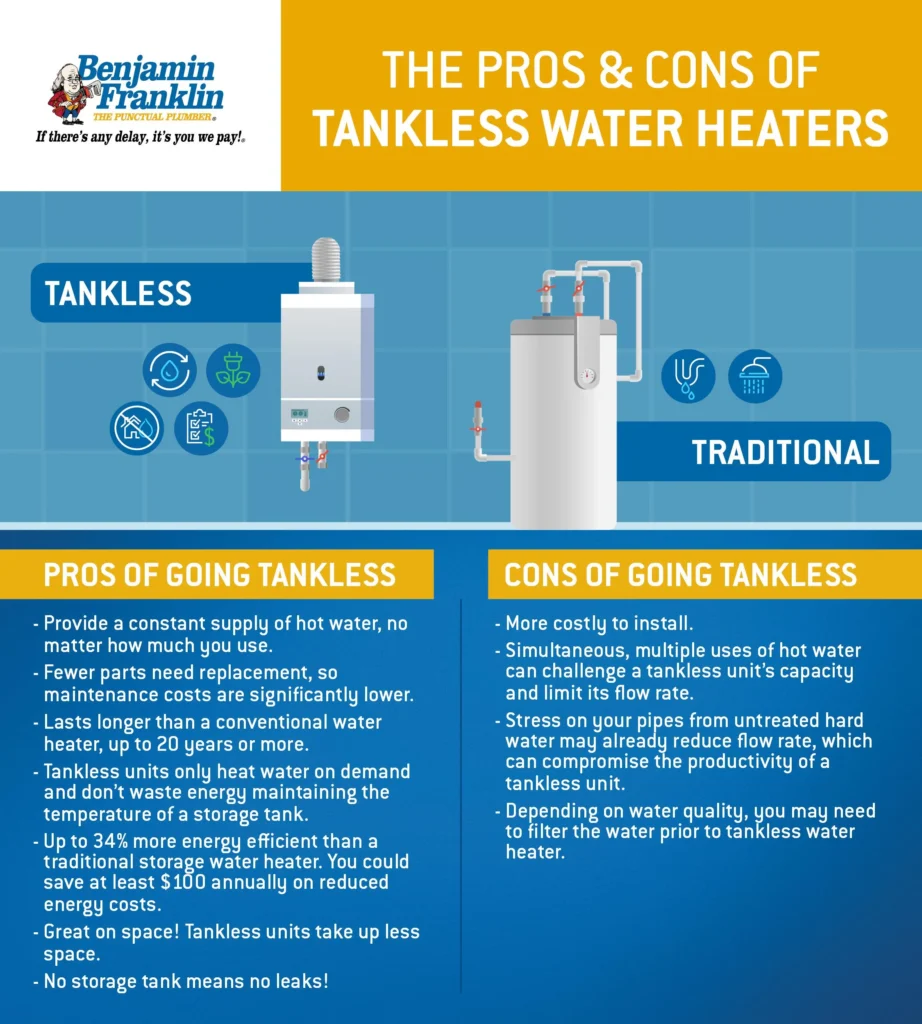
There are a few myths that can deter potential buyers. First, some assume that “tankless” means “no hot water,” which is false. The system produces hot water instantly, limited only by flow rate and temperature rise capacity. Second, people often think a point‑of‑use unit can replace a whole‑house heater. While it excels at serving specific fixtures, a comprehensive solution for an entire home still requires a larger, centrally placed system.
Finally, the belief that electric models are inefficient is outdated. Modern electric point‑of‑use heaters use advanced heating elements and sophisticated controls that rival gas models in performance, especially in regions with lower electricity rates.
Future Trends: Smart Integration and Connectivity

As smart home technology advances, manufacturers are embedding Wi‑Fi modules into point‑of‑use units, allowing homeowners to monitor temperature, diagnose faults, and even schedule heating cycles via a mobile app. This connectivity not only enhances convenience but also provides data to fine‑tune energy usage, further lowering operating costs.
In the coming years, expect to see more integration with home automation platforms like Alexa, Google Home, and Apple HomeKit. Imagine commanding hot water at your kitchen sink with a voice command while you prep a meal—an elegant blend of comfort and tech.
Choosing a Point of Use Tankless Water Heater today positions you at the forefront of this evolution, delivering immediate benefits while future‑proofing your home for upcoming smart‑home ecosystems.
Overall, the point‑of‑use tankless solution offers a compelling mix of space efficiency, energy savings, and design flexibility. Whether you’re retrofitting a dated bathroom or building a cutting‑edge kitchen island, this technology can deliver consistent hot water without the bulk of a traditional tank. By assessing your flow requirements, selecting the appropriate fuel type, and following proper installation and maintenance practices, you’ll enjoy reliable performance for years to come.
