 Admin
Admin
When it comes to creating a bedroom oasis, the floor often receives less attention than the bed, walls, or lighting. Yet a well‑chosen rug can transform a spacious sleeping area into a warm, inviting sanctuary. For owners of a king size bed, the challenge is finding a rug that complements the generous proportions without overwhelming the space. This guide walks you through the essential considerations—size, material, color, pattern, and upkeep—so you can confidently pick a rug that enhances both comfort and style.
Beyond aesthetics, a rug under a king size bed serves practical functions: it cushions footsteps, reduces noise, protects hardwood or laminate flooring, and adds a layer of insulation for colder months. Selecting the right piece involves balancing visual harmony with functional needs. Whether you favor plush, high‑pile textures for a hotel‑like feel or sleek, low‑profile designs for a minimalist vibe, the following sections will help you navigate the myriad options available.
Below, we delve into the fundamentals of choosing a rug for king size bed setups, explore styling ideas that tie the whole room together, and share maintenance tips to keep your rug looking fresh for years. Let’s begin with the most critical decision: determining the proper dimensions.
Choosing the Perfect Rug for King Size Bed
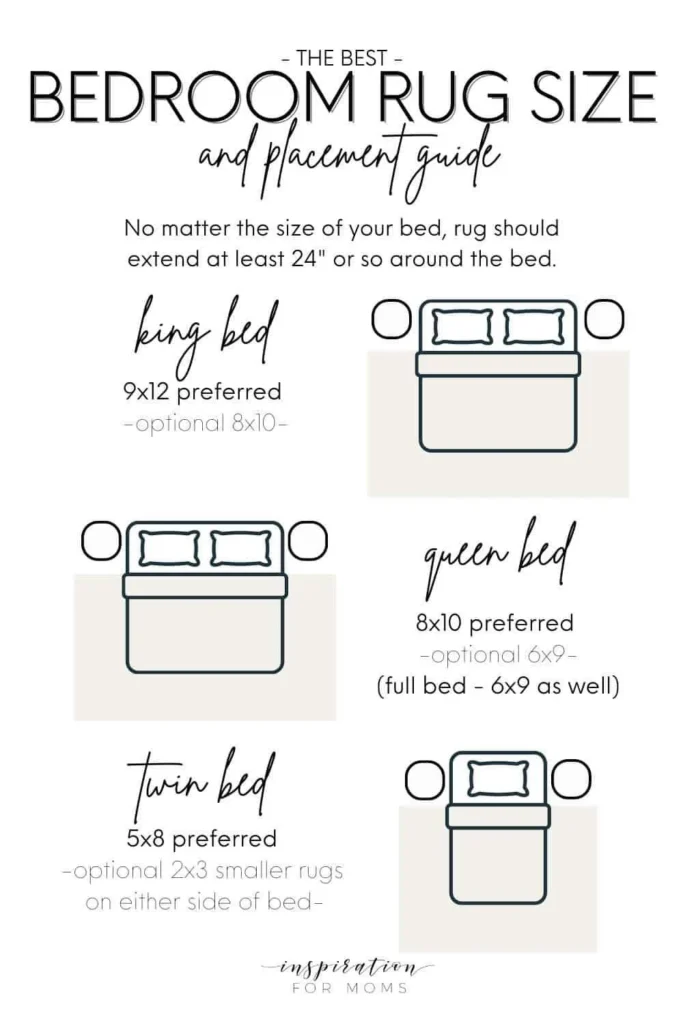
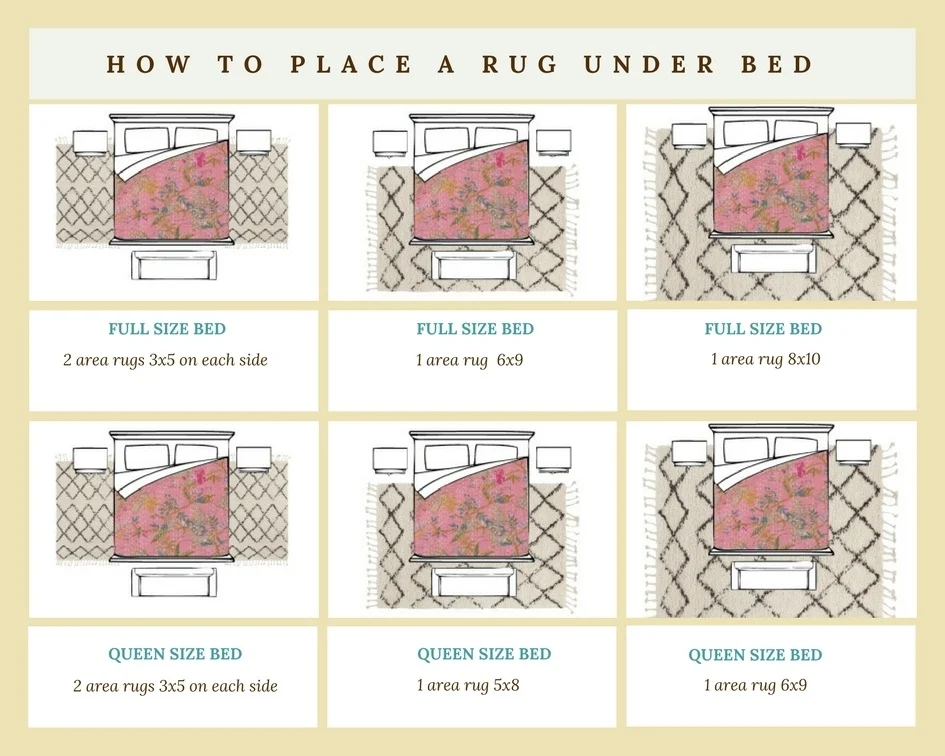
Size is the first—and arguably most crucial—factor when selecting a rug for a king size bed. The goal is to create a balanced visual footprint that frames the mattress while allowing enough floor exposure to maintain an airy feel.
Rug for King Size Bed: Size and Placement Guidelines
- Standard approach: Opt for a rug that extends at least 24‑30 inches beyond each side of the bed. This typically translates to a 9 × 12‑foot rug for a standard king mattress, providing ample space for stepping out of bed comfortably.
- Alternative layout: If the bedroom is particularly large, a 10 × 14‑foot rug can anchor the space, creating a luxurious, carpeted island beneath the bed and nightstands.
- Compact rooms: When floor space is limited, a 6 × 9‑foot rug placed only at the foot of the bed works well, preserving walking pathways while still adding texture.
Measuring your room accurately before purchasing is essential. Sketch a simple floor plan, mark the bed’s outline, and visualize the rug’s edges. Remember that the rug should not clash with door swings or impede access to closets.
Material Matters: From Wool to Synthetic Fibers
Material influences durability, comfort, and maintenance. Here’s a quick rundown of popular choices for a rug for king size bed environments:
- Wool: Naturally resilient, flame‑resistant, and soft underfoot. Wool rugs develop a beautiful patina over time but require occasional vacuuming and professional cleaning for stains.
- Polypropylene (Olefin): Highly stain‑resistant and budget‑friendly, making it ideal for high‑traffic bedrooms or homes with pets.
- Silk blends: Offer an ultra‑luxurious sheen, perfect for formal master suites, yet demand gentle care and are best placed in low‑traffic areas.
- Jute or sisal: Provide a natural, earthy texture. These flat‑weave rugs are durable but can feel rough on bare feet, so consider a low‑pile option if comfort is a priority.
For a balanced combination of comfort and practicality, many homeowners choose a high‑quality wool blend. Its natural fibers breathe, making it comfortable year‑round while standing up to the occasional spill.
Color & Pattern: Setting the Mood
The color palette of your rug should harmonize with the bedroom’s existing scheme. Neutral tones—beige, gray, or ivory—create a calm backdrop, allowing bold bedding or artwork to shine. Conversely, a rug featuring a deep navy, forest green, or rich burgundy can become a focal point, anchoring the room’s color story.
Patterned rugs add visual interest and can disguise minor stains. Geometric motifs, Persian‑inspired designs, or subtle stripes work well in contemporary settings, while traditional floral patterns suit classic interiors. When layering textures, ensure the rug’s pattern does not compete with the bedding’s design; instead, aim for complementary rather than clashing elements.
Texture & Pile Height: Comfort vs. Practicality
High‑pile rugs—think shag or plush loops—offer a hotel‑like sensation, perfect for stepping out of a king size bed on chilly mornings. However, they may trap dust and be harder to clean. Low‑pile or flat‑weave options provide a sleek look and are easier to maintain, especially in homes with allergies.
Consider a medium‑pile rug (½‑inch to ¾‑inch) as a compromise: soft enough for comfort yet manageable for regular vacuuming. If you have a hardwood floor, a rug with a slight backing can prevent slippage, keeping the rug securely in place.
Budget Considerations
Rug prices vary widely based on size, material, and brand. A high‑end wool rug for a king size bed may cost several thousand dollars, while a synthetic 9 × 12‑foot rug can be found for under $300. Allocate a realistic budget that reflects both the desired aesthetic and expected lifespan. Investing in a quality rug often pays off through durability and timeless appeal.
Styling Tips: Integrating the Rug with Your Bedroom Design

A rug should never feel like an afterthought; it’s an integral component of bedroom design. Below are proven strategies to weave the rug seamlessly into your overall décor.
Layering with Nightstands and Lamps
Place nightstands on the rug, ensuring at least 12‑18 inches of rug surface extends beyond each side. This creates a cohesive visual frame. Pair the nightstand lamps with the rug’s undertones—if the rug features a hint of teal, a lamp with a teal base can tie the look together.
Balancing Proportions with Furniture
When a king size bed dominates the room, avoid overcrowding by limiting additional large pieces. A modest accent chair or a sleek bench at the foot of the bed can balance the scale without competing with the rug’s presence. For inspiration on arranging substantial seating, see our guide on large sectional couches, which discusses proportion and flow—principles that also apply to bedroom furniture.
Creating Zones with Multiple Rugs
If your master suite includes a sitting area or a vanity, consider using a second, smaller rug to define that space. Choose a complementary style—perhaps a flat‑weave runner in a muted hue—that echoes the main rug’s pattern without duplicating it.
Seasonal Swaps and Layered Looks
For those who love seasonal décor, a lightweight, neutral rug can serve as a base, while a richly colored, patterned rug can be added during colder months for extra warmth. This layered approach also protects the underlying rug from wear.
Maintenance & Care: Keeping Your Rug for King Size Bed Pristine
Proper care prolongs the life of your rug and maintains its appearance. Follow these guidelines to ensure longevity.
Regular Cleaning Routine
- Vacuum weekly: Use a suction‑only setting to avoid pulling fibers, especially on high‑pile rugs.
- Spot‑treat spills promptly: Blot—don’t rub—using a clean, white cloth. For wool, a mild detergent mixed with cool water works well.
- Rotate annually: Turning the rug 180 degrees distributes foot traffic evenly, preventing uneven wear.
Deep Cleaning Options
Professional cleaning is recommended every 12‑18 months for large rugs. If you prefer DIY, a low‑foam carpet cleaner can be used on synthetic fibers, but avoid excessive moisture on wool or silk blends. Always test a hidden area first.
Preventing Damage
Use non‑slip rug pads to protect both the rug and the flooring underneath. In homes with pets, consider a rug with a tighter weave to resist claw marks and fur accumulation. For high‑traffic bedrooms, a stain‑resistant synthetic rug offers peace of mind.
Frequently Asked Questions About Rug for King Size Bed

Can a rug be placed only at the foot of a king size bed?
Yes. A runner or a smaller rectangle (6 × 9 ft) placed at the foot creates a visual anchor while preserving floor space. This is especially effective in narrow rooms.
What rug size works best with a platform bed?
Platform beds often sit lower to the floor, making a larger rug (9 × 12 ft or 10 × 14 ft) ideal to frame the entire bed and nightstands, ensuring a unified look.
Is a rug necessary for a carpeted bedroom?
A rug can add texture, color, or a focal point even on carpeted floors. Choose a low‑pile rug to avoid a “rug on carpet” feel.
How do I choose a rug that matches my bedroom lighting?
Warm lighting pairs well with earthy tones and deep hues, while cool, bright lighting complements cooler shades like blues and grays. Consider the lamp shades and wall colors when finalizing the rug’s palette.
In summary, selecting a rug for king size bed involves a blend of practical measurements, material knowledge, aesthetic judgment, and ongoing care. By thoughtfully addressing size, texture, color, and placement, you create a bedroom that feels both luxurious and functional. Whether you opt for a plush wool masterpiece or a sleek synthetic runner, the right rug will enhance comfort, protect your flooring, and elevate the overall ambiance of your master suite.
