 Admin
AdminIntegrating a stove into a kitchen island has become a hallmark of contemporary home design. Homeowners love the visual drama and the functional efficiency that a central cooking station brings to daily life. Yet, the decision to place a stove in a kitchen island isn’t merely aesthetic; it involves careful planning of workflow, safety, and ventilation.
From open‑plan lofts to compact urban apartments, the desire for a focal point that encourages interaction while keeping the cook engaged with guests has driven the popularity of the island stove. When executed correctly, a stove in kitchen island can transform the heart of the home into a social hub, enhancing both the cooking experience and the overall flow of the space.
In this article we’ll explore the essential considerations for installing a stove in kitchen island, examine the pros and cons, and provide actionable tips that help you make an informed decision. Whether you’re remodeling an existing kitchen or designing a new one from scratch, the guidelines below will keep your project on track and your kitchen both beautiful and functional.
Stove in Kitchen Island: Key Design Principles
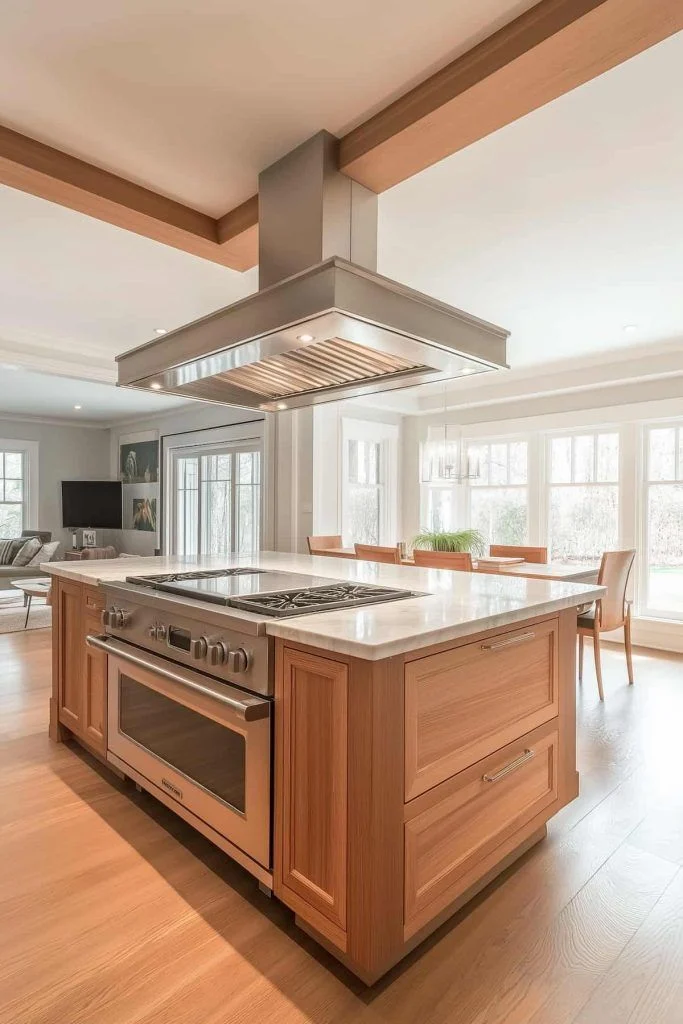
Before selecting the perfect model, start with the fundamentals of layout. The classic kitchen work triangle—sink, refrigerator, and stove—should still apply, even when the stove migrates to the island. Position the island so that the distance between the stove, sink, and fridge remains comfortable, typically between 36‑48 inches. This spacing reduces unnecessary steps and preserves the ergonomic rhythm that professional chefs rely on.
Next, consider the island’s dimensions. A minimum width of 42 inches is recommended to accommodate a standard 30‑inch cooktop while leaving room for side counters. If you plan to incorporate a downdraft ventilation system, add an extra 6‑8 inches to ensure the unit fits without crowding the work surface. The island’s height should follow the standard 36‑inch countertop level, but some designers opt for a slightly lower prep area (30‑34 inches) on one side to create a comfortable “cooking zone” separate from the dining or seating side.
Choosing the Right Stove in Kitchen Island Configuration
The market offers several stove formats suitable for an island layout:
- Freestanding Cooktops: Ideal for a clean, minimalist look. They can be paired with a downdraft vent or a concealed hood that rises from the island’s ceiling.
- Integrated Range Ovens: Combine a cooktop and oven in one unit, saving space and simplifying wiring. Look for models with a front‑opening door for easy access.
- Induction Surfaces: Provide rapid heating and precise temperature control, plus they stay cool to the touch—an advantage for safety in a busy island environment.
When selecting the stove, prioritize features that complement the island’s role as a social centerpiece. A high‑output burner set, a built‑in grill, or a wok ring can broaden cooking possibilities while impressing guests. For households with children, consider a child‑lock function and smooth glass surfaces that reduce crevices where spills can linger.
Ventilation Strategies for a Stove in Kitchen Island

Effective ventilation is perhaps the most critical technical challenge of installing a stove in kitchen island. Traditional wall‑mounted hoods are out of the question, so alternatives must be integrated into the island’s architecture. Two primary solutions dominate the market:
- Downdraft Ventilation: A vent located behind the cooktop that pulls smoke and steam downward, then exhausts it through a concealed duct. This solution preserves sightlines and maintains an open feel, but it requires sufficient ceiling height—typically at least 8 feet—to accommodate the duct run.
- Island Hoods: These are mounted directly above the island, either as a sleek, linear hood or a sculptural canopy. While they are more visible, they provide robust airflow and can become a design statement.
Regardless of the choice, aim for a minimum airflow rate of 100 CFM (cubic feet per minute) per 12 inches of burner width. For a six‑burner cooktop (about 30 inches wide), a hood delivering 250‑300 CFM will handle most cooking tasks without excessive noise. If your kitchen is open to a living area, a higher CFM rating helps prevent lingering odors from drifting into the adjoining space.
Safety Considerations When Installing a Stove in Kitchen Island
Safety must be at the forefront of any island stove project. Here are the top guidelines to keep in mind:
- Clearances: Maintain a minimum of 12 inches of countertop space on each side of the stove to prevent accidental contact with hot surfaces.
- Electrical and Gas Connections: Use a dedicated circuit for electric cooktops and ensure gas lines are installed by a licensed professional, with shut‑off valves easily accessible.
- Fire‑Suppression Systems: Some high‑end island hoods include built‑in fire suppression, which can be a valuable addition in a busy cooking area.
- Child‑Proofing: Incorporate lockable controls or a recessed control panel that can be covered when not in use.
In addition to these measures, consider the ergonomics of the surrounding seating. If you plan to include bar stools, position them at least 24 inches away from the stove edge to give diners a safe buffer.
Integrating Storage and Utility Around the Stove in Kitchen Island

A well‑designed island does more than host a stove; it offers storage, prep space, and sometimes even a dishwasher or wine cooler. Align the cabinet layout with the cooking workflow: place pots, pans, and utensils in drawers directly adjacent to the stove, and keep baking sheets and cutting boards within easy reach on the countertop.
For those who love to entertain, a built‑in warming drawer beneath the island surface can keep dishes hot while guests mingle. Likewise, a pull‑out trash and recycling bin keeps the island tidy without compromising the clean lines that a central stove often demands.
When choosing finishes, coordinate the stove’s backsplash with the island’s material. A seamless quartz countertop that continues beneath the cooktop can create a monolithic look, while a contrasting tile backsplash adds visual interest and simplifies cleaning.
Styling Tips to Highlight the Stove in Kitchen Island
Because the stove becomes the visual anchor, styling decisions should accentuate rather than compete with it. Consider these design tricks:
- Contrasting Materials: Pair a sleek stainless‑steel cooktop with a warm wood island to create a dynamic contrast.
- Integrated Lighting: Install LED strip lighting along the underside of the countertop to illuminate the cooking zone and set a mood for evening meals.
- Accent Hoods: If you opt for an island hood, select one in brushed copper or matte black to become a focal point.
- Open Shelving: Display beautiful cookware or decorative jars on open shelves flanking the stove; this adds personality and keeps frequently used items within arm’s reach.
Don’t overlook the role of color. A bold, matte‑finish stove can serve as a statement piece, especially in a monochrome kitchen palette. Conversely, a neutral white or black stove blends seamlessly into a more eclectic setting.
Budgeting and ROI for a Stove in Kitchen Island

Installing a stove in kitchen island is an investment that can boost both functionality and home value. Average costs range from $3,000 to $10,000, depending on the appliance type, ventilation system, and custom cabinetry. While the upfront expense may seem steep, a well‑executed island stove often recoups its cost through increased resale appeal.
To keep the budget in check, consider the following cost‑saving strategies:
- Choose a reputable but mid‑range brand for the cooktop, reserving premium spending for the hood or downdraft system.
- Opt for modular island cabinets that can be reconfigured later if your needs change.
- Combine the island’s appliance plumbing with existing lines to reduce labor.
In many markets, a kitchen remodel featuring a central stove adds 5‑7% to the home’s appraisal value. Even in smaller spaces, the visual impact of a well‑placed island can be a strong selling point for prospective buyers.
Maintenance and Longevity of Your Stove in Kitchen Island
Regular maintenance ensures the stove remains safe and efficient. Clean the cooktop surface after each use, especially when using high‑heat oils that can carbonize. For downdraft vents, schedule filter cleaning or replacement every 3‑6 months to preserve airflow. Periodic inspection of gas lines or electrical connections by a qualified technician will catch wear before it becomes a hazard.
Investing in a high‑quality stainless‑steel or ceramic glass surface pays off in durability. These materials resist scratches and heat damage, making them ideal for the high‑traffic island environment. With proper care, a stove in kitchen island can serve your household for decades.
Ultimately, the success of a stove in kitchen island hinges on thoughtful planning, appropriate ventilation, and a cohesive design language that ties the cooking area to the surrounding living space. By following the guidelines outlined above, you can create a kitchen centerpiece that is as functional as it is striking, fostering culinary creativity while inviting conversation around the heart of the home.