 Admin
Admin
When it comes to furnishing compact living areas, the small sofa with chaise has emerged as a design hero. It merges the intimate feel of a traditional loveseat with the laid‑back luxury of a chaise lounge, all while occupying a footprint that most larger sectional pieces simply cannot match. This hybrid piece delivers the best of both worlds—plush seating for conversation and a built‑in recliner for relaxing—making it an essential addition for anyone looking to maximize comfort without sacrificing style.
Beyond its practical dimensions, the small sofa with chaise offers a surprising degree of flexibility. Whether you’re arranging a studio apartment, a snug corner of a family room, or a multi‑functional office space, this furniture staple can be rotated, paired with other seating, or even used as a makeshift daybed. Its versatility extends to décor trends, too: it works beautifully with minimalist Scandinavian palettes, mid‑century modern lines, and even bold, maximalist statements. In short, the small sofa with chaise is more than a piece of furniture; it’s a design solution that adapts to the evolving needs of modern living.
In the sections that follow, we’ll explore everything you need to know before making a purchase: the core design elements, material choices, placement strategies, and maintenance tips that ensure your compact chaise sofa remains a centerpiece of comfort and style for years to come.
Understanding the Small Sofa With Chaise Concept
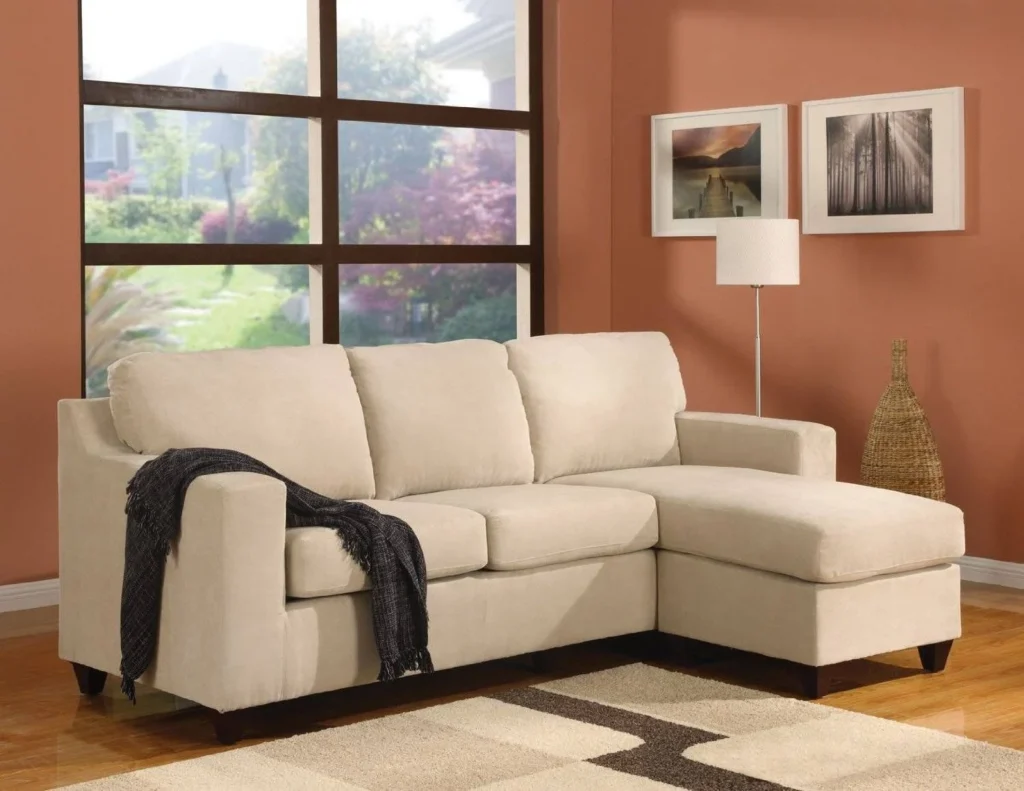
A small sofa with chaise typically measures between 70‑90 inches in total length, with the chaise portion extending 40‑50 inches from the backrest. Unlike full‑size sectional sofas that can dominate a room, these models are engineered to fit into corners or against walls while still providing a dedicated lounging surface.
Key Design Features
- Modular Construction: Many manufacturers offer detachable chaise sections, allowing you to reconfigure the layout as your space changes.
- Compact Depth: A depth of 30‑35 inches ensures the sofa fits comfortably in tighter rooms without overwhelming the floor plan.
- Integrated Storage: Some designs incorporate hidden compartments beneath the chaise seat, perfect for blankets, pillows, or magazines.
Why Size Matters
The primary advantage of a small sofa with chaise lies in its ability to occupy less floor space while still delivering the comfort of a larger sectional. In studios or apartments under 800 square feet, a full‑size sectional can eat up 30‑40% of the usable area, leaving little room for traffic flow. By contrast, a compact chaise sofa typically uses under 20% of the floor area, preserving pathways and allowing for additional furnishings such as coffee tables, side chairs, or even a small home office setup.
Choosing the Right Materials and Upholstery

Material selection directly influences both aesthetics and longevity. When selecting a small sofa with chaise, consider the following categories:
Fabric Upholstery
- Performance Fabrics: Polyester blends and microfiber resist stains and fading, ideal for high‑traffic homes with kids or pets.
- Natural Fibers: Linen and cotton offer a relaxed, breathable feel but may require protective treatments for durability.
- Eco‑Friendly Options: Organic hemp or recycled polyester provide sustainable choices without compromising comfort.
Leather and Faux Leather
Leather adds a timeless, sophisticated look while being easy to wipe clean. Faux leather mimics the same aesthetic at a lower cost and with animal‑friendly credentials. Both materials benefit from regular conditioning to prevent cracking and maintain suppleness.
Frame Construction
A sturdy frame is essential for long‑term performance. Look for hardwoods such as kiln‑dried oak, beech, or ash, which resist warping. Reinforced joints, preferably using dowels, screws, and corner brackets, add extra stability—especially important for the chaise extension that bears additional weight.
Strategic Placement for Maximum Impact

Proper placement can turn a modest sofa into a focal point. Here are proven strategies to ensure your small sofa with chaise works harmoniously within your living environment.
Corner Integration
Placing the chaise in an interior corner creates a natural, hugging shape that encourages relaxation. This arrangement also frees up the opposite wall for media consoles, bookshelves, or artwork. Pair the corner sofa with a slim coffee table that slides under the chaise for easy access.
Floating Layout
In larger rooms, floating the sofa away from walls can define separate zones—e.g., a conversation area versus a reading nook. Position a floor lamp or a tall plant behind the chaise to anchor the floating effect and add visual depth.
Dual‑Function Spaces
If you need a guest sleeping option, orient the chaise so its back faces a wall, then add a low‑profile mattress topper. This creates a quick daybed without sacrificing daily seating. For inspiration on how to blend sleeping and living functions, see our guide on The Ultimate Small Space Sectional Guide: Turn Tiny Living Rooms Into Luxe Retreats.
Styling Tips: From Color Schemes to Accents

Even the most functional piece benefits from thoughtful styling. Below are curated ideas that elevate a small sofa with chaise from mere seating to a design statement.
Color Coordination
- Monochrome Elegance: Choose a neutral fabric (e.g., dove gray) and pair it with matching throw pillows for a sleek, cohesive look.
- Pop of Color: Opt for a bold, jewel‑tone upholstery (emerald, sapphire) and balance it with muted walls and natural wood accents.
- Two‑Tone Upholstery: Some manufacturers offer a contrasting backrest and seat, adding visual intrigue without overwhelming the space.
Layering Textures
Combine plush throws, woven cushions, and a textured rug to create depth. A well‑placed rug also helps define the seating area. For detailed rug placement tips, read The Secret to Perfect Rug Placement Under a King Bed – Unlock Luxury, Comfort, and Style.
Lighting and Accessories
Ambient lighting enhances the relaxed vibe of a chaise. Floor lamps with adjustable arms or pendant lights positioned above the chaise provide both functional illumination and a decorative flourish. Accent tables with metallic finishes or reclaimed wood add personality while serving practical needs.
Buying Guide: What to Look For

Investing in a small sofa with chaise warrants careful consideration to avoid common pitfalls. Below is a checklist to streamline your decision‑making process.
Size Verification
- Measure the room’s length, width, and height.
- Sketch a floor plan and plot the sofa’s footprint, leaving at least 30‑36 inches of clearance for traffic flow.
- Check the chaise’s depth; ensure it doesn’t obstruct doorways or windows.
Comfort Evaluation
Test the seat cushions for firmness and resilience. High‑density foam retains shape longer, while feather‑filled cushions offer a sink‑in feel but may require regular fluffing. If you plan to use the chaise for extended lounging, a hybrid core—foam with a feather top layer—provides balanced support.
Warranty and Service
Look for at least a three‑year frame warranty and a one‑year upholstery guarantee. A reputable brand will also offer easy‑to‑order replacement parts for legs or armrests.
Budget Considerations
While you can find entry‑level models for under $500, premium options with premium fabrics, hardwood frames, and built‑in storage can exceed $2,000. Weigh the long‑term value of durability against the upfront cost.
Maintenance and Longevity
Proper care extends the lifespan of your small sofa with chaise, preserving both its look and functionality.
Routine Cleaning
- Fabric: Vacuum weekly with a soft brush attachment. Spot‑clean stains using a mild detergent and lukewarm water; avoid excessive saturation.
- Leather: Wipe with a damp cloth, then apply a leather conditioner quarterly.
- Frame: Tighten any loose screws annually and check for signs of wear on joints.
Seasonal Upkeep
Rotate cushions every few months to prevent uneven wear. If your chaise includes storage, clear it out seasonally to avoid dust buildup.
Professional Care
For deep cleaning or upholstery repairs, consider hiring a professional service. This is especially important for delicate fabrics like silk or velvet, which may require specialized solvents.
Beyond the Living Room: Creative Uses for a Small Sofa With Chaise

The adaptability of a compact chaise sofa extends beyond conventional living areas. Here are some inventive applications that make the most of its form.
Home Office Nook
Place the chaise against a wall and add a rolling laptop cart. The relaxed seating encourages productive breaks and offers a comfortable alternative to traditional office chairs.
Bedroom Accent
In a master bedroom, a small sofa with chaise can serve as a stylish reading corner beside a window. Pair it with a floor lamp and a small side table for an intimate retreat.
Outdoor Patio Adaptation
Some manufacturers produce weather‑resistant versions with UV‑stable fabrics and rust‑proof frames. These make ideal loungers for covered patios or balcony spaces, turning a tiny outdoor area into a chic oasis.
Multi‑Generational Living
When caring for elderly relatives, the chaise can act as a supportive seat for easy standing. Its low backrest and extended seat provide leverage, reducing strain during transfers.
Whether you’re furnishing a city studio, revamping a family room, or seeking an elegant corner piece for a bedroom, the small sofa with chaise proves to be a versatile, space‑saving solution that doesn’t compromise on comfort or style. By selecting the right materials, planning strategic placement, and caring for it properly, you can enjoy a piece that grows with your lifestyle and continues to look fresh for years to come.
