 Admin
Admin
When it comes to creating a bedroom that feels both luxurious and inviting, rug placement under a king bed is one of the most impactful design decisions you can make. A well‑chosen rug not only softens the floor but also anchors the bed, defines the space, and adds a layer of comfort that can elevate the entire room’s aesthetic. In this comprehensive guide we’ll explore everything from measuring the right dimensions to selecting the perfect material, all while offering practical tips you can apply today.
Many homeowners underestimate the power of a simple rug beneath a king‑size mattress, assuming that a large floor space can simply be left bare. However, the right rug can balance proportion, hide imperfections in the flooring, and provide a warm step when you swing your legs out of bed each morning. Below, we’ll dissect the key considerations that turn an ordinary bedroom into a sophisticated sanctuary.
Whether you’re redesigning an existing master suite, furnishing a new home, or simply looking to refresh your space, the principles outlined here will help you make informed choices that reflect both function and style. Let’s begin by understanding the fundamentals of size and layout.
Understanding the Fundamentals: Size, Shape, and Scale
1. Measuring Your King Bed and Room
Before you even think about picking a rug, accurate measurements are essential. A standard king bed measures 76 inches wide by 80 inches long (approximately 193 cm × 203 cm). Add the headboard and any nightstands to this footprint, then measure the overall bedroom dimensions. This data will guide you in choosing a rug that complements rather than overwhelms the space.
2. Common Rug Sizes for King Beds
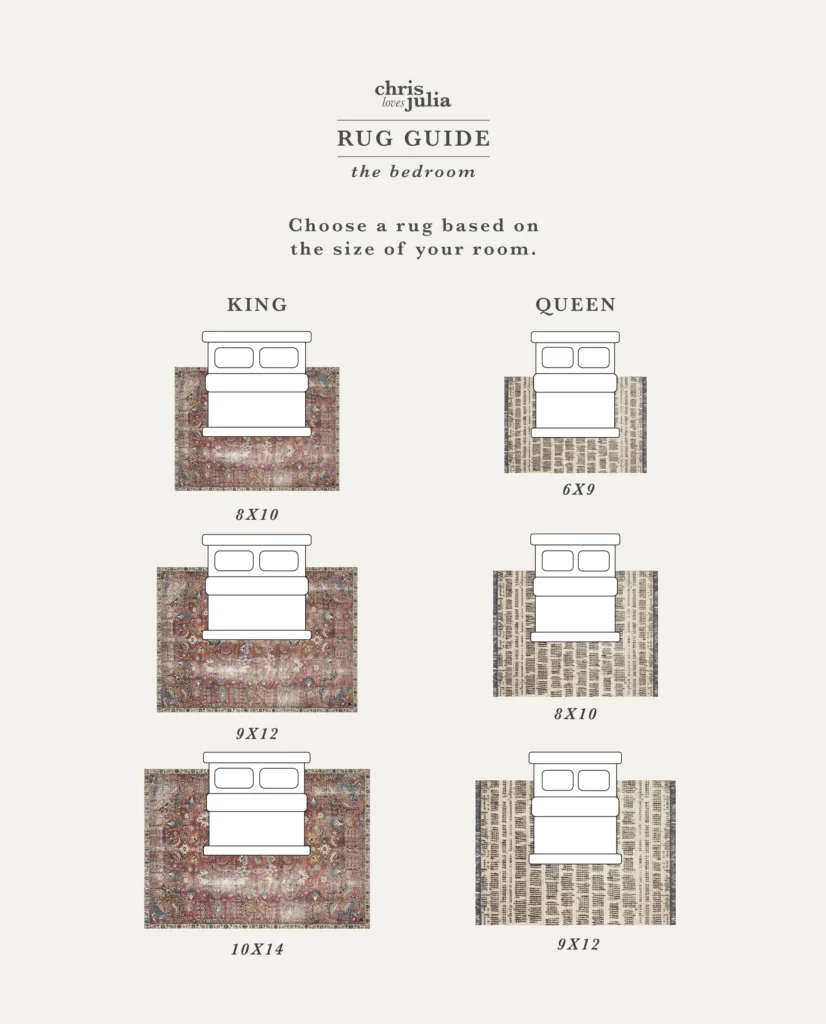
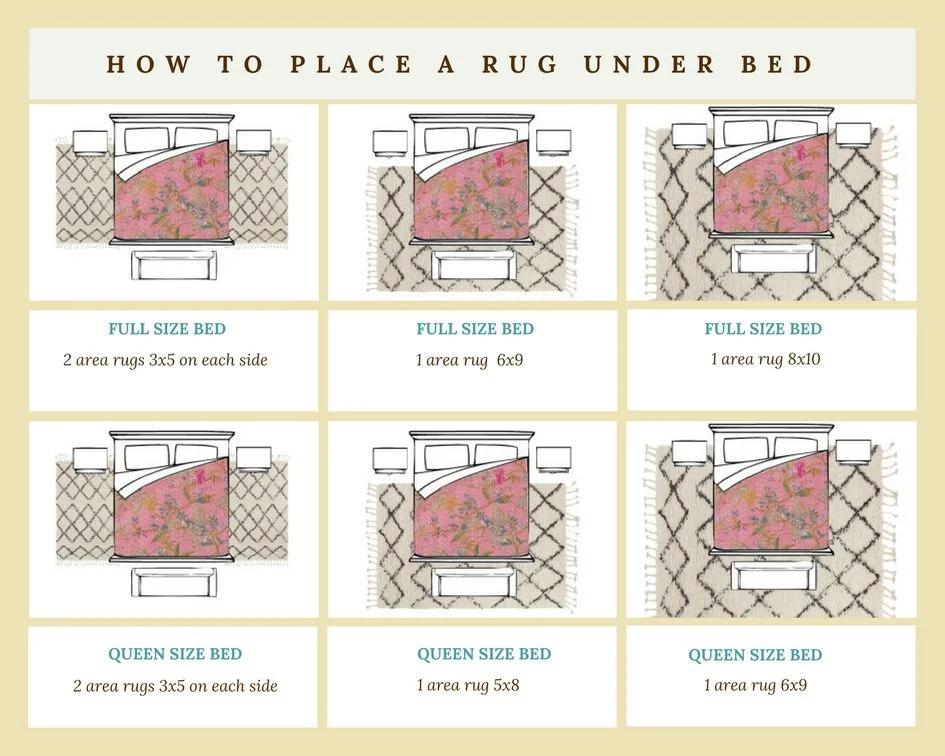
- 8 × 10 ft (244 × 305 cm) – The most popular choice. Provides ample coverage, allowing the rug to extend beyond the bed’s sides by at least 24–30 inches, creating a balanced look.
- 9 × 12 ft (274 × 366 cm) – Ideal for larger master suites where you want a generous floor “canvas” that accommodates nightstands and a seating area.
- 6 × 9 ft (183 × 274 cm) – Works well in smaller rooms; place the rug so it sits under the lower two-thirds of the bed, leaving the foot of the bed on the floor for visual contrast.
3. Choosing the Right Shape
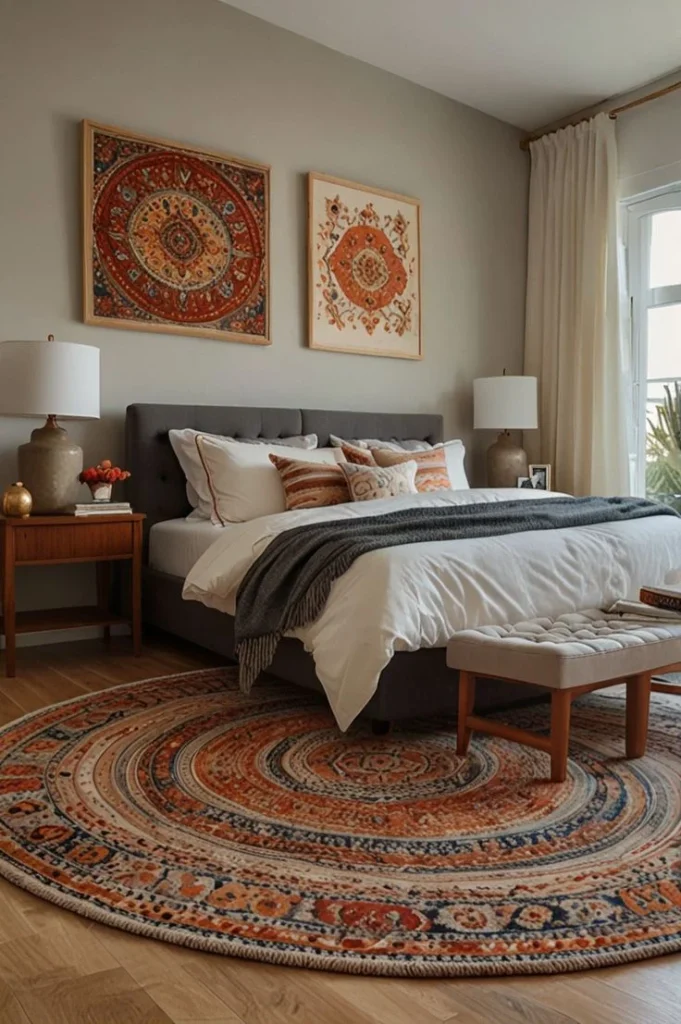
Rectangular rugs are the classic choice for a king bed because they naturally echo the bed’s proportions. However, a round or oval rug can add an unexpected visual break, especially in rooms with strong linear lines. If you opt for a non‑rectangular rug, ensure the longest axis exceeds the width of the bed by at least 36 inches on each side to maintain balance.
Material Matters: From Plush to Practical

1. Wool – The All‑Round Champion
Wool rugs offer a perfect blend of softness, durability, and natural stain resistance. Their inherent resilience makes them ideal for high‑traffic areas like the space around a king bed. Moreover, wool’s natural insulation helps maintain a comfortable temperature, a subtle luxury that’s often overlooked.
2. Synthetic Fibers – Budget‑Friendly and Low‑Maintenance
If you’re seeking affordability without sacrificing style, synthetic options such as polypropylene or nylon can mimic the look of natural fibers while offering superior stain‑guard properties. These are especially advantageous in households with pets or children.
3. Natural Fibers – Jute, Seagrass, and Sisal
For a more organic, textured feel, consider natural fibers. While they lack the plushness of wool, they bring an earthy aesthetic that pairs beautifully with minimalist or Scandinavian interiors. Keep in mind that natural fibers are less forgiving when it comes to spills, so a protective underlay is advisable.
Design Strategies: Integrating Rug Placement with Bedroom Décor
1. Creating a Cohesive Color Palette
Choose a rug color that either harmonizes with the existing palette or introduces a deliberate accent. If your bedding is neutral, a bold rug can become the focal point; conversely, a subdued rug can let patterned bedding shine. For example, a deep navy rug works beautifully with crisp white linens, while a muted taupe rug complements earthy tones.
2. Layering Textures for Depth
Layering isn’t limited to wall décor—mixing textures adds tactile richness. Pair a soft wool rug with a velvet headboard, sleek metal nightstands, and a linen duvet. The contrast between plush and smooth surfaces creates a multi‑dimensional environment that feels curated rather than assembled.
3. Defining Functional Zones
Beyond the bed, many master suites incorporate a small sitting area, a reading nook, or a dressing table. A larger rug (e.g., 9 × 12 ft) can encompass both the bed and these secondary zones, unifying the room’s functional spaces. This approach mirrors the layout found in many luxury hotels, where a single carpet ties the sleeping and lounging areas together.
When planning a sitting area, consider integrating a large sectional sofa to create a mini‑lounge within the bedroom. Position the sofa on the rug, ensuring the front legs rest on the fabric to maintain continuity.
Practical Tips for Installation and Maintenance

1. Use a Non‑Slip Pad
A high‑quality non‑slip pad prevents the rug from shifting, safeguarding both the rug and the floor. This is especially crucial on hardwood or polished tile, where movement can cause scratches.
2. Align the Rug with the Bed Frame
Center the rug so that it aligns with the bed’s central axis. A quick visual test: stand at the foot of the bed and ensure an equal amount of rug extends on either side. This symmetry reinforces the sense of balance.
3. Regular Cleaning Routine
Vacuum weekly to remove dust and debris. For deeper cleaning, follow the manufacturer’s recommendations—most wool rugs benefit from professional steam cleaning every 12–18 months. Spot‑treat spills immediately with a mild detergent and blot, never rub.
4. Seasonal Rotation
Consider rotating the rug 180 degrees each season. This simple practice distributes wear evenly and refreshes the visual experience without a full redesign.
Common Mistakes and How to Avoid Them

1. Selecting a Rug That’s Too Small
A rug that only fits under the nightstands leaves the area around the bed visually disconnected. Aim for a rug that extends at least 24 inches beyond the bed’s sides; anything smaller feels like an afterthought.
2. Ignoring Proportions of the Room
Even a perfectly sized rug can look out of place if the room itself is cramped. In tighter spaces, a 6 × 9 ft rug may be the optimal compromise, offering coverage without overwhelming the floor.
3. Overlooking Material Suitability
Choosing a high‑pile shag rug in a high‑traffic bedroom can lead to rapid wear and difficulty in cleaning. Match the rug’s pile height to the room’s usage level—medium pile for most master suites, low pile for heavily trafficked areas.
Inspiration: Real‑World Examples of Successful Rug Placement
Case Study: Modern Minimalist Master Suite
A sleek, monochrome bedroom featuring a king bed with a low‑profile platform frame used an 8 × 10 ft light‑gray wool rug. The rug’s subtle hue blended with the concrete flooring, while its generous size allowed the nightstands to sit comfortably on the rug, creating a seamless flow.
Case Study: Rustic Retreat
In a farmhouse‑style bedroom, a large jute rug (9 × 12 ft) anchored a king‑size bed with a reclaimed wood headboard. The natural texture complemented the exposed beams and added warmth to the stone flooring. A few layered throw blankets added softness, balancing the rug’s coarse feel.
For more ideas on how a simple rug can transform your sleeping space, check out how a simple rug under bed can revolutionize your bedroom. The article dives deeper into color theory and placement nuances that can help you achieve a polished look.
Budgeting and Purchasing Tips

1. Set a Realistic Budget
Rugs can range from $200 for a synthetic runner to $2,500 for a hand‑woven wool masterpiece. Determine your comfort zone early, and remember that a quality rug is an investment that can last a decade with proper care.
2. Shop the Sale
Many retailers discount floor coverings during holiday sales or end‑of‑season clearances. Keep an eye on reputable stores and online marketplaces; you can often find a high‑quality rug at 30‑40% off the regular price.
3. Consider Custom Options
If you have a unique room shape or specific design vision, custom‑made rugs offer flexibility in size, color, and pattern. While more expensive, they guarantee a perfect fit and exclusivity.
Final Thoughts on Mastering Rug Placement Under a King Bed
Choosing the right rug for a king‑size bed is more than a decorative afterthought; it’s a strategic decision that influences comfort, visual harmony, and the overall mood of your bedroom. By measuring accurately, selecting appropriate materials, and aligning the rug with your existing décor, you can create a cohesive environment that feels both luxurious and inviting.
Remember that a rug should serve both form and function—softening footsteps in the morning, protecting flooring from wear, and providing a visual anchor that ties together the elements of your master suite. With the guidelines outlined above, you’re equipped to make confident choices that reflect your personal style while adhering to timeless design principles.
Ready to elevate your space? Start by measuring, explore material options, and envision how the rug will interact with your existing furniture. In just a few steps, you’ll transform an ordinary bedroom into a serene retreat that welcomes you each night and inspires calm each morning.
