 Admin
AdminWhen you’re looking for instant hot water in a single sink or shower, a point‑of‑use (POU) water heater is often the most efficient solution. Unlike bulky traditional tanks that sit in basements or garages, POU units sit right next to the fixture they serve, delivering scald‑safe water within seconds. This convenience, however, comes with a host of decisions: What size do you need? Should you go electric or gas? How do you balance upfront cost with long‑term energy savings?
In the following article we’ll break down everything you need to know to pick the best point‑of‑use water heater for your kitchen, bathroom, or any other space where hot water is a daily necessity. From technical specifications to practical installation advice, you’ll walk away with a clear roadmap that eliminates guesswork and helps you avoid common pitfalls.
Whether you’re a DIY enthusiast renovating a cramped apartment, a homeowner adding a new bathroom, or a contractor seeking reliable recommendations for clients, the insights below are backed by industry data, real‑world testing, and the latest energy‑efficiency standards.
What Exactly Is a Point‑of‑Use Water Heater?
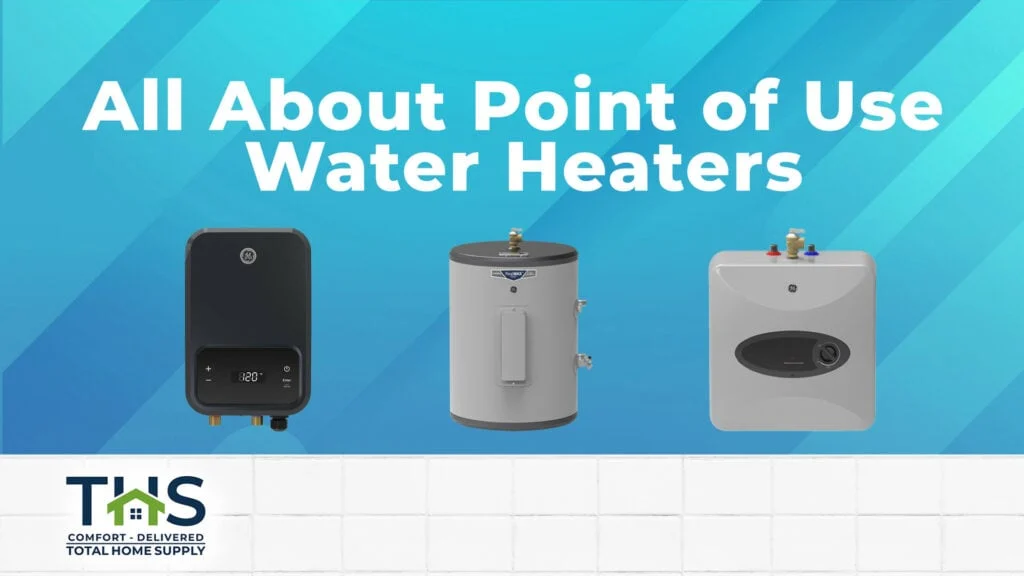
A point‑of‑use water heater is a compact, often tank‑style or tankless unit installed directly at the location where hot water is required. Because the water travels only a few feet, there is minimal heat loss, which translates to faster recovery times and lower standby energy consumption compared to centralized water heating systems.
Key Benefits Over Traditional Tank Systems
- Immediate Hot Water – Eliminates the dreaded “cold‑water sandwich” when you first turn on a faucet.
- Space‑Saving Design – Units can fit under counters, in closets, or even mounted on walls.
- Energy Efficiency – Only heats the water you actually use, reducing wasted heat.
- Reduced Pipe Runs – Shorter plumbing runs cut down on installation costs and potential leaks.
Typical Applications
- Kitchen sinks for quick dish‑washing cycles.
- Secondary bathroom fixtures in homes with a single large tank.
- Garage or workshop sinks where a dedicated hot‑water source is needed.
- Vacation homes or tiny houses where space and energy budgets are limited.
Choosing the Right Size and Capacity
The first technical decision revolves around capacity. Point‑of‑use heaters are rated by the amount of water they can heat per minute (GPM) and by the temperature rise they can achieve (ΔT). A practical rule of thumb is to match the GPM rating to the fixture’s flow rate.
Calculating Required GPM
Most standard kitchen faucets flow at 1.5–2.2 GPM, while a typical shower head uses 2.0–2.5 GPM. If you plan to use a single sink, a 1.5 GPM unit is usually sufficient. For a shower, aim for at least 2.5 GPM to avoid lukewarm water.
Temperature Rise Considerations
Temperature rise is the difference between incoming cold water temperature and the desired hot water temperature (usually 120 °F). In colder climates, the incoming water may be 50 °F, requiring a 70 °F rise. Units with higher wattage or BTU ratings can achieve larger temperature rises more quickly.
Electric vs. Gas Point‑of‑Use Heaters
Electric models dominate the POU market because of their ease of installation and safety. However, gas units can be advantageous where electricity is expensive or limited. Below we compare the two main power sources.
Electric Units
- Simple wiring—often a dedicated 120 V or 240 V circuit.
- Compact and quiet operation.
- Ideal for indoor installations where venting is a concern.
- Higher operating cost in regions with high electricity rates.
Gas Units
- Faster heating cycles, especially for high GPM demands.
- Potentially lower fuel cost where natural gas is cheap.
- Requires proper venting and compliance with local codes.
- Typically larger and louder than electric counterparts.
If you’re curious about the nuances of electric POU heaters, our deep dive on the 110 Volt Electric Water Heater Exposed article breaks down power, safety, and installation details you can’t miss.
Energy Efficiency and Savings
Because a point‑of‑use heater only activates when water is needed, it inherently wastes less energy than a storage tank that keeps water hot around the clock. Look for units with the ENERGY STAR label, which guarantees a minimum efficiency threshold.
Factors That Influence Efficiency
- Power Rating – Higher wattage can deliver hot water faster but may consume more energy per minute; balance with your usage pattern.
- Insulation – Even small tanks benefit from good insulation to keep water warm between draws.
- Control Type – Thermostatic controls that shut off automatically when set temperature is reached reduce cycling.
For a more technical perspective on low‑voltage water heating, the Ultimate 110 Volt Hot Water Heater Guide provides a thorough analysis of power consumption and safety considerations.
Installation Essentials

While many homeowners can install a POU heater as a DIY project, certain circumstances call for a professional plumber—particularly when gas lines or complex electrical circuits are involved. Below are the core steps for a typical electric under‑counter installation.
Step‑by‑Step Overview
- Turn Off Power – Shut off the breaker supplying the circuit you’ll use.
- Select Location – Ensure clearances for ventilation (if required), and that the unit is within 12 inches of the fixture’s inlet.
- Mount the Unit – Secure the heater to the wall or cabinet using the supplied brackets.
- Plumbing Connections – Connect the cold‑water inlet and hot‑water outlet using flexible braided hoses; tighten with pipe thread tape.
- Electrical Wiring – Follow the manufacturer’s wiring diagram; typically a dedicated 120 V or 240 V circuit with a correctly sized breaker.
- Test for Leaks and Power – Turn the water on, check for drips, then restore power and verify the heater reaches the set temperature.
When dealing with a toilet or other bathroom fixtures, remember that improper sealing can cause leaks that damage flooring. Our Ultimate DIY Guide to Replacing a Wax Ring on Your Toilet offers complementary tips on preventing water intrusion in tight spaces.
Maintenance and Longevity

Point‑of‑use heaters require far less upkeep than full‑size tanks, but regular maintenance ensures optimal performance and extends the unit’s lifespan.
Routine Checks
- Inspect Anodes – Some electric models feature a sacrificial anode; replace every 2–3 years in hard‑water areas.
- Flush the Tank – Even small tanks can accumulate sediment; flush annually to maintain heat transfer efficiency.
- Test Temperature Settings – Verify the thermostat remains at your desired setting (120 °F is recommended for safety).
Troubleshooting Common Issues
If the unit fails to heat water, first check the circuit breaker and ensure the unit is receiving power. A persistent error code often points to a faulty heating element, which can usually be replaced without professional assistance.
Top Picks for 2024: Best Point‑of‑Use Water Heaters
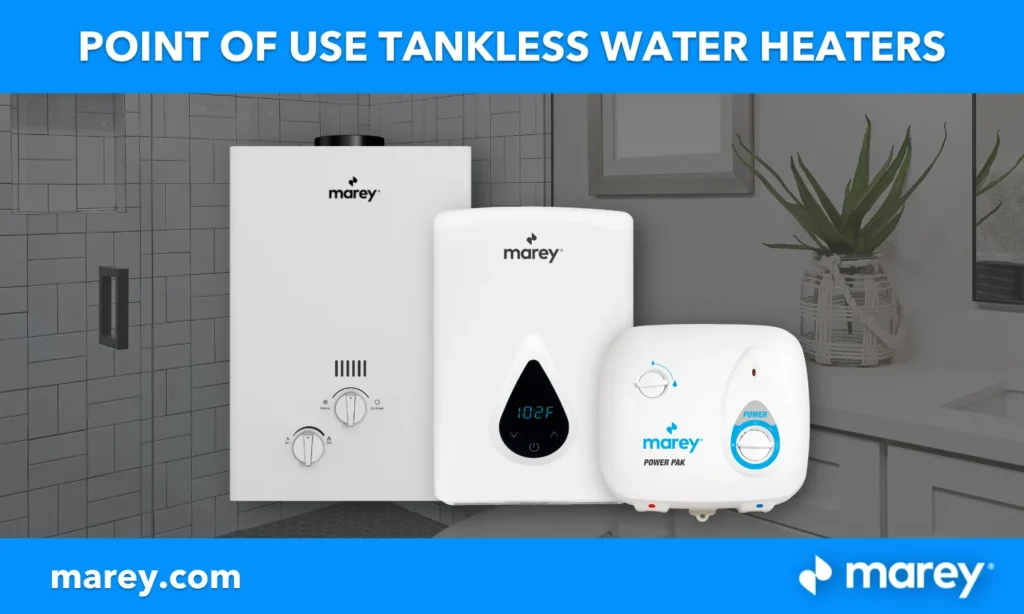
After evaluating performance data, energy ratings, and user feedback, we’ve curated a shortlist of the most reliable models on the market. Each entry includes key specs, pros, and cons to help you compare.
1. EcoSmart ECO 27 – Best Overall Electric Model
- Capacity: 2.7 GPM at 135 °F rise (120 V/240 V selectable)
- Energy Rating: ENERGY STAR certified
- Features: Digital temperature control, self‑modulating flow sensor
- Pros: Compact, quiet, excellent for both kitchen and bathroom
- Cons: Slightly higher upfront cost
2. Rheem Performance 9 – Best for High‑Flow Showers
- Capacity: 3.5 GPM at 70 °F rise (240 V)
- Energy Rating: 0.94 EF (Energy Factor)
- Features: Built‑in freeze‑proof thermostat, LED display
- Pros: Handles larger temperature drops, suitable for colder climates
- Cons: Requires a dedicated 240 V circuit
3. Stiebel Eltron Tempra 12 – Best Tankless Option
- Capacity: Up to 2.5 GPM (continuous flow)
- Energy Rating: 0.98 EF
- Features: Advanced flow control, digital display, low‑NOx operation
- Pros: No storage tank, virtually unlimited hot‑water supply for single fixtures
- Cons: Slightly larger footprint than tank models
4. A.O. Smith GCR-40 – Best Gas‑Powered Unit
- Capacity: 4 GPM at 70 °F rise (natural gas)
- Energy Rating: 0.81 EF
- Features: Direct‑vent design, automatic shut‑off
- Pros: Excellent for multiple fixtures, lower operating cost where gas is cheap
- Cons: Requires venting and professional installation
How to Evaluate Cost‑Effectiveness
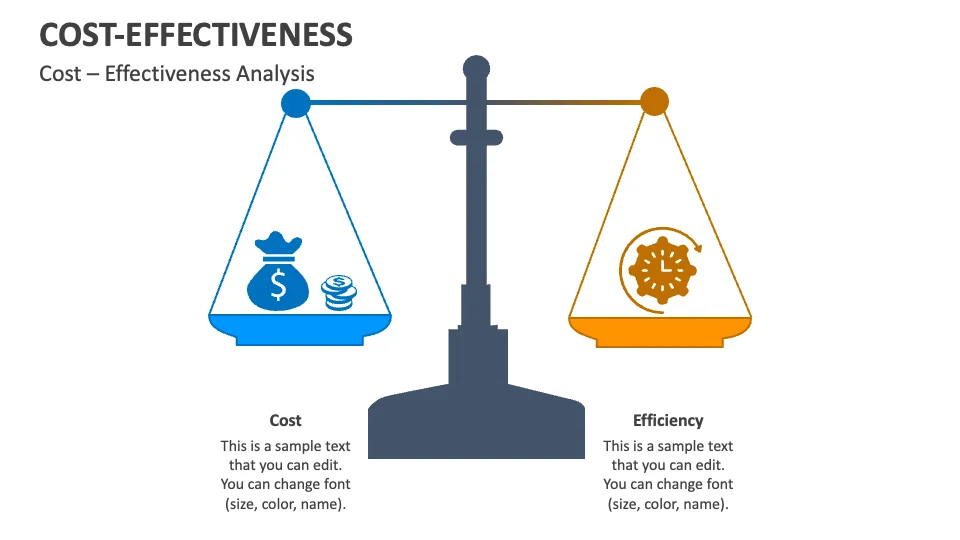
When comparing models, look beyond the sticker price. Calculate the levelized cost of hot water by factoring in:
- Initial purchase price.
- Installation expenses (electrical work, venting, plumbing modifications).
- Annual energy consumption based on your usage pattern.
- Potential rebates or tax credits for ENERGY STAR‑certified units.
For a quick estimate, use the formula:
Annual Cost = (Power (kW) × Hours of Use per Year × Electricity Rate) + Maintenance
Plugging in typical numbers (0.75 kW, 300 hours/year, $0.13/kWh) yields an annual electricity cost of roughly $29 – a modest amount that quickly pays for the convenience of instant hot water.
Frequently Asked Questions
Can I install a point‑of‑use heater in a rented apartment?
Yes, provided the unit is electrically compatible with the existing circuit and you have permission from the landlord. Many renters choose portable, plug‑in models that require no permanent wiring.
Do I need a dedicated circuit?
Most 120 V units draw 10–15 amps and can share a circuit with other low‑power appliances, but it’s best practice to install a dedicated 15 A breaker for safety and to prevent tripping.
What is the typical lifespan?
Electric point‑of‑use heaters last 8–12 years with proper maintenance. Gas models, thanks to more robust components, can reach 12–15 years.
Is there any risk of scalding?
Modern units include built‑in thermostats that limit output to 120 °F, but adding a mixing valve provides an extra layer of protection, especially in homes with children or elderly occupants.
By understanding the technical aspects, energy implications, and practical installation steps, you can confidently select a point‑of‑use water heater that delivers instant comfort without inflating your utility bills. The right choice will blend seamlessly into your kitchen or bathroom design, offering a sleek profile and reliable performance for years to come.
