 Admin
Admin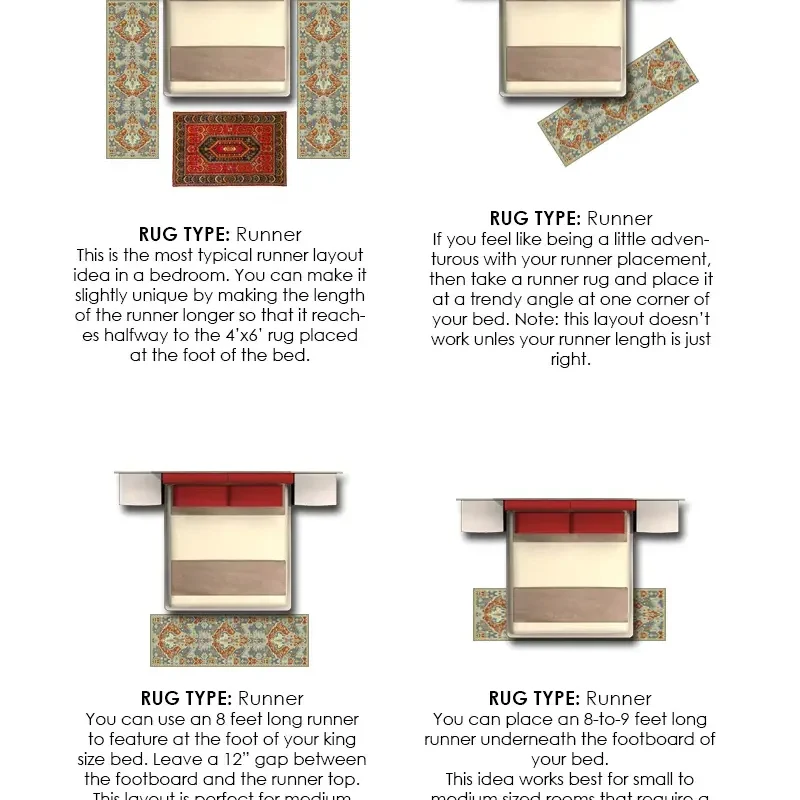
When it comes to designing a master bedroom, the question “what size rug under king bed?” often tops the list of concerns for homeowners and interior designers alike. The right rug not only anchors the bed, it adds warmth, defines space, and creates a cohesive look that can elevate a simple bedroom into a sanctuary. Yet many people make the mistake of guessing dimensions, which can lead to awkward gaps, tripping hazards, or a visual imbalance that drags the whole room down.
In this comprehensive guide we’ll walk you through every factor that influences rug selection for a king‑size bed: from standard measurements and layout options to room proportions, rug shapes, materials, and even maintenance considerations. By the end, you’ll have a clear, actionable plan for selecting a rug that complements your bedding, furniture, and personal style—all while avoiding common pitfalls.
Before diving into the specifics, let’s briefly touch on why the rug matters beyond aesthetics. A well‑chosen rug cushions your feet first thing in the morning, reduces wear on hardwood or laminate flooring, and can even improve acoustics by dampening echoes in large master suites. With these practical benefits in mind, the quest for the perfect size becomes an essential step in the bedroom design process.
Standard Rug Sizes for a King Bed Layout
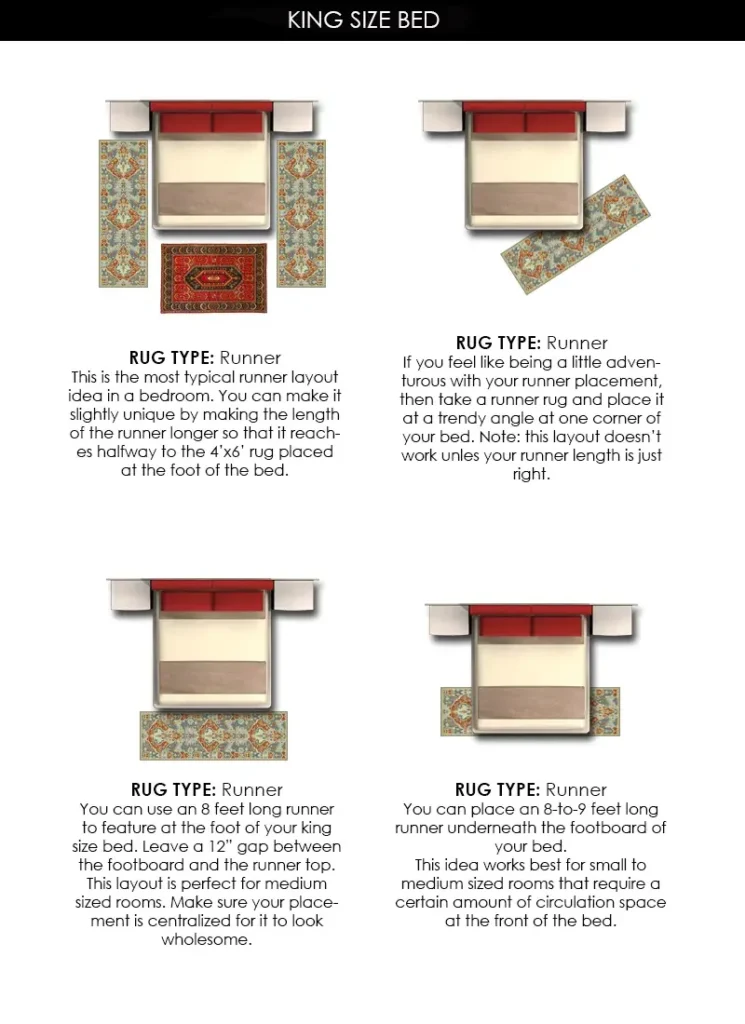
Most interior designers recommend three basic configurations when placing a rug under a king‑size bed. Understanding these layouts helps you quickly narrow down the dimensions you’ll need.
1. Full‑Coverage Layout (All‑Four‑Sides)
- Typical Rug Size: 9 ft × 12 ft (274 cm × 366 cm) or larger.
- Why Choose It: Provides a seamless carpeted surface that extends beyond the nightstands, creating a luxurious, hotel‑like feel.
- Best For: Large master suites (minimum 14 ft × 16 ft) where the rug can breathe without crowding the walls.
2. Two‑Side Layout (Foot and One Side)
- Typical Rug Size: 8 ft × 10 ft (244 cm × 305 cm).
- Why Choose It: Offers a balanced look where the rug frames the foot of the bed and the side opposite the nightstand, leaving the other side exposed for a lighter feel.
- Best For: Medium‑sized bedrooms (around 12 ft × 14 ft) where floor space is at a premium.
3. Foot‑Only Layout (Rug at the End)
- Typical Rug Size: 5 ft × 8 ft (152 cm × 244 cm) or a runner 2.5 ft × 8 ft (76 cm × 244 cm).
- Why Choose It: Highlights the bed while providing a soft landing for your feet; ideal for minimalist aesthetics.
- Best For: Small to medium bedrooms where you want the rug to act as an accent rather than a dominant element.
Choosing among these configurations depends largely on your room’s dimensions, the amount of floor you wish to expose, and the overall style you’re aiming for.
How to Measure Your Space Accurately
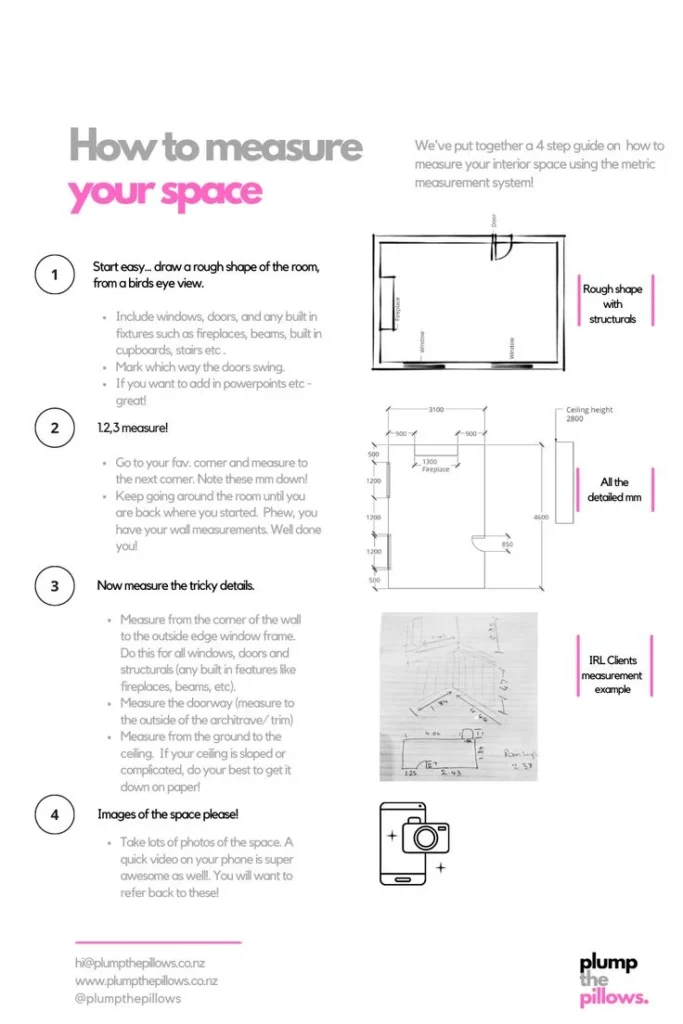
Before you head to the store or browse online, precise measurements are crucial. Follow these steps to ensure your rug fits perfectly:
Step‑by‑Step Measuring Guide
- Measure the Bed: A standard king bed measures 76 in × 80 in (193 cm × 203 cm). Include any headboard or footboard if they extend beyond the frame.
- Determine Desired Clearance: Decide how much floor you want visible on each side. A common rule of thumb is 18‑24 in (45‑60 cm) of exposed floor on the sides and 24‑30 in (60‑75 cm) at the foot.
- Calculate Rug Dimensions: Add the clearance to the bed’s width and length. For example, a 76 in × 80 in bed with 24 in clearance on all sides results in a 124 in × 128 in rug (≈10 ft × 10.5 ft).
- Check Room Size: Measure the room’s width and length. Ensure the rug does not push furniture too close to walls, allowing at least 12 in (30 cm) of breathing space.
- Mark Placement: Use painter’s tape to outline the rug’s footprint on the floor. Walk around to visualize the flow and adjust as needed.
Accurate measurements prevent costly returns and help you visualize how the rug will interact with nightstands, dressers, and other bedroom elements.
Choosing the Right Shape and Material
While rectangular rugs dominate king‑bed setups, other shapes can add visual interest and cater to unique layouts.
Shape Options
- Rectangular: The most versatile; aligns with the bed’s footprint and works for all three layout options.
- Round: Ideal for creating a soft, organic contrast in a room with angular furniture. Pair a 6‑ft (180 cm) round rug with a foot‑only layout for a balanced look.
- Oval or Custom: Custom shapes can be tailored to fit around a chaise lounge or a low bench placed at the foot of the bed.
Material Considerations
- Wool: Durable, naturally stain‑resistant, and soft underfoot—perfect for high‑traffic master suites.
- Polypropylene (Olefin): Budget‑friendly, moisture‑resistant, and easy to clean, making it a practical choice for humid climates.
- Silk or High‑Pile Plush: Offers a luxe feel but demands more maintenance; best for low‑traffic, climate‑controlled rooms.
- Natural Fibers (Jute, Seagrass): Provide an earthy texture; pair well with minimalist or Scandinavian interiors.
When selecting material, consider the bedroom’s climate, foot traffic, and cleaning preferences. For example, if you have a pet that loves to lounge on the rug, a low‑pile wool or polypropylene will hold up better than a delicate silk.
Styling Tips: Color, Pattern, and Coordination

A rug is a powerful design element that can either blend seamlessly with your décor or become a statement piece.
Color Harmony
- Monochromatic Palette: Choose a rug in a shade that matches your bedding or wall color for a serene, cohesive look.
- Contrast for Drama: A deep navy or charcoal rug against light walls adds depth, while a light rug on dark flooring lifts the space.
- Accent Colors: Use the rug to introduce a pop of color that ties together accent pillows, artwork, or a throw blanket.
Pattern Play
- Geometric Prints: Modern designs such as chevrons or hexagons complement contemporary furniture.
- Traditional Motifs: Persian or Oriental patterns bring classic elegance and work well with antique wood nightstands.
- Subtle Texture: If you prefer a minimalist aesthetic, opt for a low‑contrast, textured weave that adds depth without overwhelming the room.
Remember that the rug should not clash with the bedding pattern. If your duvet features a bold print, a solid‑color rug will keep the visual balance intact.
Practical Considerations: Maintenance and Longevity

Beyond aesthetics, a rug must stand up to everyday wear. Here are key maintenance tips:
- Regular Vacuuming: Vacuum at least once a week to remove dust and prevent fibers from matting.
- Spot Cleaning: Attend to spills immediately with a mild detergent; avoid harsh chemicals that can damage fibers.
- Professional Cleaning: Schedule deep cleaning every 12‑18 months, especially for high‑pile or natural fiber rugs.
- Rotate Periodically: Turn the rug 180 degrees every six months to ensure even wear.
If you’re already tackling home improvement projects, you might find it useful to read about how to replace a wax ring on a toilet. While unrelated to rugs, mastering DIY tasks can boost your confidence when handling rug pads and installation.
Common Mistakes and How to Avoid Them

Even seasoned decorators sometimes stumble when selecting a rug for a king bed. Below are the most frequent errors and the corrective measures you can take.
1. Choosing a Rug That’s Too Small
A rug that barely extends beyond the bed’s edges creates a disjointed look and can become a tripping hazard. Aim for at least 18‑24 in of floor exposure on the sides for a balanced appearance.
2. Ignoring the Rug Pad
Skipping a rug pad reduces slip resistance and can shorten the rug’s lifespan. A high‑density, low‑profile pad adds cushioning, protects flooring, and keeps the rug in place.
3. Overlooking Room Scale
In a small bedroom, a massive 9 ft × 12 ft rug may dominate the space, making it feel cramped. Instead, opt for a medium‑sized rug with a clear border of floor visible around it.
4. Mismatching Styles
Pairing a modern, abstract rug with a traditional, ornate bedframe creates visual discord. Choose a rug that either complements or intentionally contrasts with the room’s overall style.
5. Forgetting Future Furniture Changes
If you anticipate adding a bench, chaise, or extra nightstand, ensure the rug’s size accommodates future pieces without crowding.
Speaking of furniture additions, many readers also explore the impact of a sectional sofa in their living spaces. For inspiration, check out Unlock the Power of a Large Sectional With Chaise – The Ultimate Guide to Luxe Living, which offers insights on arranging larger pieces that can parallel bedroom rug placement strategies.
Putting It All Together: Step‑by‑Step Decision Flow

- Assess Room Dimensions: Measure the bedroom’s width, length, and clearance around the bed.
- Choose Layout: Decide between full‑coverage, two‑side, or foot‑only rug placement.
- Calculate Rug Size: Add desired floor exposure to the bed’s dimensions.
- Select Shape & Material: Match the rug shape to your layout; pick a durable material suited to traffic and climate.
- Decide on Color & Pattern: Ensure the rug harmonizes with bedding, walls, and accessories.
- Purchase a Rug Pad: Choose a pad that complements the rug’s thickness and floor type.
- Lay Out and Test: Use painter’s tape to outline the rug, walk around, and adjust as needed.
- Install and Secure: Place the rug pad, lay the rug, and smooth out any wrinkles.
- Maintain Regularly: Vacuum weekly, spot clean spills, rotate seasonally, and schedule professional cleaning.
Following this systematic approach ensures you end up with a rug that looks intentional, feels comfortable, and lasts for years.
Choosing the right rug size under a king bed is more than a decorative decision—it’s a functional choice that impacts the room’s flow, comfort, and visual harmony. By measuring accurately, understanding layout options, and considering material, color, and maintenance, you can confidently select a rug that transforms your bedroom into a luxurious retreat.
