 Admin
AdminWhen it comes to furnishing a spacious living area, the extra large sectional couch stands out as the ultimate blend of luxury, functionality, and style. Its generous dimensions aren’t merely about filling space; they create a welcoming environment that encourages conversation, relaxation, and even spontaneous movie marathons. In today’s open‑concept homes, where the line between living, dining, and entertaining zones blurs, a thoughtfully chosen sectional can anchor the entire floor plan and dictate the flow of movement.
Choosing the right piece, however, is more than a matter of size. It involves understanding ergonomics, material durability, modular flexibility, and how the couch will interact with existing décor. Whether you’re curating a sleek, minimalist aesthetic or a cozy, family‑friendly setting, the extra large sectional couch can adapt—provided you know what to look for. Below, we unpack the essential considerations, design possibilities, and practical tips that empower you to make an informed purchase that will serve your home for years to come.
Before diving into specifics, it’s worth noting that the right sectional can also address challenges you may not have considered: acoustics, traffic flow, and even the psychological comfort of having a defined “home base.” The following sections will guide you through each of these dimensions, helping you transform a simple piece of furniture into a cornerstone of your interior design strategy.
What Distinguishes an Extra Large Sectional Couch From Standard Sofas?
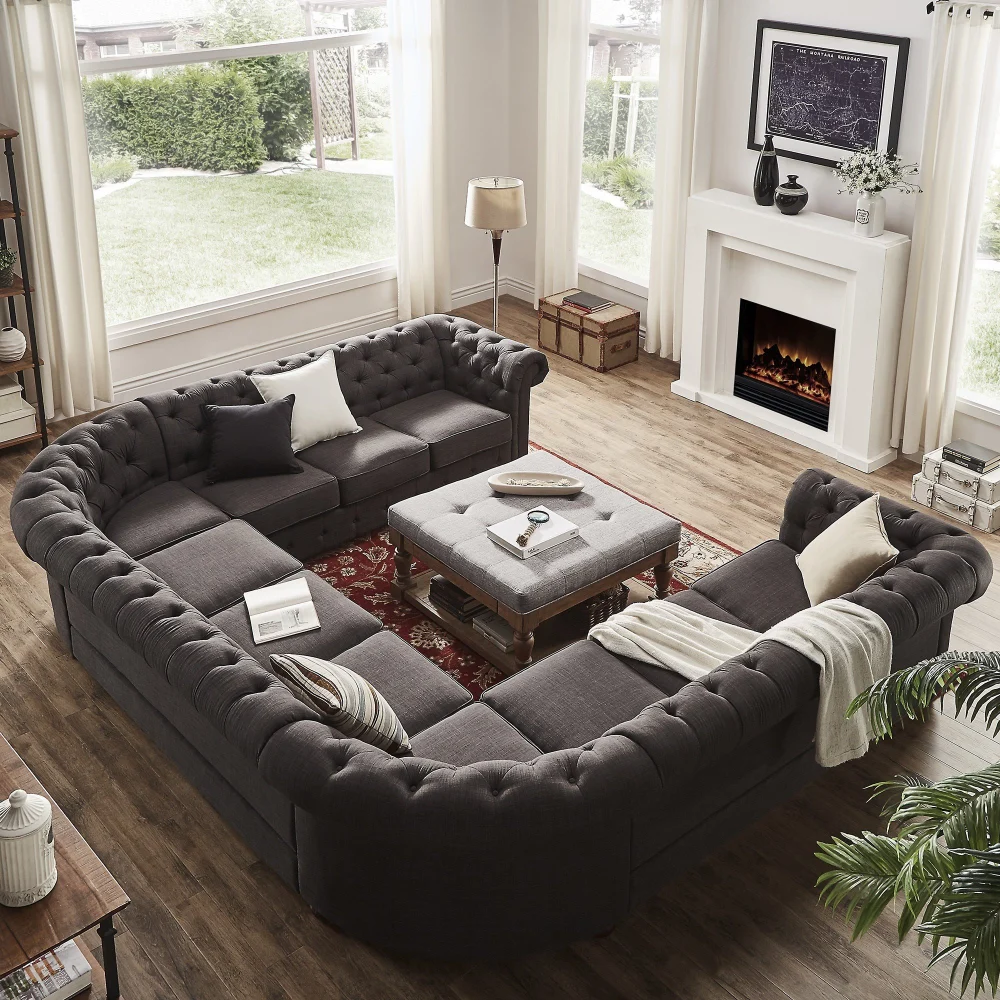
Size and Scale: More Than Just Square Footage
Extra large sectionals typically start at 10 feet in length and can exceed 15 feet when configured in L‑ or U‑shapes. This scale allows multiple seating zones within a single unit, offering distinct areas for reading, lounging, and socializing without the need for additional chairs.
Modular Versatility
Unlike monolithic sofas, many extra large sectionals are modular, meaning you can rearrange individual sections to suit evolving needs. Whether you want a traditional L‑shape for a corner or a sprawling U‑shape that wraps around a coffee table, the modular design ensures flexibility.
Design Cohesion
The visual weight of an extra large sectional can either dominate a room or harmonize with it, depending on the design language you adopt. Clean lines and low backs lend a contemporary vibe, while tufted cushions and rolled arms evoke classic luxury.
Comfort Engineering
Because these couches often become the primary seating for families, they incorporate advanced comfort technologies—high‑density foam cores, pocketed springs, and adjustable lumbar support—to maintain comfort over long periods.
Choosing the Perfect Configuration for Your Space
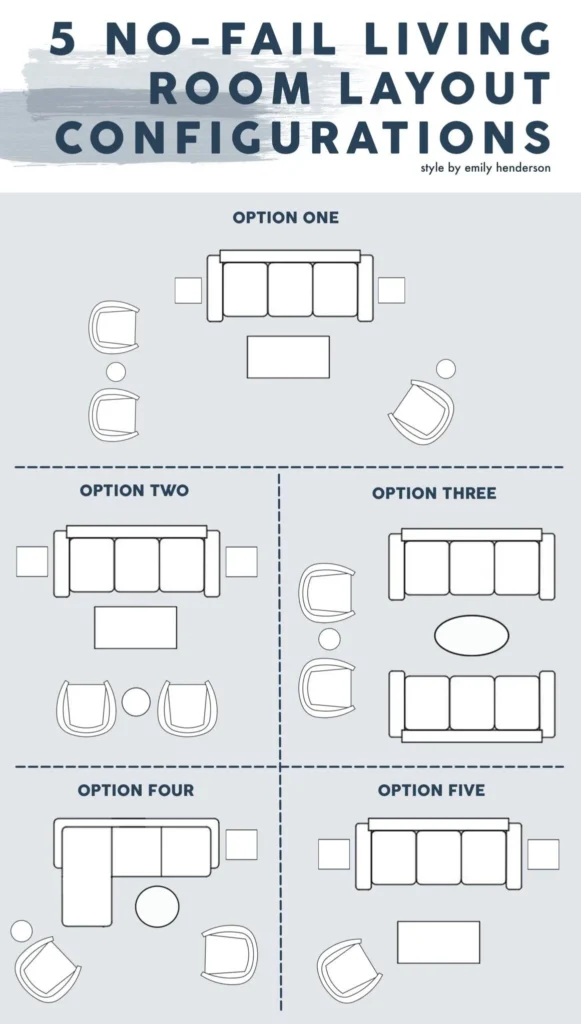
L‑Shaped vs. U‑Shaped vs. Curved
- L‑Shaped: Ideal for corner placement, maximizes floor space, and creates a clear delineation between seating zones.
- U‑Shaped: Perfect for open‑plan layouts where you want to enclose a central activity area, such as a coffee table or media console. For a deeper dive, see our guide on U‑shaped sectional design.
- Curved: Adds a softer silhouette, works well in rooms with architectural curves or where you aim to soften hard lines.
Integrating a Chaise or Ottoman
Many extra large sectionals come with an attached chaise or a separate ottoman. A chaise provides a dedicated lounging spot, ideal for reading or napping, while an ottoman can double as a coffee table when equipped with a lift‑top. If you’re curious about the benefits of adding a chaise, check out our article Why Choose an Oversized Sectional Sofa with Chaise?.
Material Matters: Upholstery Choices
Fabric, leather, and performance blends each bring distinct advantages:
- Fabric: Offers a wide range of colors and patterns; modern performance fabrics resist stains and wear.
- Leather: Provides a timeless, sophisticated look; it ages beautifully but can be prone to scratches.
- Hybrid/Performance: Combines the softness of fabric with the durability of leather, often featuring moisture‑wicking or antimicrobial treatments.
Design Strategies to Make an Extra Large Sectional Work in Any Room
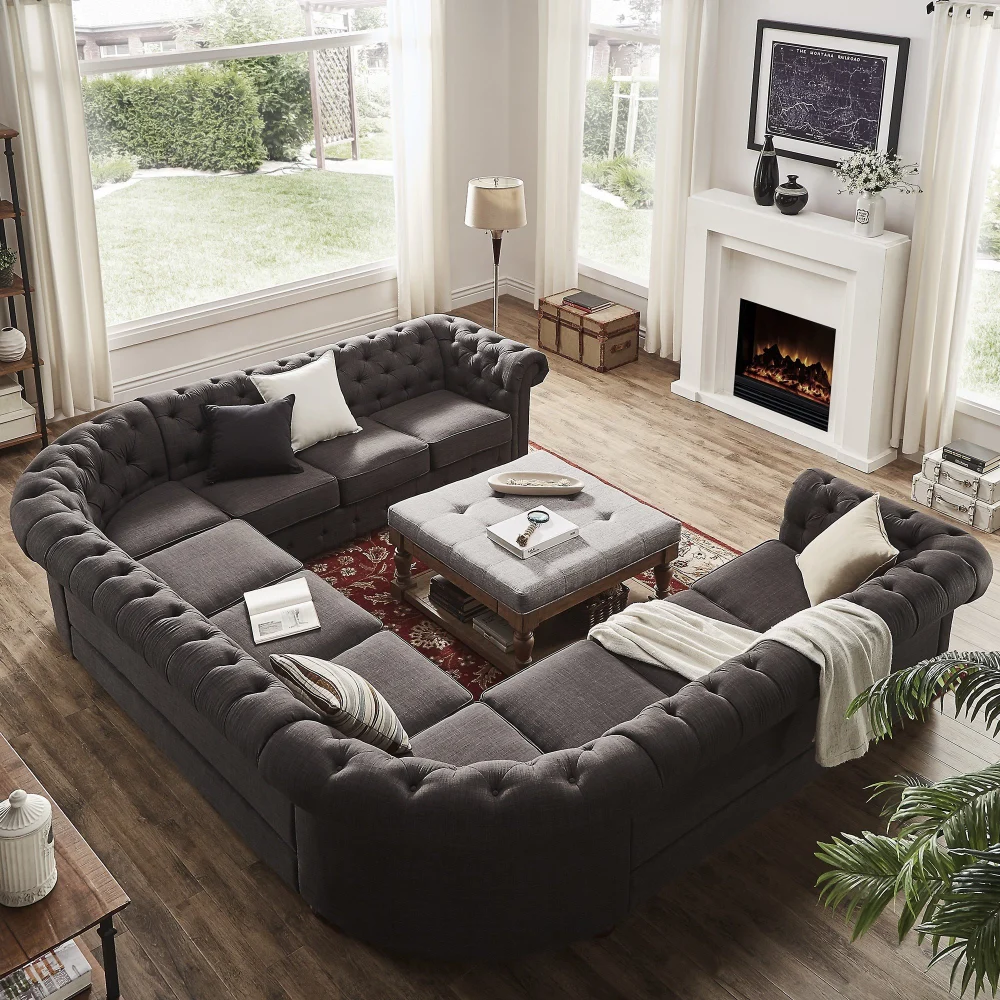
Balancing Proportion With Rugs and Lighting
Because an extra large sectional occupies a substantial portion of the floor, layering a rug beneath it helps define the seating area and adds visual warmth. Choose a rug that extends at least 18–24 inches beyond the sectional’s footprint to avoid a “floating” feel.
Color Coordination and Accent Pillows
Neutral tones—such as dove gray, deep navy, or warm beige—ensure the couch remains timeless. Introduce personality through accent pillows that echo other hues in the room (e.g., artwork, curtains, or decorative objects). This approach creates a cohesive palette without overwhelming the space.
Strategic Placement of Media and Storage
Positioning your TV or media console directly opposite the sectional is the classic layout, but you can also create a “conversation island” by placing a low media console or coffee table centrally, allowing the sectional to wrap around it. For small homes, consider built‑in storage underneath the chaise or within modular pieces, which keeps blankets, magazines, and remote controls out of sight.
Creating Zones in Open‑Plan Layouts
In larger homes, the sectional can serve as a visual divider between the living area and adjacent spaces such as a kitchen or home office. Pair it with a contrasting floor material or a line of tall plants to reinforce the separation without erecting walls.
Practical Considerations Before Purchase

Measuring Your Room Accurately
Start by sketching a floor plan on graph paper or using a digital room planner. Measure the length of each wall, the height of the ceiling, and any architectural features (doorways, windows, columns). Remember to leave at least 36 inches of clearance around the sectional for comfortable traffic flow.
Weight Capacity and Frame Construction
High‑quality extra large sectionals employ hardwood frames (oak, maple, or kiln‑dried hardwood) and reinforced joinery. Verify the weight capacity—particularly important if you have children, pets, or plan to use the chaise as a sleeping surface.
Warranty and After‑Sales Service
Given the investment, opt for brands that offer at least a 5‑year structural warranty and a 2‑year upholstery guarantee. This protects you against sagging cushions, frame warping, or fabric defects.
Eco‑Friendly Options
Look for sustainably sourced wood, low‑VOC finishes, and recycled fabric blends. Brands that disclose their supply chain transparency often provide higher durability and a smaller environmental footprint.
Enhancing Longevity: Maintenance Tips for Your Extra Large Sectional
Regular Cleaning Routine
Vacuum fabric surfaces weekly using a brush attachment to remove dust and debris. For leather, wipe with a soft, damp cloth and apply a leather conditioner quarterly to prevent drying.
Spot Treatment of Stains
Address spills immediately with a blotting motion—never rub. Use manufacturer‑recommended cleaners; for fabric, a mild upholstery shampoo works well, while leather benefits from a specific leather cleaner.
Rotating Cushions and Re‑Fluffing
Every few months, rotate seat cushions to ensure even wear. Lightly tap or shake down down‑filled cushions to maintain loft and support.
Professional Re‑Upholstering
If your sectional’s style feels dated after several years, consider re‑upholstering rather than replacing. This extends the life of the frame and reduces waste.
Case Study: Transforming a 1,200‑Square‑Foot Living Room
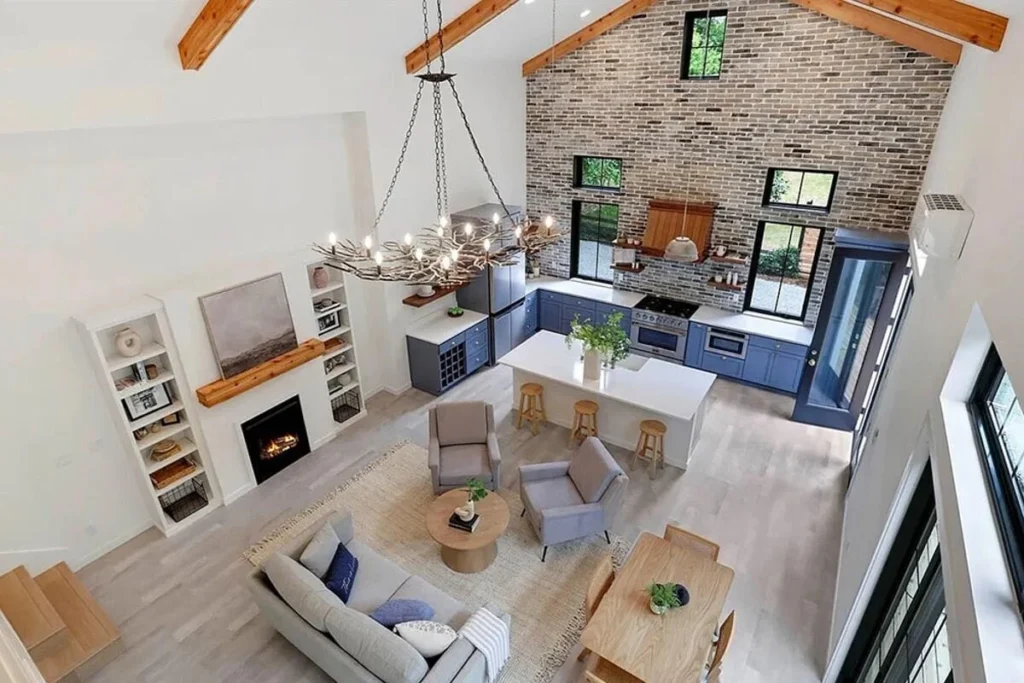
Take the example of a modern family home in Austin, Texas. The owners had a 1,200‑sq‑ft open‑plan living area with a modest 6‑foot sofa that left the space feeling disconnected. By selecting a 12‑foot L‑shaped extra large sectional with a built‑in chaise, they achieved the following:
- Unified Seating: The sectional provided ample seating for six, eliminating the need for additional armchairs.
- Defined Zones: Placing the chaise to face a fireplace created a cozy reading nook, while the opposite side faced a media wall for movie nights.
- Improved Flow: With a 30‑inch clearance around the piece, traffic moved smoothly from the kitchen island to the dining table.
- Stylish Cohesion: A neutral gray fabric complemented the existing walnut floor, while teal accent pillows tied in the turquoise artwork on the adjacent hallway.
The result was a room that felt both spacious and intimate—a perfect illustration of how an extra large sectional can be the catalyst for a harmonious interior.
Budgeting and Value: Is the Investment Worth It?

Initial Cost vs. Long‑Term Savings
While extra large sectionals can range from $2,500 to $8,000+, they often replace multiple pieces of furniture (sofas, chairs, occasional seating). This consolidation reduces overall costs and simplifies arrangement.
Resale Value
High‑quality, timeless designs retain resale value better than trendy, low‑end options. A well‑maintained sectional can fetch 60‑80% of its original price on the secondary market.
Financing Options
Many retailers offer interest‑free financing for 12–24 months, making the upfront expense more manageable. Always read the fine print to avoid hidden fees.
Expert Insights: When to Choose an Extra Large Sectional Over a Smaller Alternative

Family Size and Lifestyle
Large families, frequent guests, or households with children benefit from the expansive seating that accommodates multiple activities simultaneously.
Entertaining Frequency
If you host movie nights, game sessions, or gatherings regularly, the added surface area and comfort of an extra large sectional enhance the experience for everyone.
Room Proportions
A spacious room with high ceilings and minimal architectural clutter can handle the visual weight of a large sectional without feeling cramped. For smaller rooms, consider a modular approach or a smaller modern sectional—see our article on maximizing small spaces with a small modern sectional couch for alternatives.
Future Flexibility
Modular extra large sectionals allow you to reconfigure the layout as your needs evolve—whether you’re downsizing, moving, or simply redesigning your living space.
In short, the extra large sectional couch is not merely a piece of furniture; it’s an architectural element that can reshape the way you live, entertain, and relax. By paying close attention to dimensions, materials, configuration, and maintenance, you can select a sectional that not only fits your current lifestyle but also adapts to future changes. Whether you opt for a sleek leather U‑shape, a plush fabric L‑shape with a chaise, or a custom modular masterpiece, the right couch will become the heart of your living room, inviting conversation, comfort, and enduring style for years to come.
