 Admin
AdminRugs under beds are more than just decorative accessories; they are foundational elements that can dramatically reshape the look, feel, and functionality of a bedroom. When placed correctly, a rug can soften hard flooring, add a splash of color, and create a warm, inviting atmosphere that greets you each morning. This guide delves deep into every aspect of selecting, positioning, and caring for a rug beneath your bed, ensuring you make an informed decision that aligns with both aesthetic goals and practical needs.
Choosing the right rug for the space beneath a bed isn’t a whimsical endeavor—it requires an understanding of proportion, material science, and interior design principles. From the subtle elegance of a low‑pile cotton to the plush luxury of a high‑pile wool, each option brings its own set of advantages and potential drawbacks. By the end of this article, you’ll be equipped with the knowledge to select a rug that not only complements your décor but also enhances comfort, safety, and longevity.
Before we dive into the specifics, it’s worth noting that a well‑chosen rug can also serve as a unifying element that ties together the bedroom’s color palette, texture hierarchy, and overall design narrative. Whether you’re redesigning a master suite, a guest room, or a compact studio bedroom, the principles outlined here apply universally.
Why Place a Rug Under the Bed?
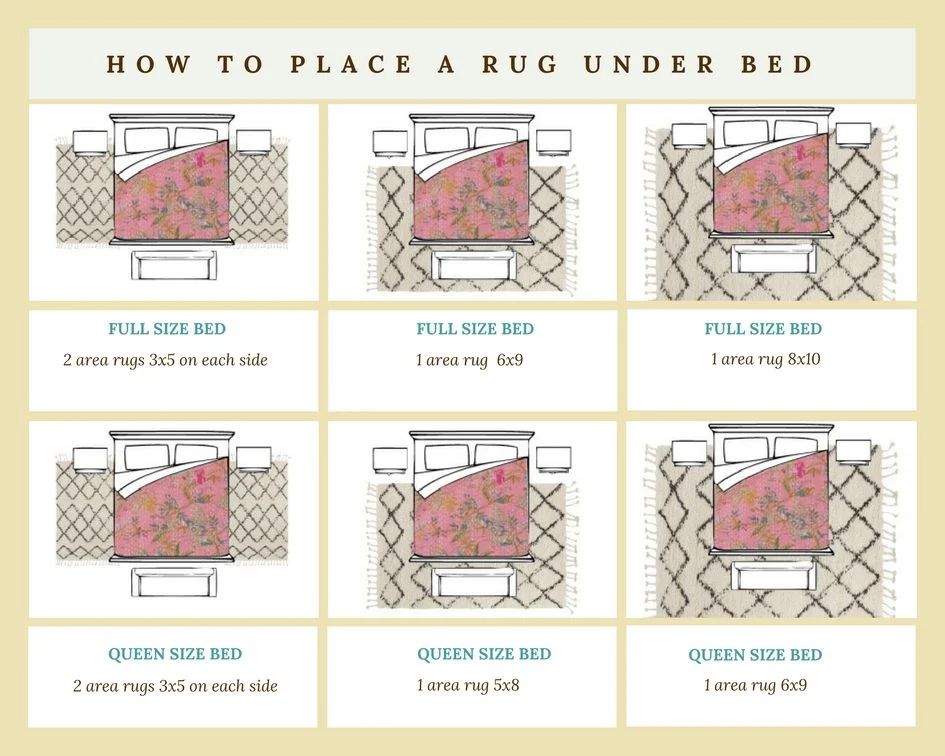
Placing a rug under the bed offers several functional and aesthetic benefits that go beyond simple decoration.
- Comfort at the Feet: Stepping onto a soft surface first thing in the morning can reduce joint strain and add a sense of luxury.
- Noise Dampening: Rugs absorb sound, making the room quieter, especially on hard surfaces like hardwood or tile.
- Visual Cohesion: A rug can anchor the bed, creating a visual base that ties together nightstands, lamps, and other bedroom accessories.
- Temperature Regulation: In colder climates, a rug provides an extra layer of insulation, keeping the floor—and your feet—warmer.
Choosing the Right Size

The size of the rug is arguably the most critical decision. An ill‑fitted rug can look awkward, disrupt flow, or even create tripping hazards. Below are the three most common sizing strategies, each suited to different bedroom layouts.
Standard Double‑Size Bed (Full/Queen)
For a full or queen‑size bed, a rug that measures at least 5’ × 8’ (150 cm × 240 cm) works well. Ideally, the rug should extend at least 18–24 inches (45–60 cm) beyond the foot of the bed on all sides. This creates a “floating” effect that frames the bed without overwhelming the space.
King‑Size Bed
With a king‑size bed, a larger rug—typically 8’ × 10’ (240 cm × 300 cm)—is advisable. The extra width ensures that the rug remains visible even when the bed’s headboard sits against a wall. For rooms with limited floor space, a 6’ × 9’ rug can be used if it’s centered under the bed and leaves a modest border of exposed flooring.
Twin or Bunk Beds
Smaller beds benefit from a 3’ × 5’ or 4’ × 6’ rug. The rug should extend at least 12 inches (30 cm) beyond the mattress on each side, providing enough coverage for nightstand placement without crowding the room.
When in doubt, use a piece of painter’s tape to outline the intended rug dimensions on the floor. Step back and assess the visual balance before making a purchase.
Material Matters: Selecting the Ideal Fabric

Material choice affects durability, comfort, maintenance, and how the rug interacts with the flooring beneath it.
Wool
Wool rugs are renowned for their resilience, natural stain resistance, and ability to retain softness over time. They’re an excellent choice for high‑traffic bedrooms, especially when paired with a sturdy underlay to prevent slipping.
Cotton
Cotton rugs offer a light, breathable feel and are easy to clean—many are machine washable. They’re ideal for warmer climates or for those who prefer a casual, laid‑back aesthetic.
Synthetic Fibers (Polypropylene, Nylon)
Synthetic rugs are budget‑friendly and highly stain‑resistant, making them suitable for households with children or pets. Modern synthetics can mimic the look of natural fibers while offering superior durability.
Natural Fibers (Jute, Seagrass)
For a rustic or coastal vibe, consider jute or seagrass. These fibers bring texture and an organic feel but are less plush and can be prone to staining if not sealed.
Color, Pattern, and Design Coordination

A rug under the bed can either blend seamlessly with the existing palette or serve as a statement piece that injects personality. Here are strategies to ensure harmonious integration.
- Monochromatic Harmony: Choose a rug in a shade that matches or subtly varies from the wall color for a serene, cohesive look.
- Complementary Contrast: If your bedding is neutral, a rug with a bold hue (deep navy, emerald green, or burnt orange) can add depth and visual interest.
- Pattern Play: Geometric or botanical patterns can echo motifs found in throw pillows, curtains, or artwork, creating a layered design narrative.
- Texture Balance: Pair a high‑pile rug with sleek, low‑profile furniture, or vice versa, to maintain visual equilibrium.
For readers looking to extend the cohesive feel beyond the bedroom, see our Design Philosophy and Aesthetic Appeal guide, which delves into integrating color theory across multiple rooms.
Placement Tips: Getting the Layout Right

Correct placement ensures safety, maximizes visual impact, and preserves the rug’s longevity.
Centering the Rug
When the rug is larger than the bed footprint, center it under the bed so that equal amounts of rug are visible on each side. This creates a symmetrical, balanced appearance.
Offset Placement
In asymmetrical or eclectic designs, an offset rug can create a dynamic visual tension. Ensure the offset does not impede traffic pathways or cause the rug to slide under nightstands.
Use of a Non‑Slip Underlay
Regardless of size, always place a high‑quality non‑slip pad underneath. This prevents the rug from shifting, reduces wear, and protects both the rug and underlying floor.
Leave Adequate Clearance
A minimum of 6 inches (15 cm) of exposed flooring around the rug’s perimeter is advisable. This prevents the rug from feeling cramped and maintains a clean line of sight throughout the room.
Safety and Maintenance Considerations
Rugs add comfort, but they also introduce potential hazards if not cared for properly.
Fire Safety
Choose rugs that meet fire‑retardant standards, especially in bedrooms located near heating elements or open flames.
Cleaning Frequency
Vacuum weekly to remove dust and allergens. Spot‑clean spills promptly with a mild detergent. For wool and natural fibers, professional cleaning every 12–18 months is recommended.
Rotation
Rotate the rug 180 degrees every six months to ensure even wear, particularly in high‑traffic areas.
Styling Ideas to Elevate the Look
Beyond basic placement, thoughtful styling can turn the rug into a focal point.
- Layer with a Runner: Add a slim runner at the foot of the bed for additional texture and a touch of sophistication.
- Mix Textiles: Pair the rug with coordinating curtains, throw blankets, or upholstered headboards to reinforce a unified theme.
- Incorporate Natural Elements: A low‑profile indoor plant or a decorative tray of stones can enhance the organic feel of a jute rug.
- Highlight with Lighting: Soft bedside lamps or a statement pendant can accentuate the rug’s colors after dark, creating a cozy ambience.
For a broader perspective on how a rug can interact with other furniture pieces, explore our article on Oversized Sectionals With Chaise – The Definitive Guide to Luxe Living & Smart Design, which illustrates the power of layering textures and colors across a living space.
Common Mistakes and How to Avoid Them
Even seasoned decorators can stumble over a few pitfalls. Recognizing these errors early saves time, money, and frustration.
Choosing the Wrong Scale
Too small a rug can make the bed appear “floating” and leave awkward gaps, while an overly large rug may dominate the room and make it feel cramped. Refer back to the sizing guidelines above to strike the right balance.
Neglecting the Underlay
Skipping the non‑slip pad may lead to shifting, especially on polished wood or tile. This can cause wear patterns and increase the risk of trips.
Overlooking Color Harmony
A rug that clashes with existing décor can create visual discord. Use a color wheel or digital palette tools to test combinations before purchasing.
Ignoring Maintenance Needs
Some materials demand regular professional cleaning. Failing to budget for this can result in a rug that looks worn or stained prematurely.
Budgeting and Where to Shop

Rugs range from budget‑friendly synthetic options under $100 to handcrafted heirloom pieces exceeding $2,000. Here’s how to navigate the market.
- Set a Realistic Budget: Determine how much you’re willing to invest based on usage frequency and desired longevity.
- Shop Online with Reviews: E‑commerce platforms often provide detailed customer photos and durability feedback.
- Visit Specialty Stores: Physical stores let you feel texture, assess color accuracy, and test rug size against your space.
- Consider Custom Options: If standard sizes don’t fit your layout, many manufacturers offer made‑to‑measure services.
Integrating the Rug with the Rest of Your Home
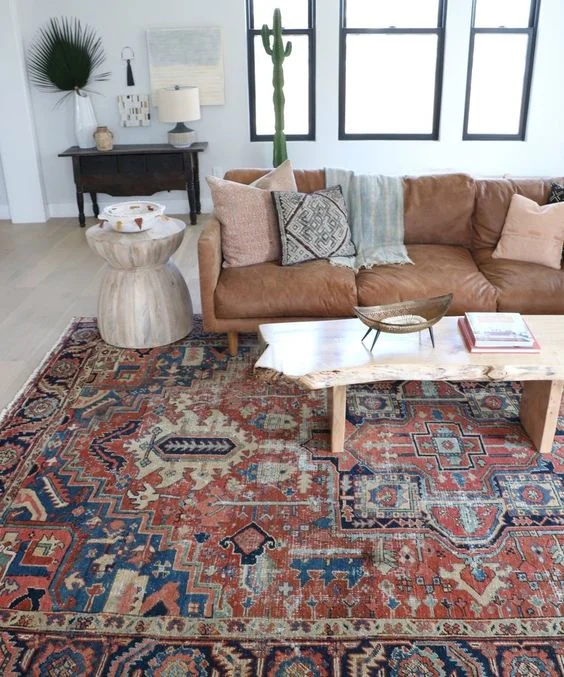
While the focus here is the bedroom, a well‑chosen rug can echo motifs found in adjoining spaces—hallways, bathrooms, or even living rooms. Consistency across zones creates a seamless flow that feels intentional rather than piecemeal.
For inspiration on connecting spaces, check out the article on Transform Your Kitchen: The Ultimate Guide to Countertops With Oak Cabinets, which showcases how material continuity can unify disparate rooms.
In summary, a rug under the bed is a versatile design tool that balances comfort, aesthetics, and practicality. By carefully assessing size, material, color, and placement, you can turn an ordinary bedroom into a sanctuary that welcomes you each day. Remember to maintain the rug with regular cleaning, rotate it for even wear, and pair it thoughtfully with surrounding décor. With these strategies in place, your bedroom will exude a polished, cohesive look that reflects your personal style and enhances everyday living.