 Admin
Admin
When it comes to bedroom design, the phrase “rug under bed” often appears as a subtle suggestion rather than a bold statement. Yet, that modest piece of fabric can dramatically shift the room’s aesthetics, add a layer of softness to cold floors, and even improve sleep quality. Placing a rug directly beneath the bed is more than a decorative flourish; it is a strategic move that balances proportion, anchors furniture, and creates a welcoming atmosphere the moment you step out of bed.
In this article we dive deep into everything you need to know about selecting, positioning, and caring for a rug under bed. From precise sizing formulas for twin, queen, and king beds to material comparisons that affect durability and tactile comfort, we’ll equip you with the expertise of interior designers and flooring specialists alike. By the end, you’ll understand why this often‑overlooked accessory deserves a permanent spot in your bedroom plan.
Whether you’re revamping a cramped city studio or redesigning a spacious master suite, the right rug under bed can tie together color palettes, soften hard edges, and protect your flooring—all while delivering a luxurious feel underfoot.
Why a Rug Under Your Bed Matters

Before we explore the “how,” it’s crucial to grasp the “why.” A rug under bed serves several functional and aesthetic purposes that go beyond simple decoration.
1. Visual Anchor and Balance
A well‑placed rug grounds the bed, preventing the space from feeling “floating.” It delineates the sleeping zone from the rest of the room, especially in open‑plan layouts where bedroom boundaries can blur.
2. Comfort and Warmth
Cold tile or hardwood can be a shock to the feet each morning. A plush rug adds an insulating layer, making those first steps out of bed feel gentle and cozy.
3. Noise Reduction
Rugs absorb sound, reducing echoes in rooms with hard surfaces. This contributes to a quieter, more restful environment—particularly valuable for light sleepers.
4. Protection for Flooring
Heavy furniture can dent or scratch hardwood and laminate. A sturdy rug distributes the weight of the bed’s legs, preserving the integrity of your floors.
Choosing the Right Size and Shape
One of the most common mistakes is selecting a rug that is either too small or overwhelmingly large. The key is proportion: the rug should complement the bed dimensions while allowing enough floor exposure for visual balance.
Standard Sizing Guidelines
- Twin/Single Bed (38‑39″ × 75″): Opt for a 5 × 8 ft rug. This provides ample coverage on both sides of the bed and a border of exposed floor at the foot.
- Full/Double Bed (54″ × 75″): A 6 × 9 ft rug works well, extending beyond the bedside tables and creating a soft landing for both sides.
- Queen Bed (60″ × 80″): Most designers recommend an 8 × 10 ft rug. It should extend at least 24‑30 inches beyond each side of the bed.
- King Bed (76″ × 80″): An 9 × 12 ft rug is ideal, or consider a larger 10 × 14 ft rug for a luxurious look.
If you’re unsure about exact dimensions, consult The Ultimate Guide to Choosing the Right Rug Size Under a King Bed. That resource walks you through measuring techniques and visual mock‑ups, ensuring the rug you pick fits perfectly with your bed frame and nightstands.
Shape Considerations
While rectangular rugs dominate bedroom design, round or oval rugs can add a softer, more organic vibe. For a contemporary look, a large square rug placed under a low‑profile platform bed creates a sleek, minimalist tableau.
Material Matters: Cotton, Wool, Synthetic, and More

The material of your rug influences everything from durability to sensory experience. Below, we break down the most common options for bedroom use.
Cotton
Soft, breathable, and easy to clean, cotton rugs are ideal for casual, low‑traffic bedrooms. They absorb moisture well, making them suitable for homes with higher humidity.
Wool
Wool offers natural resilience, superior insulation, and a luxurious feel underfoot. It resists crushing and can last decades with proper care. However, wool rugs tend to be pricier and may require professional cleaning to maintain their luster.
Synthetic Fibers (Polypropylene, Nylon)
Modern synthetics mimic the look of natural fibers while providing stain resistance and budget‑friendliness. They’re especially useful in homes with pets or children.
Natural Fibers (Jute, Seagrass)
For a coastal or boho aesthetic, natural fibers bring texture and earthiness. They’re less plush but add visual interest and work well in sun‑filled rooms.
Placement Tips for Different Bed Sizes
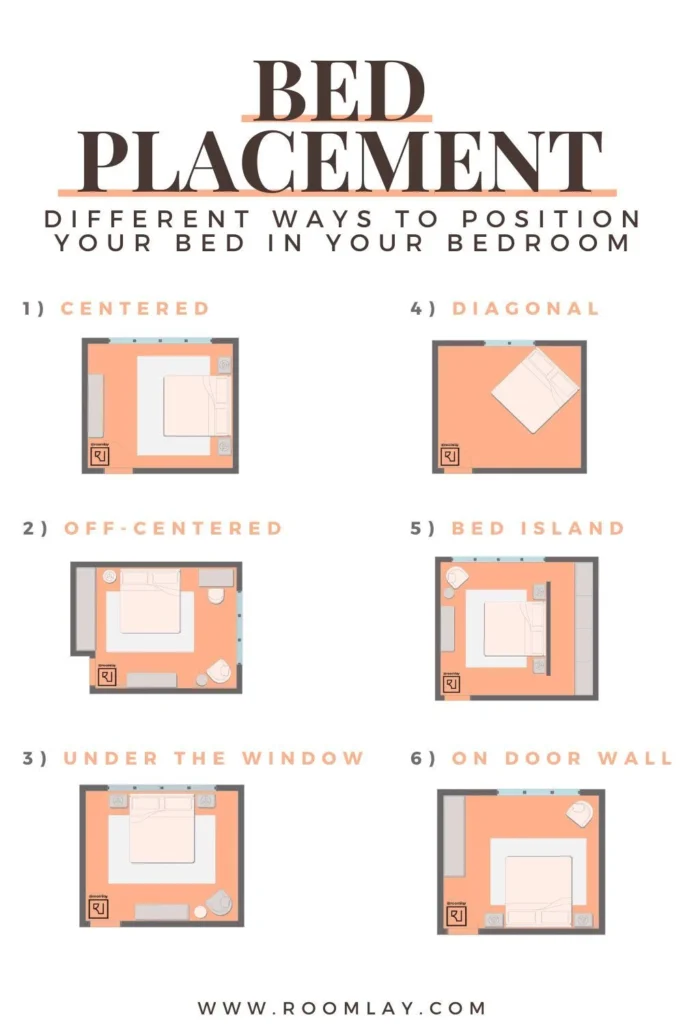
Even with the correct size, placement can make or break the effect. Follow these strategic guidelines to achieve a balanced look.
Centered Placement
Position the rug so that it is centered under the bed, leaving an equal amount of floor exposed at each side. This is the most classic arrangement and works for all bed sizes.
Offset for Nightstands
If you have sizable nightstands, consider pulling the rug a few inches forward. This ensures the rug runs directly under the nightstand bases, creating a continuous visual plane.
Layering for Texture
In larger bedrooms, layering a smaller accent rug in front of a larger base rug adds depth. Use a muted, low‑pile rug under the bed and a vibrant, higher‑pile runner at the foot of the bed for contrast.
Foot of the Bed Focus
For a minimalist approach, you can place the rug only at the foot of the bed, extending outward. This works well with a low‑profile platform bed and creates a runway‑like feel.
Maintenance and Care: Keeping Your Rug Fresh

Rugs, like any textile, require routine upkeep to retain their beauty and functionality. Here’s a practical maintenance plan.
Regular Vacuuming
Vacuum once a week using a suction‑only setting or a brush roll on low. This removes dust and prevents grit from grinding the fibers.
Spot Cleaning
Address spills immediately with a blotting motion—never rub. Use a mild detergent mixed with water, test on an inconspicuous area first, then gently dab the stain.
Deep Cleaning
For wool or delicate rugs, professional cleaning every 12‑18 months is recommended. Synthetic rugs can often be cleaned with a carpet shampooer on a gentle cycle.
Rotation
Rotate the rug 180 degrees every six months to ensure even wear, especially in high‑traffic bedrooms.
Design Ideas to Elevate Your Bedroom
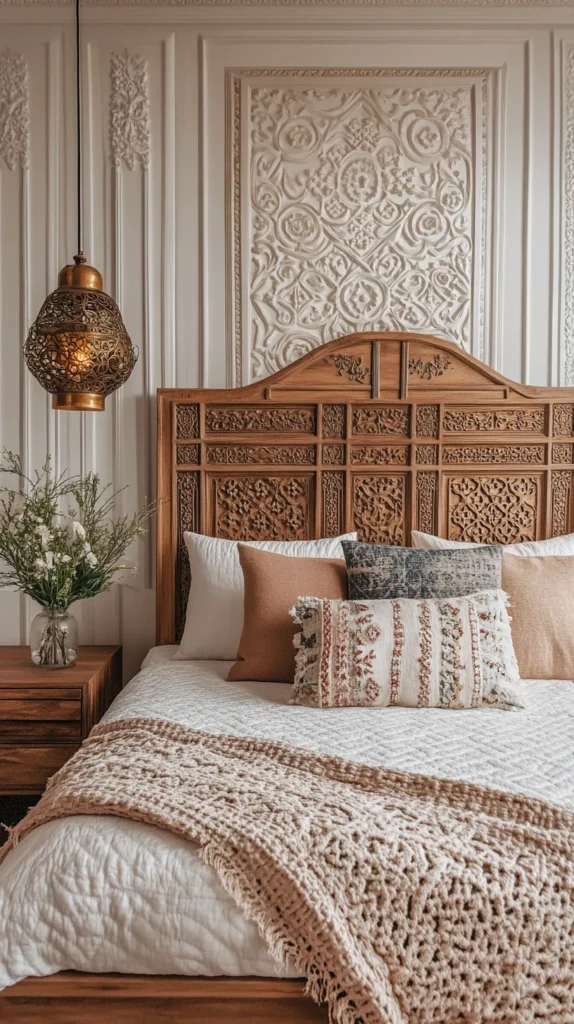
Beyond function, a rug under bed is a canvas for creativity. Below are curated ideas that blend style trends with timeless principles.
Monochrome Harmony
Choose a rug in a shade that matches your wall color for a seamless, calming effect. Pair with white bedding and metallic accents for a sophisticated look.
Bold Patterns for a Statement
Geometric or Persian‑style patterns can become the focal point of the room. Keep bedding and curtains in solid, complementary hues to let the rug shine.
Layered Textures
Combine a low‑pile cotton rug under the bed with a high‑pile faux fur throw at the foot. This contrast adds tactile richness and visual intrigue.
Eco‑Friendly Choices
Opt for jute or recycled polyester rugs for an environmentally conscious bedroom. Pair with sustainably sourced wood furniture for a cohesive green aesthetic.
Color‑Pop Accents
If your bedroom palette is neutral, introduce a pop of color through the rug—think teal, mustard, or blush. This injects personality without overwhelming the space.
For those working with limited square footage, integrating a rug under a compact bed can create the illusion of more space. Check out The Ultimate Small Space Sectional Guide for additional tips on maximizing bedroom real estate, especially when pairing furniture with a rug.
In summary, the rug under bed is a versatile, often‑underestimated element that can transform a bedroom from merely functional to truly inviting. By selecting the appropriate size, material, and placement, and by maintaining it responsibly, you’ll enjoy a cohesive look, enhanced comfort, and a protective layer for your flooring for years to come.
