 Admin
Admin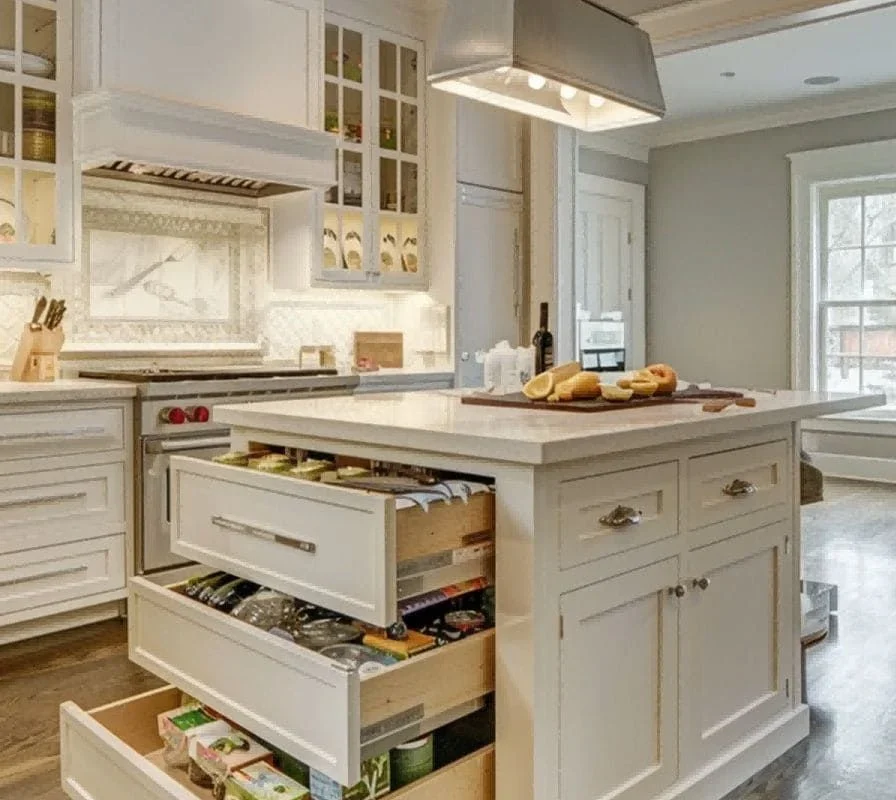
Creative Kitchen Islands have become the cornerstone of modern culinary spaces, offering far more than just a countertop for meal prep. In the opening paragraph, we’ll explore how these versatile centers can redefine the flow, storage, and style of any kitchen. Whether you’re working with a compact apartment layout or a sprawling family home, a thoughtfully designed island can serve as a cooking hub, social gathering spot, and storage powerhouse all at once.
Beyond their practical advantages, Creative Kitchen Islands provide an unparalleled opportunity to express personal style. From bold colors and mixed materials to integrated appliances and hidden seating, the island is the canvas where functionality meets artistic flair. This guide delves deep into the principles, materials, and layout strategies that enable homeowners and designers to craft islands that are both beautiful and purposeful.
Before we dive into specific design ideas, it’s essential to understand the foundational concepts that make an island truly “creative.” By mastering these basics, you’ll be equipped to make informed decisions, avoid common pitfalls, and ultimately create a kitchen centerpiece that enhances both daily living and entertainment experiences.
Why Creative Kitchen Islands Matter
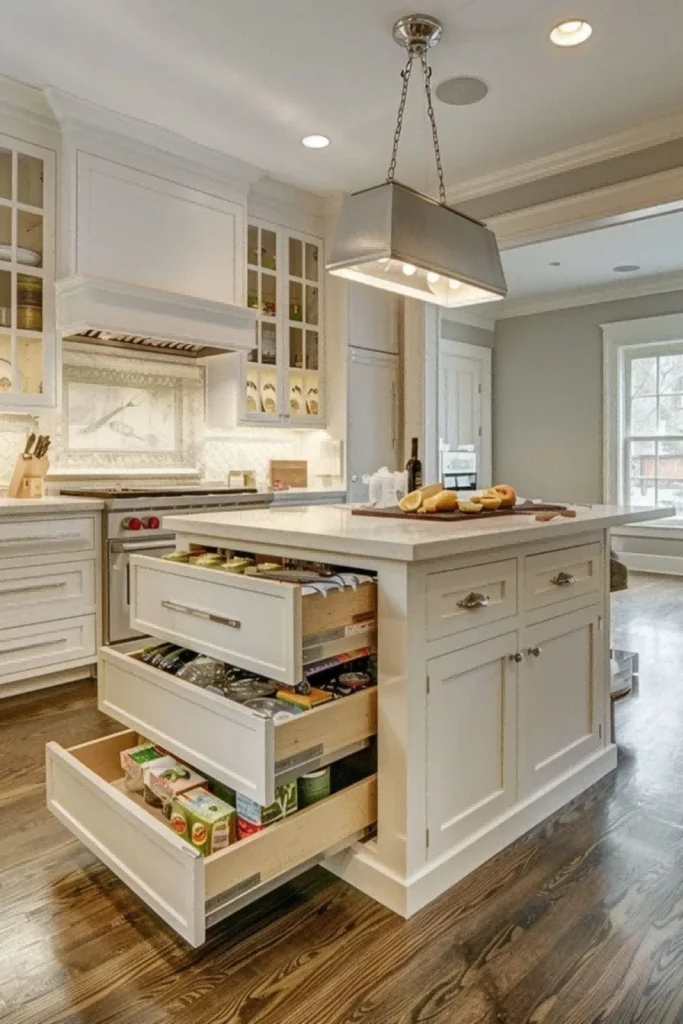
In contemporary kitchens, the island is more than a decorative element; it’s a multifunctional hub that can dramatically improve ergonomics, workflow, and social interaction. A well‑planned island reduces the distance between the stove, sink, and refrigerator—often referred to as the “kitchen work triangle”—thereby streamlining cooking processes and minimizing unnecessary steps.
Boosted Efficiency and Workflow
- Strategic placement of appliances like a downdraft vent or a built‑in dishwasher can eliminate the need to walk across the room.
- Ample countertop space provides a dedicated area for prep work, keeping the main cooking zones uncluttered.
- Integrated storage solutions, such as pull‑out drawers and hidden cabinets, keep utensils and pantry items within arm’s reach.
Social Hub and Entertaining Zone
- Open‑concept kitchens benefit from islands that double as casual dining surfaces, encouraging conversation while meals are being prepared.
- Adding a bar height overhang or built‑in seating creates a natural gathering point for guests.
- Lighting fixtures above the island can set the mood, turning the kitchen into an inviting entertainment space.
Design Flexibility
- Islands can be freestanding, anchored, or even movable, allowing for adaptable floor plans.
- Mixing materials—such as wood, metal, and stone—enables a custom look that complements any interior style.
- Incorporating features like wine racks, pet feeding stations, or a built‑in charging hub adds personalized utility.
Core Design Principles for a Creative Island

Success begins with a clear set of design principles that balance aesthetics, functionality, and spatial harmony. Below are the essential guidelines to consider when planning your island.
Scale and Proportion
Maintain a comfortable clearance of at least 42 inches around the island to ensure smooth traffic flow. In larger kitchens, a 48‑inch clearance feels more spacious, while compact spaces may require a minimum of 36 inches. The island’s height should correspond to its primary use: standard 36‑inch height for food prep, 42‑inch for bar seating, or a split‑level design that accommodates both.
Purpose‑Driven Layout
Identify the island’s primary functions—cooking, dining, storage, or a combination—and allocate space accordingly. For instance, a cooking‑focused island might feature a built‑in sink, a stovetop, or a prep sink, while a dining‑oriented island could prioritize seating and a countertop extension.
Material Harmony
Choose materials that both complement the existing kitchen palette and stand up to daily wear. Quartz or granite countertops offer durability and a polished look, while reclaimed wood can introduce warmth and texture. Pairing a matte metal frame with a glossy countertop can create a sophisticated contrast.
Lighting Strategy
Layered lighting is key to highlighting the island’s features. Pendant lights or a linear chandelier provide focused illumination for tasks, while recessed lighting ensures overall brightness. Consider dimmable fixtures to transition from cooking to entertaining moods.
Innovative Ideas to Elevate Your Island
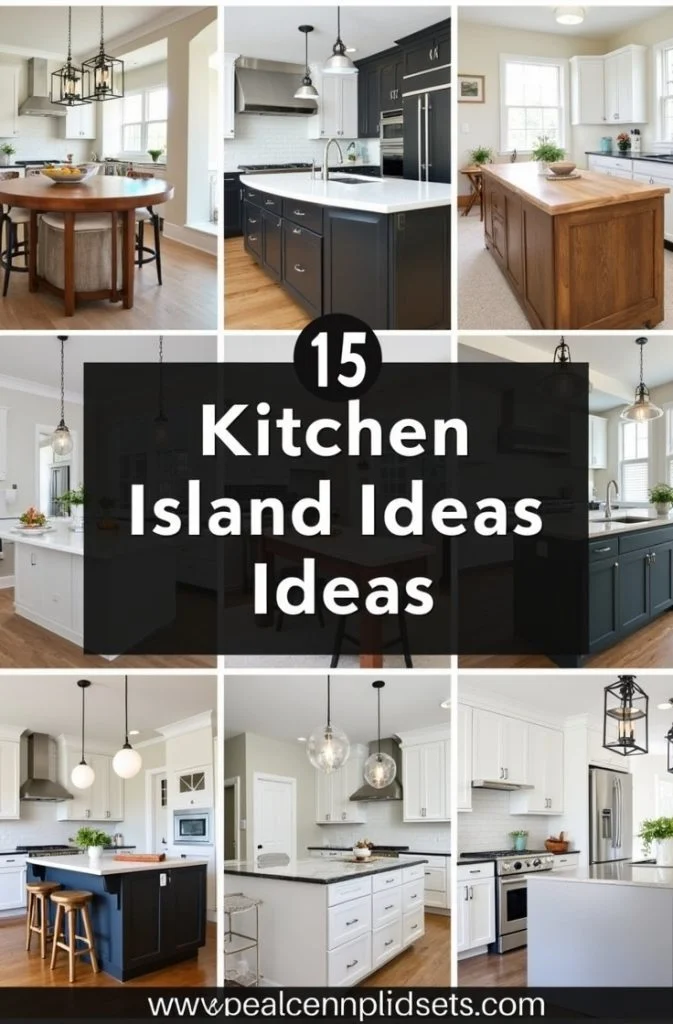
Now that the fundamentals are covered, let’s explore creative concepts that can turn a conventional island into a standout masterpiece.
Integrated Appliances
Seamlessly embedding appliances—such as a built‑in wine fridge, under‑counter refrigerator, or induction cooktop—creates a sleek look while freeing up floor space. These integrations also centralize activity zones, reducing the need for additional countertops.
Multi‑Level Surfaces
A tiered island can serve dual purposes: a lower prep surface paired with a raised bar area. This design not only adds visual interest but also separates cooking tasks from social interaction, keeping the kitchen organized and efficient.
Hidden Seating Solutions
Incorporate a bench or stools that tuck beneath the countertop when not in use. This approach preserves a clean aesthetic while providing flexible seating options for guests.
Custom Storage Features
- Pull‑out spice racks keep seasonings organized and accessible.
- Deep drawers with dividers accommodate pots, pans, and bakeware.
- Vertical pull‑out trash and recycling bins maintain a tidy appearance.
Artistic Touches
Consider a bold, contrasting countertop color or a patterned tile backsplash that runs the length of the island. These artistic elements can become the focal point of the kitchen, echoing trends seen in modern living spaces.
Material & Finish Selections
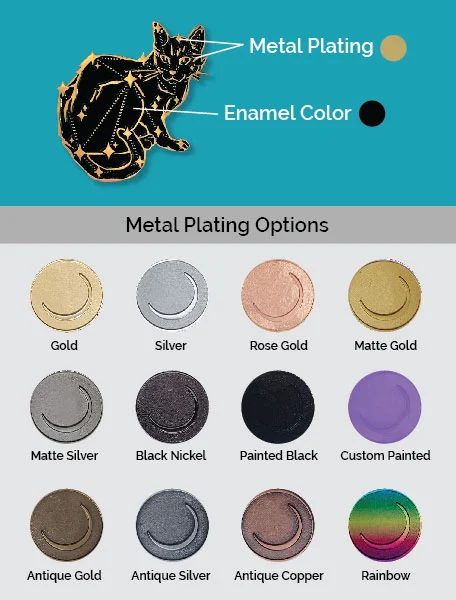
Choosing the right materials impacts durability, maintenance, and visual appeal. Below is a guide to popular options.
Countertop Choices
- Quartz: Non‑porous, low‑maintenance, and available in a wide array of colors.
- Granite: Natural stone with unique veining, ideal for high‑traffic kitchens.
- Butcher Block: Warm, inviting wood that can be sanded and refinished as needed.
- Concrete: Industrial aesthetic with customizable pigments and finishes.
Base Cabinet Materials
Solid wood provides timeless appeal, while plywood offers strength without excessive weight. For a modern edge, consider powder‑coated metal or high‑gloss laminate.
Hardware & Accents
Brushed brass pulls, matte black handles, or sleek stainless steel knobs can subtly influence the island’s style. Matching hardware to other kitchen elements ensures a cohesive look.
Installation, Layout, and Practical Tips
Turning design concepts into reality requires careful planning and execution. Follow these practical steps to ensure a smooth installation process.
Assessing Space and Flow
Measure your kitchen dimensions accurately. Sketch a floor plan, noting the location of existing appliances, windows, and doors. Use graph paper or a digital tool to visualize different island placements, keeping the recommended clearance in mind.
Electrical and Plumbing Considerations
If your island will host a sink, dishwasher, or cooktop, coordinate with a licensed plumber and electrician early in the design phase. Ensure that circuits can handle the load and that water lines are properly routed.
Choosing a Contractor
Research local contractors with proven experience in kitchen remodels. Request portfolios, verify licensing, and read reviews. A qualified professional can prevent costly mistakes and keep the project on schedule.
Budgeting and ROI
Set a realistic budget that accounts for materials, labor, and unexpected expenses. While high‑end finishes increase upfront costs, they often yield a higher resale value. According to industry data, a well‑executed kitchen island can boost a home’s market price by up to 5%.
Maintenance Strategies
- Seal stone countertops annually to protect against stains.
- Wipe spills immediately to avoid damage to wood or metal surfaces.
- Regularly inspect drawer slides and hinges, tightening as needed.
Inspiration from Related Spaces
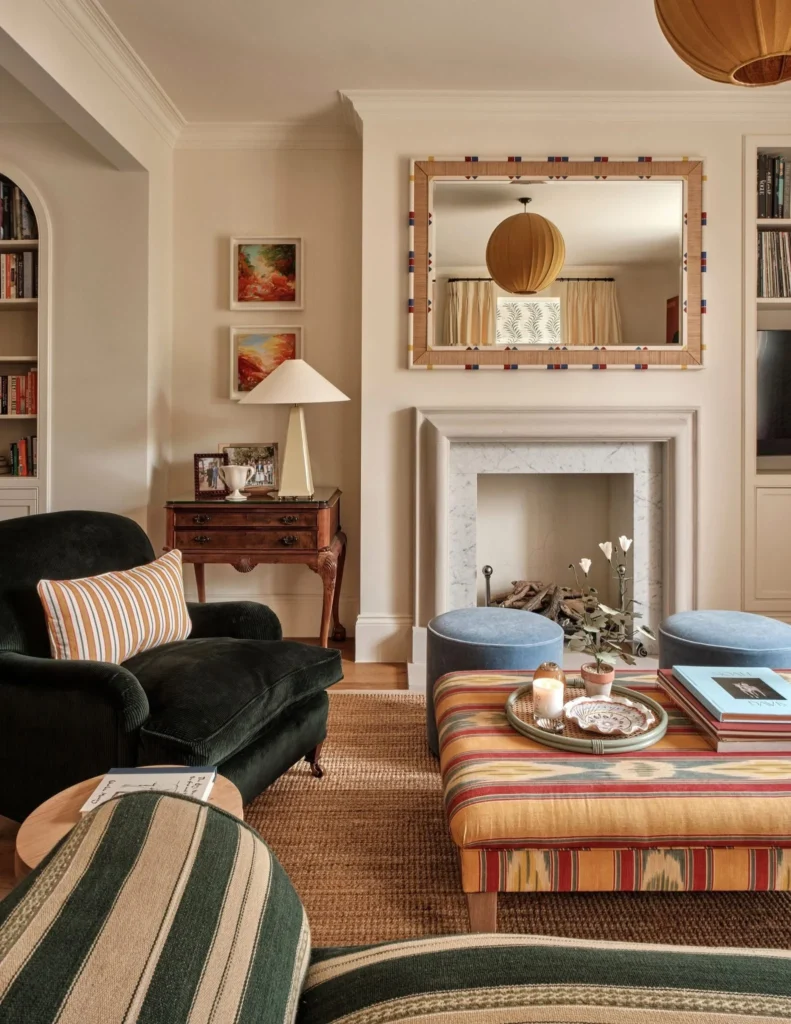
Creative design ideas often cross over from one room to another. For instance, the same principles that make a mid‑century modern entry console a focal point can be applied to kitchen islands, using clean lines and mixed materials to create visual harmony.
Similarly, the way a large comfortable sectional sofa anchors a living room can inspire you to think of the island as a gathering hub, encouraging conversation and shared experiences while meals are prepared.
By drawing parallels between these spaces, you’ll discover fresh perspectives that elevate the island from a mere workspace to a true centerpiece of home life.
In summary, Creative Kitchen Islands blend artistry with practicality, offering endless opportunities to tailor your kitchen to your lifestyle. Whether you prioritize cooking efficiency, social interaction, or striking aesthetics, the island can be customized to meet those goals. By applying the design principles, material insights, and installation tips outlined above, you’ll be well on your way to crafting a kitchen centerpiece that not only enhances daily routines but also adds lasting value to your home.
