 Admin
Admin
The Small Sectional Sofa has emerged as a cornerstone of contemporary living rooms, delivering the perfect blend of comfort, design flexibility, and efficient use of space. Homeowners who crave a stylish yet practical seating solution are turning to these compact sectional pieces because they can adapt to narrow apartments, urban lofts, and even sprawling family rooms without overwhelming the floor plan.
Unlike traditional three‑piece sofas that often dominate a room, a small sectional can be configured in multiple orientations—L‑shape, U‑shape, or even a curved layout—allowing you to tailor the furniture to the exact dimensions of your space. This modularity not only maximizes seating capacity but also opens up creative opportunities for traffic flow, accent lighting, and décor layering.
Choosing the right small sectional goes beyond aesthetics; it involves understanding construction quality, upholstery durability, and ergonomic support. In this comprehensive guide we’ll explore the key factors that separate a fleeting trend from a timeless investment, walk you through the most popular design configurations, and provide actionable tips for styling your new centerpiece. Whether you’re furnishing a starter apartment or upgrading a seasoned family room, the insights below will help you make an informed decision.
Understanding the Core Benefits of a Small Sectional Sofa
Before diving into specific styles, it’s essential to grasp why a compact sectional often outperforms larger, bulkier alternatives. The following benefits illustrate the practical advantages that resonate with both design enthusiasts and everyday users.
Space Efficiency
- Footprint reduction: A small sectional typically occupies 30‑40% less floor area than a conventional sofa set, freeing up valuable square footage for rugs, coffee tables, or additional seating.
- Modular flexibility: Individual sections can be rearranged or removed entirely, making it easy to reconfigure the room for parties, movie nights, or a quiet reading nook.
- Adaptable to odd layouts: Corner placement, wall‑to‑wall alignment, or placement in a hallway‑type living area becomes feasible without compromising comfort.
Design Versatility
- Stylistic range: From sleek mid‑century modern frames to plush, over‑stuffed loungers, small sectionals come in a spectrum of styles that can complement any décor theme.
- Color & texture play: Because the piece is smaller, you can experiment with bold upholstery colors or tactile fabrics without the risk of overwhelming the space.
- Integrated features: Many models incorporate built‑in storage, USB charging ports, or recline mechanisms, adding functional depth to the design.
Enhanced Comfort
- Ergonomic support: Modern small sectionals often feature high‑density foam cores, pocketed springs, or adjustable lumbar support, delivering superior comfort compared to many standard sofas.
- Multi‑position seating: The ability to sit, lounge, or stretch out in different sections ensures that every family member finds a comfortable spot.
Key Design Configurations to Consider
When shopping for a small sectional, the configuration you choose will dictate how the piece interacts with the rest of the room. Below are the most common layouts, each with its own set of advantages.
L‑Shape (Corner) Sectional
An L‑shaped small sectional hugs two walls, creating a cozy corner that maximizes seating while preserving central floor space. This layout works especially well in rectangular rooms where one side can serve as a natural focal point for a TV or artwork.
U‑Shape Sectional
Although traditionally larger, a compact U‑shape can be achieved by selecting slim‑profile arms and a low back. This configuration encourages conversation by wrapping the seating around a central coffee table, ideal for intimate gatherings.
Curved Sectional
Curved modules soften the visual lines of a room, adding a sense of flow and modernity. When paired with a sleek coffee table and a statement rug, a small curved sectional can become the centerpiece of a minimalist living room.
Modular Chaise Integration
Many manufacturers offer optional chaise extensions that slide onto the end of a sectional. This hybrid design gives you the best of both worlds: a traditional sofa for conversation and a lounging area for relaxation. For a deeper dive on this concept, check out Small Sofa With Chaise: The Space‑Saving Powerhouse Every Living Room Craves.
Materials and Construction: What to Look For
Durability and comfort are directly tied to the materials used in a sectional’s construction. Below is a checklist that can guide your evaluation process.
Frame Quality
- Solid hardwood: Kiln‑dried oak, maple, or ash frames provide a sturdy backbone that resists warping over time.
- Metal reinforcements: Some modern designs incorporate steel brackets for added stability, especially in high‑traffic households.
Suspension Systems
- Eight‑way hand‑tied springs: Offer superior bounce and even weight distribution, crucial for long‑term comfort.
- Webbing or sinuous springs: Provide a more economical option while still delivering a supportive feel.
Upholstery Fabrics
- Performance fabrics: Materials like Crypton or Sunbrella resist stains, moisture, and UV fading—ideal for homes with children or pets.
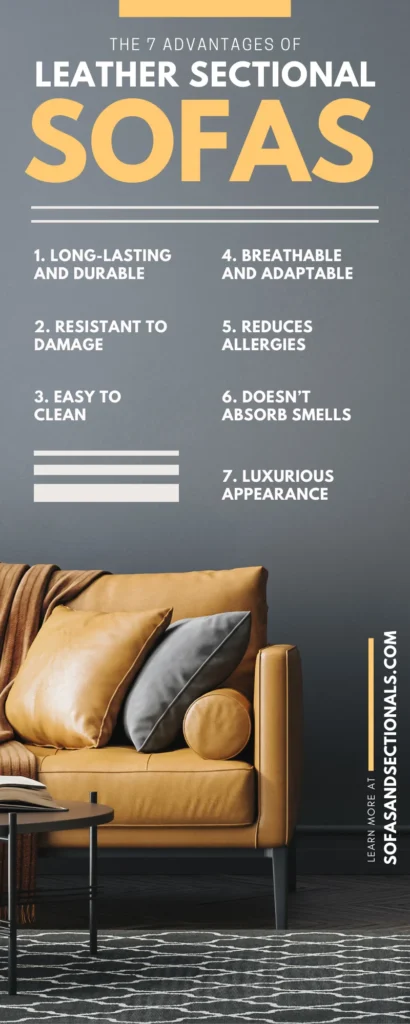
- Leather & faux leather: Offer a sleek aesthetic and are easy to wipe clean, though they may feel firmer than fabric options.
- Natural fibers: Linen or cotton blends add a soft, breathable touch but may require more maintenance.
Cushion Fill
- High‑density foam: Maintains shape and provides firm support for extended sitting periods.
- Down or feather blend: Adds a luxurious, plush feel, but may require regular fluffing.
- Hybrid fill: Combines foam core with a feather top layer for a balanced experience.
Styling Your Small Sectional Sofa for Maximum Impact

Even the most functional piece can become a design statement with the right accessories and layout tricks. Below are practical styling strategies that elevate a small sectional from merely functional to truly inspirational.
Rug Pairing
Choosing the right rug anchors the sectional and defines the seating zone. A rug that extends at least 24 inches beyond the sectional’s front edge creates visual balance. For guidance on rug sizing under larger furniture, see The Ultimate Guide to Choosing and Styling an Extra Large Sectional Sofa for a Luxe Living Room—the principles apply equally well to smaller pieces.
Coffee Table Selection
- Proportional height: Aim for a coffee table that sits 1–2 inches below the seat height of the sectional.
- Shape harmony: Round tables soften angular sections, while rectangular tables echo the linear geometry of an L‑shape.
- Material contrast: A glass top adds visual lightness; wood introduces warmth.
Accent Lighting
Floor lamps placed behind the sectional’s backrest or pendant lights centered over the coffee table enhance ambiance and highlight the sofa’s silhouette. Adjustable LED options allow you to create different moods for reading, movie nights, or entertaining.
Throw Pillows & Blankets
Layering textured pillows in complementary colors injects personality and comfort. A lightweight throw can also double as a decorative accent while providing warmth on cooler evenings.
Budgeting and Value: Getting the Most Bang for Your Buck

Investing in a small sectional doesn’t have to break the bank. By understanding price drivers and where to look for deals, you can secure a high‑quality piece at a reasonable cost.
Price Influencers
- Frame material: Solid wood frames command higher prices than metal or engineered wood.
- Upholstery type: Premium leather or performance fabrics increase cost, while synthetic blends are more affordable.
- Brand reputation: Established manufacturers often include longer warranties and higher craftsmanship standards.
Smart Shopping Tips
- Watch for seasonal sales—many retailers discount sofas in January, July, and around major holidays.
- Consider outlet stores or warehouse clubs; the Costco Sectional Thomasville is frequently highlighted for delivering luxury at a reduced price point.
- Check for free or discounted delivery and assembly to avoid hidden fees.
Maintenance and Longevity
A small sectional is an investment that can last for a decade or more with proper care. Follow these maintenance guidelines to preserve its appearance and functionality.
Routine Cleaning
- Vacuum weekly: Use a brush attachment to remove dust and debris from cushions and crevices.
- Spot treat stains: Blot—don’t rub—using a mild detergent solution appropriate for your fabric.
- Rotate cushions: Shift cushion positions every few months to promote even wear.
Seasonal Upkeep
- Apply leather conditioner annually if your sectional features genuine or high‑quality faux leather.
- Inspect frame joints and springs for looseness; tighten or replace as needed.
- Consider professional re‑upholstering after 8‑10 years for a refreshed look.
When a Small Sectional Isn’t the Right Fit
Although versatile, a small sectional may not suit every scenario. Assess your specific needs before committing:
- Very large families: If you regularly host more than six guests, a larger sectional or multiple sofas may be more practical.
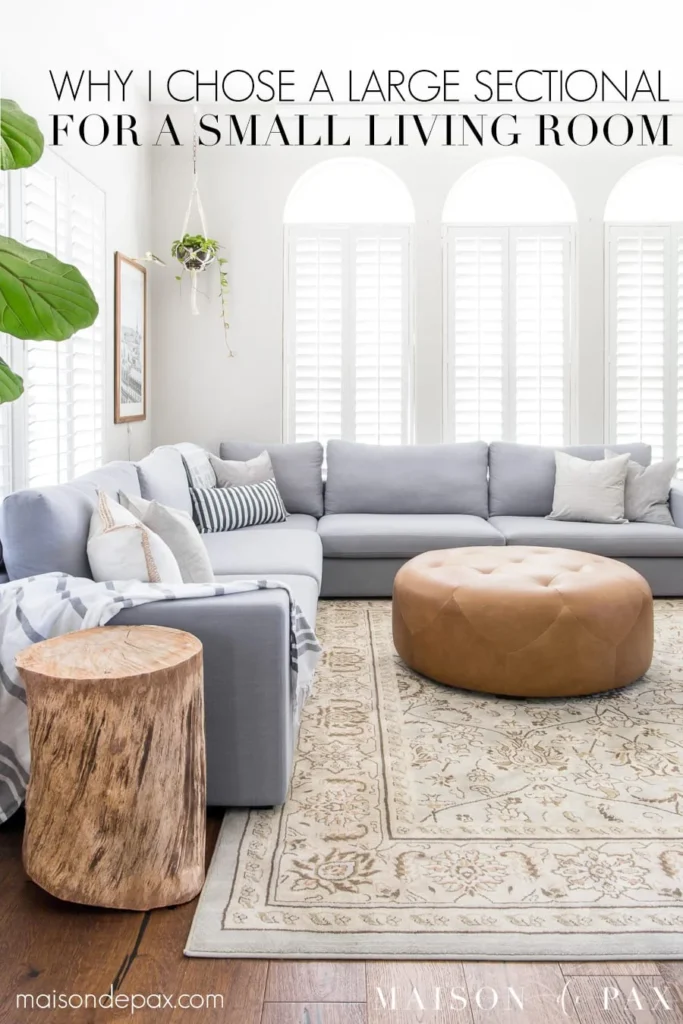
- Open‑plan lofts: In expansive spaces, a small sectional can feel dwarfed; pairing it with additional seating or a statement rug can balance the visual weight.
- Limited storage: While some models include hidden compartments, a sectional without storage may require extra shelving elsewhere.
By weighing these considerations against the benefits outlined above, you can determine whether a small sectional aligns with your lifestyle and design aspirations.
In the end, the Small Sectional Sofa stands out as a masterclass in intelligent design—offering flexibility, comfort, and style in a compact footprint. Whether you’re curating a minimalist apartment or seeking a functional centerpiece for a bustling family room, the insights shared here equip you to choose, style, and maintain a sectional that not only meets today’s needs but also adapts to tomorrow’s changes. Embrace the modular potential, pair it with thoughtful accessories, and watch your living space transform into a harmonious blend of form and function.
