 Admin
Admin
Mid Century Entry Table is more than a functional surface; it is the first statement of style that greets anyone stepping into your home. Rooted in the iconic design movement of the 1940s‑1960s, these tables combine clean lines, organic forms, and a reverence for natural materials. When placed thoughtfully, they set the tone for the entire interior, offering a blend of practicality and aesthetic elegance that resonates with both vintage enthusiasts and contemporary designers.
In an era where cluttered foyers are the norm, the right entry table can transform a chaotic hallway into a curated gallery of everyday art. It serves as a drop‑off point for keys, mail, and bags, while also providing a visual anchor that harmonizes with the surrounding décor. Whether you dwell in a compact apartment or a sprawling suburban house, the Mid Century Entry Table adapts seamlessly, proving that good design transcends square footage.
Beyond its functional merits, a well‑chosen entry table becomes a conversation starter, reflecting your personal taste and appreciation for design history. From the iconic teak legs of a Nelson‑type table to the sleek walnut silhouettes favored by Eames, the options are as diverse as the homes they inhabit. This guide will walk you through the essential considerations—materials, scale, finishes, and styling—ensuring you select a piece that not only fits your entryway but also elevates the entire living experience.
Understanding Mid‑Century Design Foundations
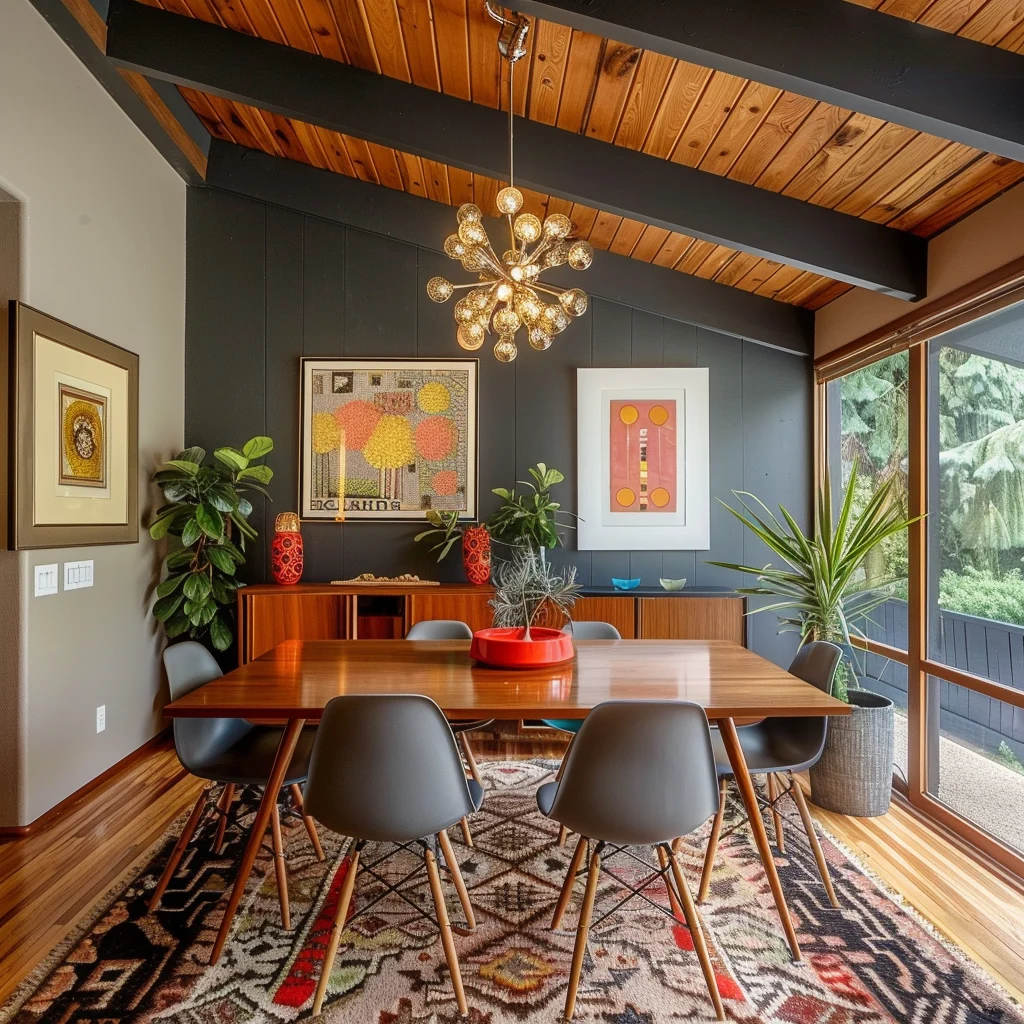
Before diving into specifics, it helps to grasp the core principles that define mid‑century modern design. The movement emerged post‑World War II, championing optimism, functionality, and a forward‑thinking aesthetic that broke away from ornamental excess. Designers like Charles and Ray Eames, George Nelson, and Arne Jacobsen pioneered pieces that emphasized simplicity, organic curves, and the honest expression of materials.
Key Characteristics of Mid‑Century Furniture
- Sleek, geometric forms: Straight lines juxtaposed with gentle, rounded edges create visual balance.
- Organic materials: Warm woods (teak, walnut, rosewood) are paired with metal, glass, and occasionally plastic.
- Functionality first: Multi‑purpose designs that serve everyday needs without sacrificing style.
- Minimal ornamentation: Decorative elements are stripped back, allowing the shape and material to shine.
- Playful yet restrained color palettes: Earthy tones combined with vibrant accents like mustard, teal, and burnt orange.
Why an Entry Table Matters in a Mid‑Century Home
The entryway is the architectural handshake of a house. In mid‑century modern homes, this space is often open, airy, and bathed in natural light—perfect for showcasing a thoughtfully designed entry table. The piece anchors the room, offering a visual transition from the outside world to the interior aesthetic. Moreover, its placement can influence traffic flow, making the entry both welcoming and efficient.
Choosing the Perfect Mid‑Century Entry Table
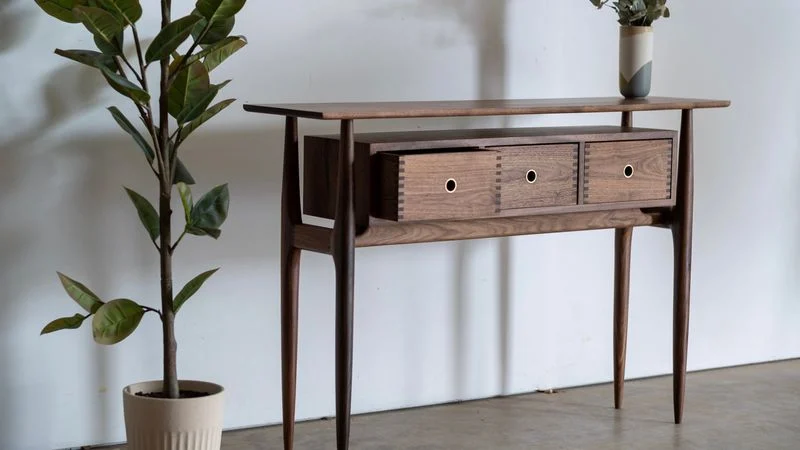
Selecting the right table involves balancing aesthetics with practicality. Below are the primary factors to evaluate.
Material Selection
Wood reigns supreme in authentic mid‑century pieces. Teak, prized for its durability and golden hue, exudes a warm, timeless appeal. Walnut offers a richer, darker tone that can anchor a lighter space, while rosewood adds a luxurious, reddish depth. Some designers experimented with molded plywood or early plastics, but for an entry table, solid wood remains the most resilient choice against daily wear.
Size and Proportion
Scale is crucial; an oversized table can dominate a narrow hallway, while a too‑small piece may appear lost against a grand foyer. Measure the floor space, leaving at least 12‑18 inches of clearance on all sides for smooth foot traffic. A typical mid‑century entry table ranges from 24 to 30 inches in height, with a surface width of 30‑45 inches—providing ample room for keys, mail, and decorative items without encroaching on walking space.
Finishes and Color Palettes
The finish should highlight the wood’s natural grain while protecting the surface. Classic oil‑based varnishes preserve the warm glow, whereas matte lacquer offers a contemporary twist. For those seeking a bolder look, consider a painted veneer in muted sage or deep charcoal, echoing the era’s occasional use of color blocking.
Functional Features
While simplicity is key, thoughtful details can boost usability:
- Drawers or hidden compartments: Store remote controls, spare keys, or small accessories out of sight.
- Integrated hooks: Offer a convenient place for coats or bags without cluttering the tabletop.
- Adjustable legs: Allow for leveling on uneven floors—a practical consideration for older homes.
When evaluating options, remember to ask yourself: Does this piece align with the existing furniture’s scale and material? Will it accommodate my daily entry‑way routines?
Styling Your Entry Table for Maximum Impact
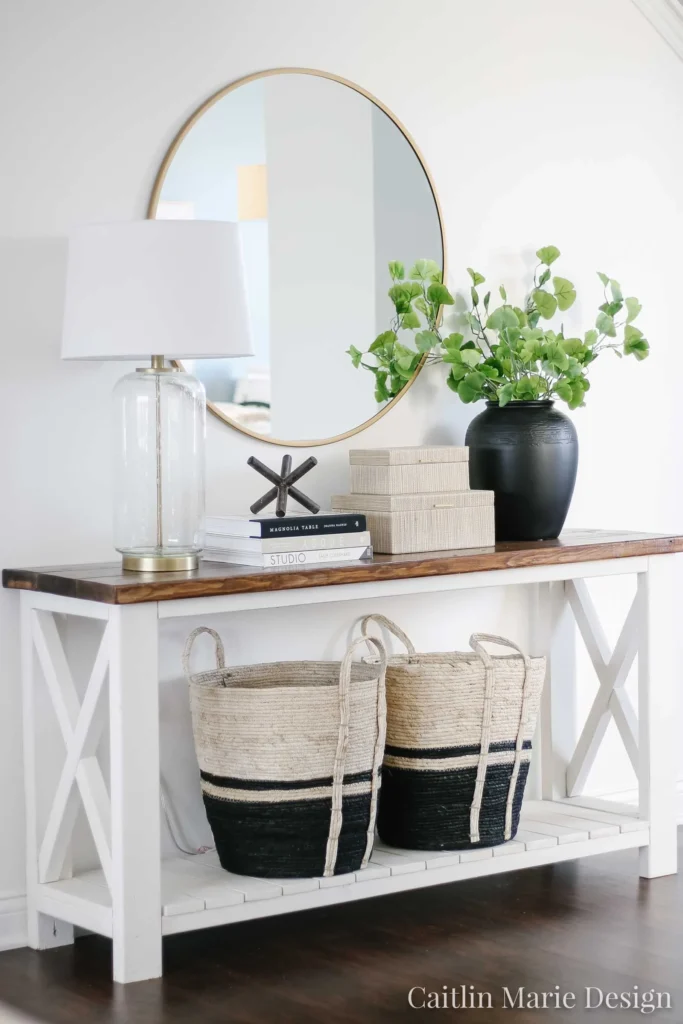
Even the most perfectly chosen table can fall flat without proper styling. Mid‑century modern design thrives on purposeful composition, where each element serves a visual or functional role.
Layered Décor Basics
Start with a foundation—perhaps a low‑profile tray made of metal or leather to corral loose items. Add a statement object, such as a sculptural vase or a small indoor plant like a snake plant, which nods to the era’s love for organic forms. Finally, incorporate a personal touch, like a vintage clock or a framed black‑and‑white photograph, to infuse personality.
Lighting Considerations
Strategic lighting enhances both function and ambiance. A sleek table lamp with a brushed brass base and a simple linen shade can provide gentle illumination for evening arrivals. If your entryway receives ample natural light, a simple pendant or wall sconce can accentuate the table’s silhouette without competing for attention.
Integrating with Adjacent Rooms
The entryway often serves as a bridge between the outdoors and the interior living spaces. Align the table’s material and color palette with nearby furniture—such as a living‑room sofa or a hallway console—to maintain visual continuity. For instance, pairing a walnut entry table with a walnut coffee table in the living room creates a cohesive flow that feels intentional.
Looking to create a seamless transition into your kitchen? Consider how the entry table’s style can complement the culinary space. For ideas on tying together different zones, explore Unlock the Secret Power of an Island With Stove – Transform Your Kitchen Into a Culinary Command Center, which discusses how strategic furniture placement can unify distinct areas of a home.
Seasonal Swaps and Maintenance
Mid‑century pieces are built to last, but regular care ensures longevity. Dust the surface with a soft, lint‑free cloth weekly; avoid abrasive cleaners that can dull the finish. Seasonally, rotate decorative accessories to keep the space fresh—swap a summer‑bright bowl for a cozy knit coaster in winter. If your entryway is high‑traffic, a clear protective pad beneath the table can prevent scratches while preserving the wood’s natural sheen.
For homeowners who enjoy DIY projects, maintaining the surrounding fixtures can also enhance the entry experience. A quick read on Replace Wax Ring on Toilet – The Ultimate DIY Fix Every Homeowner Needs offers practical tips that, while bathroom‑focused, underscore the value of regular upkeep throughout the home.
Creating a Cohesive Narrative
Every element in the entryway should tell part of a larger design story. Choose accessories that echo the mid‑century ethos—think geometric patterns, natural textures, and muted colors. A small rug with a subtle retro pattern can anchor the table, while a sleek console behind it can provide additional storage without overwhelming the space.
When planning your décor, think of the entry table as the opening chapter of your home’s design narrative. The pieces you select, the colors you employ, and the functional touches you add all contribute to a welcoming, well‑curated environment that reflects your appreciation for mid‑century modern aesthetics.
Incorporating a Mid Century Entry Table into your home is an investment in both style and utility. By understanding the design principles, carefully selecting materials and dimensions, and styling with intention, you create an entryway that not only welcomes guests but also sets the stage for the design language that follows. Embrace the elegance of the past while adapting it to modern living, and watch as your foyer transforms into a timeless showcase of mid‑century modern charm.