 Admin
AdminHardwood floors have a timeless appeal that can instantly elevate the look of any room. Their natural grain, warm tones, and sleek finish create a foundation that feels both luxurious and inviting. Yet, while hardwood is beautiful on its own, pairing it with the right area rug can transform a space from ordinary to extraordinary. An area rug not only adds color, texture, and pattern, it also protects the wood from scratches, dents, and everyday wear.
Choosing an area rug for hardwood floors is more than a matter of size or style; it involves understanding how the rug interacts with the floor’s finish, how it contributes to acoustics, and how it can enhance the overall design narrative of the room. Whether you’re decorating a modern loft, a cozy farmhouse, or a high‑end condo, the right rug can define zones, anchor furniture, and create a sense of comfort that hardwood alone may lack.
In this comprehensive guide we’ll explore the most important factors to consider when selecting area rugs for hardwood floors, from material and backing choices to placement strategies and maintenance routines. By the end, you’ll have a clear roadmap for choosing a rug that protects your flooring, complements your décor, and stands the test of time.
Area Rugs for Hardwood Floors: Key Considerations Before You Buy

Understanding the Interaction Between Rug Backings and Hardwood
The backing of a rug plays a crucial role in how it sits on a hardwood surface. A thin, non‑slip backing can prevent the rug from sliding while still allowing the wood to breathe. Heavy rubber or latex backings, on the other hand, may trap moisture and potentially cause the finish to discolor over time. Look for backings labeled “low‑friction” or “non‑marking” to ensure smooth movement without risking the floor’s integrity.
Material Matters: Wool, Cotton, Synthetic, and Natural Fibers
When it comes to area rugs for hardwood floors, the fiber choice influences durability, feel, and maintenance requirements. Wool remains the gold standard for high‑traffic areas because it naturally repels stains, resists crushing, and adds a plush underfoot experience. Cotton rugs are lightweight and easy to clean, making them ideal for occasional use or seasonal swaps. Synthetic options such as polypropylene and polyester offer excellent stain resistance and affordability, though they may lack the luxurious hand feel of natural fibers. For eco‑conscious homeowners, jute, sisal, or seagrass provide a rustic texture that pairs beautifully with light‑stained hardwood.
Choosing the Right Size and Shape
Proportion is essential. A rug that’s too small can make a room feel disjointed, while an overly large rug may obscure the beauty of the hardwood itself. A common rule of thumb is to leave at least 18‑24 inches of exposed floor around the rug’s perimeter. In living rooms, a 8‑by‑10 foot rug often works well under a standard sofa and coffee table arrangement. For narrower spaces like hallways or entryways, runner rugs with a length that extends the full width of the pathway create a seamless flow. When dealing with open‑plan spaces, consider layering multiple rugs to define distinct zones without sacrificing visual continuity.
Color, Pattern, and Design Harmony
The color palette of your rug should complement, not clash with, the wood’s natural tone. Dark hardwoods—such as walnut or mahogany—pair beautifully with lighter, high‑contrast rugs that add brightness, while lighter floors—like oak or maple—can accommodate richer, deeper hues without overwhelming the space. Patterns also serve a functional purpose: intricate designs can disguise minor stains and wear, extending the rug’s lifespan. Geometric motifs work well in contemporary interiors, whereas floral or Oriental patterns lend a classic, timeless feel.
Practical Tips for Placing Area Rugs on Hardwood Floors
Protecting the Finish with a Rug Pad
A high‑quality rug pad is arguably the most important accessory for area rugs on hardwood floors. Pads made from felt combined with a thin natural rubber layer provide cushioning, reduce wear on both the rug and the floor, and prevent slipping. Ensure the pad’s thickness is appropriate for the rug’s pile height; a thick pile rug benefits from a thinner pad, while low‑pile or flatweave rugs need a slightly thicker layer for comfort.
Creating Balanced Room Layouts
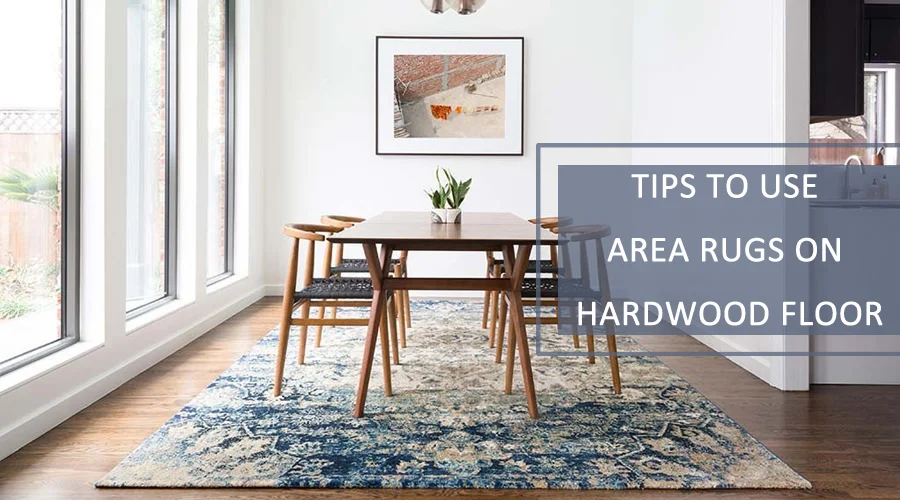
Start by arranging your furniture first, then place the rug so that at least the front legs of major seating pieces rest on it. This arrangement creates a visual anchor and makes the space feel cohesive. In dining rooms, the rug should be large enough to accommodate the table and chairs even when the chairs are pulled out. A practical guideline is to add 24‑30 inches of rug beyond the table’s edge on all sides.
Seasonal Swaps and Layering Strategies
One of the joys of having hardwood floors is the ability to change the look of a room without permanent alterations. Swap out area rugs seasonally to reflect changing palettes—think cool blues and neutrals for winter, bright yellows and oranges for summer. Layering a small, decorative rug over a larger, neutral base rug can add depth and visual interest while protecting the wood in high‑traffic zones.
Maintenance and Care for Area Rugs on Hardwood Floors

Routine Cleaning Practices
Vacuum your rug weekly using a suction‑only setting to avoid pulling fibers or damaging the backing. For high‑traffic areas, spot‑clean spills immediately with a mild detergent and warm water; blot, don’t rub, to prevent the stain from spreading. Rotate the rug every six months to even out wear patterns, especially if one side receives more foot traffic.
Deep Cleaning and Professional Services
Most wool and natural‑fiber rugs benefit from an annual professional cleaning. This service can safely extract deep‑seated dirt without compromising the rug’s structure. If you prefer a DIY approach, test any cleaning solution on a hidden area first, and follow the manufacturer’s recommendations regarding water usage. Excess moisture can seep through the backing and affect the hardwood underneath, so always allow the rug to dry completely before repositioning.
Addressing Common Issues: Slipping and Staining
Even with a quality rug pad, some rugs may shift over time. Reinforce the pad’s grip by adding a thin, non‑adhesive rug gripper on top, especially in entryways where foot traffic is constant. Stains from coffee, wine, or pet accidents can be tackled with a mixture of white vinegar and water, applied gently with a soft cloth. For stubborn oil‑based stains, a specialized rug cleaner designed for your rug’s fiber type is the safest option.
Design Inspiration: Pairing Area Rugs with Hardwood Floors in Different Spaces
Living Rooms: Creating a Cozy Conversation Zone
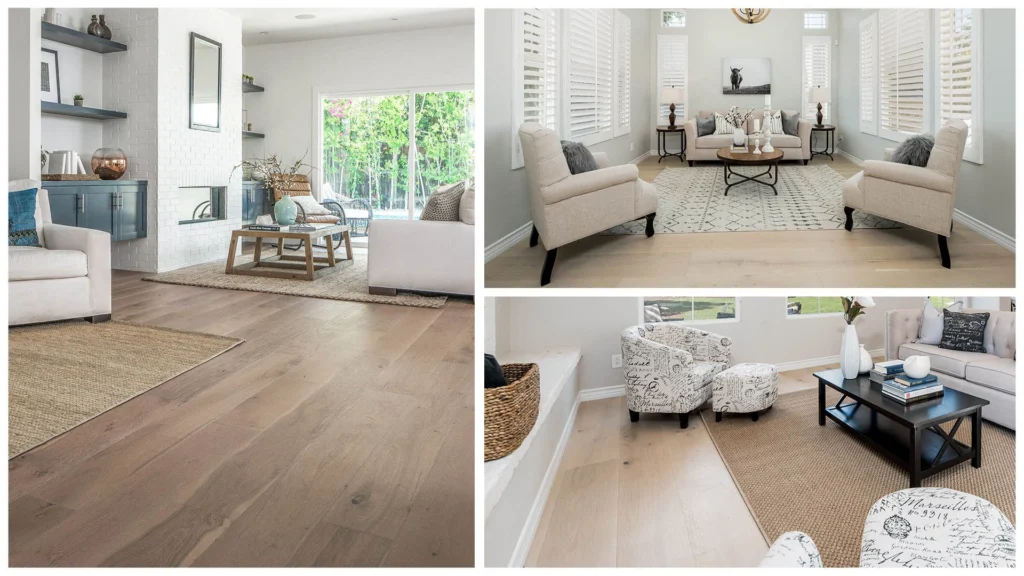
In a living room with wide-plank oak flooring, a large, low‑pile wool rug in a muted charcoal with subtle chevron detailing can anchor the seating area while allowing the wood’s grain to peek through the rug’s edges. Pair this with a sleek coffee table featuring an Acacia wood top for a harmonious blend of natural materials.
Bedrooms: Softening the Nighttime Aesthetic
For a bedroom with warm honey‑toned maple flooring, a plush, high‑pile rug in a soft ivory or blush tone adds a layer of comfort underfoot while keeping the floor visible for visual balance. If space allows, consider a round rug beneath the bed for a contemporary twist. A matching 36‑inch round wood table top nightstand can echo the rug’s shape, tying the design together.
Dining Areas: Defining Elegance and Function
Hardwood dining rooms benefit from a rug that can handle the weight of chairs and the occasional spill. A flatweave jute rug in a natural, earthy hue adds texture without overwhelming the space. Ensure the rug extends at least 24 inches beyond the table’s perimeter so that chairs remain on the rug when pulled out, protecting the floor from leg scratches.
Home Offices: Balancing Productivity and Comfort
A home office with light‑stained bamboo flooring can be brightened by a medium‑pile rug featuring a subtle geometric pattern. The rug helps dampen noise from typing and foot traffic, creating a quieter environment. Choose a low‑friction backing to keep the rug stable under an office chair that may swivel frequently.
Final Thoughts on Selecting Area Rugs for Hardwood Floors
Choosing the perfect area rug for hardwood floors is a blend of aesthetic judgment and practical foresight. By paying close attention to material, backing, size, and maintenance requirements, you can select a rug that not only protects your beautiful hardwood but also enhances the room’s overall design language. Remember to use a quality rug pad, rotate the rug periodically, and address spills promptly to prolong both the rug’s and the floor’s lifespan.
Whether you gravitate toward the timeless elegance of wool, the casual charm of jute, or the sleek modernity of synthetic fibers, the right area rug can transform a hardwood floor from a simple foundation into a centerpiece of comfort and style. Take the time to experiment with colors, patterns, and layouts, and let your floor become a living canvas that evolves with your tastes and seasons.
