 Admin
Admin
Creating a nursery is one of the most rewarding projects for new parents. It’s a space where safety, comfort, and style converge, setting the tone for countless cherished moments. While paint colors, crib selections, and textiles often dominate the conversation, architectural details such as a chair rail can transform an ordinary room into a sophisticated sanctuary.
A chair rail, traditionally used to protect walls from the backs of chairs, brings a subtle yet powerful visual break that adds depth and dimension. When applied thoughtfully, a Chair Rail Nursery not only safeguards delicate plaster from inevitable bumps but also introduces a classic architectural element that can be customized to suit any design language—from minimalist Scandinavian to cozy farmhouse.
In this comprehensive guide, we will explore why a Chair Rail Nursery is a smart choice, how to select the right style and finish, step‑by‑step installation advice, and practical maintenance tips. Whether you’re a seasoned DIY enthusiast or prefer professional help, the insights below will empower you to create a nursery that feels both timeless and uniquely yours.
Chair Rail Nursery: A Timeless Design Element for Modern Parents
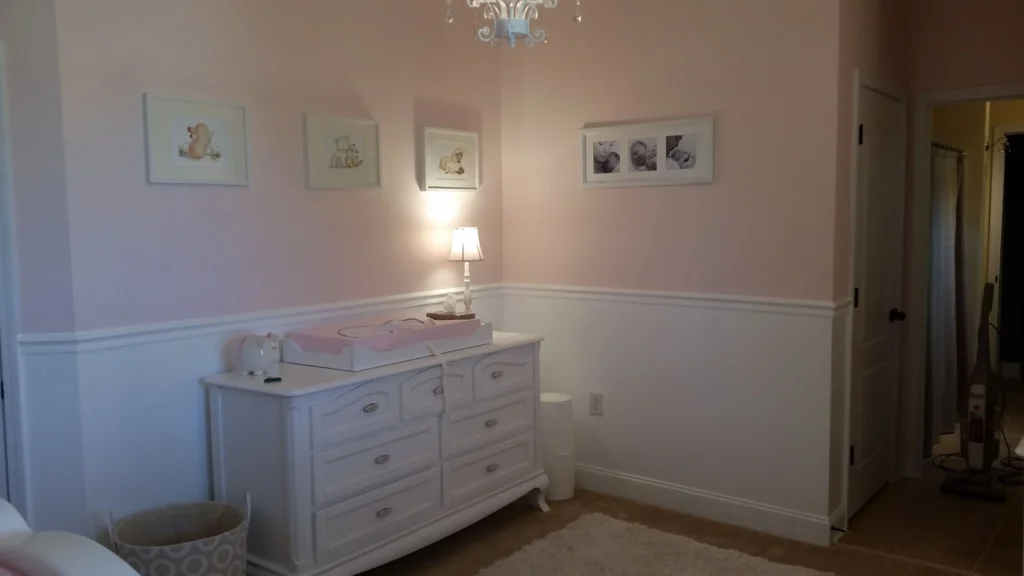
Why Choose a Chair Rail in a Nursery?
Parents often underestimate how much wall space can be affected by everyday nursery activities. From the occasional bump of a changing table to the playful reach of a growing child, walls endure a surprising amount of wear. A Chair Rail Nursery creates a protective barrier at a height that intercepts most impacts, preserving the pristine look of your paint or wallpaper.
Beyond protection, the visual impact is equally compelling. A well‑placed rail divides the wall into two distinct zones, allowing you to experiment with contrasting colors or textures without overwhelming the space. For instance, a soft pastel hue can grace the lower portion, while a muted neutral crowns the upper area, creating a balanced backdrop for artwork, shelves, and decorative elements.
From an aesthetic standpoint, a chair rail introduces an element of craftsmanship that modern minimalist rooms sometimes lack. It conveys a sense of thoughtfulness and attention to detail, signaling that the room was designed with intention—a message that resonates with today’s design‑savvy parents.
Design Styles and Color Palettes for a Chair Rail Nursery
The versatility of a Chair Rail Nursery lies in its ability to adapt to various interior design trends. Below are three popular approaches, each paired with color suggestions that harmonize the rail with the overall room palette.
- Scandinavian Calm: Opt for a simple white or light gray rail against a muted pastel wall. The clean lines reinforce the airy, uncluttered vibe typical of Nordic design.
- Modern Farmhouse: Choose a reclaimed wood rail, finished in a distressed white or soft gray. Pair it with a warm, earthy wall color such as sage green or muted terracotta to evoke rustic charm.
- Playful Contemporary: Install a sleek, painted rail in a bold hue—think navy or mustard—and contrast it with a softer, complementary shade on the lower wall. This creates a dynamic visual pop that still feels cohesive.
When planning your color scheme, remember that the rail itself can become a subtle accent. If you’re uncertain about which tones work together, explore the Chair Rail Ideas for Bedrooms – Creative Ways to Elevate Your Sanctuary article for inspiration that translates well into a nursery setting.
Installation Tips for a Perfect Chair Rail Nursery
Installing a chair rail may seem daunting, but with proper preparation it’s a manageable DIY project. Follow these steps to ensure a flawless result:
- Measure Accurately: Determine the ideal height—typically 32 to 36 inches from the floor—based on the size of your furniture and the average reach of a toddler.
- Choose the Right Material: MDF, pine, and reclaimed wood are popular choices. MDF offers a smooth finish for painted rails, while wood adds natural texture.
- Prepare the Wall: Fill any holes, sand uneven areas, and apply a primer. A smooth surface guarantees that the rail sits flush.
- Mark the Layout: Use a level and a pencil line to map the rail’s path. Double‑check for straightness before committing to nails.
- Secure the Rail: Pre‑drill pilot holes to prevent splitting, then attach using finishing nails or a strong adhesive for added stability.
- Finish the Edges: Apply caulk to seams for a seamless look, then sand lightly before painting or staining.
- Paint or Stain: Apply a coat of primer if painting, followed by two finishes of your chosen color. For wood, a clear sealant protects against moisture and wear.
If you prefer a design that already incorporates a rail, the Chair Rail Ideas for Dining Room – Transform Your Space article showcases creative applications that can be adapted for a nursery’s unique needs.
Integrating Furniture and Accessories Around the Rail
A Chair Rail Nursery creates a natural framework for arranging furniture and decorative items. Here are a few strategies to make the most of this architectural feature:
- Crib Placement: Position the crib below the rail to keep the baby’s environment anchored within the lower color zone, which is often softer and more soothing.
- Wall Shelves: Install floating shelves just above the rail for books, plush toys, and display pieces. The rail acts as a visual divider, preventing the wall from feeling crowded.
- Artwork Alignment: Hang framed prints or canvas art so that their bottom edges align with the rail. This creates a cohesive visual line that ties the room together.
- Lighting Considerations: Wall sconces placed at the rail height add gentle illumination without intruding on the lower play area.
By using the rail as a guide, you can maintain balance and proportion, ensuring that each element contributes to a harmonious whole.
Maintenance and Longevity of Your Chair Rail Nursery
One of the most appealing aspects of a Chair Rail Nursery is its durability. Proper care will keep it looking fresh for years, even as the child outgrows the room. Follow these maintenance guidelines:
- Regular Dusting: Use a soft microfiber cloth or a vacuum with a brush attachment to remove dust and prevent buildup.
- Spot Cleaning: For paint, a mild soap solution and a damp sponge work well. For stained wood, a wood‑specific cleaner preserves the finish.
- Touch‑Up Paint: Keep a small amount of the original paint for quick touch‑ups after minor scuffs.
- Inspect for Damage: Periodically check for nail loosening or gaps. Re‑nail or re‑caulk as needed to maintain a seamless appearance.
Because the rail shields the wall from most direct impacts, the surrounding paint often remains untouched, extending the overall life of your nursery’s design.
Choosing a Chair Rail Nursery is more than a decorative decision; it’s an investment in a space that can evolve with your child while retaining its aesthetic appeal. Whether you lean toward a sleek modern finish or a rustic wooden profile, the rail offers a versatile canvas for personal expression. By following the design principles, installation tips, and maintenance routines outlined above, you’ll create a nursery that feels both timeless and uniquely yours—one that welcomes your baby with warmth, safety, and style.
