 Admin
Admin
When it comes to elevating the ambience of a dining area, few architectural details make as immediate an impact as a well‑chosen chair rail. More than a simple decorative strip, a chair rail can define proportions, protect walls from everyday wear, and serve as a canvas for color and texture experimentation. Whether you’re refreshing a traditional farmhouse kitchen or modernizing a sleek city loft, understanding the possibilities of chair rail design opens a world of creative solutions.
In this guide we’ll explore a variety of chair rail ideas for dining rooms, covering classic wood mouldings, contemporary painted trims, and innovative mixed‑material approaches. You’ll also find practical advice on measuring, installing, and coordinating your rail with existing furnishings, ensuring the final look feels intentional rather than tacked on. By the end, you’ll have a toolbox of styles that can transform an ordinary wall into a focal point that celebrates both function and fashion.
Before diving into specific concepts, it’s helpful to consider the role a chair rail plays in the overall design narrative. Historically, chair rails were introduced in the 18th century to protect walls from the backs of high‑backed chairs. Today, they act as a visual separator that can break up large expanses of paint, introduce contrasting hues, or showcase patterned wallpaper without overwhelming the space. With the right execution, chair rail ideas for dining rooms become a subtle yet powerful design statement.
Chair Rail Ideas for Dining Room: Classic Meets Contemporary

Choosing the right style of chair rail is the first step in crafting a cohesive dining room aesthetic. Below are several approaches that balance timeless appeal with modern sensibilities.
Traditional Wood Chair Rail Ideas for Dining Room Elegance
Wood remains the most beloved material for chair rail, offering warmth and craftsmanship that instantly adds character. Opt for reclaimed oak or walnut to introduce a rustic vibe, or select a painted white oak for a crisp, clean line. When installing a wooden rail, consider the following tips:
- Scale the rail to the ceiling height. A taller ceiling can accommodate a wider rail, while low ceilings benefit from a slimmer profile.
- Stain or paint to match or contrast. A darker stain can ground a light‑colored room, whereas a white or pastel paint can brighten a darker dining space.
- Use a clear polyurethane finish. This protects the wood from moisture and occasional bumps from chair backs.
If you’re looking for inspiration beyond the dining area, the Chair Rail Ideas for Bedrooms – Creative Ways to Elevate Your Sanctuary article showcases how similar wood selections can enhance bedroom walls, demonstrating the versatility of this material across rooms.
Painted Chair Rail Ideas for Dining Room Modernism
For a sleek, contemporary look, painted chair rails provide endless color possibilities. A bold hue—such as navy, forest green, or even a muted terracotta—can serve as an accent that draws the eye upward, especially when paired with a neutral wall color below. Consider these design strategies:
- Two‑tone contrast. Paint the rail a deep shade while keeping the wall a light neutral to create visual depth.
- Metallic finishes. A brushed gold or matte copper rail adds a subtle shimmer without overpowering the room.
- Geometric patterns. Use painter’s tape to create a chevron or herringbone pattern within the rail area for a dynamic effect.
When selecting paint, opt for a low‑sheen or satin finish. These are easier to clean and resistant to scuffs—an important consideration for high‑traffic dining spaces.
Mixed‑Material Chair Rail Ideas for Dining Room Drama
Mixing materials can add texture and intrigue, particularly in eclectic or industrial‑style interiors. Combine wood with metal brackets, or integrate glass panels within the rail to reflect light. Here are a few daring options:
- Wood‑and‑metal combo. Attach a thin metal strip to the front edge of a wooden rail for an industrial edge.
- Tile‑inlaid rail. Install a row of subway tiles within the rail’s recess for a subtle, glossy surface that’s also easy to wipe clean.
- Fabric‑covered rail. For a softer aesthetic, upholster the rail with a durable linen or velvet, especially effective in a dining room that doubles as a lounge.
These mixed‑material ideas can be coordinated with other elements, such as a Chair Glides for Hardwood Floors – Essential Guide for Protection & Style, ensuring that the flooring and wall treatments complement each other both functionally and visually.
Practical Steps to Install Chair Rail in Your Dining Room

Even the most inspiring chair rail ideas for dining rooms lose impact without proper execution. Follow these systematic steps to achieve a professional finish.
Measuring and Planning Your Chair Rail Layout
Accurate measurements are the foundation of a seamless installation. Begin by determining the ideal height for the rail—typically one‑third of the wall’s total height, but this can be adjusted based on ceiling height and furniture scale. Mark a level line around the room to serve as a guide.
Preparing the Wall Surface
Whether you’re applying a wooden rail or a painted trim, the wall must be clean, dry, and smooth. Fill any holes or cracks with spackle, sand the area lightly, and apply a primer if you plan to paint over a dark surface. This preparation ensures the rail adheres properly and looks polished.
Installation Techniques for Different Materials
For wooden rails, use a nail gun or adhesive specifically designed for molding. If you’re using a painted MDF rail, a strong construction adhesive combined with finishing nails works well. Metal or mixed‑material rails may require specialized brackets—consult the manufacturer’s instructions for weight limits.
Finishing Touches and Maintenance
After the rail is securely attached, fill any nail holes with wood filler, sand smooth, and apply a final coat of paint or sealant. Regularly dust the rail with a soft cloth and, for painted finishes, wipe with a damp cloth as needed to keep the surface looking fresh.
Styling Your Dining Room Around the Chair Rail
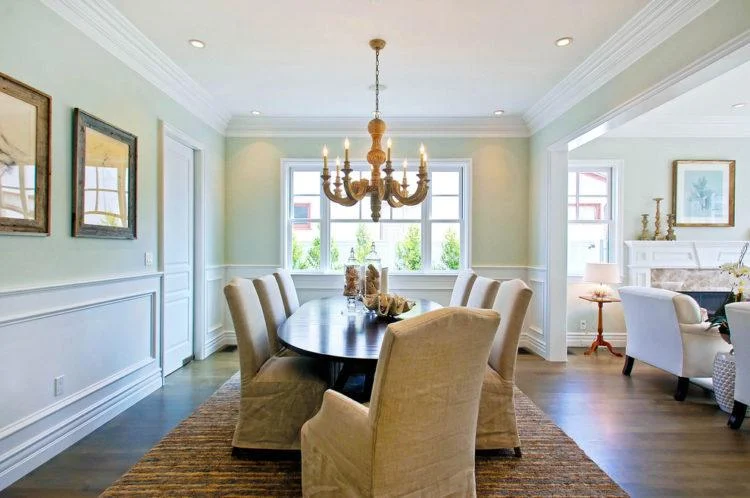
With the installation complete, the next step is to integrate the chair rail into the overall décor. Below are styling suggestions that enhance the visual harmony of your dining room.
Coordinating Chair Rail with Wall Color and Wallpaper
If you’ve chosen a bold paint for the rail, keep the wall color subdued to let the rail stand out. Conversely, a subtle rail works well with a striking patterned wallpaper placed below it. This “half‑wall” approach creates a layered look that feels curated rather than chaotic.
Complementary Furniture and Accessories
Match the rail’s material to key furniture pieces. For example, a walnut rail pairs beautifully with a wooden dining table and matching chairs, while a metallic rail can echo sleek metal legs on a modern dining set. Adding a Chair Decorating Ideas: Transform Your Space with Creative Flair article reference can help readers explore how to accessorize chairs to echo the rail’s design.
Lighting Considerations
Strategically placed wall sconces above or below the rail can highlight its profile, adding depth and drama. In rooms with high ceilings, uplighting can emphasize the rail’s height, while low‑profile fixtures work well in more intimate spaces.
Seasonal Updates and Flexibility
One of the advantages of a chair rail is its adaptability. Swap out paint colors, change the fabric covering, or replace a metal inlay to reflect seasonal trends without a full remodel. This flexibility makes chair rail ideas for dining rooms a cost‑effective way to stay current.
By thoughtfully selecting, installing, and styling your chair rail, you not only protect your walls but also craft a dining environment that feels intentional, welcoming, and aesthetically rich. The right rail can turn a plain wall into an architectural feature that frames meals, conversations, and memories for years to come.
Ready to start your transformation? Gather your materials, measure carefully, and let the timeless elegance of a well‑placed chair rail guide the evolution of your dining room.
