 Admin
Admin
Folding chairs are celebrated for their practicality—lightweight, easy to store, and affordable. Yet, their straightforward design often leaves them overlooked as a decorative element. When styled thoughtfully, a simple folding chair can become a focal point, adding personality to a garden party, a wedding reception, or a casual living‑room gathering. This article delves into the myriad ways you can enhance folding chairs, balancing aesthetics with function, and providing a roadmap for both novice decorators and seasoned designers.
From seasonal color palettes to inventive upholstery hacks, the possibilities are virtually limitless. Whether you’re working with a single chair for a photo backdrop or coordinating dozens for a large‑scale event, the principles of good design remain consistent: consider the setting, choose complementary textures, and ensure the final look aligns with the overall theme. Below, we explore a comprehensive set of strategies that will help you transform ordinary folding chairs into striking decorative pieces.
Folding Chair Decorations: Transforming Simple Seats into Statements

The first step in any successful folding chair decorations project is to define the visual language you want to convey. Are you aiming for rustic charm, modern minimalism, or vibrant festival energy? Once the mood is set, the selection of fabrics, accessories, and finishing touches becomes a more intuitive process. Below are the core categories to consider when planning your design.
Essential Folding Chair Decorations for Every Occasion
Below is a quick reference of the most common decorative elements, organized by purpose and style. This list serves as a checklist for designers who need to keep track of materials while ensuring a cohesive outcome.
- Fabric Wraps: Choose cotton, linen, or velvet for a plush look; use outdoor‑grade canvas for garden events.
- Ribbon Accents: Satin ribbons for elegance, burlap for rustic vibes, or metallic organza for a festive sparkle.
- Backrest Embellishments: Decorative cutouts, appliqués, or embroidered patches add depth without covering the entire seat.
- Seat Cushions: Foam inserts wrapped in coordinating fabric can provide comfort and visual contrast.
- Painted Frames: A splash of matte black, glossy white, or bold color on the metal frame instantly updates the chair’s silhouette.
- Lighting Integration: Small LED strips or battery‑operated fairy lights woven through the frame create a magical ambiance after dark.
Choosing the Right Materials for Durable Folding Chair Decorations
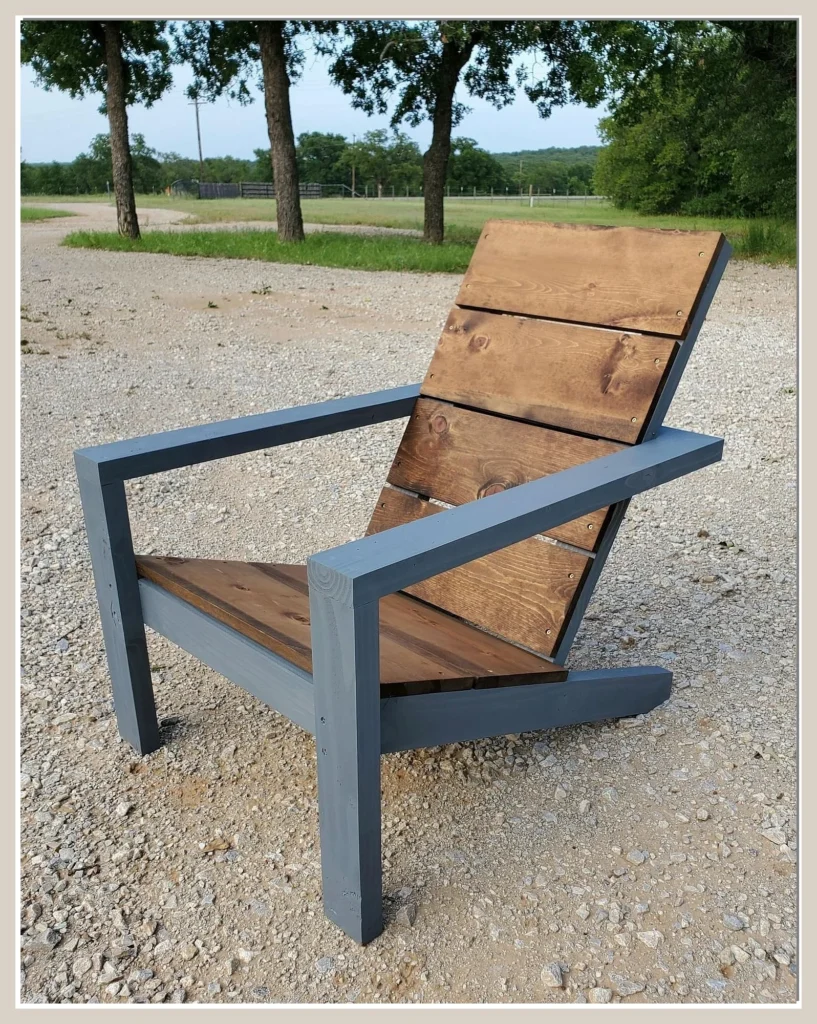
Durability matters, especially when chairs are used repeatedly or outdoors. Opt for fabrics that resist fading, moisture, and wear. Polyester blends are excellent for indoor events, while solution‑dyed acrylics hold up best under sunlight. When selecting ribbons, consider UV‑stable varieties if the chairs will sit in direct sun for several hours.
For those who enjoy DIY projects, the DIY folding chair plans guide provides step‑by‑step instructions on building a sturdy frame that can support heavier upholstery and decorative elements. Pairing a solid base with high‑quality fabric ensures that your folding chair decorations maintain their shape and appearance throughout the event.
Color Theory and Seasonal Palettes
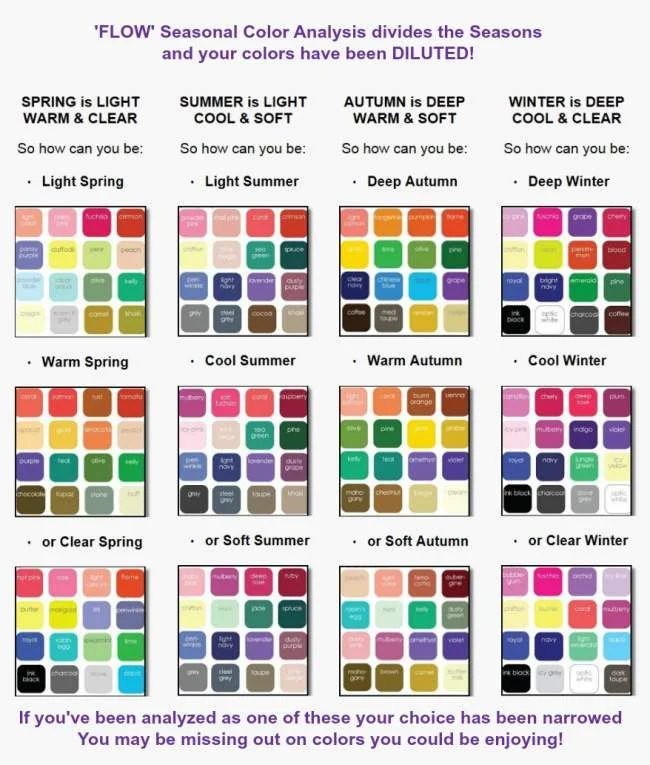
Understanding basic color theory can elevate your folding chair decorations from ordinary to unforgettable. Complementary colors (e.g., teal and coral) create vibrant contrast, while analogous hues (e.g., soft pinks and mauves) evoke calm unity. Seasonal palettes also guide selections:
- Spring: Pastel greens, blush pinks, and buttery yellows.
- Summer: Bright turquoise, sunny orange, and vivid magenta.
- Autumn: Deep burgundy, mustard gold, and forest green.
- Winter: Icy blue, silver, and rich plum.
Applying these palettes to both fabric wraps and accent ribbons ensures that each chair feels intentional and tied to the broader design narrative.
Techniques for Wrapping and Securing Fabric
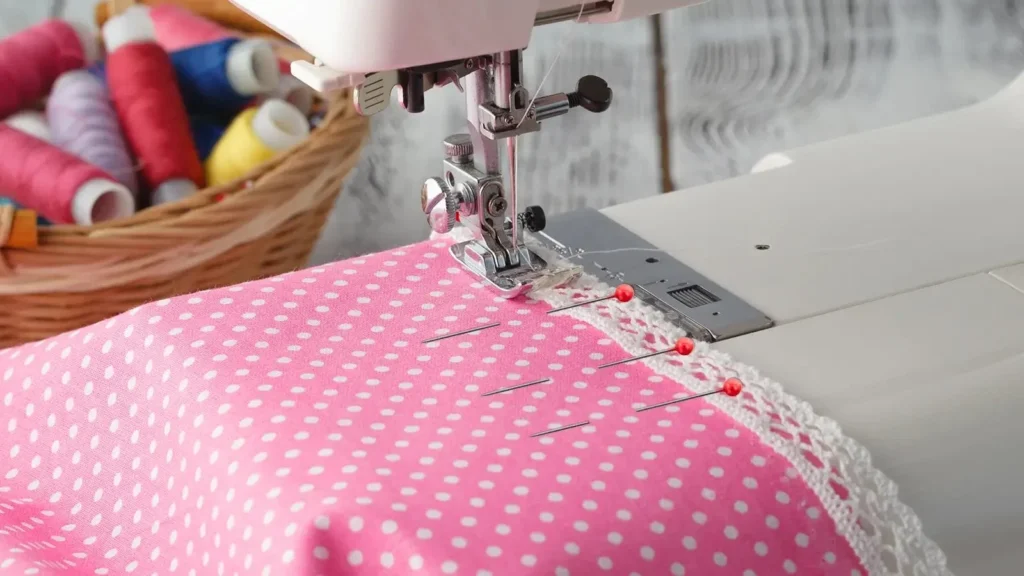
Proper wrapping technique not only looks professional but also prevents slippage. Follow these steps for a clean finish:
- Measure the seat and backrest dimensions, adding an extra 2‑3 inches for folding.
- Cut fabric to size, ensuring the grain runs parallel to the chair’s frame.
- Use a staple gun or upholstery tacks to attach the fabric to the underside of the seat, pulling tight to avoid wrinkles.
- For the backrest, create a “pocket” by folding the fabric over the top edge and securing it with a hidden stitch or adhesive Velcro strips.
- Finish edges with a subtle bias tape or decorative stitching for a polished look.
These methods keep your folding chair decorations looking crisp, even after repeated use.
Incorporating Decorative Elements Beyond Fabric
While fabric is the cornerstone of most folding chair decorations, other accessories can add layers of interest.
Backrest Appliqués and Embellishments
Small wooden cutouts, metal charms, or laser‑etched acrylic shapes can be affixed to the backrest using strong fabric glue or small screws (if the frame allows). Choose motifs that echo the event’s theme—like leaf silhouettes for a garden wedding or geometric shapes for a modern corporate gathering.
Lighting Integration
For evening events, integrate low‑profile LED strips along the chair’s metal ribs. Battery‑powered fairy lights can be woven through the fabric wrap, creating a twinkling effect that draws the eye without overpowering the overall décor. This technique is especially effective for outdoor festivals where ambient lighting is scarce.
Styling Folding Chairs in Different Settings
Each environment demands a nuanced approach to folding chair decorations. Below are tailored recommendations for common venues.
Garden Parties and Outdoor Gatherings
Weather‑resistant canvas or outdoor‑grade polyester should be the primary fabric. Pair it with natural elements such as dried lavender sprigs, small potted succulents, or woven straw ribbons. Adding a thin layer of waterproof sealant to the metal frame can prevent rust, ensuring the chairs remain functional for years.
Indoor Weddings and Formal Events
Luxury fabrics like velvet or silk organza elevate the elegance of a wedding setting. Coordinate the chair color with the bridesmaid dresses or table linens. For an extra touch, attach a small boutonnieres or silk flower clusters to the backrest using discreet pins.
Casual Living‑Room Gatherings
In a living‑room, folding chairs can double as extra seating while contributing to the décor. Choose muted tones—soft greys, muted blues, or warm neutrals—that blend with existing furniture. Add a patterned seat cushion for comfort and visual intrigue. If you’re aiming for a rustic vibe, pair the chairs with the rustic table decor ideas featured in our farmhouse guide, creating a cohesive look throughout the space.
Budget‑Friendly DIY Ideas
Not everyone has the resources to purchase premium fabrics or custom hardware. Here are cost‑effective ways to achieve beautiful folding chair decorations without breaking the bank:
- Recycled Materials: Use old curtains, thrift‑store tablecloths, or even fabric scraps for wraps.
- Painted Frames: A simple spray‑paint job can transform a dull metal frame into a bold statement piece.
- Paper Crafts: Crepe paper garlands or origami flowers add a whimsical touch without high cost.
- Nature‑Inspired Accents: Pinecones, twine, and fresh herbs are free (or inexpensive) and lend an organic feel.
Maintenance and Longevity
After the event, proper storage and cleaning extend the life of your folding chair decorations. Follow these guidelines:
- Remove any detachable accessories (ribbons, cushions) and store them separately.
- Spot‑clean fabric wraps with a gentle detergent, avoiding harsh chemicals that could degrade the material.
- Wipe down metal frames with a mild rust inhibitor if the chairs were exposed to moisture.
- Fold chairs carefully, ensuring that any added padding does not become misshapen.
Regular maintenance not only preserves the visual appeal but also ensures that the chairs remain safe and comfortable for future use.
Integrating Folding Chair Decorations with Overall Event Design
For a seamless experience, align your folding chair decorations with other design elements such as table settings, lighting, and signage. Consistency in color, texture, and style reinforces the thematic narrative and prevents visual clutter. When planning, create a mood board that includes fabric swatches, ribbon samples, and photographs of potential embellishments. This visual reference helps maintain focus and reduces the likelihood of mismatched components.
Moreover, consider the flow of traffic and sightlines. Chairs placed near focal points—like the head table or the cake display—should receive the most detailed treatment, while peripheral seating can adopt simpler styling. This hierarchical approach balances effort with impact, ensuring that the most visible areas receive the highest visual investment.
In summary, mastering folding chair decorations involves thoughtful material selection, strategic use of color, and an eye for detail that reflects the overall event narrative. By applying the techniques outlined above—whether you’re dressing a single chair for a photo backdrop or orchestrating an entire banquet—you’ll create memorable environments that celebrate both function and style.
